
Tonic AI
Paid ✓ VerifiedEnterprise platform for generating realistic synthetic data from production databases, enabling safe development, testing, and AI model training.
📋 About Tonic AI
Tonic AI is an enterprise synthetic data platform that generates realistic, privacy-safe data that mimics the structure and statistical properties of production databases without exposing real customer information. Development teams use Tonic to create safe datasets for testing, QA, and analytics environments, while data science teams use it to train machine learning models on production-like data without regulatory risk. The platform supports major relational databases, data warehouses, and unstructured sources including free-text fields and documents.
The core of Tonic is a suite of generators that produce synthetic values across a wide range of data types — names, addresses, medical codes, financial transactions, free text — while preserving referential integrity and statistical distributions across tables. Users define subsetting rules to create smaller representative datasets, masking policies to handle sensitive columns consistently, and workflow automation to keep synthetic environments refreshed as production changes. Tonic Textual extends the platform to free-text data, using language models to redact or synthesize content in documents, notes, and transcripts.
Tonic AI serves financial services, healthcare, technology, and government organizations where data privacy regulations make it difficult to use production data in development and test environments. Typical customers face regulations like GDPR, HIPAA, and PCI-DSS that prohibit the routine use of real customer data outside of tightly controlled production systems. By providing a realistic alternative, Tonic removes development bottlenecks while reducing compliance exposure, and increasingly serves as the foundation for safe LLM fine-tuning on enterprise data.
⚡ Key Features of Tonic AI
Referentially Consistent Synthetic Data
Tonic generates synthetic data that preserves foreign keys, joins, and statistical distributions across tables, so applications using the data behave like they do in production. This is critical for testing scenarios that depend on realistic data shapes rather than random values. Engineers can reproduce production bugs against safe data that mirrors real patterns.
Specialized Domain Generators
Tonic provides generators for names, addresses, medical codes, financial transactions, dates, and other common data types, tuned to produce values that look and feel realistic for the domain. This saves engineering teams from writing custom generators for every column they need to synthesize. Generators can be customized for organization-specific patterns.
Database Subsetting
Create smaller, referentially complete subsets of production databases for development environments where full-size datasets would be wasteful or unmanageable. Subsetting preserves relationships so data remains usable, while reducing size by orders of magnitude. This accelerates environment provisioning and reduces storage costs.
Tonic Textual for Unstructured Data
Tonic Textual applies language models to identify and synthesize or redact sensitive content in free-text fields, documents, notes, and transcripts. This extends synthetic data beyond structured tables into the messy unstructured content that powers many AI workflows. The tool supports healthcare notes, legal documents, customer support transcripts, and more.
Workflow Automation
Tonic integrates with CI/CD pipelines and data refresh schedules so synthetic environments stay in sync with production as schemas and data evolve. This prevents the common problem of stale test data drifting from production reality. Automation supports enterprise practices like refreshing test environments nightly or on-demand.
Database and Warehouse Support
Tonic supports major relational databases including PostgreSQL, MySQL, SQL Server, and Oracle, as well as cloud data warehouses like Snowflake, Redshift, and BigQuery. MongoDB and other NoSQL sources are also supported. This coverage lets enterprises adopt Tonic across their heterogeneous data estate.
🎯 Use Cases for Tonic AI
⚖️ Tonic AI Pros & Cons
Advantages
- ✓Preserves referential integrity and statistical properties
- ✓Broad database and data warehouse support
- ✓Tonic Textual extends privacy to unstructured data
- ✓Reduces compliance exposure across development workflows
Drawbacks
- ✗Enterprise-focused pricing
- ✗Initial configuration requires careful data modeling
- ✗Synthetic data cannot cover every edge case in production
📖 How to Use Tonic AI
Visit tonic.ai and request a demo or trial for your organization.
Connect Tonic to your production database or data warehouse through its secure connectors.
Configure generators and masking rules for each table and sensitive column.
Run a workspace to generate synthetic data into your development or test environment.
Automate refresh schedules to keep synthetic environments aligned with production.
❓ Tonic AI FAQ
Masked data replaces sensitive values but often leaves patterns that could re-identify individuals. Synthetic data generates entirely new values that preserve statistical properties while removing any direct link to real records.
Tonic supports PostgreSQL, MySQL, SQL Server, Oracle, Snowflake, Redshift, BigQuery, MongoDB, and others. See tonic.ai for the complete list.
Yes. Tonic Textual uses language models to redact or synthesize sensitive content in free-text fields, notes, and documents.
Yes. Tonic is widely used by healthcare and financial services organizations subject to HIPAA, GDPR, and similar regulations, and provides controls designed for regulated environments.
Related to Tonic AI

Accrete AI
Accrete AI builds autonomous enterprise AI agents for defense, government, and commercial intelligence workflows.

Ace AI
Ace AI is an AI-powered interview and career coach that helps job seekers prepare with mock interviews, resume feedback, and personalized career guidance.

Actively AI
Actively AI is an AI sales prospecting platform that researches accounts, identifies buyer signals, and writes personalized outbound at pipeline scale.

Airship AI
Airship AI provides video intelligence and data management solutions that use AI to search, analyze, and secure large-scale video evidence.

Alex AI
Alex AI is a macOS AI assistant that lives in your menu bar, offering instant writing help, code assistance, and context-aware productivity features.
Altana AI
Altana AI is a global supply chain intelligence platform that maps the world's supply networks and surfaces risks with AI and public data.
Featured on WhatIf.ai
Add this badge to your website to show you're listed on WhatIf AI
Alternatives to Tonic AI

Base44 AI
Base44 AI is an AI app builder and website builder that generates full-stack web applications from natural language descriptions with backend, database, and UI included.

Browse AI
Browse AI is a no-code web scraping and monitoring tool that extracts structured data from any website and tracks changes over time without writing code.
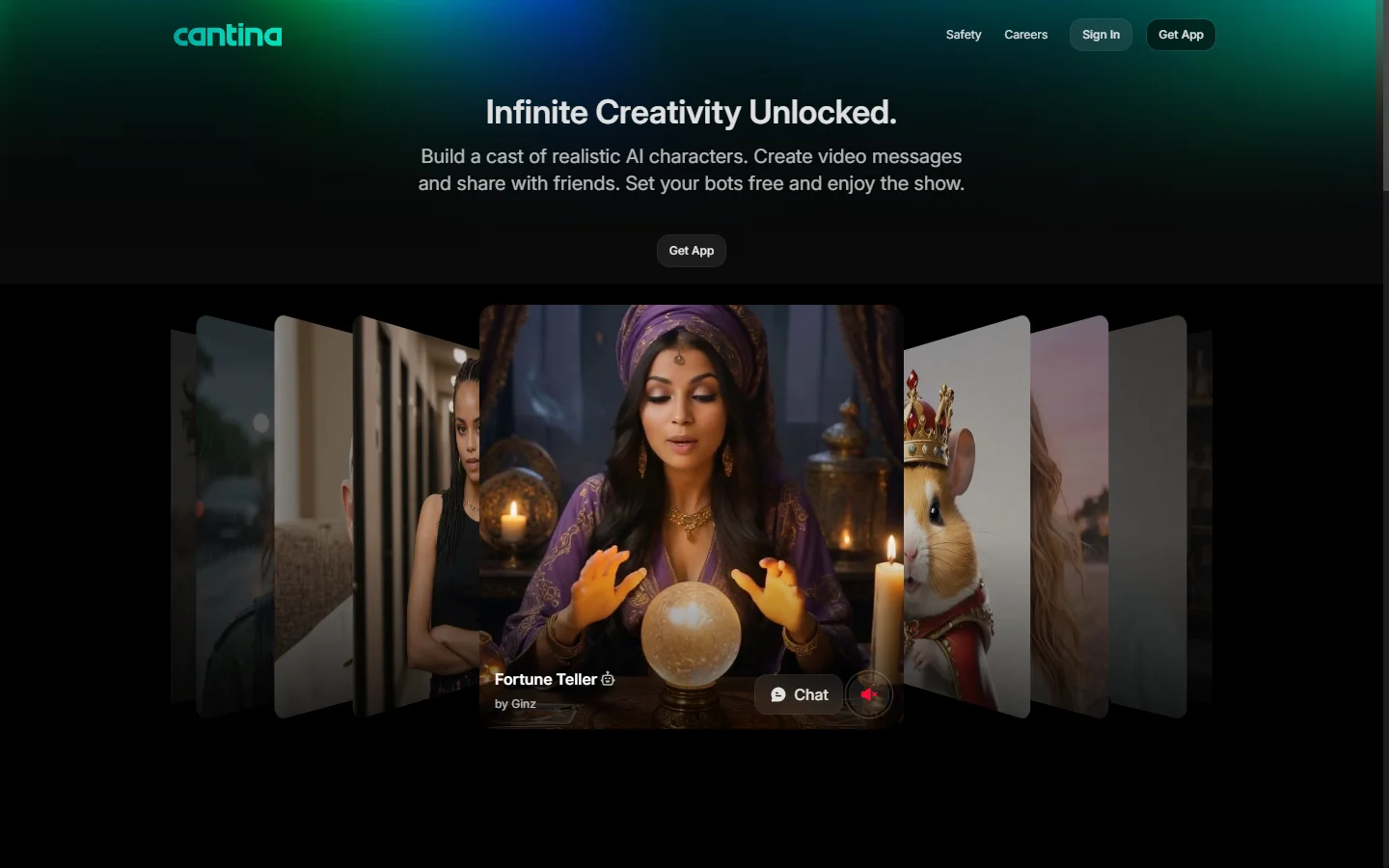

Cantina AI
Cantina AI is a freemium platform for building and deploying full-stack web applications using AI-assisted development with live preview and one-click deployment.
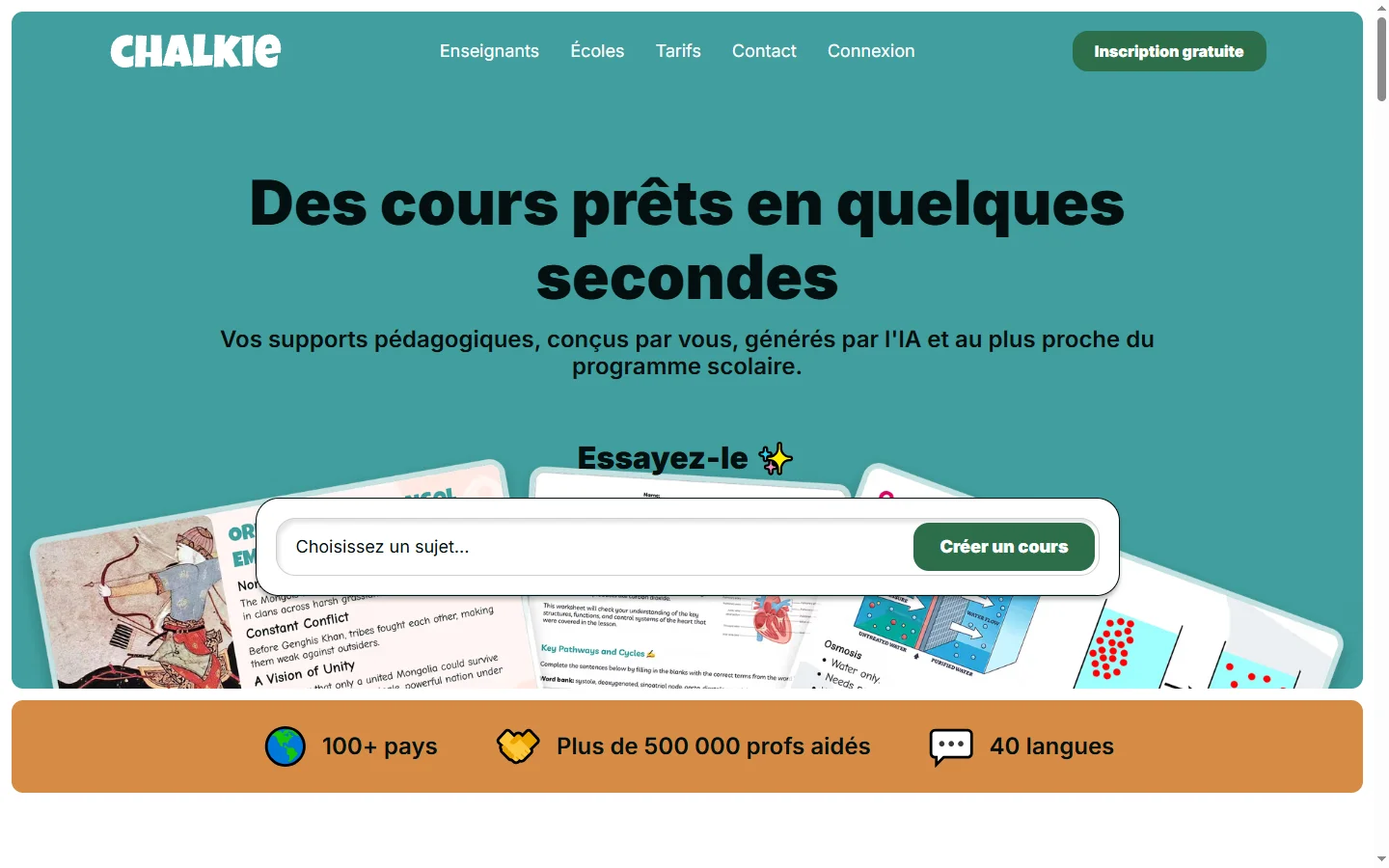

Chalkie AI
Chalkie AI creates lesson plans, worksheets, quizzes, and differentiated materials mapped to curriculum standards for teachers and tutors.