Airship AI
PaidAirship AI provides video intelligence and data management solutions that use AI to search, analyze, and secure large-scale video evidence.
📋 About Airship AI
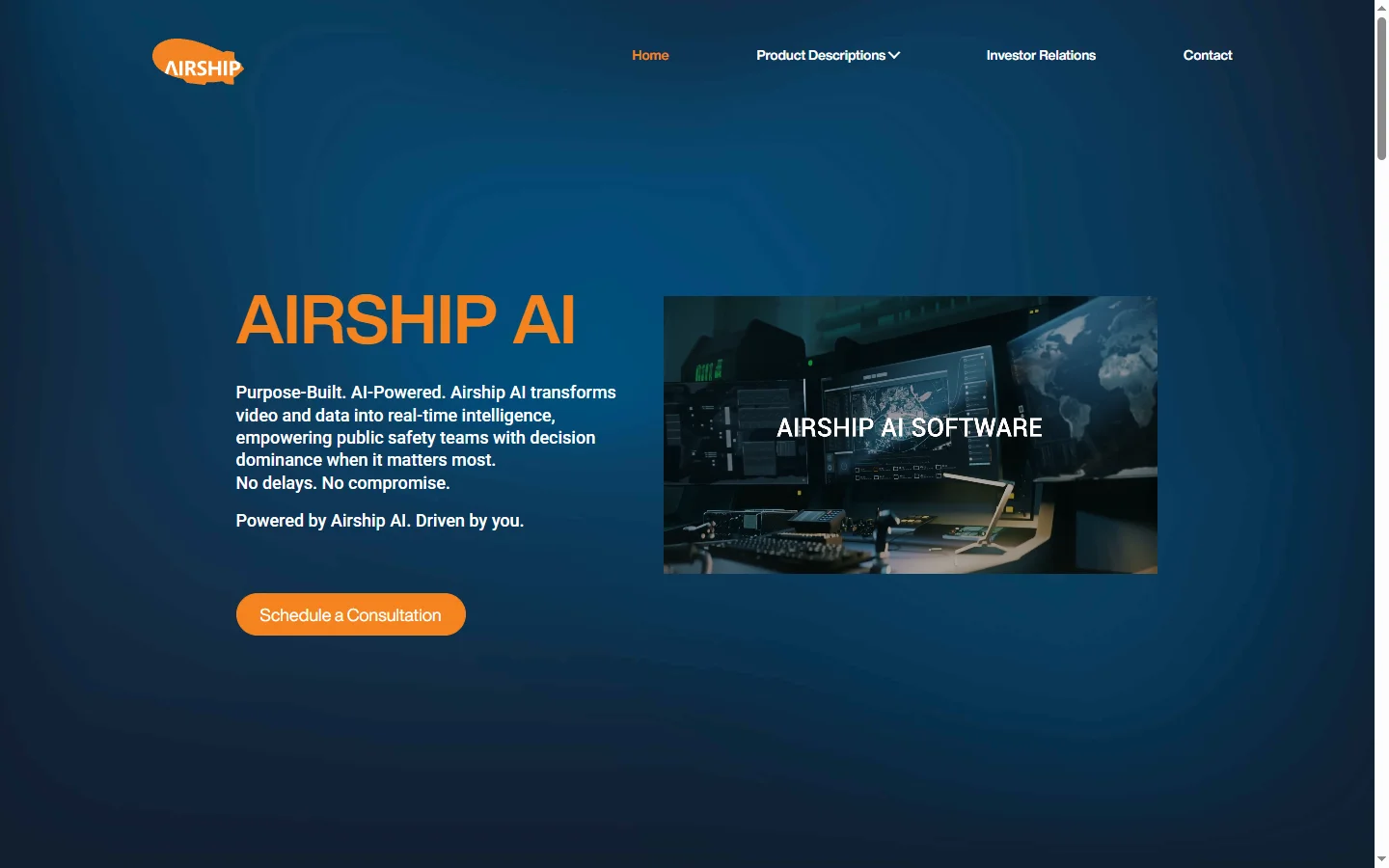
Airship AI is a video intelligence and data management company that builds software for law enforcement, government agencies, and enterprises to manage and extract insight from large volumes of video evidence. Its flagship platforms combine digital evidence management, AI-driven analytics, and cross-agency collaboration to address the explosion of video data from body cameras, surveillance systems, and interview rooms. The product line includes the Outpost AI platform for analytics and the Acropolis platform for evidence management.
AI capabilities span object detection, license plate recognition, facial recognition where legally permitted, and natural-language search across video content. Investigators can ask questions like find all clips where a red pickup truck appears, reducing what would otherwise be weeks of manual review to minutes. The platform is designed with chain-of-custody requirements in mind, preserving evidentiary integrity through hashing, access logs, and controlled sharing between agencies. Cloud, on-premises, and hybrid deployment options accommodate the varied IT environments of public sector customers.
Airship AI serves federal, state, and local law enforcement, national security agencies, and commercial operators of critical infrastructure or secure facilities. Customers typically engage through enterprise contracts that include software licensing, implementation services, and ongoing support. The company is publicly traded and has increased its profile as body-camera adoption, video surveillance volumes, and AI-powered investigation have become priorities for public safety agencies.
⚡ Key Features of Airship AI
AI Video Analytics
Computer vision models detect objects, vehicles, faces, and events across large video archives, turning unstructured video into searchable data. Investigators can filter by attributes like color, vehicle type, or time-of-day to quickly identify clips of interest. This converts the tedious task of reviewing hours of footage into a targeted search. Detection models are tuned for the conditions common in public safety video.
Natural Language Video Search
Ask questions about video content in plain language such as show all pedestrians near the east entrance after 8 p.m. and the platform surfaces matching clips from the ingested footage. This democratizes access to advanced video analysis for investigators who are not data scientists. Search results include thumbnails and timestamps that link back to the original evidence. Natural language interfaces have become a major productivity gain for investigation teams.
Digital Evidence Management
A full evidence management system handles ingest, storage, chain-of-custody tracking, and controlled sharing for video and other digital evidence. Strict access controls, audit logs, and cryptographic hashing preserve evidentiary integrity required in court proceedings. This replaces the patchwork of local storage and file-sharing that many agencies struggle with today. Controlled sharing supports investigations that span multiple jurisdictions.
License Plate and Vehicle Recognition
Automated license plate recognition and vehicle attribute extraction support investigations involving vehicle movements across camera networks. Investigators can track plates of interest across time and geography where data is available. This is particularly valuable in multi-jurisdiction investigations involving stolen vehicles or AMBER alerts. Integration with external databases enables richer cross-referencing where authorized.
Cross-Agency Collaboration
Controlled evidence sharing between cooperating agencies supports investigations that span jurisdictional boundaries. Each agency retains control of its data while extending permissions selectively to partners for specific cases. This addresses a common source of delay and frustration in multi-agency investigations. The sharing model respects the governance requirements of each participating organization.
Flexible Deployment Options
Cloud, on-premises, and hybrid deployment options accommodate the IT environments of different public sector customers. Agencies with strict data residency or air-gap requirements can deploy on-premises, while those with more flexibility can use the cloud service for faster time-to-value. The same feature set is available across deployment modes. Implementation services help configure the deployment for each customer's environment.
🎯 Use Cases for Airship AI
⚖️ Airship AI Pros & Cons
Advantages
- ✓Purpose-built for public safety and regulated evidence handling
- ✓Combines video analytics with chain-of-custody management
- ✓Natural language search accelerates investigations
- ✓Flexible deployment including on-premises and air-gap
- ✓Supports multi-agency collaboration with controlled sharing
Drawbacks
- ✗Enterprise pricing and procurement cycles not suited to small agencies
- ✗Facial recognition features subject to jurisdictional legal limits
- ✗Implementation requires significant customer involvement
- ✗Effectiveness depends on video quality and coverage
📖 How to Use Airship AI
Contact Airship AI sales to scope your video volumes, use cases, and deployment model.
Work with the implementation team to plan ingest sources, storage, and access controls.
Deploy the platform in cloud, on-premises, or hybrid mode based on your governance requirements.
Train staff on evidence management workflows and AI-driven search features.
Ingest initial video archives and configure analytics and retention policies.
Use natural language search and analytics to run investigations and prepare evidence for disclosure.
❓ Airship AI FAQ
Airship AI provides video intelligence and digital evidence management software that uses AI to help law enforcement and enterprises search, analyze, and secure large volumes of video content.
Law enforcement and public sector customers are the primary market, but the platform also serves enterprise security teams and critical infrastructure operators who manage large volumes of surveillance video.
The platform supports facial recognition where legally permitted and configured. Customers enable these features based on their jurisdiction's legal framework and agency policies.
Yes. Cloud, on-premises, and hybrid deployments are supported, including air-gapped environments for sensitive government use cases.
Yes. Airship AI Holdings is a publicly traded company. Details about financial reporting and corporate governance are available through its investor relations channels.
Related to Airship AI

15.ai
15.ai is a free AI voice cloning tool famous for generating realistic speech from cartoon, video game, and animated show characters using as little as 15 seconds of source audio.

Abby AI
Abby AI is an AI therapy and mental wellness chatbot that offers CBT-informed conversations, mood tracking, and self-guided coping tools.

Accrete AI
Accrete AI builds autonomous enterprise AI agents for defense, government, and commercial intelligence workflows.

Ace AI
Ace AI is an AI-powered interview and career coach that helps job seekers prepare with mock interviews, resume feedback, and personalized career guidance.

Actively AI
Actively AI is an AI sales prospecting platform that researches accounts, identifies buyer signals, and writes personalized outbound at pipeline scale.

Akuma AI
Akuma AI is an AI music generation platform that creates original songs, instrumentals, and soundtracks from text prompts for creators and indie artists.
Featured on WhatIf.ai
Add this badge to your website to show you're listed on WhatIf AI
Alternatives to Airship AI

Arcads AI
Arcads AI generates UGC-style video ads using AI actors from scripts, enabling performance marketers to produce ad creative variations at scale.


Artlist AI
Artlist AI music generation and royalty-free licensing platform for video creators, filmmakers, and content producers needing commercially cleared tracks.

BigMotion AI
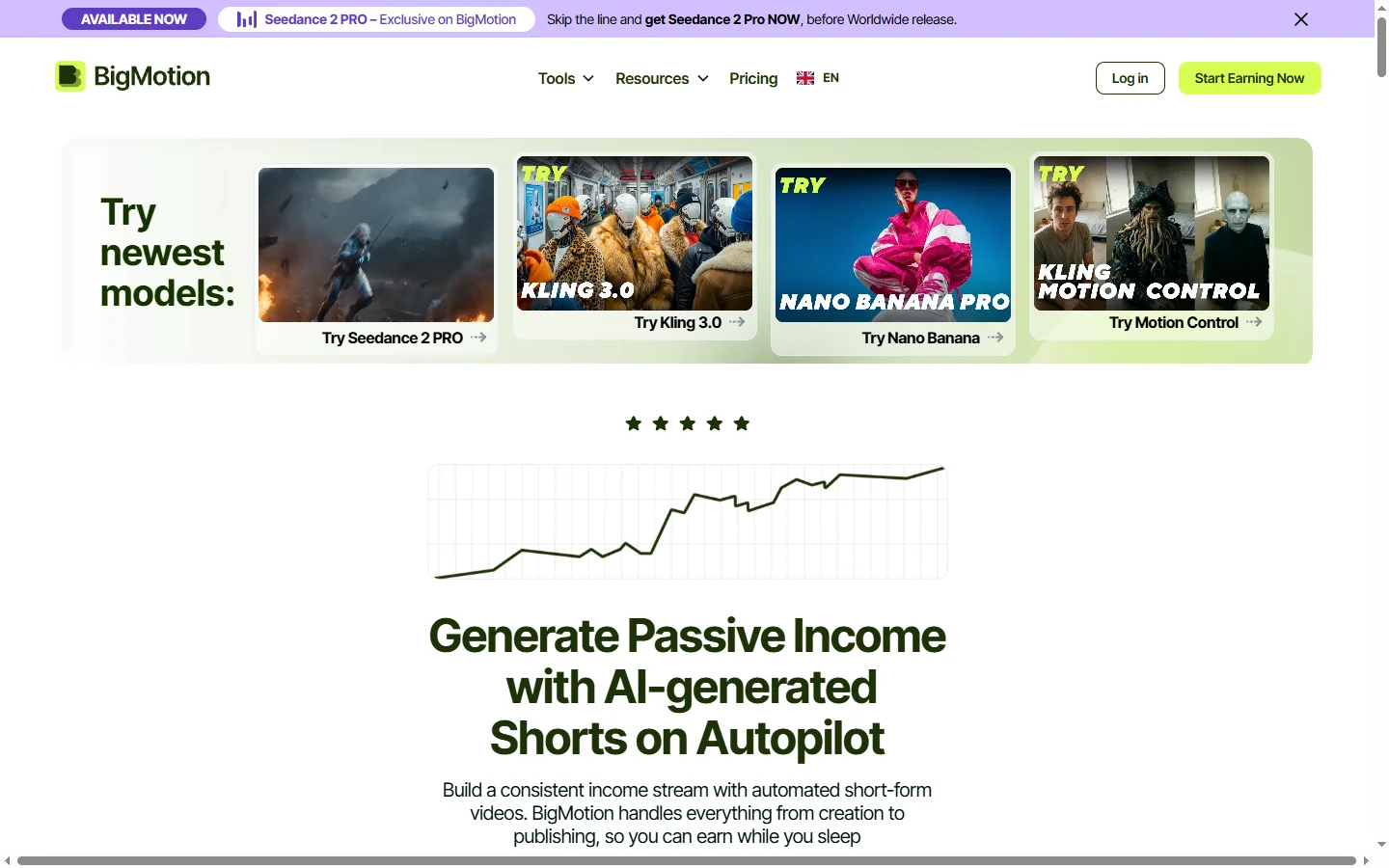
BigMotion AI video and animation generation platform that creates motion content from text prompts and image inputs without animation software skills.


Crayo AI
Crayo AI is an AI short clips generator that automates the creation of viral short-form video content for TikTok, YouTube Shorts, and Instagram Reels.