
Pace AI
Freemium ✓ VerifiedPace AI is a non-technical communication assistant that translates technical jargon into clear business language for product, project, and operations teams.
📋 About Pace AI
Pace AI is an AI productivity assistant built to close the communication gap between technical and non-technical teams in fast-moving organizations. It helps product managers, project managers, business analysts, and operations staff translate dense engineering language into plain stakeholder-ready summaries, and the other way around when business requirements need to reach developers. Instead of spending hours rewriting Jira tickets, meeting notes, or roadmap updates, users paste raw content into Pace AI and receive polished, role-appropriate versions in seconds.
The pace ai platform offers more than one hundred pre-built templates covering user stories, release notes, status reports, acceptance criteria, SWOT analyses, process documentation, and stakeholder emails. Each template is tuned to a specific business communication style, so outputs feel consistent with corporate norms rather than generic AI copy. Pace AI also includes a glossary generator that explains technical terms in contextually appropriate ways, which is especially useful when onboarding new team members or preparing materials for executive audiences.
Pace AI targets organizations where technical complexity frequently bottlenecks delivery because non-engineers struggle to follow detailed discussions. By making engineering output legible to business stakeholders and vice versa, it reduces meeting overhead, accelerates sign-off cycles, and improves cross-functional alignment. The tool works as a standalone web app and integrates into common workflows through copy-paste, making adoption low-friction even for teams that cannot install new software.
⚡ Key Features of Pace AI
Technical-to-Business Translator
Pace ai converts dense engineering language, developer tickets, and architecture notes into clean business-ready summaries that executives and stakeholders can understand without a technical background. The translator preserves critical meaning while adjusting tone, removing jargon, and highlighting business impact rather than implementation detail. Product managers use it to prepare sprint recap emails and quarterly reviews in minutes instead of hours. The reverse flow is also supported, rewriting business requirements into precise developer-friendly briefs.
100+ Business Templates Library
A curated library of over one hundred ready-to-use templates covers user stories, acceptance criteria, release notes, status updates, meeting agendas, SWOT analyses, stakeholder emails, and process documentation. Each template is tuned for a specific business communication context so the output reads like it came from an experienced PM rather than a generic assistant. Users simply pick a template, paste in raw notes, and receive a polished draft that can be refined through follow-up edits. This saves teams from rebuilding the same document structures from scratch every week.
Smart Glossary Generator
Automatically produces plain-language definitions for technical terms found in uploaded or pasted content, tailored to the reader's assumed expertise level. The glossary generator is especially helpful for onboarding new hires, preparing executive briefings, or annotating documentation shared with external partners. Definitions include contextual usage examples drawn from the surrounding text, so readers understand how the term applies to their specific project. Users can export glossaries as part of the delivered document or as standalone reference sheets.
Role-Specific Output Modes
Pace AI lets users select the intended audience — executive, client, developer, designer, or cross-functional team — and rewrites content with appropriate tone, depth, and framing for that group. Executive outputs emphasize business outcomes and risks, while developer outputs retain technical precision and specificity. This role switching saves users from manually adjusting every document for different stakeholders. Teams report faster approval cycles because recipients receive content already calibrated to their decision-making needs.
Meeting Notes to Action Items
Paste raw meeting transcripts or bullet notes and Pace AI extracts decisions, action items, owners, and deadlines into a structured format ready for distribution. The tool identifies ambiguous commitments and flags them for clarification rather than silently dropping important details. Project managers use this to produce consistent follow-up documents across all stakeholder meetings without manually combing through notes. Output formats include email-ready summaries, Jira-ready tickets, and executive one-pagers.
Privacy-First Workspace
Pace AI does not train its models on user content, and submitted text is processed only for the requested task rather than retained for downstream purposes. Business teams handling sensitive roadmap information, client details, or pre-release strategy can use the tool without exposing proprietary material to model training pipelines. Workspace controls let administrators restrict template sharing and manage user access. This privacy posture makes pace ai suitable for organizations in regulated industries that still need AI-assisted writing support.
🎯 Use Cases for Pace AI
⚖️ Pace AI Pros & Cons
Advantages
- ✓Purpose-built for product and project management workflows
- ✓Over 100 ready-made templates covering common business documents
- ✓Strong technical-to-business translation for non-engineer audiences
- ✓Privacy posture with no training on user content
- ✓Low-friction adoption without software installation
Drawbacks
- ✗No native Jira or Slack integrations at this time
- ✗Template library is skewed toward English-language business norms
- ✗Free tier has limited monthly generations
- ✗Outputs still need human review for high-stakes external communications
📖 How to Use Pace AI
Visit paceai.co and create a free account using your work email.
Choose a template from the library based on the document you need, such as release notes or meeting summary.
Paste raw technical content, meeting notes, or business requirements into the input field.
Select your target audience role — executive, developer, client, or cross-functional — to shape the tone.
Review the generated draft and use follow-up prompts to refine wording, length, or emphasis.
Export the final output to your email, document, or ticketing system and continue iterating as needed.
❓ Pace AI FAQ
Yes, pace ai offers a free tier that includes a limited number of generations per month. Paid plans unlock higher usage limits, access to the full template library, and team features for collaborative workspaces.
Pace AI is built for product managers, project managers, business analysts, operations leads, and non-technical founders who need to bridge communication between engineering and business stakeholders.
No. Pace AI states that it does not use submitted user content to train its underlying models, making it safer for teams working with confidential roadmap, client, or pre-release information.
Pace AI focuses on business communication rather than code generation. It can translate technical material into plain language and rewrite business requirements into developer briefs, but it is not a replacement for a dedicated coding assistant.
Unlike general-purpose chatbots, pace ai ships with role-specific templates, business communication tone guardrails, and a privacy posture tuned for professional workplace use.
Related to Pace AI

A2E AI
A2E AI productivity platform converts audio and video recordings into transcripts, summaries, and action items with speaker identification.

Abnormal AI
Abnormal AI uses behavioral AI to detect business email compromise, account takeover, and socially engineered phishing that bypasses secure email gateways.

Abridge AI
Abridge AI medical documentation platform that records and summarizes clinical conversations into structured physician notes in real time.

Accrete AI
Accrete AI builds autonomous enterprise AI agents for defense, government, and commercial intelligence workflows.

Coda AI
Coda AI brings generative AI directly into Coda docs, enabling writing, data transformation, and custom AI blocks in one flexible workspace.

Compose AI
Compose AI is a free Chrome extension that autocompletes sentences, rewrites text, and speeds up writing across Gmail, Docs, and any web app.
Featured on WhatIf.ai
Add this badge to your website to show you're listed on WhatIf AI
Alternatives to Pace AI

A2E AI
A2E AI productivity platform converts audio and video recordings into transcripts, summaries, and action items with speaker identification.
Abnormal AI
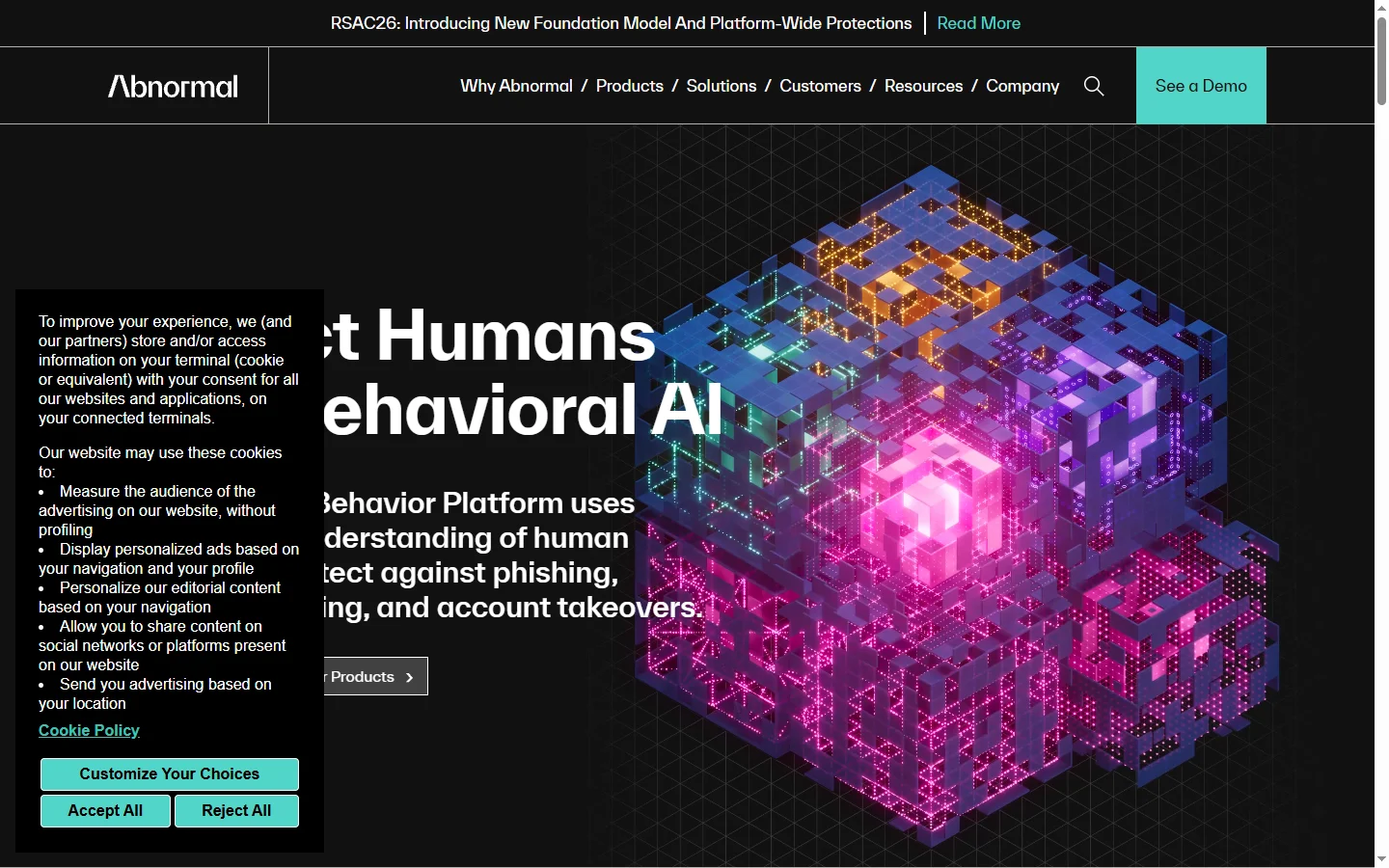
Abnormal AI uses behavioral AI to detect business email compromise, account takeover, and socially engineered phishing that bypasses secure email gateways.
Abridge AI
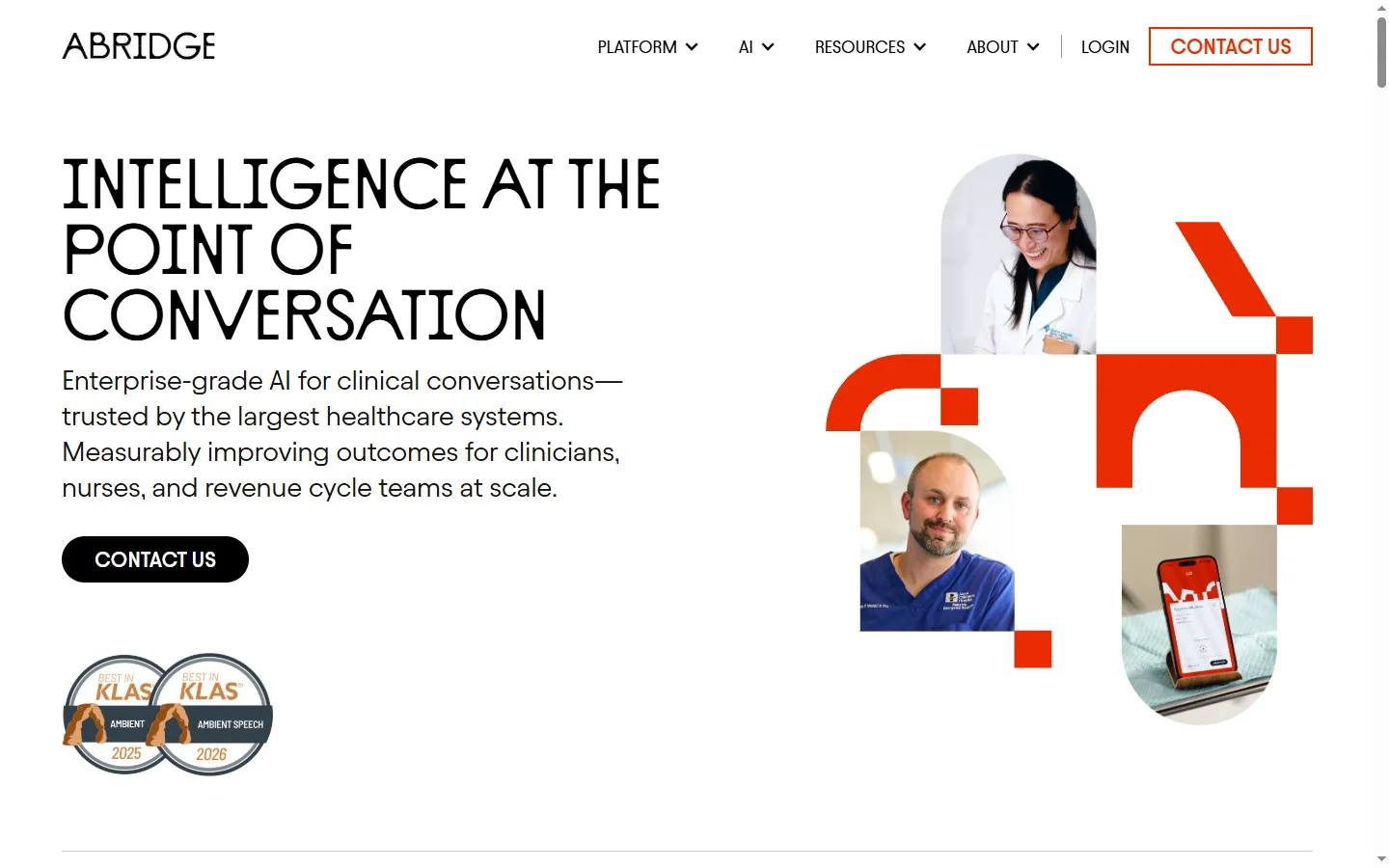
Abridge AI medical documentation platform that records and summarizes clinical conversations into structured physician notes in real time.

Air AI
Air AI conducts autonomous full-length AI phone calls for sales prospecting, appointment setting, and customer service without human agents.