
Kindred AI
Freemium ✓ VerifiedKindred AI is an AI companion app offering emotional support, journaling, and reflective conversations with empathetic AI personalities trained for mental wellbeing.
📋 About Kindred AI
Kindred AI is an emotional wellbeing companion app that uses large language models tuned for empathetic, reflective conversation to give users a safe, judgment-free space to journal, vent, and work through thoughts and feelings. Unlike generic chatbots that prioritize productivity, kindred ai is built around mental wellbeing best practices — active listening, open-ended questioning, validation, and gentle reframing — so conversations feel supportive rather than transactional. The app is positioned as a self-help and reflection tool rather than a replacement for professional therapy, and it includes safeguards and referrals for crisis situations.
The app combines a conversational AI companion with structured journaling, mood tracking, guided exercises drawn from cognitive behavioral therapy (CBT) and mindfulness practices, and reflection prompts. Users can choose different companion personalities — a warm listener, a practical coach, a philosophical guide — to match their mood and needs. Over time, the kindred ai assistant learns what users have shared, tracks mood patterns, and surfaces insights like recurring themes or stressors. Conversations are end-to-end encrypted and users control what is stored or deleted.
Kindred AI appeals to a broad audience seeking accessible, always-available mental wellness support: busy professionals who need to process stress between meetings, students dealing with anxiety, people in transition periods like breakups or career changes, and anyone who journals regularly and wants an interactive companion. The app is explicit that it is not a medical device and not a substitute for licensed therapists, but many users find it a meaningful supplement — available at 3 AM when a therapist is not, and helpful for processing day-to-day stresses that never quite reach the bar for professional care.
⚡ Key Features of Kindred AI
Empathetic AI Companion
The kindred ai companion is tuned specifically for reflective conversation using techniques like active listening, open-ended questioning, validation, and gentle reframing drawn from counseling and coaching practices. Rather than offering quick solutions, it encourages users to explore their own thoughts and feelings at their own pace. Conversations are designed to feel supportive and non-judgmental — the opposite of a productivity assistant's clipped helpfulness. Users can choose from multiple companion personalities to find one that matches their preferred interaction style.
Guided Journaling and Reflection
Structured journaling templates and AI-generated prompts help users reflect on their day, process difficult emotions, or explore specific topics like relationships, career, or self-worth. The assistant responds to entries with reflective questions rather than advice, helping users deepen self-awareness. Over time, journaling patterns build a personal archive users can revisit to see how they have grown or what recurring themes appear. Entries can be private from the AI if users prefer pure solo reflection.
Mood Tracking and Insights
Daily mood check-ins build a visual timeline of emotional patterns, correlating mood with sleep, journaling topics, and life events the user shares. The kindred ai assistant surfaces insights — such as noticing that Sunday evenings tend to feel anxious, or that certain people come up in low-mood days — without drawing clinical conclusions. These patterns give users data to bring to conversations with therapists or friends, or to inform their own lifestyle changes. Insights are framed as observations, not diagnoses.
CBT and Mindfulness Exercises
Built-in exercises drawn from cognitive behavioral therapy, mindfulness practices, and positive psychology guide users through reframing negative thoughts, grounding during anxiety, and gratitude journaling. The ai companion contextualizes each exercise to the user's current situation rather than delivering generic instructions. These structured tools complement open conversation and give users concrete techniques to practice. Exercise history helps users see which techniques work best for them over time.
Crisis Safeguards and Referrals
Kindred ai includes built-in safeguards that detect signs of acute distress, self-harm ideation, or crisis and respond with appropriate messaging and referrals to professional resources like crisis hotlines. The app is explicit about not being a replacement for therapy or emergency services. Safety guardrails are designed with input from mental health professionals to prioritize user welfare over engagement metrics. Emergency resources are tailored to the user's country where possible.
Privacy and Encryption
Conversations and journal entries are end-to-end encrypted, and users control what is stored, exported, or deleted. Data is not sold, shared with advertisers, or used to train general AI models without explicit consent. This privacy posture is critical for a category where users share deeply personal content, and kindred ai publishes its data practices transparently. Users can export their full history at any time for portability.
Personality and Tone Customization
Users choose from multiple companion personalities — a warm empathic listener, a practical coaching voice, a reflective philosophical guide — to match their current mood or preferred style. Tone and response length are adjustable, so users who want brief affirmations get short responses and those who want deep conversation get longer exchanges. This customization makes the assistant feel less like a generic chatbot and more like a companion tuned to their needs. Personalities can be switched at any time without losing context.
🎯 Use Cases for Kindred AI
⚖️ Kindred AI Pros & Cons
Advantages
- ✓Designed for emotional wellbeing, not productivity
- ✓Always available, privacy-focused companion
- ✓Structured CBT and mindfulness exercises alongside open chat
- ✓Mood tracking surfaces patterns users can act on
- ✓Free tier accessible without credit card
Drawbacks
- ✗Not a replacement for licensed therapy or emergency services
- ✗Effectiveness varies by user — some prefer human connection
- ✗Premium features locked behind a paid subscription
- ✗AI can occasionally miss nuance in deeply complex situations
📖 How to Use Kindred AI
Download the kindred ai app from the App Store or Google Play and create an account.
Complete a brief onboarding that asks about your goals — stress, self-reflection, mood tracking — and choose a companion personality.
Start a conversation or journal entry whenever you want to process thoughts, vent, or explore a specific topic.
Use the daily mood check-in to build a timeline of emotional patterns over time.
Try the guided CBT or mindfulness exercises when you want structured techniques rather than open conversation.
Review weekly insights and themes the kindred ai companion surfaces to notice patterns and plan self-care.
❓ Kindred AI FAQ
Kindred ai is an AI companion app focused on emotional wellbeing, offering empathetic conversations, guided journaling, mood tracking, and CBT and mindfulness exercises for self-reflection and support.
No. Kindred ai is a self-help and reflection tool, not a medical device or therapist. It complements professional mental health care and refers users to crisis resources when needed.
Kindred offers a free tier with daily conversation and journaling limits, plus a paid subscription typically around $10 to $15 per month that unlocks unlimited conversations, advanced exercises, and insights.
Yes. Conversations and entries are end-to-end encrypted, data is not sold or shared with advertisers, and users can delete their history at any time. Review the current privacy policy for full details.
The app includes safeguards that detect distress and provide crisis hotline referrals, but it is not a replacement for emergency services. In a crisis, please contact local emergency services or a crisis hotline directly.
Related to Kindred AI

15.ai
15.ai is a free AI voice cloning tool famous for generating realistic speech from cartoon, video game, and animated show characters using as little as 15 seconds of source audio.

Abby AI
Abby AI is an AI therapy and mental wellness chatbot that offers CBT-informed conversations, mood tracking, and self-guided coping tools.

Ace AI
Ace AI is an AI-powered interview and career coach that helps job seekers prepare with mock interviews, resume feedback, and personalized career guidance.

Airship AI
Airship AI provides video intelligence and data management solutions that use AI to search, analyze, and secure large-scale video evidence.
Featured on WhatIf.ai
Add this badge to your website to show you're listed on WhatIf AI
Alternatives to Kindred AI
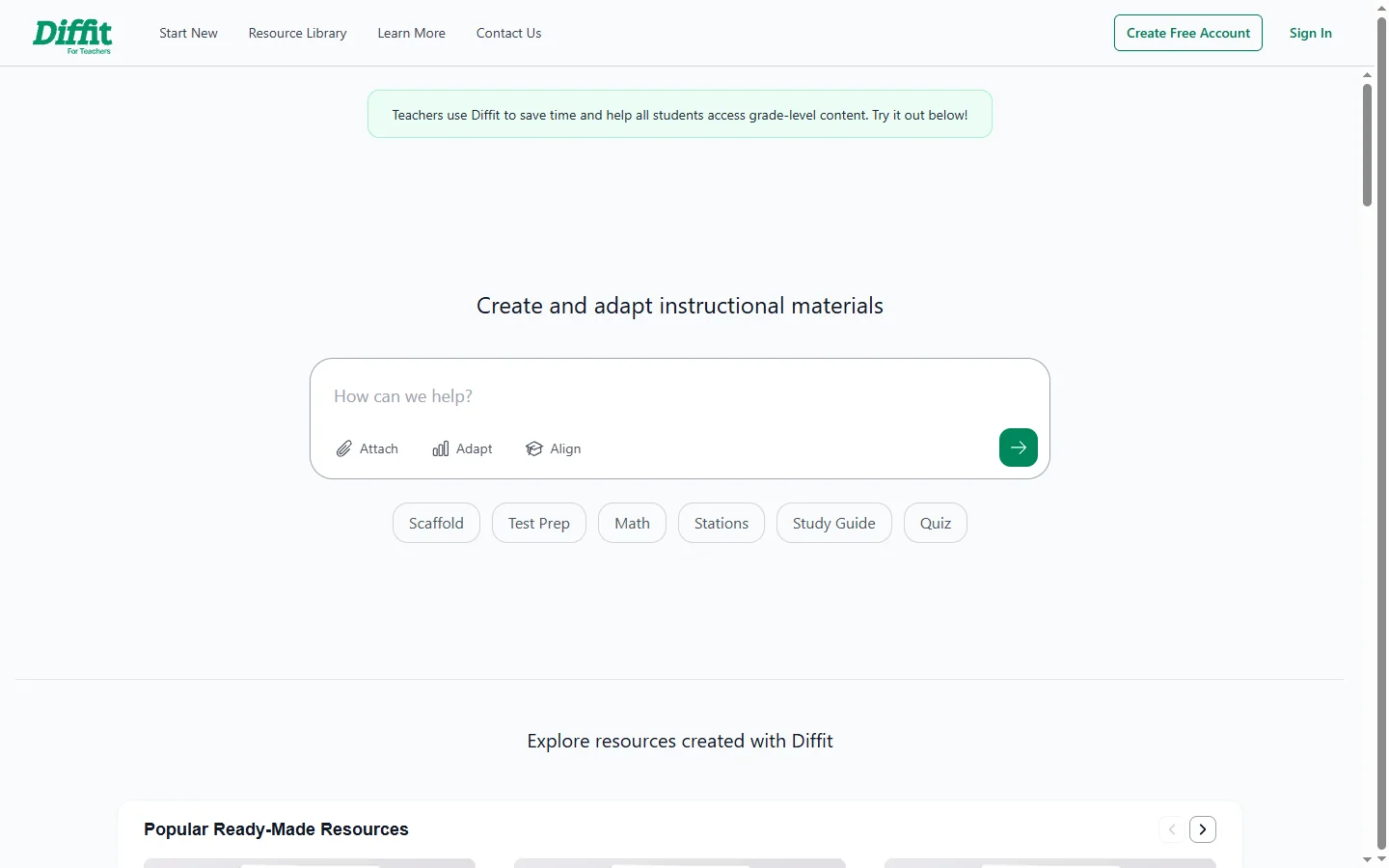

Diffit AI
Diffit AI is a free educational tool that generates differentiated reading materials, quizzes, and vocabulary supports from any topic or source for classroom use.

Inspirit AI
Inspirit AI is an AI education platform offering courses, hands-on projects, and mentorship programs for students learning machine learning and AI.

StudyFetch AI
StudyFetch AI converts course materials into flashcards, quizzes, and AI tutoring sessions to help students study more effectively from their own content.
15.ai
15.ai is a free AI voice cloning tool famous for generating realistic speech from cartoon, video game, and animated show characters using as little as 15 seconds of source audio.