
Juggernaut AI
Freemium ✓ Verified 🔥 TrendingJuggernaut AI is a high-quality Stable Diffusion image model renowned for photorealistic portraits, cinematic lighting, and detailed character renders.
📋 About Juggernaut AI
Juggernaut AI is a widely used family of fine-tuned Stable Diffusion image generation models maintained by RunDiffusion that has become one of the most popular community-trained checkpoints for photorealistic image synthesis. Built on top of Stable Diffusion XL and subsequent base models, Juggernaut has been tuned on curated datasets to excel at photorealistic portraits, cinematic lighting, skin detail, fashion photography, and character art that avoids the plastic, over-smoothed look common to less-tuned image models. Successive versions have become de facto standards in the Stable Diffusion community for creators who want cinematic quality without drifting into obvious AI artifact territory.
Juggernaut is distributed both as downloadable model weights for local use in ComfyUI, Automatic1111, or Forge, and as a hosted option inside RunDiffusion's cloud platform for users who do not want to manage GPU infrastructure. The model plays well with popular ControlNet, IP-Adapter, and LoRA extensions, which makes it the backbone of many production creative workflows combining pose control, style adaptation, and character consistency. Juggernaut XL, Juggernaut X, and more recent editions have progressively improved adherence to complex prompts, hand generation, and compositional coherence across scenes.
Juggernaut AI primarily serves advanced generative art creators — concept artists, photographers, game designers, fashion creatives, and indie content producers — who want higher fidelity than default Stable Diffusion models produce without the closed-tool compromises of Midjourney or DALL-E. The model is free to download for personal use under Stability AI's community license, with commercial use covered under RunDiffusion's partnership licensing. Its combination of image quality, extension compatibility, and availability has cemented its place as a core tool in the open-source generative art ecosystem.
⚡ Key Features of Juggernaut AI
Photorealistic Portrait Quality
Juggernaut has been fine-tuned specifically to excel at photorealistic human portraits, handling skin texture, eye detail, hair strand realism, and realistic lighting better than most generic Stable Diffusion checkpoints. This has made it a go-to model for fashion creatives, character artists, and photographers who need studio-quality portrait output without the plastic artifacting common to untuned models.
Cinematic Lighting and Atmosphere
Trained on curated cinematic imagery, Juggernaut produces dramatic lighting, volumetric atmospherics, and film-like color grading on appropriate prompts without requiring heavy post-processing. Creators working in concept art, storyboarding, and visual development use this to produce shot-like images for pitches and mood boards. The model is especially strong at evocative low-key lighting and golden-hour exteriors.
Compatibility with Extensions
Juggernaut works cleanly with ControlNet for pose and composition control, IP-Adapter for style or character reference, and LoRAs for custom subject or style augmentation. This makes it the backbone of production workflows that combine multiple conditioning techniques — a character LoRA plus an OpenPose ControlNet plus IP-Adapter for outfit reference — rather than a single-shot prompt tool.
Multiple Model Versions
The Juggernaut family includes SDXL, Juggernaut X, and more recent versions tuned on updated base models, each with distinct strengths. Users can select the version that matches their workflow — older SDXL variants for proven extension compatibility, newer versions for improved prompt adherence and hand generation. This long-running version history makes the model ecosystem resilient and lets creators stick with the version that suits their pipeline.
Downloadable Weights for Local Use
Model weights are distributed freely through Hugging Face and Civitai for local use in ComfyUI, Automatic1111, Forge, and other Stable Diffusion UIs. This lets advanced creators run inference locally without per-image costs, iterate quickly with low latency, and keep generated content fully private. Local use is free under the community license for personal and noncommercial projects.
Hosted Option via RunDiffusion
For users without suitable local GPUs, RunDiffusion offers hosted access to Juggernaut on cloud hardware through its platform, with commercial licensing bundled. This is the preferred path for creators who do not want to manage GPU infrastructure or who need commercial rights for client work. Hosted access provides the same model quality as local inference without the operational overhead.
🎯 Use Cases for Juggernaut AI
⚖️ Juggernaut AI Pros & Cons
Advantages
- ✓Top-tier photorealistic portrait and cinematic quality
- ✓Free to download for personal use with an active community
- ✓Excellent compatibility with ControlNet, IP-Adapter, and LoRAs
- ✓Multiple versions available for different workflows
- ✓Hosted option available through RunDiffusion for commercial use
Drawbacks
- ✗Requires a capable GPU for local inference
- ✗Commercial use requires licensing through RunDiffusion
- ✗Not a turnkey tool — best with some Stable Diffusion knowledge
- ✗Model size means slower generation than smaller checkpoints
📖 How to Use Juggernaut AI
Visit juggernautai.art or Civitai to review current Juggernaut versions and select the one that fits your workflow.
Download the model weights from Hugging Face or Civitai and place them in your Stable Diffusion UI's checkpoints folder.
Load Juggernaut as the base model in ComfyUI, Automatic1111, or Forge, and pair it with an appropriate VAE.
Start with recommended sampler and CFG settings from the model card, then iterate on prompts to match your creative intent.
Add ControlNet for pose or composition control, LoRAs for custom subjects or styles, and IP-Adapter for style or face reference.
For commercial work or hosted access without local GPU, use Juggernaut through the RunDiffusion platform under their licensing.
❓ Juggernaut AI FAQ
Yes. The model weights are free to download for personal use under Stability AI's community license. Commercial use typically requires licensing through RunDiffusion, which distributes and maintains the Juggernaut family.
Juggernaut is a fine-tuned variant of Stable Diffusion, initially on SDXL and more recent versions on subsequent base models. It is a community checkpoint tuned specifically for photorealistic quality, cinematic lighting, and portrait fidelity.
Yes, if you have a capable GPU — typically 8 GB of VRAM or more is recommended for SDXL-based versions. Local inference runs in any major Stable Diffusion UI including ComfyUI, Automatic1111, and Forge.
Midjourney is a closed hosted service with a distinctive aesthetic and tight integration with Discord. Juggernaut is an open model you can run locally or through RunDiffusion, with deep extension compatibility that supports more technical control over output. Creative professionals often use both depending on the job.
For established workflows and extension compatibility, Juggernaut XL remains a strong choice. For the latest quality improvements in prompt adherence and hand generation, newer versions like Juggernaut X or later are worth evaluating. The model card for each version documents recommended settings and strengths.
Related to Juggernaut AI

15.ai
15.ai is a free AI voice cloning tool famous for generating realistic speech from cartoon, video game, and animated show characters using as little as 15 seconds of source audio.

Abby AI
Abby AI is an AI therapy and mental wellness chatbot that offers CBT-informed conversations, mood tracking, and self-guided coping tools.
Airship AI
Airship AI provides video intelligence and data management solutions that use AI to search, analyze, and secure large-scale video evidence.

Angel AI
Angel AI is an AI companion and mental wellness chatbot that provides supportive conversations, journaling prompts, and daily check-ins.

Ani AI
Ani AI is an AI companion and anime-style virtual girlfriend chatbot, best known as the Ani character inside xAI's Grok app.

Aragon AI
Aragon AI professional headshot generator that creates studio-quality portrait photos from uploaded selfies using a personalized AI model.
Featured on WhatIf.ai
Add this badge to your website to show you're listed on WhatIf AI
Alternatives to Juggernaut AI
Aragon AI
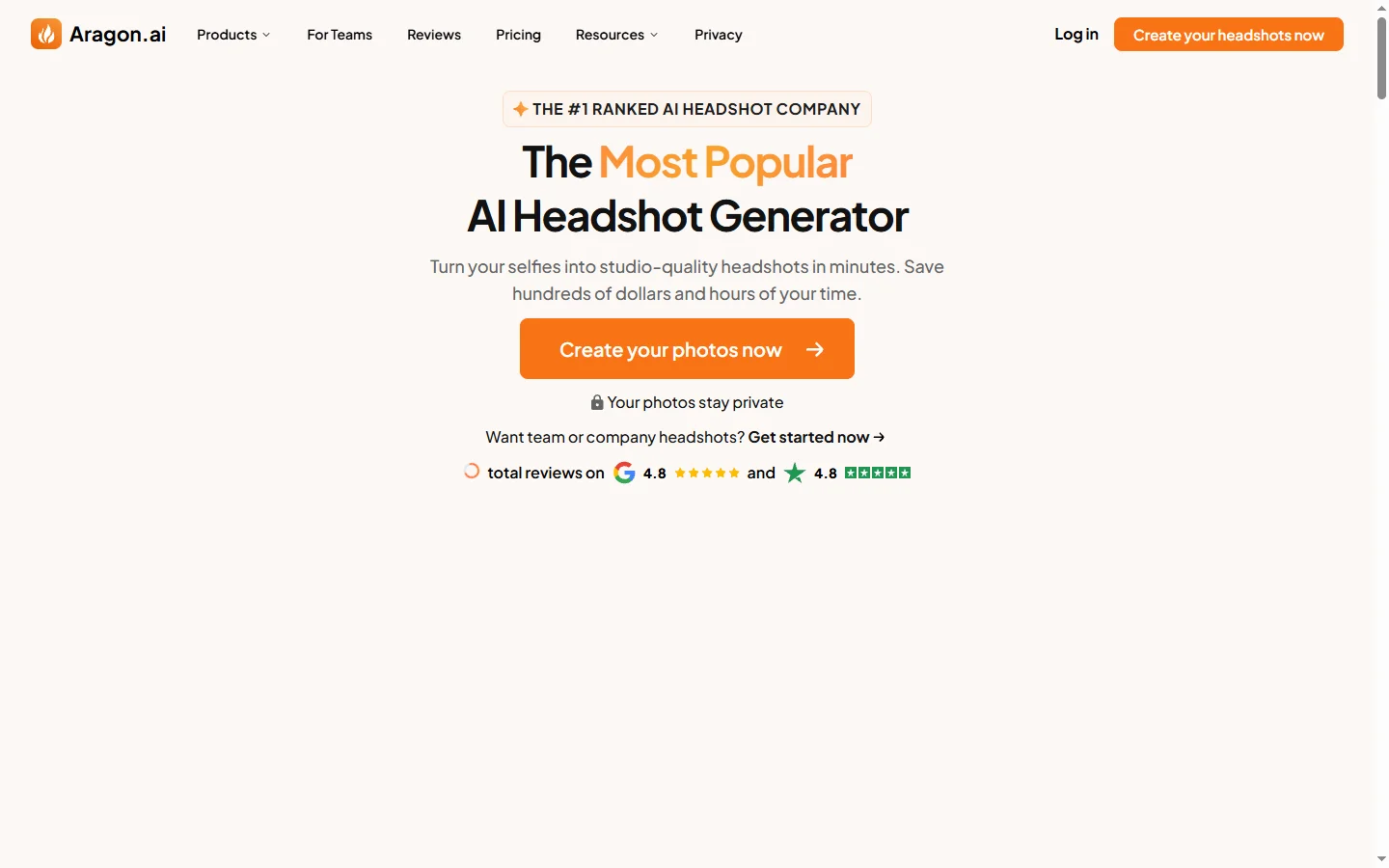
Aragon AI professional headshot generator that creates studio-quality portrait photos from uploaded selfies using a personalized AI model.

ArtGuru AI
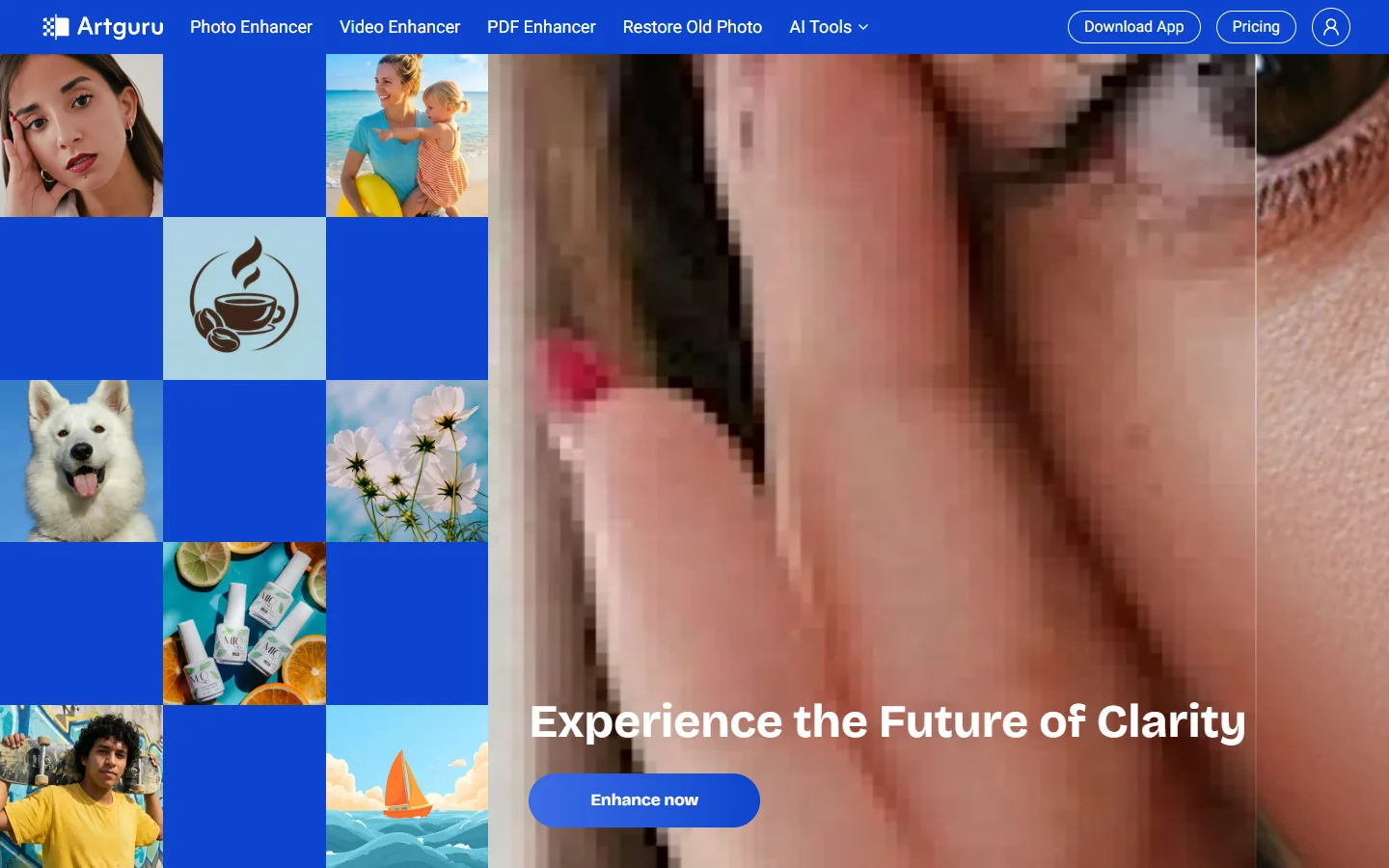
ArtGuru AI generates images from text prompts in a wide range of artistic styles, with additional tools for face enhancement, background removal, and image upscaling.
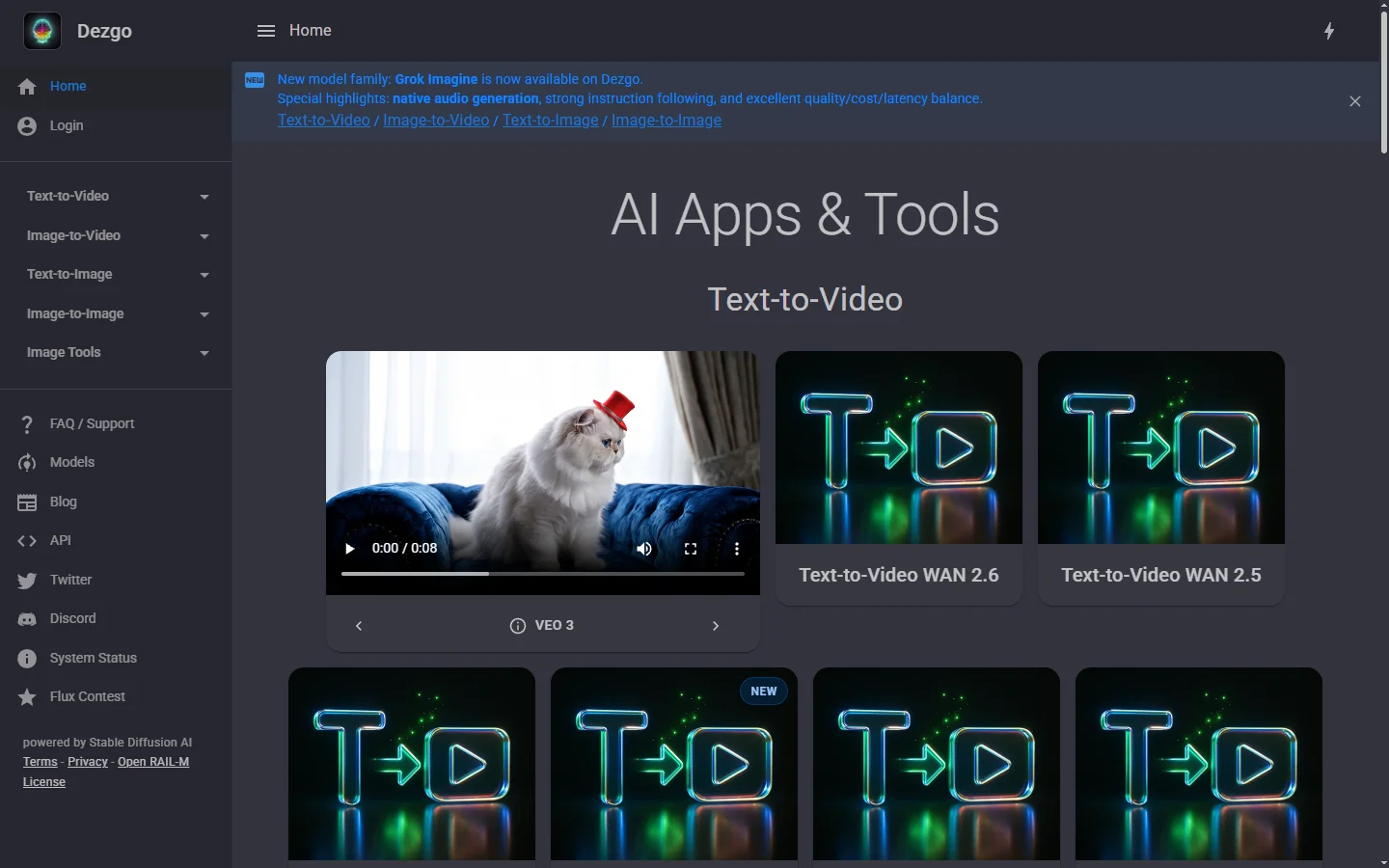
Dezgo AI
Dezgo AI is a free text-to-image generator powered by Stable Diffusion models, offering multiple model options and image editing tools in the browser.
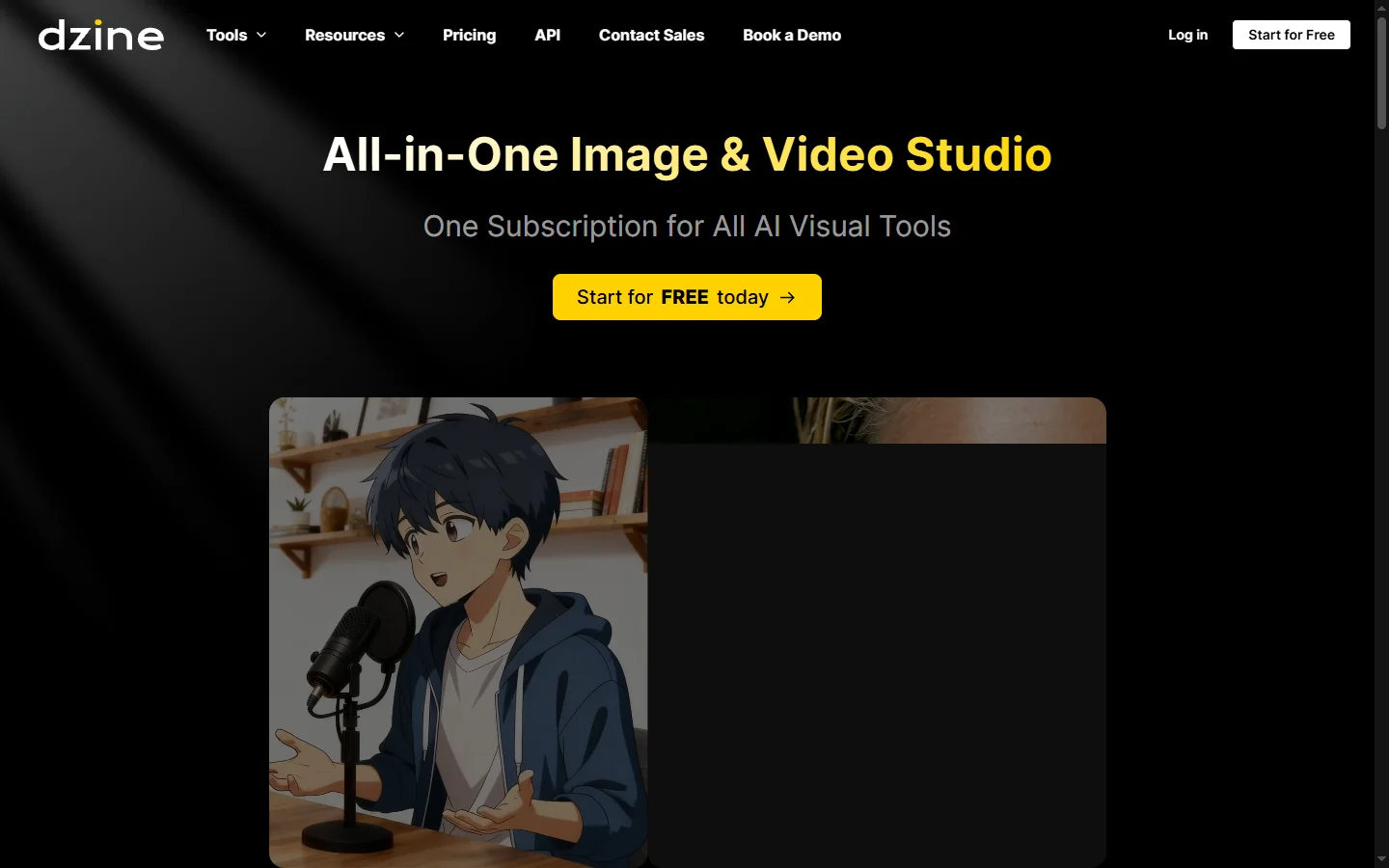
Dzine AI
Dzine AI graphic design platform that combines AI image generation with templates and design tools for ready-to-use marketing visuals.