
Dash AI
Freemium ✓ Verified 🔥 TrendingDash AI is an AI-powered codebase assistant that answers engineering questions and writes code grounded in your team's actual repositories.

📋 About Dash AI
Dash AI is a developer-focused AI assistant that plugs into a team's Git repositories, internal documentation, and issue trackers to answer engineering questions grounded in the organization's actual codebase. Unlike general coding assistants that produce plausible-looking code using broad training data, dash ai pulls context directly from the team's own files, so suggestions match existing patterns, use real internal APIs, and reflect actual business logic. This makes the output immediately useful rather than needing heavy rewriting to fit the codebase.
The assistant supports several modes: a chat interface for asking questions about the code, an IDE companion for inline suggestions while editing, and a code-review mode that comments on pull requests with grounded feedback. Dash AI retrieves relevant files, tests, and documentation for each query, and surfaces them alongside its answer so developers can verify the reasoning. This transparency is especially useful when onboarding engineers to unfamiliar services or debugging legacy code that no one fully understands anymore.
Dash AI is built for engineering teams at growth-stage startups and mid-market companies where new hires face steep codebase learning curves and institutional knowledge lives in scattered Slack threads. By acting as a persistent, indexed memory of the codebase, the tool reduces the burden on senior engineers to answer repetitive questions and shortens ramp time for new team members. Enterprise deployments include SSO, audit logging, and per-repo access controls matching the team's existing security posture.
⚡ Key Features of Dash AI
Codebase-Grounded Answers
Dash ai indexes your team's repositories and answers questions using your actual code, tests, and documentation rather than generic training data. Suggestions reflect real internal APIs, naming conventions, and business logic so developers receive usable output rather than plausible-looking fiction. Every answer surfaces the specific files and functions used as context so engineers can verify the reasoning. This grounding is the single most important differentiator from general coding assistants.
IDE Companion
An IDE extension provides inline suggestions, refactoring help, and contextual explanations while coding, pulling from the indexed codebase rather than just the open file. Developers get autocomplete that matches team conventions and idioms rather than generic patterns. The companion works in common editors used by professional engineering teams. Staying in the IDE removes context-switch friction that kills adoption of external assistants.
Grounded Pull Request Review
Dash ai comments on pull requests with feedback grounded in the codebase's conventions, test coverage, and historical decisions, not just general best practices. Reviews catch missing tests, inconsistencies with sibling files, and potentially broken cross-service assumptions. Senior engineers get an automated first-pass that handles the mechanical parts of review so they can focus on architecture and business logic. Code quality rises without adding reviewer workload.
Repository and Documentation Indexing
Index Git repositories alongside internal documentation, runbooks, architecture decision records, and issue trackers so dash ai can answer cross-cutting questions like "why do we use this pattern?" by referencing both code and the decision documents behind it. Institutional knowledge that previously lived in a senior engineer's head becomes queryable. This is especially valuable for distributed teams and for projects where original authors have moved on.
Custom Onboarding Playbooks
Build onboarding playbooks that guide new engineers through a codebase with dash ai as their tutor, answering specific questions about each area they explore. New hires productive in weeks instead of months because they get immediate, contextual answers without interrupting senior staff. Playbooks can be versioned and refined over time as the codebase evolves. This is a meaningful operational win for fast-growing engineering teams.
Enterprise Security Controls
Dash AI supports SSO, per-repository access controls, audit logging, and private deployment options that match the security posture of enterprise engineering organizations. Administrators control which repositories and documentation dash ai indexes and which users can query which scopes. Audit trails record every query and response for compliance reviews. This makes the platform viable for regulated and security-sensitive teams.
🎯 Use Cases for Dash AI
⚖️ Dash AI Pros & Cons
Advantages
- ✓Answers grounded in your actual codebase and docs
- ✓IDE companion minimizes context switches
- ✓Automated PR review catches routine issues
- ✓Strong security posture for enterprise teams
- ✓Onboarding and institutional knowledge preservation
Drawbacks
- ✗Initial indexing takes time on large codebases
- ✗Free tier limits repository count and query volume
- ✗Quality depends on codebase organization and documentation
- ✗Not designed for solo developers working on public open-source
📖 How to Use Dash AI
Sign up at getdash.ai and connect your Git repositories through the appropriate integration.
Let the initial indexing complete — timing depends on repository size.
Install the IDE extension in your team's preferred editors.
Connect internal documentation and ADR repositories to broaden context.
Start asking questions in the chat interface or use inline IDE suggestions while coding.
Enable automated PR review on repositories where you want first-pass feedback.
❓ Dash AI FAQ
Dash ai offers a free tier with limited repository count and query volume. Paid plans support additional repositories, team seats, and enterprise security features.
Dash AI does not use customer code to train its underlying models. Code is used only to answer queries from authorized users within your organization.
Dash AI provides extensions for common IDEs used by professional engineering teams. Specific IDE support is listed on the website and updated over time.
Yes. Dash ai can be enabled as an automated PR reviewer that comments on code grounded in the repository's conventions, test coverage, and history.
Engineering teams at growth-stage startups and mid-market companies where institutional knowledge is scattered and new hires face steep codebase learning curves benefit most.
Related to Dash AI

A2E AI
A2E AI productivity platform converts audio and video recordings into transcripts, summaries, and action items with speaker identification.

Abnormal AI
Abnormal AI uses behavioral AI to detect business email compromise, account takeover, and socially engineered phishing that bypasses secure email gateways.

Abridge AI
Abridge AI medical documentation platform that records and summarizes clinical conversations into structured physician notes in real time.

Accrete AI
Accrete AI builds autonomous enterprise AI agents for defense, government, and commercial intelligence workflows.

Coda AI
Coda AI brings generative AI directly into Coda docs, enabling writing, data transformation, and custom AI blocks in one flexible workspace.

Foundation AI
Foundation AI is an enterprise platform for building, deploying, and governing custom large language model applications with retrieval and tools.
Featured on WhatIf.ai
Add this badge to your website to show you're listed on WhatIf AI
Alternatives to Dash AI
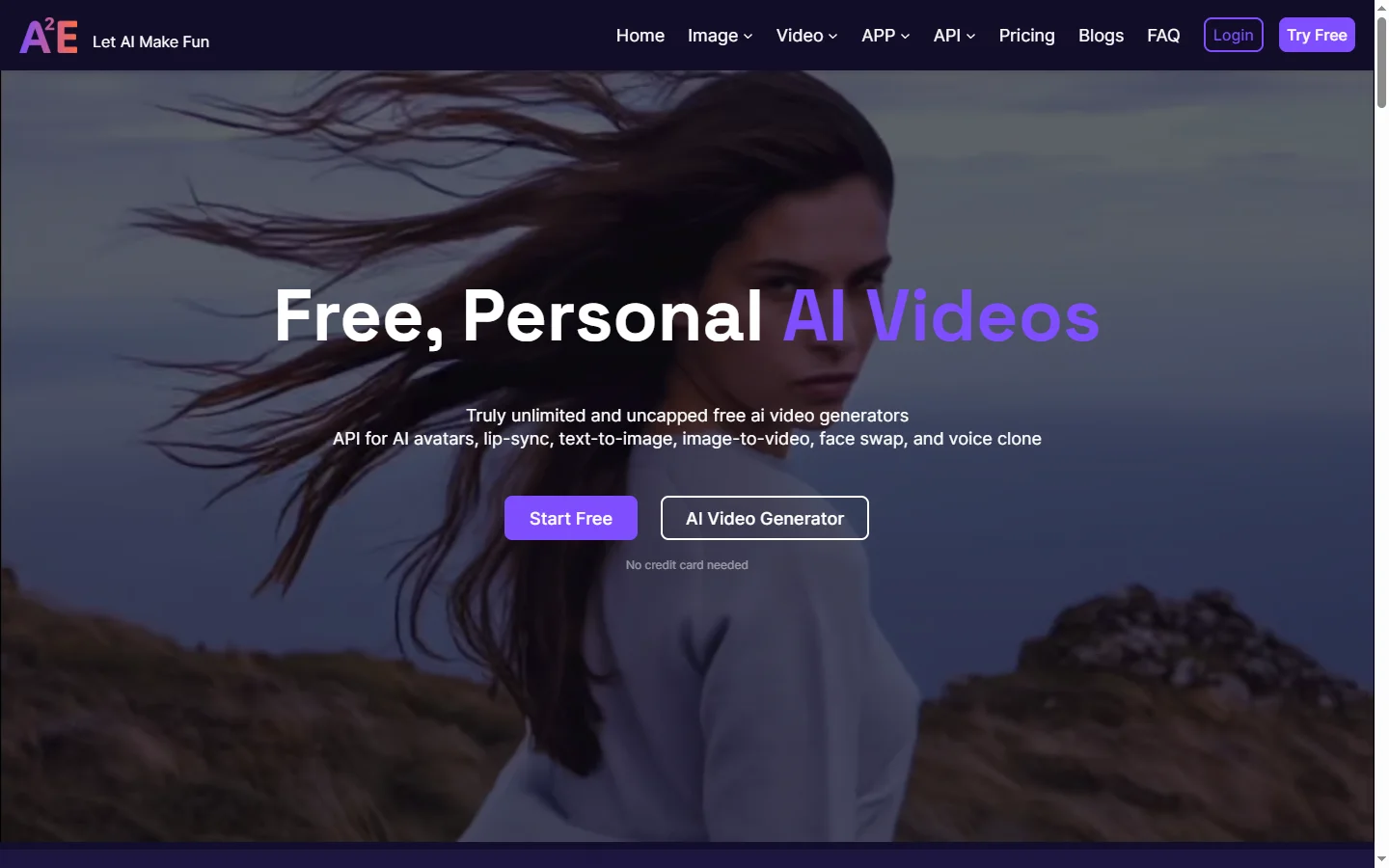
A2E AI
A2E AI productivity platform converts audio and video recordings into transcripts, summaries, and action items with speaker identification.
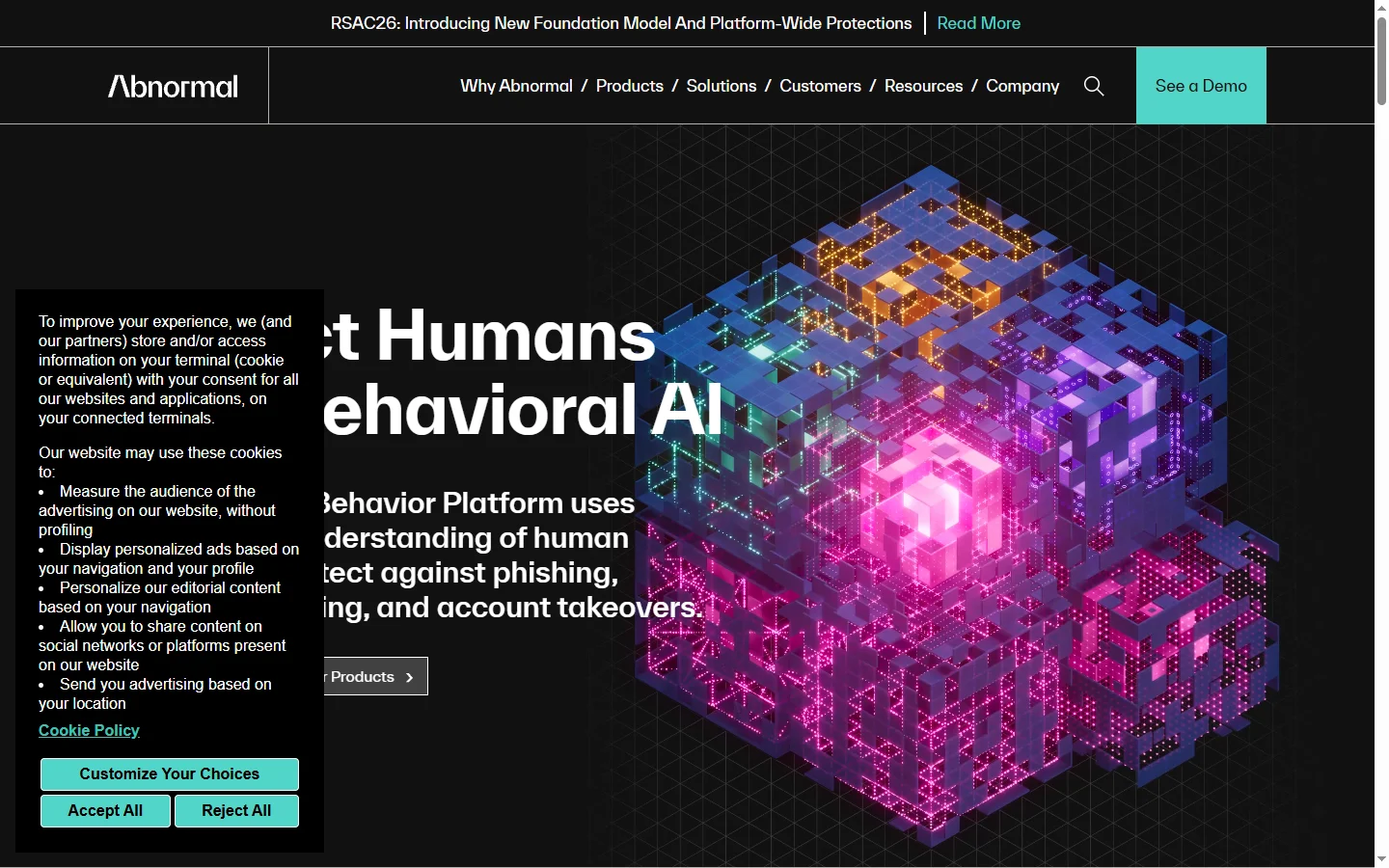
Abnormal AI
Abnormal AI uses behavioral AI to detect business email compromise, account takeover, and socially engineered phishing that bypasses secure email gateways.
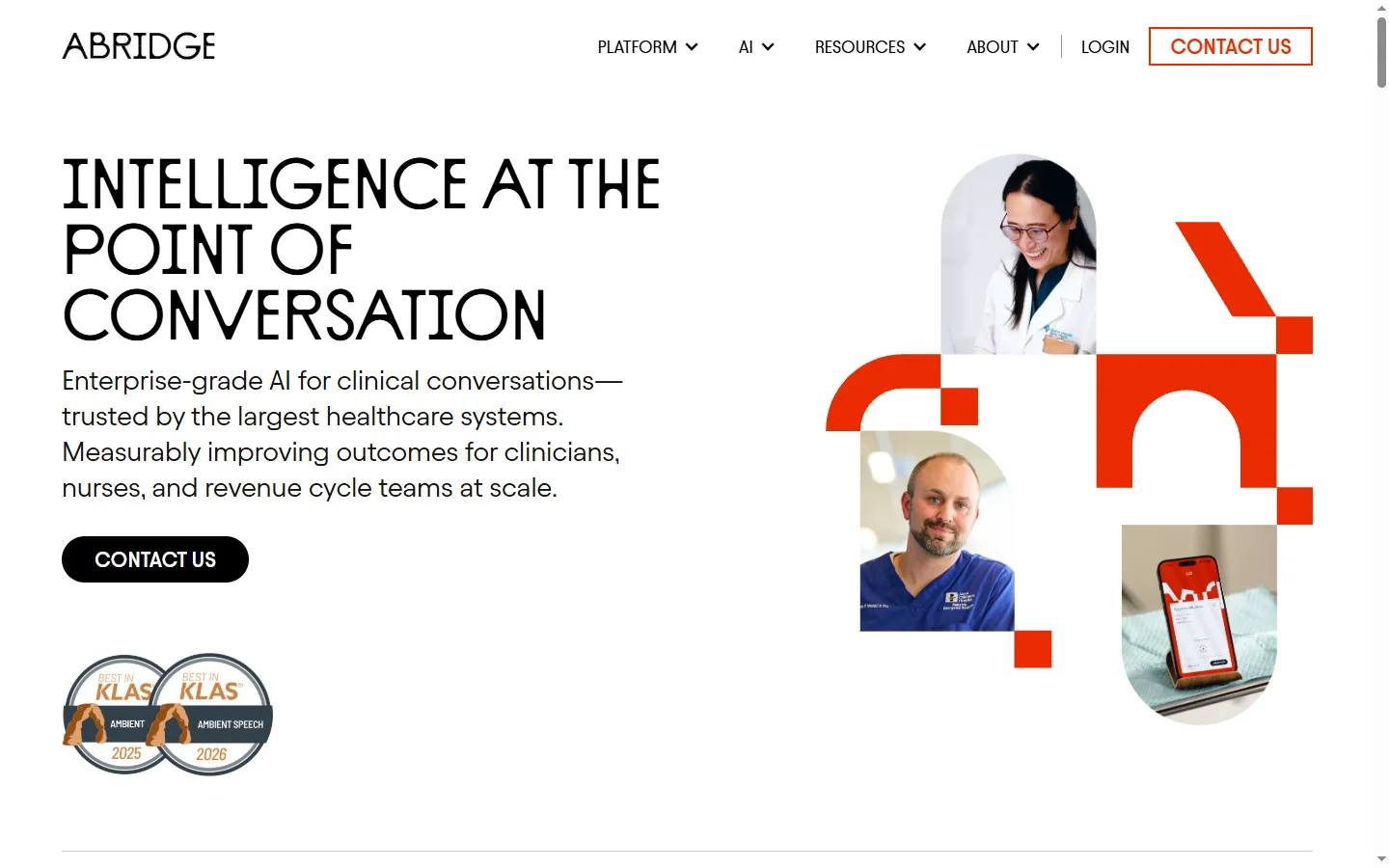
Abridge AI
Abridge AI medical documentation platform that records and summarizes clinical conversations into structured physician notes in real time.

Air AI
Air AI conducts autonomous full-length AI phone calls for sales prospecting, appointment setting, and customer service without human agents.