
Contrast AI
PaidContrast AI is an AI-powered application security platform that detects and prevents vulnerabilities in code and running applications in real time.
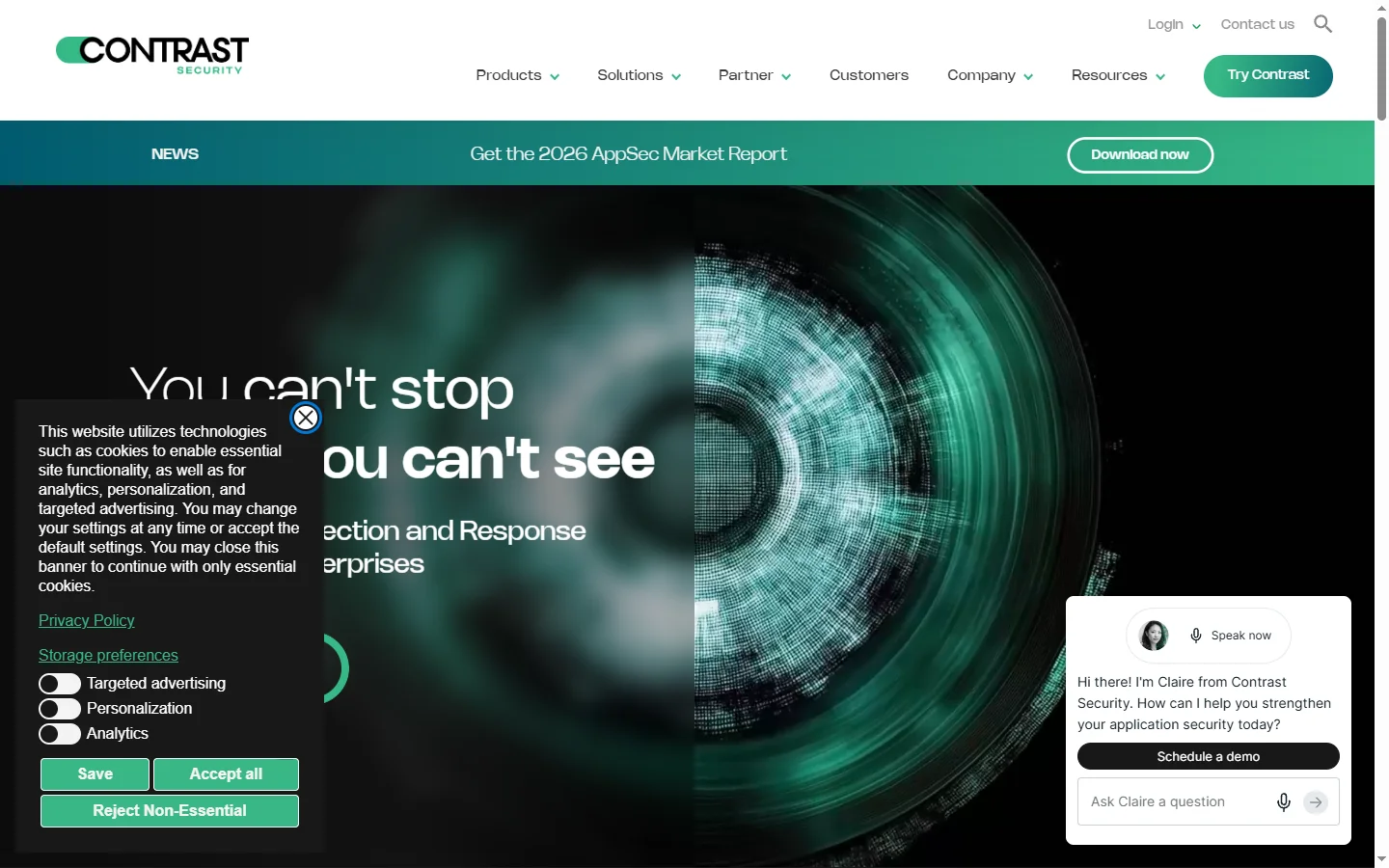
📋 About Contrast AI
Contrast AI is the AI-driven application security platform from Contrast Security that combines static analysis, runtime protection, and software composition analysis into a unified product. It uses machine learning and large language models to prioritize vulnerabilities, reduce false positives, and suggest targeted remediations. Unlike traditional SAST tools that flag thousands of findings, Contrast AI focuses on the vulnerabilities that are actually exploitable in the running application.
The platform instruments the application itself with a lightweight agent that observes both code and runtime behavior, enabling interactive application security testing. This runtime context lets Contrast confirm whether a potential vulnerability is reachable, exploitable, and connected to untrusted input, dramatically cutting the noise that plagues traditional scanners. Runtime Application Self-Protection extends the same visibility into production, blocking exploit attempts on live workloads. Open source dependency analysis rounds out the product with CVE detection and license governance.
Contrast AI serves enterprise security and engineering teams that need to shift security left without drowning developers in low-value alerts. Typical customers include financial services, healthcare, and technology organizations running modern application portfolios. The platform integrates with CI/CD pipelines, developer IDEs, ticketing tools, and major cloud providers. Pricing follows an enterprise subscription model based on applications protected and feature modules enabled, with options for on-premises, cloud, and hybrid deployments.
⚡ Key Features of Contrast AI
Runtime Vulnerability Detection
An instrumentation agent runs inside the application, observing code execution and data flow to detect vulnerabilities with runtime context. This interactive approach confirms whether a finding is actually reachable and exploitable, unlike purely static scans. Developers get fewer but more actionable findings. The agent is designed to have minimal performance impact.
AI-Powered Triage and Prioritization
Machine learning and LLM-based analysis rank findings based on exploitability, business risk, and code context. This cuts the triage burden that consumes AppSec teams using legacy SAST tools. Developers see a short list of high-priority issues rather than thousands of noisy alerts. The AI explains why a finding matters and what action is recommended.
Suggested Code Remediations
For many vulnerabilities, Contrast AI suggests specific code changes that remediate the issue, often as inline diffs developers can apply directly in their IDE. This closes the gap between discovering a vulnerability and fixing it. Remediations are generated with awareness of the surrounding code and language idioms. Developer friction is substantially reduced.
Runtime Application Self-Protection
Beyond detection, Contrast can block exploit attempts on production workloads in real time by observing and intervening on malicious traffic. RASP protections reduce the risk that newly disclosed vulnerabilities are weaponized before patches ship. This provides a compensating control during the window between discovery and remediation. Policies are configurable based on risk tolerance.
Software Composition Analysis
Open source dependency analysis identifies CVEs in third-party libraries, tracks license compliance, and flags outdated components. Runtime context from the instrumentation shows which open source code is actually executed, letting teams prioritize real risk over theoretical exposure. This eliminates the false-positive problem common in SCA tools that flag every listed dependency.
DevSecOps Integrations
Pre-built integrations with CI/CD pipelines, ticketing systems, developer IDEs, and major cloud providers make Contrast a natural part of modern engineering workflows. Findings flow into Jira or GitHub as issues, and policies can be enforced at pull request or build time. This embeds security into development rather than bolting it on after the fact. API access supports custom integrations and data export.
🎯 Use Cases for Contrast AI
⚖️ Contrast AI Pros & Cons
Advantages
- ✓Runtime context dramatically reduces false positives
- ✓Combines SAST, IAST, RASP, and SCA in one platform
- ✓AI-suggested remediations accelerate developer fixes
- ✓Broad DevSecOps integrations fit modern pipelines
- ✓Runtime protection covers production workloads
Drawbacks
- ✗Enterprise pricing not accessible for small teams
- ✗Runtime instrumentation requires deployment effort
- ✗Not every language or framework is fully supported
- ✗Some environments resist adding agents for compliance reasons
📖 How to Use Contrast AI
Contact Contrast Security sales to scope your application portfolio and requirements.
Install the runtime agent in non-production environments to begin IAST analysis.
Configure integrations with CI/CD, ticketing, and IDE tools for your engineering team.
Review AI-prioritized findings and triage high-priority issues with developer teams.
Deploy RASP policies in production to block exploit attempts in real time.
Use SCA reporting to manage open source dependencies and license compliance continuously.
❓ Contrast AI FAQ
Contrast AI is the AI-driven application security platform from Contrast Security, combining interactive application security testing, runtime protection, and software composition analysis with machine learning for triage and remediation.
Traditional SAST analyzes source code statically and produces many false positives. Contrast instruments the running application to verify which vulnerabilities are actually exploitable, which dramatically reduces noise and improves developer response rates.
Yes. The RASP module blocks exploit attempts on live workloads in real time, complementing the detection and remediation capabilities of the IAST module.
Pricing follows an enterprise subscription model based on the number of applications protected and the feature modules enabled. Specific pricing is discussed during the sales process.
Contrast supports major server-side languages including Java, .NET, Node.js, Python, Ruby, and Go, among others. Language coverage continues to expand based on customer demand.
Related to Contrast AI

15.ai
15.ai is a free AI voice cloning tool famous for generating realistic speech from cartoon, video game, and animated show characters using as little as 15 seconds of source audio.

Abby AI
Abby AI is an AI therapy and mental wellness chatbot that offers CBT-informed conversations, mood tracking, and self-guided coping tools.

Accrete AI
Accrete AI builds autonomous enterprise AI agents for defense, government, and commercial intelligence workflows.

Ace AI
Ace AI is an AI-powered interview and career coach that helps job seekers prepare with mock interviews, resume feedback, and personalized career guidance.

Actively AI
Actively AI is an AI sales prospecting platform that researches accounts, identifies buyer signals, and writes personalized outbound at pipeline scale.
Airship AI
Airship AI provides video intelligence and data management solutions that use AI to search, analyze, and secure large-scale video evidence.
Featured on WhatIf.ai
Add this badge to your website to show you're listed on WhatIf AI
Alternatives to Contrast AI

Base44 AI
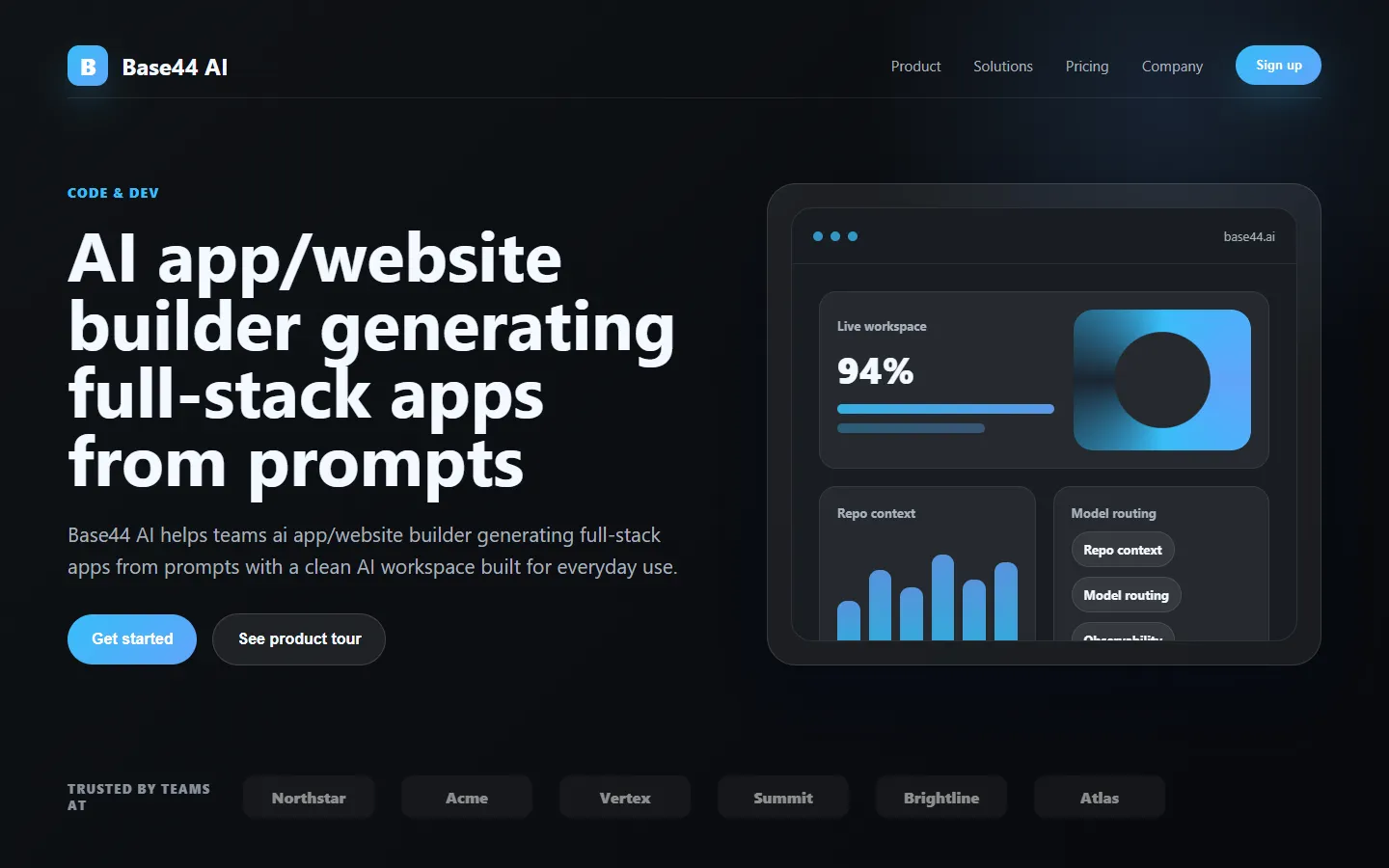
Base44 AI is an AI app builder and website builder that generates full-stack web applications from natural language descriptions with backend, database, and UI included.

Browse AI
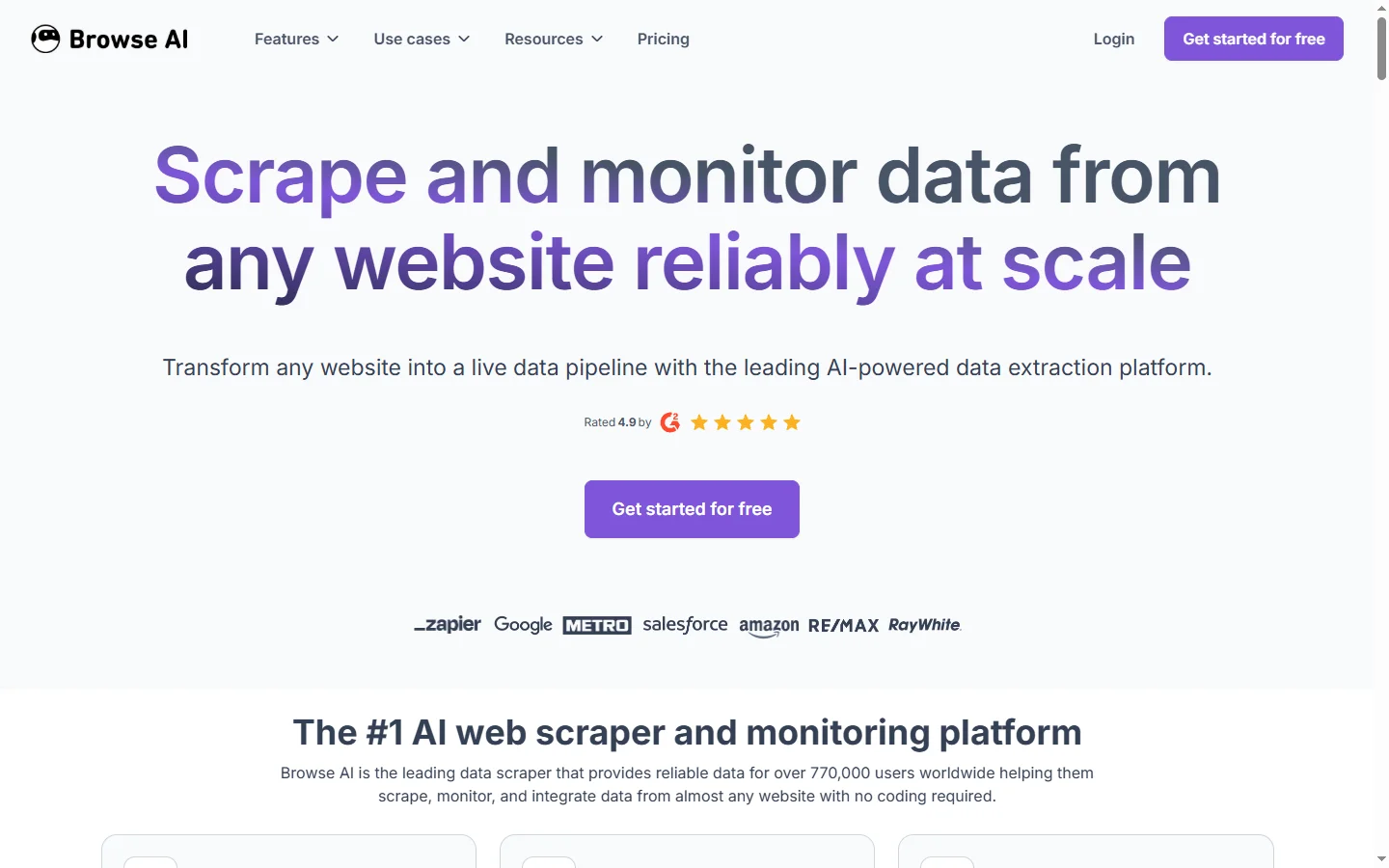
Browse AI is a no-code web scraping and monitoring tool that extracts structured data from any website and tracks changes over time without writing code.

Cantina AI
Cantina AI is a freemium platform for building and deploying full-stack web applications using AI-assisted development with live preview and one-click deployment.

ChatGPT
ChatGPT AI assistant by OpenAI for writing, coding, research, image analysis, and everyday problem-solving.