
August AI
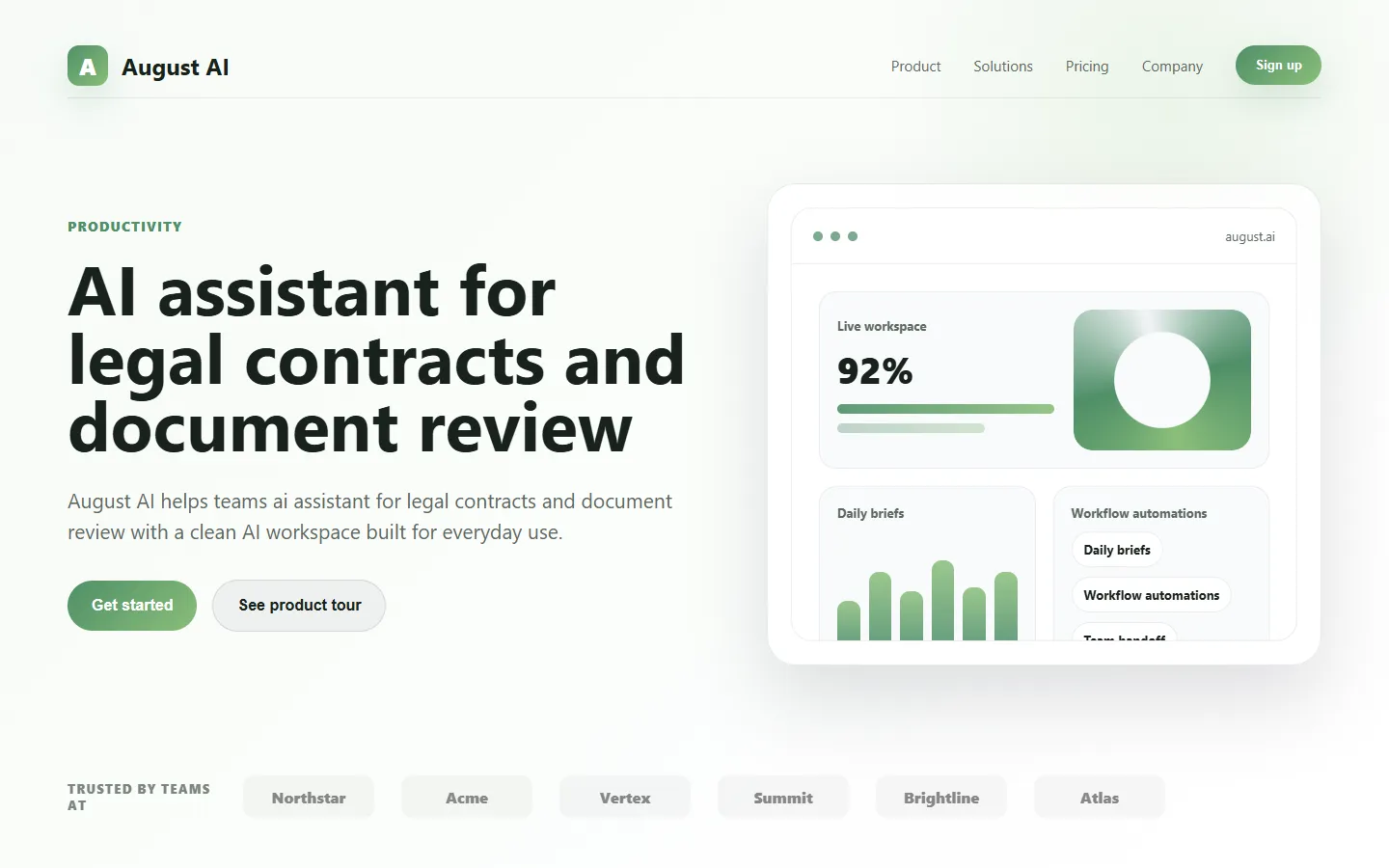
Freemium ✓ Verified 🔥 TrendingAugust AI is a personal health AI that delivers evidence-based answers to medical questions through a conversational chat interface backed by trusted sources.
📋 About August AI
August AI is a consumer health assistant that answers medical and wellness questions through a conversational interface grounded in evidence-based sources. The product differentiates itself from general chatbots by restricting its answer sources to established clinical references, peer-reviewed research, and guidelines from major health bodies rather than synthesizing from the broader web. This approach is intended to reduce hallucinations on high-stakes health topics and give users answers that map cleanly to what their clinician would say.
The chat assistant handles symptom explanations, medication information, condition overviews, lab result interpretation, pre-visit preparation, and general wellness guidance. It explicitly avoids diagnosing or prescribing, instead helping users better understand what they're experiencing and frame productive questions for their doctor. Each answer includes linked citations so users can trace claims back to source material and discuss findings with clinicians. Multilingual support and plain-language summaries make health information more accessible.
August AI serves consumers navigating everyday health questions, patients preparing for appointments, caregivers researching conditions on behalf of family members, and people in regions with limited access to primary care. The platform targets the middle ground between searching symptoms on generic search engines and scheduling an appointment for every question. Strict safety guardrails redirect users to emergency services or professional care when appropriate rather than attempting to handle urgent situations conversationally.
⚡ Key Features of August AI
Evidence-Grounded Health Answers
August AI restricts its answer sources to established medical references, peer-reviewed research, and guidelines from recognized health authorities rather than synthesizing from open-web content. This reduces hallucinations on clinically important topics and produces answers consistent with what a clinician would say. Every claim links back to the specific source so users and clinicians can verify. The result is health information users can actually act on responsibly.
Symptom Explanation and Triage
Users describe what they are experiencing in plain language and August AI explains common and serious possible causes, practical self-care steps where appropriate, and clear markers for when to seek care. The assistant explicitly avoids diagnosing and never replaces professional evaluation for worrying symptoms. Red-flag scenarios automatically trigger guidance to call emergency services or seek urgent care. This turns uncertainty into informed action rather than unnecessary panic or dangerous delay.
Medication Information
Look up medications to understand what they treat, common side effects, important interactions, and questions to ask your pharmacist or prescriber. Information is sourced from authoritative drug databases and tailored for patient comprehension rather than clinical prescribing detail. The assistant handles both prescription and over-the-counter products including common supplements. Users can ask follow-up questions to clarify anything unclear from a printed drug leaflet.
Lab and Test Result Interpretation
Paste lab values and ranges to get plain-language explanations of what each test measures and what the values might mean, with context about reference ranges and factors that influence results. Explanations help patients understand their portal reports without guessing at terminology or alarming themselves unnecessarily over minor variations. The assistant emphasizes that interpretation requires full clinical context only a clinician has. Users are guided to prepare specific questions for follow-up appointments.
Pre-Visit Preparation
Users can describe their concerns and get help organizing symptoms, questions, and medical history into a clear summary for their upcoming appointment. This helps patients make the most of short appointment windows and ensures important information actually gets communicated to clinicians. Templates for common visit types like new-patient appointments, specialist consultations, and follow-up visits structure the preparation. Printable or shareable summaries bridge patient preparation and clinical conversation.
Multilingual and Plain-Language Mode
Answers are available in multiple languages and can be toned down to simpler reading levels for users who find medical terminology intimidating. This expands access to reliable health information for populations traditionally underserved by English-centric clinical content. Users can toggle between detailed and simple explanations to match their current need. Complex concepts are illustrated with everyday analogies rather than clinical jargon.
Safety Guardrails and Escalation
Strict safety rules trigger clear messages to call emergency services, poison control, or crisis hotlines when users describe situations requiring immediate professional care. Mental health crises, chest pain, stroke symptoms, pregnancy emergencies, and pediatric warning signs escalate rather than being handled conversationally. These guardrails are tested regularly against red-team scenarios. This keeps the tool squarely in the supportive-information zone rather than attempting clinical triage it cannot do safely.
🎯 Use Cases for August AI
⚖️ August AI Pros & Cons
Advantages
- ✓Evidence-based answers grounded in trusted clinical sources
- ✓Citations let users verify claims with their clinician
- ✓Strong safety guardrails for urgent situations
- ✓Multilingual and plain-language support
- ✓Free tier covers common personal use
Drawbacks
- ✗Not a substitute for professional medical advice
- ✗Does not diagnose or prescribe
- ✗Coverage varies by region for local care guidance
- ✗Free tier has daily message limits
📖 How to Use August AI
Visit august.ai or download the mobile app and create a free account.
Start a chat by describing your health question or symptoms in plain language.
Read the answer along with linked citations to understand the underlying sources.
Use the pre-visit preparation feature to organize questions before your next appointment.
Check medications and lab results through dedicated tools within the chat interface.
Upgrade to a paid plan for higher usage limits, priority response times, and longer chat history.
❓ August AI FAQ
No. August AI provides evidence-based health information to help you understand your situation and prepare for clinical care. It does not diagnose, prescribe, or replace evaluation by a qualified clinician.
August AI draws on established clinical references, peer-reviewed research, and guidelines from recognized health authorities. Every answer includes citations so you can verify the source material.
Yes. August AI has a free tier with daily message limits suitable for personal use. Paid plans unlock higher limits and additional features.
Call your local emergency services immediately. August AI includes safety guardrails that explicitly direct users with emergency symptoms to emergency services rather than attempting to handle urgent care through chat.
August AI treats health conversations with care and offers controls to delete individual conversations or your entire history. Users should still avoid sharing sensitive identifiers they do not need to include.
Related to August AI

15.ai
15.ai is a free AI voice cloning tool famous for generating realistic speech from cartoon, video game, and animated show characters using as little as 15 seconds of source audio.

Abby AI
Abby AI is an AI therapy and mental wellness chatbot that offers CBT-informed conversations, mood tracking, and self-guided coping tools.

Ace AI
Ace AI is an AI-powered interview and career coach that helps job seekers prepare with mock interviews, resume feedback, and personalized career guidance.

Airship AI
Airship AI provides video intelligence and data management solutions that use AI to search, analyze, and secure large-scale video evidence.

Amelia AI
Amelia is an enterprise conversational AI platform that automates customer service, IT helpdesk, and employee support workflows at scale.

Bible Chat AI
Bible Chat AI is a conversational AI assistant that helps users explore, understand, and study the Bible through natural language questions and verse-by-verse guidance.
Featured on WhatIf.ai
Add this badge to your website to show you're listed on WhatIf AI
Alternatives to August AI

Diffit AI
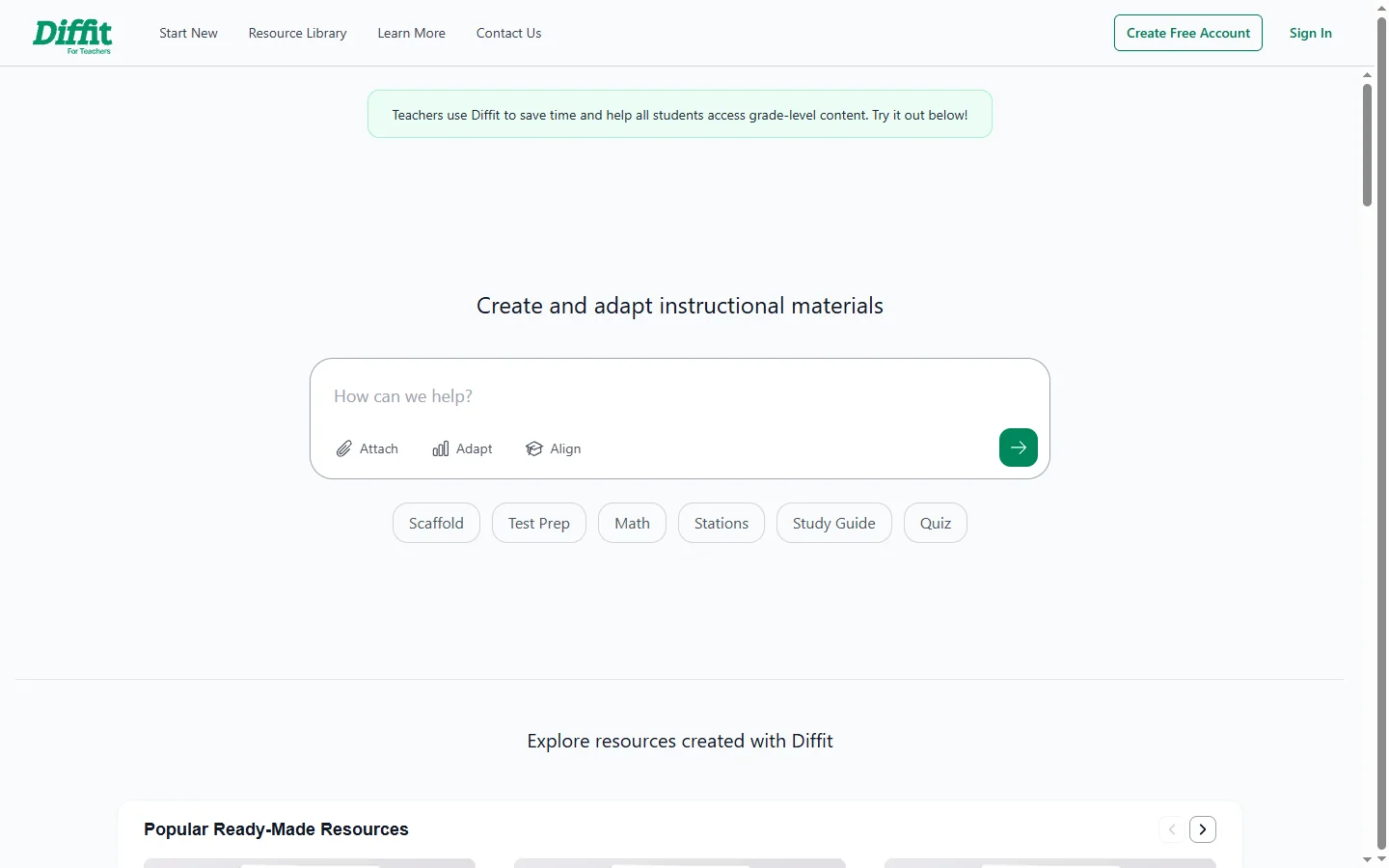
Diffit AI is a free educational tool that generates differentiated reading materials, quizzes, and vocabulary supports from any topic or source for classroom use.

Inspirit AI
Inspirit AI is an AI education platform offering courses, hands-on projects, and mentorship programs for students learning machine learning and AI.

StudyFetch AI
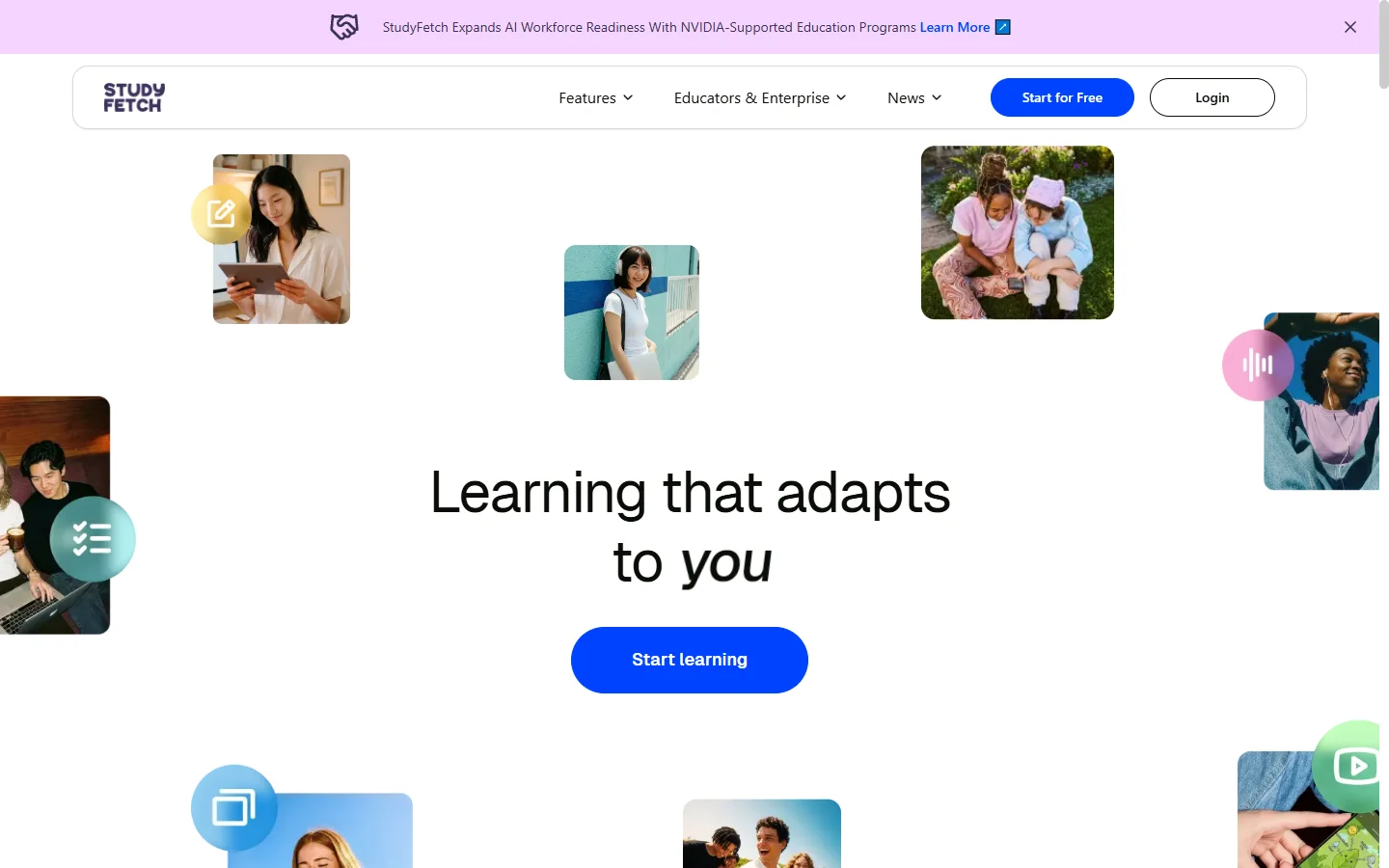
StudyFetch AI converts course materials into flashcards, quizzes, and AI tutoring sessions to help students study more effectively from their own content.
15.ai
15.ai is a free AI voice cloning tool famous for generating realistic speech from cartoon, video game, and animated show characters using as little as 15 seconds of source audio.