
Atomic AI
Paid ✓ VerifiedAtomic AI is an RNA drug discovery platform that uses AI to design and optimize RNA-targeting therapeutics for traditionally undruggable diseases.
📋 About Atomic AI
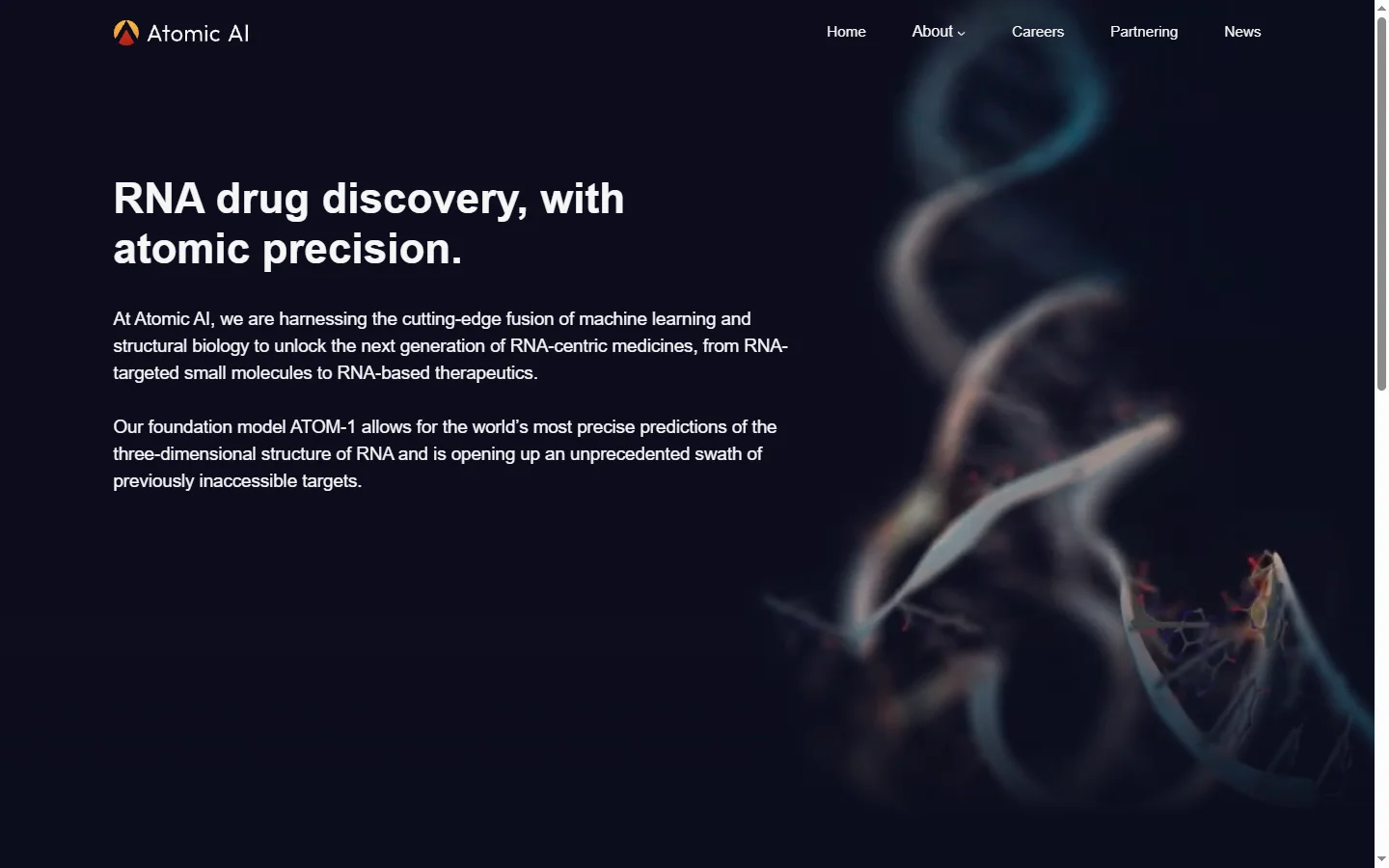
Atomic AI is a biotechnology company building an AI platform for RNA-targeted drug discovery. The company's technology combines deep learning models with structural biology and computational chemistry to predict how small molecules bind to RNA structures, opening up therapeutic opportunities against disease targets that traditional protein-focused drug discovery has failed to address. RNA represents a vast and largely unexplored space for drug development, and Atomic AI's platform aims to unlock it systematically rather than through serendipitous discovery.
The core of the platform is a proprietary deep-learning system for predicting three-dimensional RNA structures and ligand binding poses, trained on experimental data from both public repositories and the company's own laboratory work. This computational engine is paired with high-throughput wet-lab experimentation so predictions are continuously validated and models refined with new data. Drug discovery campaigns run in an integrated loop where AI proposes candidates, the lab tests them, and results feed back into model improvement.
Atomic AI pursues both its own therapeutic programs and partnerships with pharmaceutical companies seeking RNA-targeting solutions for specific diseases. Disease areas include oncology, neurological disorders, and infectious diseases where RNA targets are strategically attractive. The company serves pharmaceutical and biotech partners, investors, and scientific collaborators rather than end-user consumers, and represents a specialized AI-for-science deployment rather than a general-purpose productivity tool.
⚡ Key Features of Atomic AI
RNA Structure Prediction Engine
Proprietary deep-learning models predict three-dimensional RNA structures including tertiary folds and dynamic conformations critical for small molecule binding. This extends the power of protein structure prediction breakthroughs to the much-less-studied RNA space. Accurate RNA structure is the foundation for designing molecules that bind specific RNA targets with useful therapeutic properties. Continuous retraining on new experimental data keeps the models improving.
Small Molecule Ligand Design
Once target structures are predicted, generative models design small molecule candidates optimized for binding affinity, selectivity, and drug-like properties. Candidates are scored across multiple properties simultaneously to balance activity with developability. This shifts drug discovery from laboriously screening existing libraries to rationally designing novel chemistry tailored to each target. The design loop closes quickly because simulations are paired with rapid lab validation.
Integrated Wet-Lab Validation
Computational predictions are validated in the company's own laboratories through biochemical and biophysical assays that measure actual binding, potency, and selectivity. Results feed back into model training so the AI platform keeps getting better at predicting what works. This tight AI-lab loop is more predictive than purely in-silico approaches that never touch bench science. Experimental throughput supports hundreds to thousands of candidates per campaign.
Target Discovery and Triage
Beyond individual campaigns, the platform helps identify RNA targets that are both disease-relevant and pharmacologically tractable, prioritizing where to invest expensive drug discovery resources. This is especially valuable for expanding into underexplored disease areas where RNA biology is just emerging. Triage combines biological evidence with druggability predictions from the structural models. The result is a smarter starting set of programs rather than a pipeline chosen largely by chance.
Partnership Collaboration Platform
Pharmaceutical partners engage through structured collaborations where Atomic AI's platform is applied to their disease targets and programs. Collaborations can cover individual targets, target families, or broad discovery engagements across disease areas. IP arrangements, milestone structures, and economics are negotiated per partnership to fit each partner's strategic goals. This lets the platform scale impact beyond what Atomic AI could pursue alone internally.
Pipeline of Internal Programs
Atomic AI maintains its own therapeutic programs where the company owns assets and advances them through preclinical and into clinical development. Program selection prioritizes areas where RNA targeting offers advantages over protein-focused approaches and where the company can create durable value. Internal programs provide proof points for the broader platform capability and generate data that benefits partnerships. Programs span oncology, neuroscience, and other therapeutic areas.
Scientific Computing Infrastructure
The platform runs on substantial GPU and specialized computing infrastructure tuned for large-scale molecular simulations and model training. Infrastructure decisions balance throughput, cost, and iteration speed for real drug discovery timelines. This operational layer is often overlooked but is critical to delivering predictions fast enough to match wet-lab cycles. Continuous investment keeps capabilities current as both AI architectures and computing hardware evolve.
🎯 Use Cases for Atomic AI
⚖️ Atomic AI Pros & Cons
Advantages
- ✓Specialized focus on under-explored RNA drug targets
- ✓Integrated AI and wet-lab validation loop
- ✓Strong scientific team and IP position
- ✓Both internal pipeline and partnership engagement models
- ✓Extends drug discovery into traditionally undruggable space
Drawbacks
- ✗Not a self-service product for outside users
- ✗Drug discovery timelines are inherently long
- ✗Limited to partners and collaborators engagement model
- ✗No public pricing since engagement model is bespoke
📖 How to Use Atomic AI
Potential pharmaceutical partners contact Atomic AI's business development team to discuss collaborations on specific disease targets or therapeutic areas.
Investors and analysts can review the company's publications and press releases to track scientific and pipeline progress.
Scientific collaborators engage through formal research agreements aligned with Atomic AI's internal research priorities.
Prospective employees with computational biology, ML, or medicinal chemistry expertise can apply through the company's careers page.
Follow Atomic AI's technical publications to learn about methods and apply similar approaches in academic research.
❓ Atomic AI FAQ
Atomic AI is a biotechnology company building an AI platform for RNA-targeted drug discovery, combining deep-learning models for RNA structure and ligand design with integrated wet-lab validation.
No. Atomic AI is a biotech company focused on drug discovery, not a self-service software product. The platform is used internally and through partnerships with pharmaceutical companies.
RNA represents a vast space of disease-relevant targets that traditional protein-focused small molecule discovery has largely ignored, creating an opportunity for AI-native methods to unlock new therapeutics against diseases lacking good options.
Atomic AI maintains a pipeline of internal therapeutic programs at various stages of preclinical and clinical development. Specific program stages are disclosed through the company's communications over time.
Yes. Atomic AI partners with pharmaceutical and biotech companies on RNA-targeted drug discovery. Contact the company's business development team to explore collaboration opportunities.
Related to Atomic AI

Accrete AI
Accrete AI builds autonomous enterprise AI agents for defense, government, and commercial intelligence workflows.

Ace AI
Ace AI is an AI-powered interview and career coach that helps job seekers prepare with mock interviews, resume feedback, and personalized career guidance.

Actively AI
Actively AI is an AI sales prospecting platform that researches accounts, identifies buyer signals, and writes personalized outbound at pipeline scale.
Airship AI
Airship AI provides video intelligence and data management solutions that use AI to search, analyze, and secure large-scale video evidence.

Argon AI
Argon AI is an AI platform for the life sciences industry that helps commercial and medical teams synthesize research, regulatory, and market intelligence.

BrainBox AI
BrainBox AI is an autonomous building technology that uses AI to optimize HVAC systems in real time, reducing energy consumption and carbon emissions.
Featured on WhatIf.ai
Add this badge to your website to show you're listed on WhatIf AI
Alternatives to Atomic AI

Chalkie AI
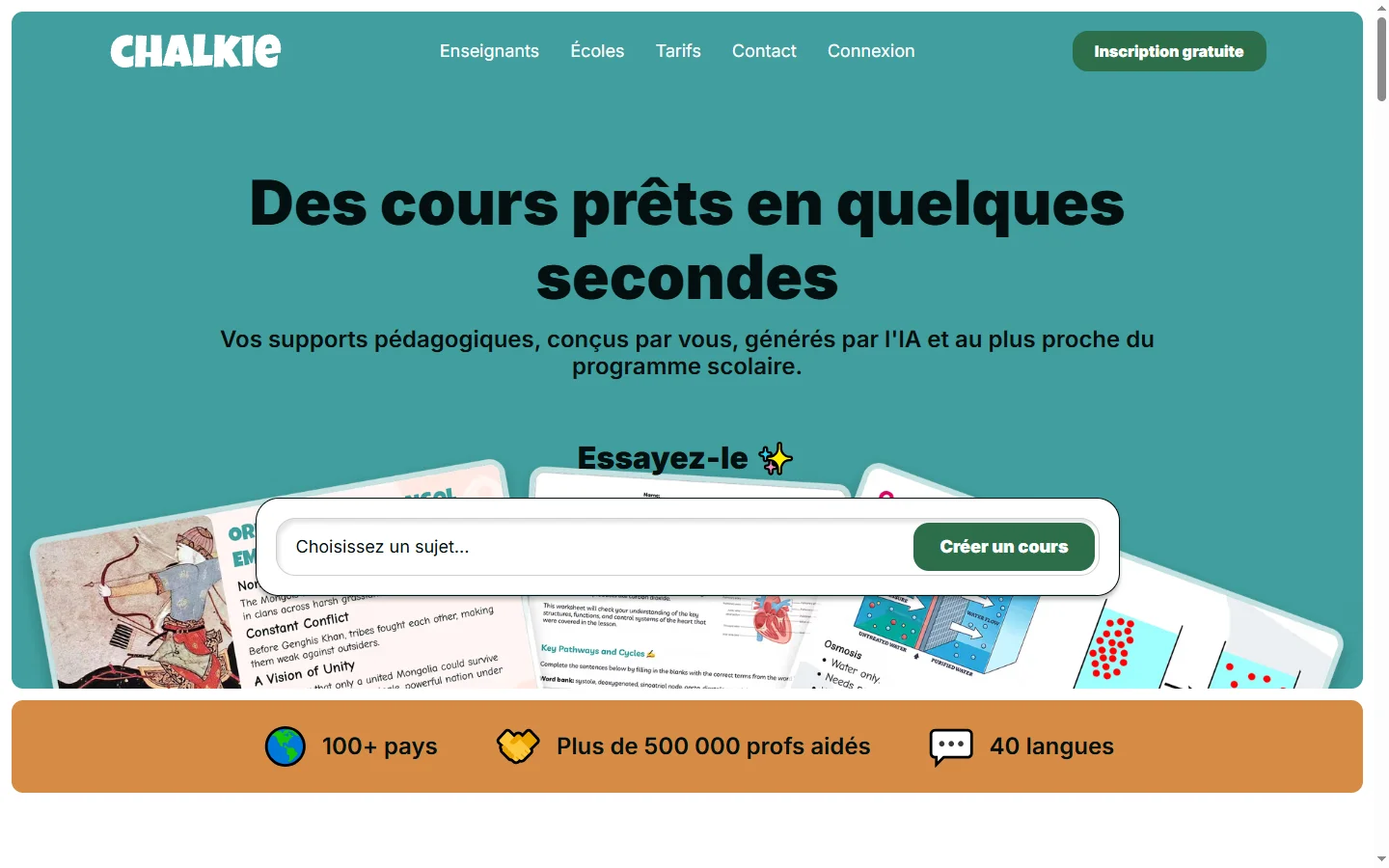
Chalkie AI creates lesson plans, worksheets, quizzes, and differentiated materials mapped to curriculum standards for teachers and tutors.

ChatGPT
ChatGPT AI assistant by OpenAI for writing, coding, research, image analysis, and everyday problem-solving.

Cheater Buster AI
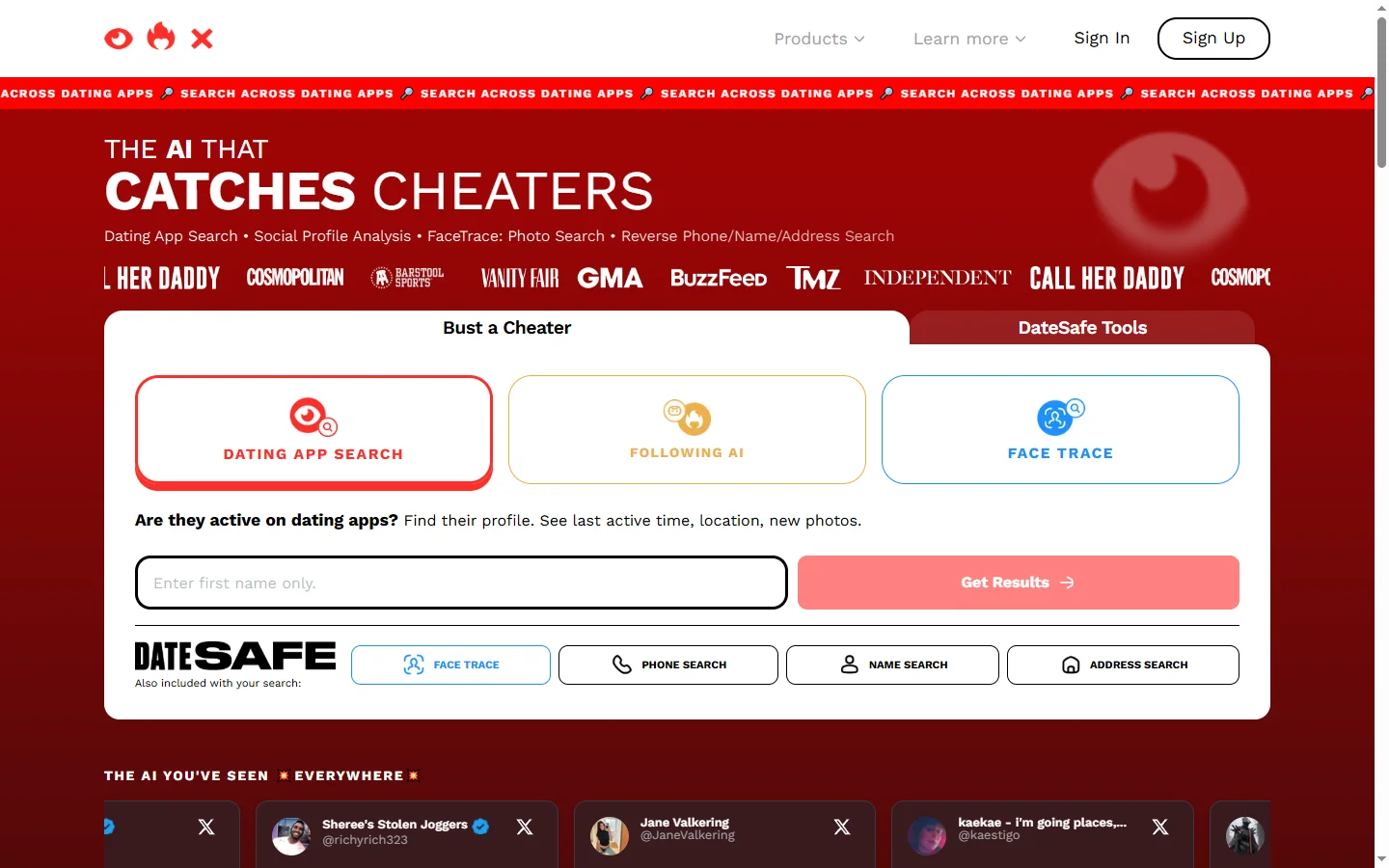
Cheater buster ai tool that searches dating apps by name and location to find matching profiles discreetly.

Claude
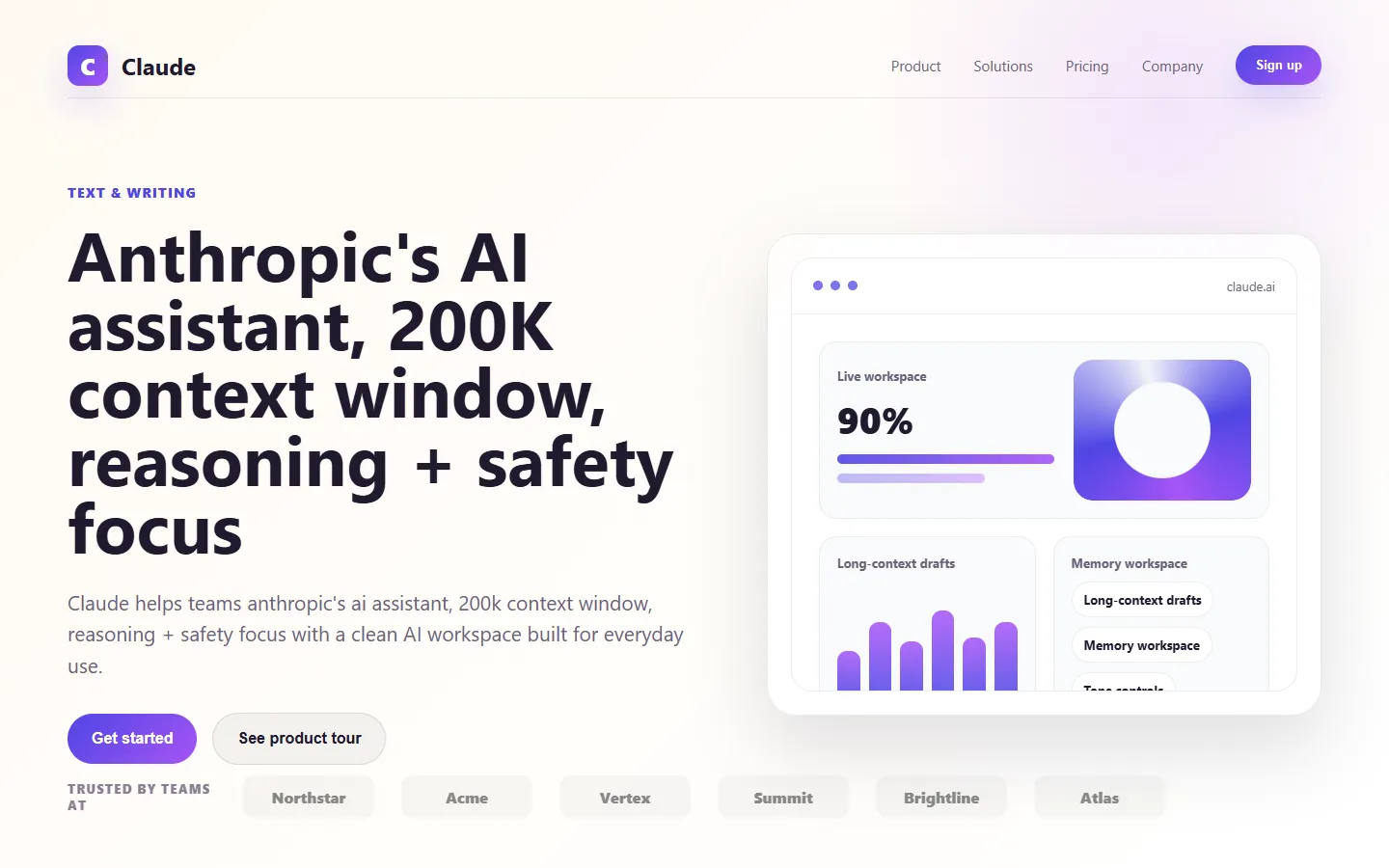
Claude AI assistant by Anthropic with a 200K context window, strong reasoning, and safety-focused design for writing, coding, and analysis.