
Sunoh AI
Paid ✓ VerifiedAI-powered medical scribe that listens to patient encounters and automatically generates structured clinical notes for electronic health records.
📋 About Sunoh AI
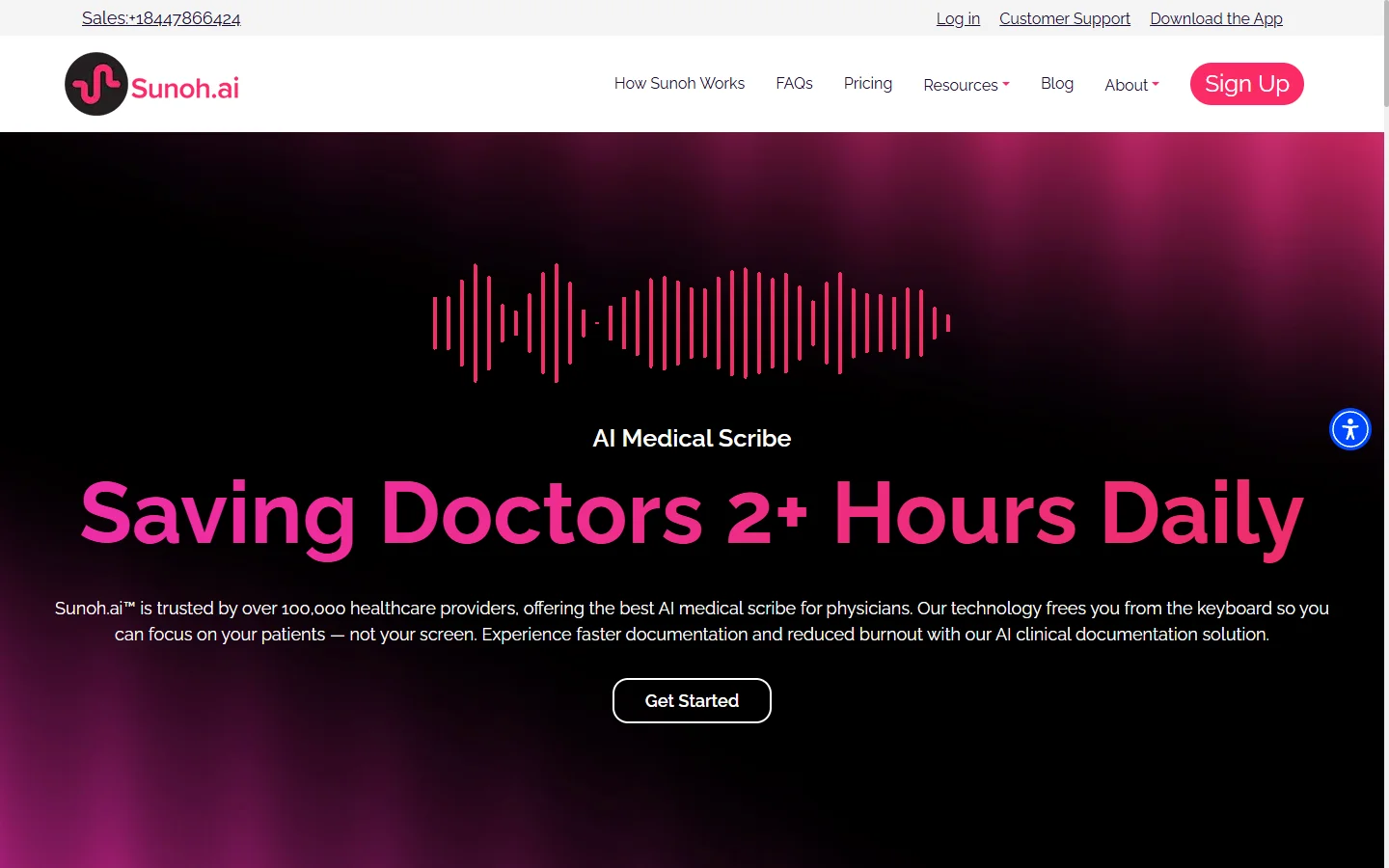
Sunoh AI is an ambient medical scribe that listens to natural patient-clinician conversations and automatically produces structured clinical documentation ready for electronic health records. By removing the documentation burden that forces physicians to type during visits or spend evenings charting, Sunoh lets clinicians focus on patient care while still delivering accurate, audit-ready notes. The platform is purpose-built for healthcare workflows with specialty-specific templates, ICD and CPT code suggestions, and integrations with major EHR systems.
Sunoh captures the encounter through a microphone on a phone, tablet, or desktop, then uses large language models fine-tuned on medical dialogue to structure the content into SOAP notes, H&Ps, procedure notes, or specialty templates. The AI distinguishes clinician questions, patient responses, and clinical observations, assembling only the relevant content into the note. Clinicians review and sign the generated documentation, typically completing a visit's chart in a minute or two instead of the ten to fifteen minutes traditional documentation requires.
Sunoh AI serves primary care physicians, specialists, behavioral health providers, and outpatient practices that use electronic health records and face documentation burden as a driver of burnout. The platform is HIPAA compliant with enterprise security controls, making it appropriate for deployment across hospital systems and large group practices. Many health systems deploy Sunoh as part of broader strategies to reduce clinician burnout and recover evening hours previously lost to charting.
⚡ Key Features of Sunoh AI
Ambient Encounter Capture
Sunoh captures the natural conversation between clinician and patient through any microphone-enabled device, so there is no change to how the visit is conducted. The AI distinguishes speakers and focuses on clinically relevant content while filtering out small talk. Clinicians and patients can speak naturally without dictating to a device.
Structured SOAP and Specialty Notes
Generated documentation is formatted as SOAP notes, H&Ps, or specialty-specific templates rather than raw transcripts, so clinicians get audit-ready chart content rather than a wall of text. Templates cover primary care, behavioral health, cardiology, orthopedics, and many other specialties. Organizations can customize templates to match their own standards.
ICD and CPT Code Suggestions
The platform suggests ICD-10 diagnosis codes and CPT procedure codes based on the content of the encounter, giving clinicians and coders a head start on accurate billing. Suggestions are grounded in documented content, reducing the risk of unsupported codes. Final code selection remains with the clinician.
EHR Integrations
Sunoh integrates with major EHR platforms including Epic, Cerner, Athena, and eClinicalWorks, so generated notes can be reviewed, edited, and signed directly in the clinician's existing workflow. Integration is structured enough that note content lands in the correct chart sections rather than as free-text blobs. This minimizes retraining and IT overhead.
Clinician Review and Editing
Clinicians retain full control — every generated note is reviewed and signed before becoming part of the chart. A side-by-side interface shows the generated note alongside the conversation transcript so clinicians can verify accuracy quickly. Edits are captured as feedback that improves future outputs.
HIPAA-Compliant Security
Sunoh is HIPAA compliant with enterprise-grade encryption, access controls, and audit logging appropriate for healthcare data. Business Associate Agreements are available for covered entities, and deployments can be configured to meet additional institutional requirements. This makes the platform suitable for use across hospital systems.
🎯 Use Cases for Sunoh AI
⚖️ Sunoh AI Pros & Cons
Advantages
- ✓Frees clinicians from documentation burden during and after visits
- ✓Structured output fits directly into EHR chart sections
- ✓HIPAA compliant with enterprise security controls
- ✓Specialty templates cover a wide range of clinical contexts
Drawbacks
- ✗Requires quiet environments for best transcription accuracy
- ✗Review time still needed before signing generated notes
- ✗Enterprise deployment requires IT and compliance coordination
📖 How to Use Sunoh AI
Visit sunoh.ai and request a demo or enterprise evaluation.
Work with your EHR vendor and Sunoh team to configure the integration.
Train clinicians on how to initiate recording and review generated notes.
Run patient encounters normally while Sunoh captures the conversation.
Review, edit, and sign the generated note inside your EHR before the next patient.
❓ Sunoh AI FAQ
Yes. Sunoh is HIPAA compliant with encryption, access controls, and Business Associate Agreements available for covered entities.
Sunoh integrates with major EHR platforms including Epic, Cerner, Athena, and eClinicalWorks, with more integrations added over time.
Sunoh produces high-quality first drafts that clinicians typically edit lightly before signing. Accuracy depends on environment audio quality and clinical specialty, but most clinicians report significant time savings.
No. Sunoh works with any microphone-enabled device including existing smartphones, tablets, and desktops.
Related to Sunoh AI

15.ai
15.ai is a free AI voice cloning tool famous for generating realistic speech from cartoon, video game, and animated show characters using as little as 15 seconds of source audio.

A2E AI
A2E AI productivity platform converts audio and video recordings into transcripts, summaries, and action items with speaker identification.

Abnormal AI
Abnormal AI uses behavioral AI to detect business email compromise, account takeover, and socially engineered phishing that bypasses secure email gateways.
Abridge AI
Abridge AI medical documentation platform that records and summarizes clinical conversations into structured physician notes in real time.

Accrete AI
Accrete AI builds autonomous enterprise AI agents for defense, government, and commercial intelligence workflows.

Ace AI
Ace AI is an AI-powered interview and career coach that helps job seekers prepare with mock interviews, resume feedback, and personalized career guidance.
Featured on WhatIf.ai
Add this badge to your website to show you're listed on WhatIf AI
Alternatives to Sunoh AI
A2E AI
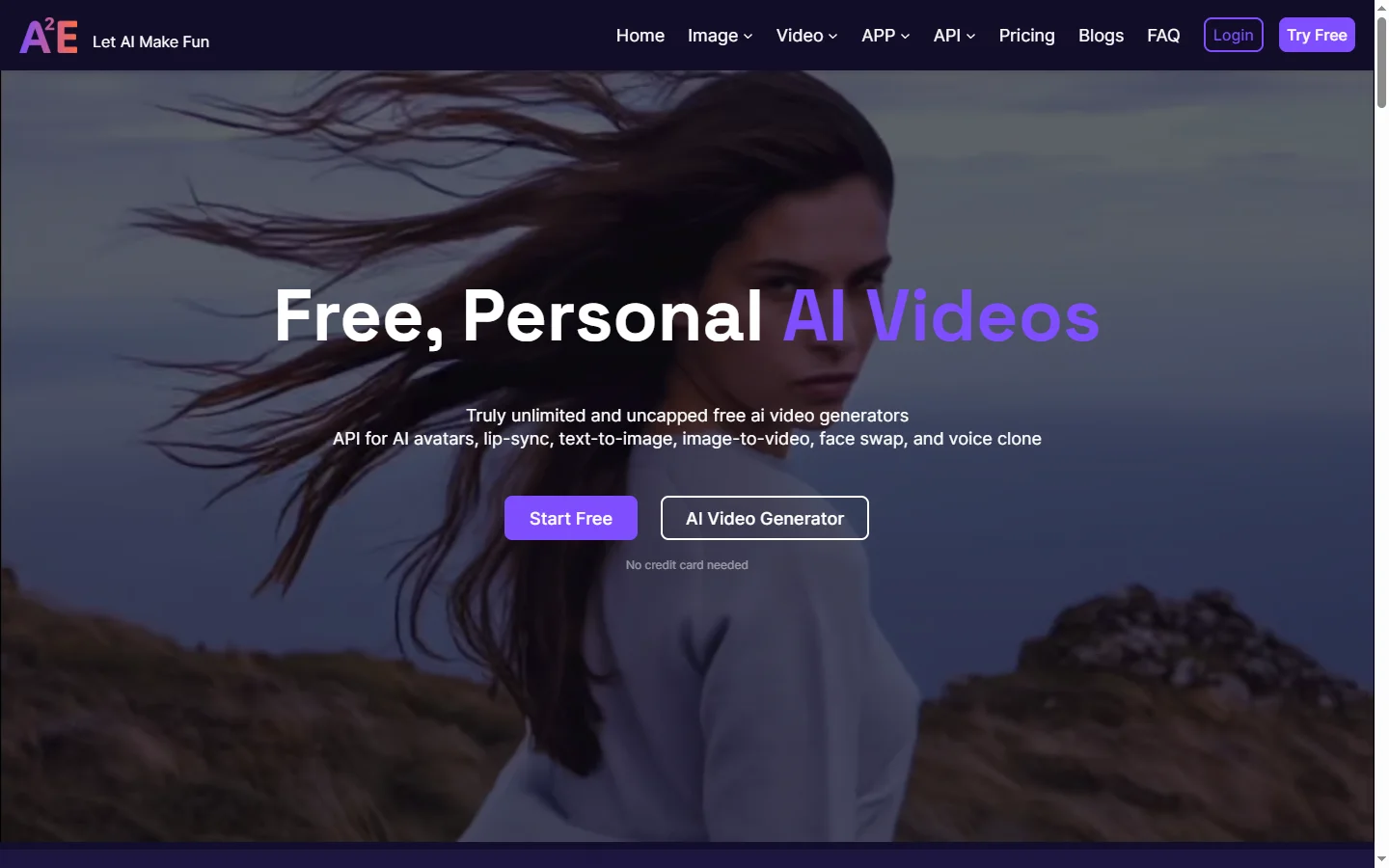
A2E AI productivity platform converts audio and video recordings into transcripts, summaries, and action items with speaker identification.
Abnormal AI
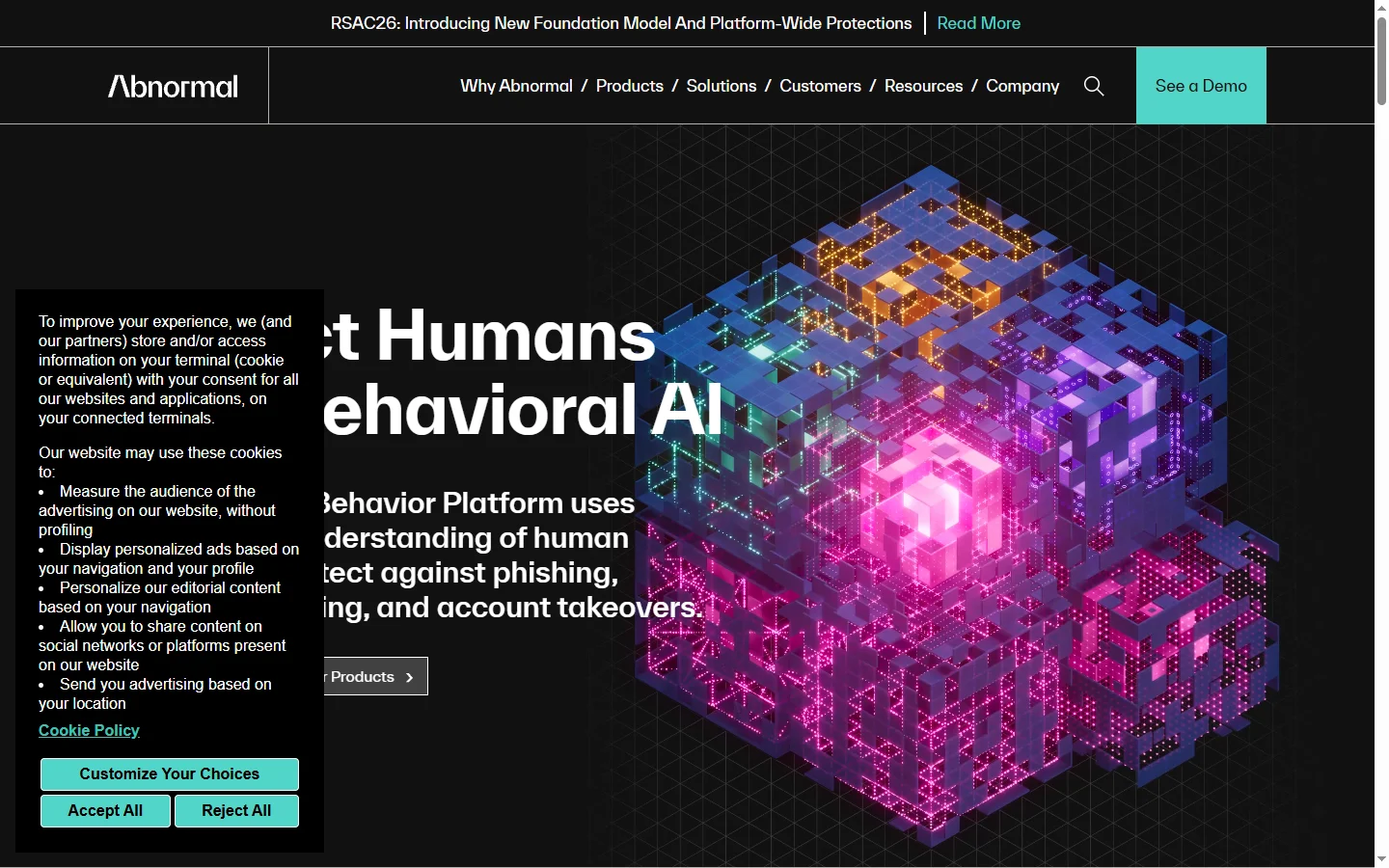
Abnormal AI uses behavioral AI to detect business email compromise, account takeover, and socially engineered phishing that bypasses secure email gateways.
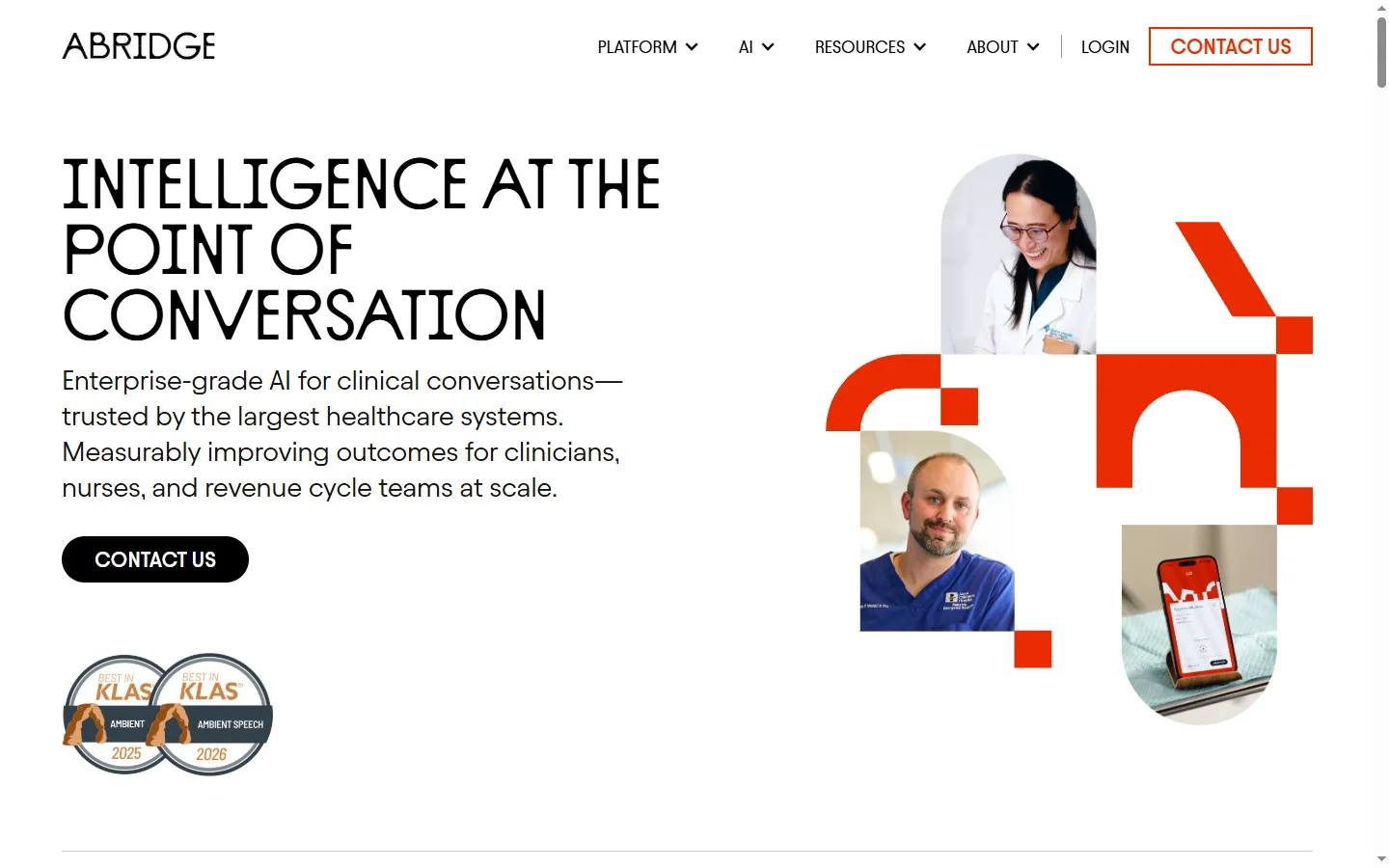
Abridge AI
Abridge AI medical documentation platform that records and summarizes clinical conversations into structured physician notes in real time.
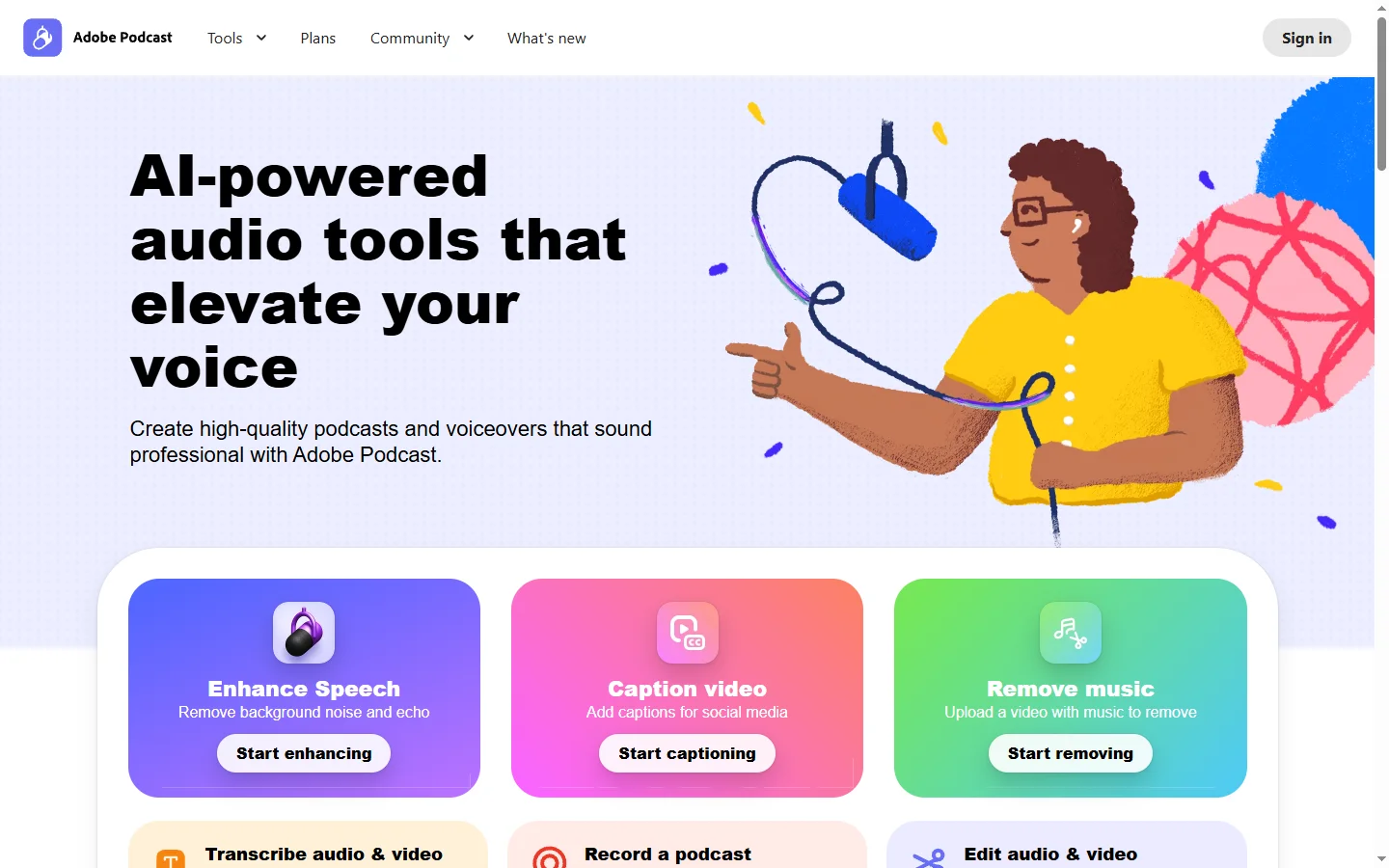

Adobe Podcast AI
Adobe Podcast AI enhances spoken audio recordings by removing background noise and improving voice clarity to broadcast-quality standards.