
Rapid AI
Paid ✓ VerifiedRapid AI is an AI-powered medical imaging platform that analyzes stroke and neurovascular scans in minutes, helping hospitals treat patients faster.

📋 About Rapid AI
Rapid AI is a clinical AI platform built around time-critical neurovascular imaging, best known for its stroke triage algorithms that analyze CT angiography, CT perfusion, and MRI data in minutes and deliver diagnostic insights to stroke teams via mobile devices. In acute stroke care, every minute of delay costs roughly 1.9 million neurons, so the platform's automation of analyses that used to take a radiologist hours of manual work can directly translate into better patient outcomes and fewer disabilities. Rapid AI is FDA-cleared and deployed in thousands of hospitals across more than a hundred countries.
Beyond stroke, Rapid AI has expanded into modules for pulmonary embolism, aortic disease, aneurysms, and intracranial hemorrhage detection — building out a broader portfolio of time-sensitive diagnostic tools for emergency departments and comprehensive stroke centers. The platform integrates with PACS and RIS systems, pushes structured reports and color-coded images to stroke team smartphones, and coordinates hand-offs between spoke hospitals, hubs, and transfer teams. Advanced analytics and registry tools help hospital systems benchmark door-to-needle times and identify operational bottlenecks.
Rapid AI is used primarily by stroke neurologists, emergency radiologists, and health system leaders responsible for improving acute care outcomes. It operates as part of the broader clinical workflow rather than as a radiologist replacement, freeing physicians from manual post-processing and giving them high-quality quantitative outputs to support thrombectomy and tPA decisions. Clinical evidence published in major journals supports the platform's role in accelerating treatment decisions for large vessel occlusion strokes.
⚡ Key Features of Rapid AI
Automated CT Perfusion Analysis
Rapid AI analyzes CT perfusion scans automatically to generate maps of cerebral blood flow, cerebral blood volume, and mean transit time, along with quantified ischemic core and penumbra volumes. This replaces manual post-processing that traditionally required specialized radiologist time and lets stroke teams decide quickly whether a patient is a candidate for endovascular therapy. Results are pushed to mobile devices and PACS within minutes of scan acquisition.
Large Vessel Occlusion Detection
Algorithms analyze CT angiography scans to detect potential large vessel occlusions, one of the most time-sensitive conditions in emergency medicine. Suspected LVOs are flagged on the stroke team's phones with color-coded overlays so a comprehensive stroke center can be notified before the patient even arrives, enabling parallel activation of the interventional suite.
Mobile Viewer and Care Coordination
Clinicians access results on a HIPAA-compliant mobile app that supports DICOM image viewing, annotated findings, and secure team chat. This lets stroke teams coordinate between spoke and hub hospitals in real time and make transfer decisions based on actual imaging rather than verbal summaries over the phone.
Multi-Pathology Modules
In addition to stroke, Rapid AI offers modules for pulmonary embolism detection on CT pulmonary angiography, aortic disease, intracranial hemorrhage, and aneurysm evaluation. Each module follows the same general workflow — automated analysis, structured findings, mobile notifications — so teams trained on one pathology can adopt others quickly.
PACS, RIS, and EHR Integration
Rapid AI plugs into hospital imaging infrastructure through standard DICOM and HL7 interfaces, pushing enriched studies back into PACS and structured findings into EHR systems like Epic and Cerner. This avoids parallel workflows and keeps the radiologist of record in the loop for sign-off.
Stroke Program Analytics
Hospital systems use Rapid AI's analytics dashboards to benchmark door-to-needle and door-to-puncture times across their stroke networks, identify bottlenecks in transfer workflows, and monitor the impact of process improvements. Registry-ready reports support Get With The Guidelines and similar quality programs.
🎯 Use Cases for Rapid AI
⚖️ Rapid AI Pros & Cons
Advantages
- ✓FDA-cleared with extensive published clinical evidence
- ✓Automated analysis in minutes versus traditional manual post-processing
- ✓Mobile alerts improve parallel team activation
- ✓Expanding portfolio beyond stroke into other time-critical pathologies
- ✓Well-integrated with PACS, RIS, and EHR infrastructure
Drawbacks
- ✗Enterprise pricing restricted to hospital systems
- ✗Requires careful clinical validation at each deploying site
- ✗Not a replacement for radiologist or neurologist sign-off
📖 How to Use Rapid AI
Engage Rapid AI through rapidai.com to discuss deployment scope and clinical modules.
Work with the implementation team to integrate with your PACS, RIS, and EHR infrastructure.
Configure routing rules so stroke and emergency studies flow through Rapid AI automatically.
Clinicians install the mobile viewer and receive push notifications for flagged studies.
Review structured findings and annotated images to support treatment decisions.
Use analytics dashboards to benchmark and improve door-to-treatment times across the network.
❓ Rapid AI FAQ
Yes. Rapid AI's core stroke imaging products are FDA-cleared and similarly cleared or approved in many other jurisdictions including CE marking in Europe.
No. Rapid AI is a decision support tool that automates time-consuming post-processing and flags findings for clinical review. Final interpretation and treatment decisions remain with the physician.
Rapid AI supports CT angiography, CT perfusion, non-contrast CT, and MRI sequences including diffusion-weighted imaging, depending on the module.
Analyses typically complete within two to three minutes of scan acquisition, and results are pushed to the stroke team's mobile devices immediately upon completion.
Related to Rapid AI

15.ai
15.ai is a free AI voice cloning tool famous for generating realistic speech from cartoon, video game, and animated show characters using as little as 15 seconds of source audio.

Abby AI
Abby AI is an AI therapy and mental wellness chatbot that offers CBT-informed conversations, mood tracking, and self-guided coping tools.

Accrete AI
Accrete AI builds autonomous enterprise AI agents for defense, government, and commercial intelligence workflows.

Ace AI
Ace AI is an AI-powered interview and career coach that helps job seekers prepare with mock interviews, resume feedback, and personalized career guidance.
Featured on WhatIf.ai
Add this badge to your website to show you're listed on WhatIf AI
Alternatives to Rapid AI
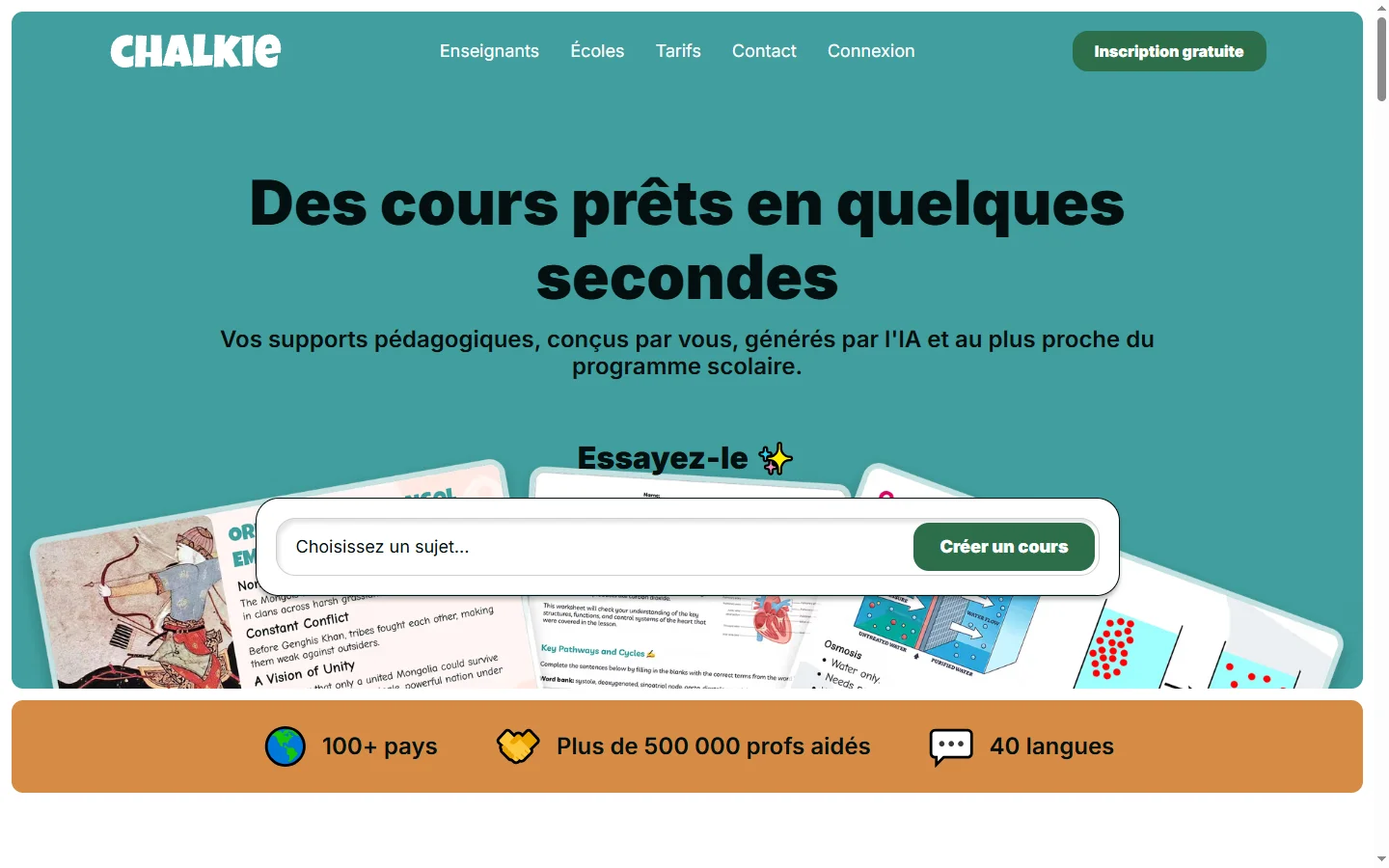

Chalkie AI
Chalkie AI creates lesson plans, worksheets, quizzes, and differentiated materials mapped to curriculum standards for teachers and tutors.
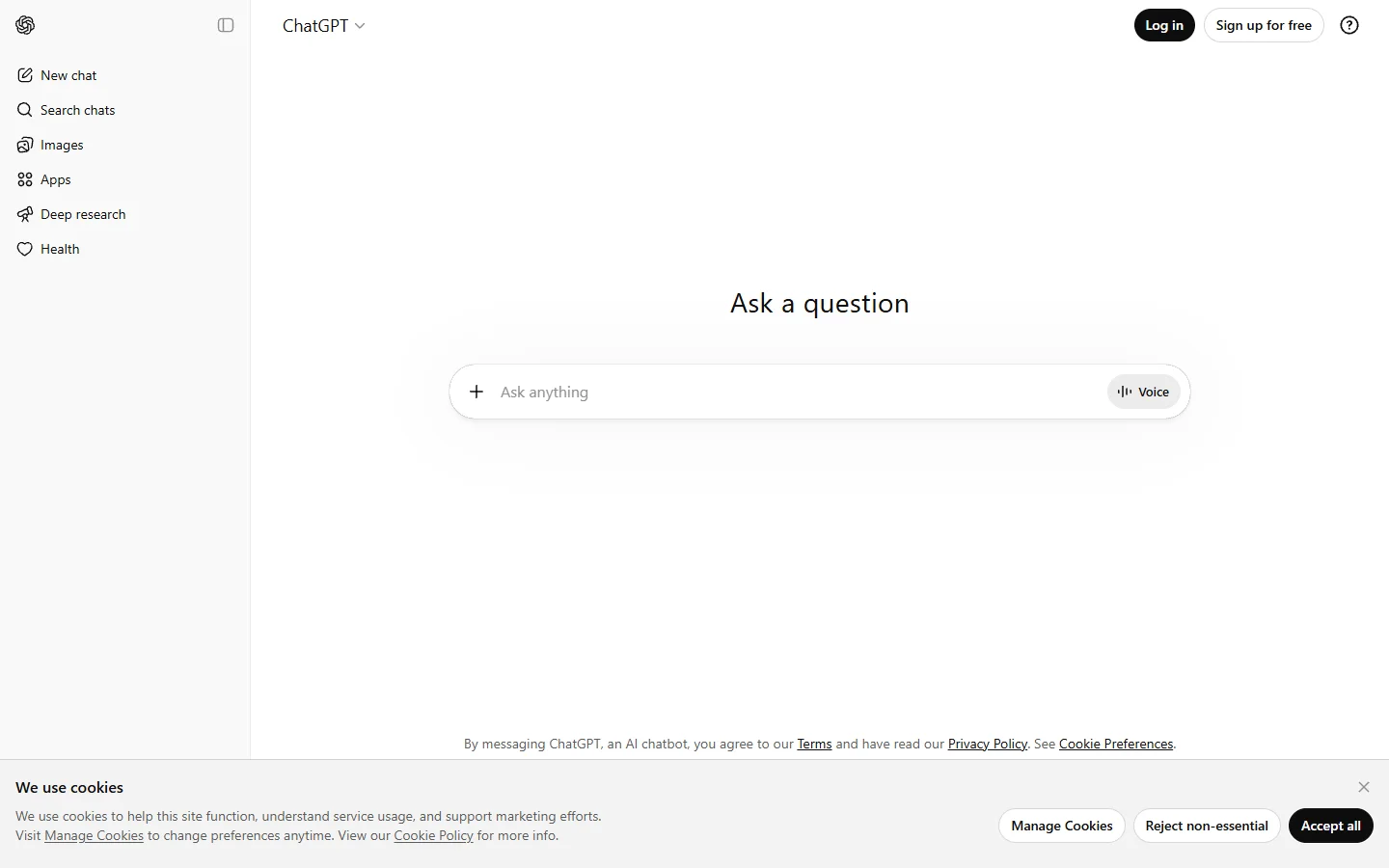

ChatGPT
ChatGPT AI assistant by OpenAI for writing, coding, research, image analysis, and everyday problem-solving.
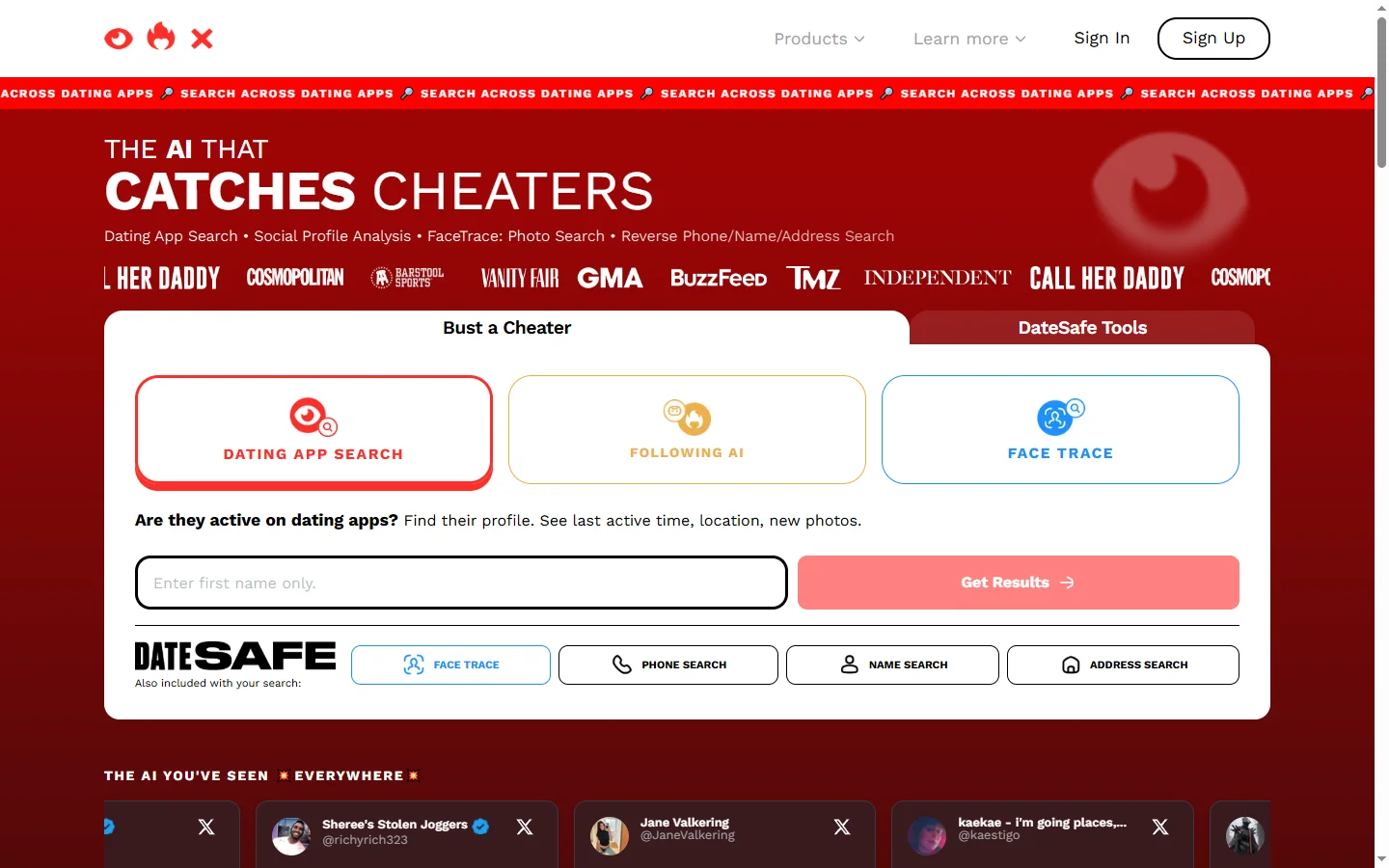

Cheater Buster AI
Cheater buster ai tool that searches dating apps by name and location to find matching profiles discreetly.
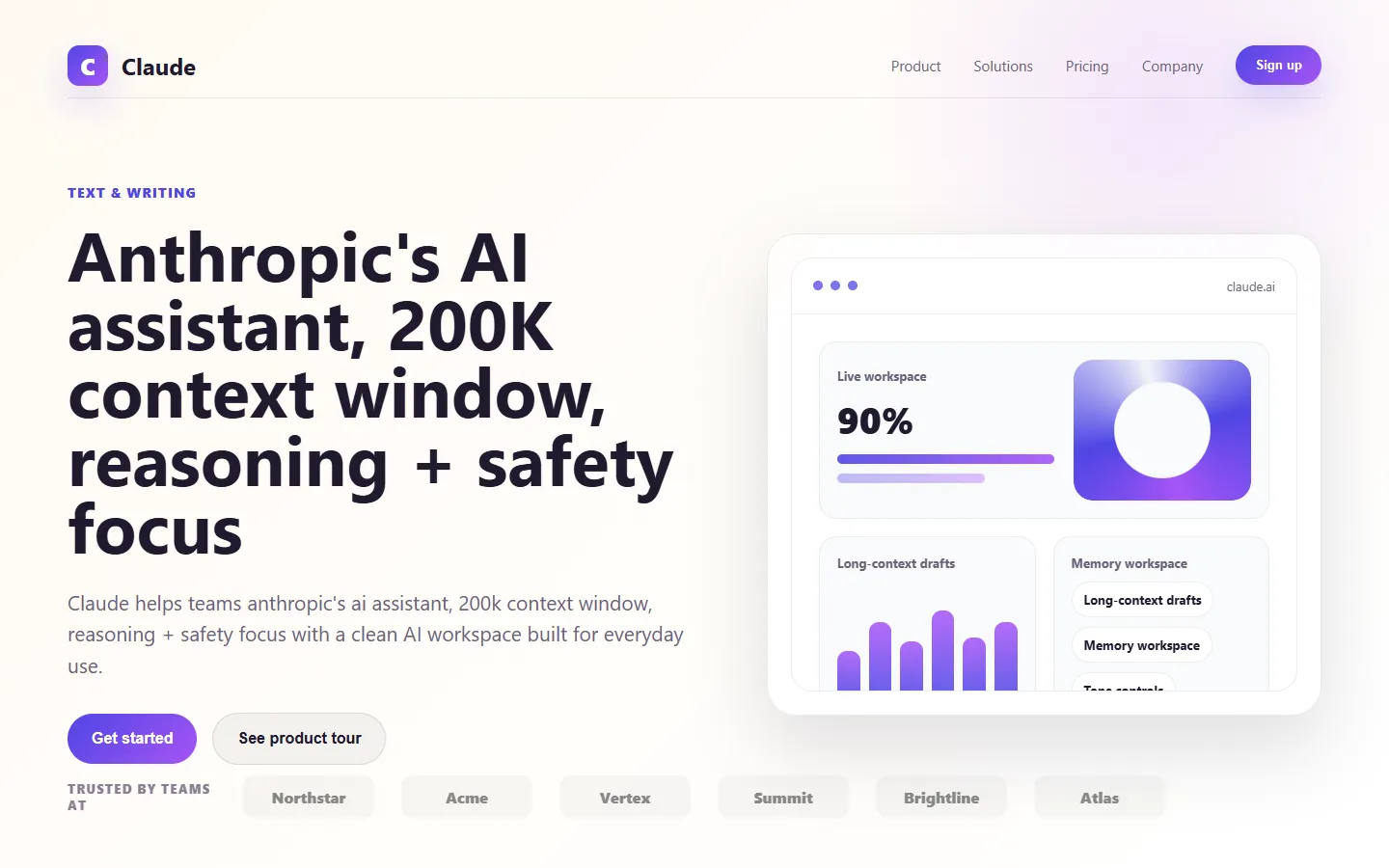

Claude
Claude AI assistant by Anthropic with a 200K context window, strong reasoning, and safety-focused design for writing, coding, and analysis.