
Proofademic AI
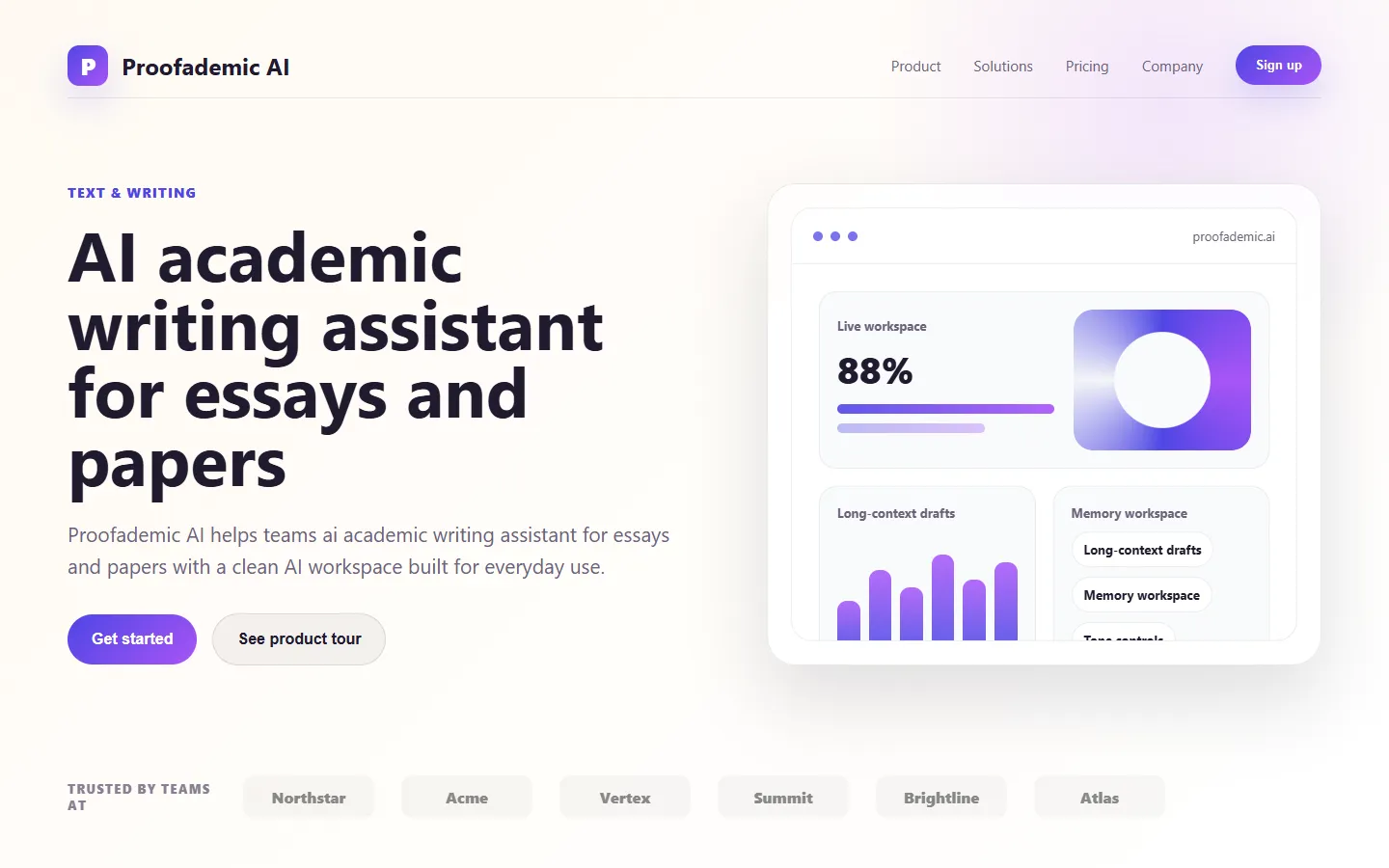
FreemiumProofademic AI is an AI academic writing assistant for proofreading, editing, and improving theses, essays, and research papers with discipline-aware feedback.
📋 About Proofademic AI
Proofademic AI is an AI-powered writing assistant focused specifically on academic documents — theses, dissertations, essays, journal manuscripts, and research reports. Unlike general proofreaders that treat all prose the same, Proofademic is tuned to academic conventions: formal register, citation consistency, discipline-specific terminology, hedging language, and the structural expectations of scholarly writing. It identifies issues that generic grammar checkers miss, including passive-voice misuse specific to academic prose, inconsistent tense in methods sections, and awkward citation integration.
The tool covers the full spectrum of writing improvement needs: grammar and spelling correction, clarity and concision suggestions, sentence-level restructuring, vocabulary enhancement, citation formatting checks (APA, MLA, Chicago, Harvard, Vancouver), and discipline-aware feedback for humanities, STEM, and social science writing. An optional deep-edit mode rewrites awkward passages while preserving the author's argument and technical meaning. For non-native English speakers, a fluency mode smooths phrasing that reads as translated without changing the academic voice.
Proofademic AI serves undergraduate students polishing term papers, graduate students writing theses and dissertations, postdocs drafting journal submissions, and academic writing centers looking to scale their tutoring capacity. A free tier handles short document checks, while paid subscriptions unlock full-length manuscript processing, advanced editing modes, plagiarism risk checks, and export to tracked-change Word files for advisor review. It positions as a more academically specialized alternative to general tools like Grammarly and ProWritingAid.
⚡ Key Features of Proofademic AI
Academic-Tone Grammar and Style Checking
Proofademic AI applies grammar and style rules specifically tuned for academic writing, flagging issues that generic tools miss — misused passive voice in abstracts, inconsistent tense across methods sections, colloquial phrasing that breaks formal register, and hedging language that is either too strong or too weak. The suggestions aim to move prose toward the conventions that journal editors and thesis examiners expect rather than toward neutral business English.
Citation Format Consistency Checker
Scan a document for citation formatting issues across APA, MLA, Chicago, Harvard, and Vancouver styles. The tool flags missing page numbers in direct quotes, inconsistent author initial formatting, mismatched in-text and reference-list entries, and incorrect punctuation inside citations. This catches the tedious errors that cost students marks and that reviewers flag at the most inconvenient moment.
Deep Edit Rewriting Mode
An optional deep-edit mode rewrites awkward or unclear passages while preserving the author's argument, technical claims, and citations. Unlike paraphrasing tools, it respects the academic voice and stops short of changing meaning. Users can accept, reject, or modify each suggested rewrite in a tracked-changes interface that looks familiar to anyone who has worked with an advisor's edits.
Fluency Mode for Non-Native Writers
A dedicated fluency mode improves phrasing for non-native English writers whose prose reads as translated. It addresses article misuse, preposition errors, collocation mismatches, and sentence-structure patterns common in specific L1 backgrounds. The mode is careful to preserve the writer's meaning and academic voice rather than homogenizing the prose into generic fluent English.
Discipline-Aware Feedback
Select a discipline — humanities, social science, life science, engineering, law — and Proofademic adjusts its feedback heuristics accordingly. Humanities writing permits longer sentences and more nuanced hedging, while engineering writing rewards concision and explicit factual statements. This beats one-size-fits-all proofreading and reduces the need for writers to manually ignore irrelevant suggestions.
Plagiarism and AI-Text Risk Indicator
Optional scan flags sentences that are suspiciously similar to public sources, as well as passages that might trigger AI-detection tools at universities using them. The feature is framed as a risk indicator and pre-submission sanity check rather than a ground-truth plagiarism verdict, since AI-text detectors are known to produce false positives on human academic writing.
Tracked-Change Word Export for Advisor Review
Export the edited document as a Microsoft Word file with changes marked up in the standard tracked-change format, so thesis advisors, journal editors, or writing tutors can review and accept or reject each suggestion in their usual workflow. This closes the gap between AI editing and the collaborative workflows academia already uses.
🎯 Use Cases for Proofademic AI
⚖️ Proofademic AI Pros & Cons
Advantages
- ✓Tuned specifically for academic writing conventions, not generic prose
- ✓Citation checking across APA, MLA, Chicago, Harvard, and Vancouver
- ✓Discipline-aware feedback for humanities, STEM, and social sciences
- ✓Fluency mode tailored for non-native English academic writers
- ✓Tracked-change Word export fits existing advisor workflows
Drawbacks
- ✗AI-text risk indicator is heuristic and may produce false positives
- ✗Does not replace substantive feedback from an advisor or peer reviewer
- ✗Deep-edit mode occasionally overwrites intentional stylistic choices
- ✗Free tier limits document length and advanced features
📖 How to Use Proofademic AI
Sign up at proofademic.com with email or a supported social login to activate the free tier.
Paste your draft text or upload a Word or PDF document into the editor workspace.
Choose your document type — essay, thesis chapter, journal article, grant — and select your discipline.
Run the standard proofread pass and review suggestions in the inline editor.
Enable Deep Edit or Fluency mode for heavier restructuring where the base pass is not enough.
Run the Citation Check to verify consistency in your chosen citation style across in-text refs and the reference list.
Export to tracked-changes Word format to share with your advisor, editor, or writing tutor.
Upgrade to a paid plan for longer document support, full plagiarism and AI-risk scanning, and priority processing.
❓ Proofademic AI FAQ
Proofademic AI offers a free tier sufficient for short documents and basic proofreading. Paid subscriptions unlock full-length thesis support, Deep Edit and Fluency modes, plagiarism and AI-risk scanning, and tracked-change Word export.
Proofademic is a proofreading and editing assistant rather than a content generator, so using it for grammar, citation, and clarity suggestions is analogous to using Grammarly or working with a human editor. The AI-risk indicator helps writers see which passages might be flagged by university detectors so they can revise or disclose as required by their institution's policy.
Proofademic AI supports the major academic citation styles including APA (6th and 7th), MLA, Chicago (both author-date and notes-bibliography), Harvard, and Vancouver. The citation check flags formatting inconsistencies and mismatches between in-text citations and reference-list entries.
Yes, on paid tiers. The free tier limits document length, but paid subscriptions handle full-length theses and dissertations with chapter-by-chapter processing. Larger documents can be broken into chapters for faster review and cleaner tracked-change outputs.
Yes. The fluency mode is specifically designed for non-native academic writers, addressing article usage, prepositions, collocations, and sentence-structure patterns common in translated prose while preserving the author's meaning and academic voice.
Related to Proofademic AI

Abby AI
Abby AI is an AI therapy and mental wellness chatbot that offers CBT-informed conversations, mood tracking, and self-guided coping tools.

Ace AI
Ace AI is an AI-powered interview and career coach that helps job seekers prepare with mock interviews, resume feedback, and personalized career guidance.

Alayna AI
Alayna AI is an all-in-one AI teaching assistant that helps K-12 educators plan lessons, differentiate activities, and give personalized feedback.

Alex AI
Alex AI is a macOS AI assistant that lives in your menu bar, offering instant writing help, code assistance, and context-aware productivity features.

Angel AI
Angel AI is an AI companion and mental wellness chatbot that provides supportive conversations, journaling prompts, and daily check-ins.

Arise AI
Arise AI is an AI coaching and productivity companion that helps users build habits, plan their day, and stay focused through conversational guidance.
Featured on WhatIf.ai
Add this badge to your website to show you're listed on WhatIf AI
Alternatives to Proofademic AI

Backyard AI
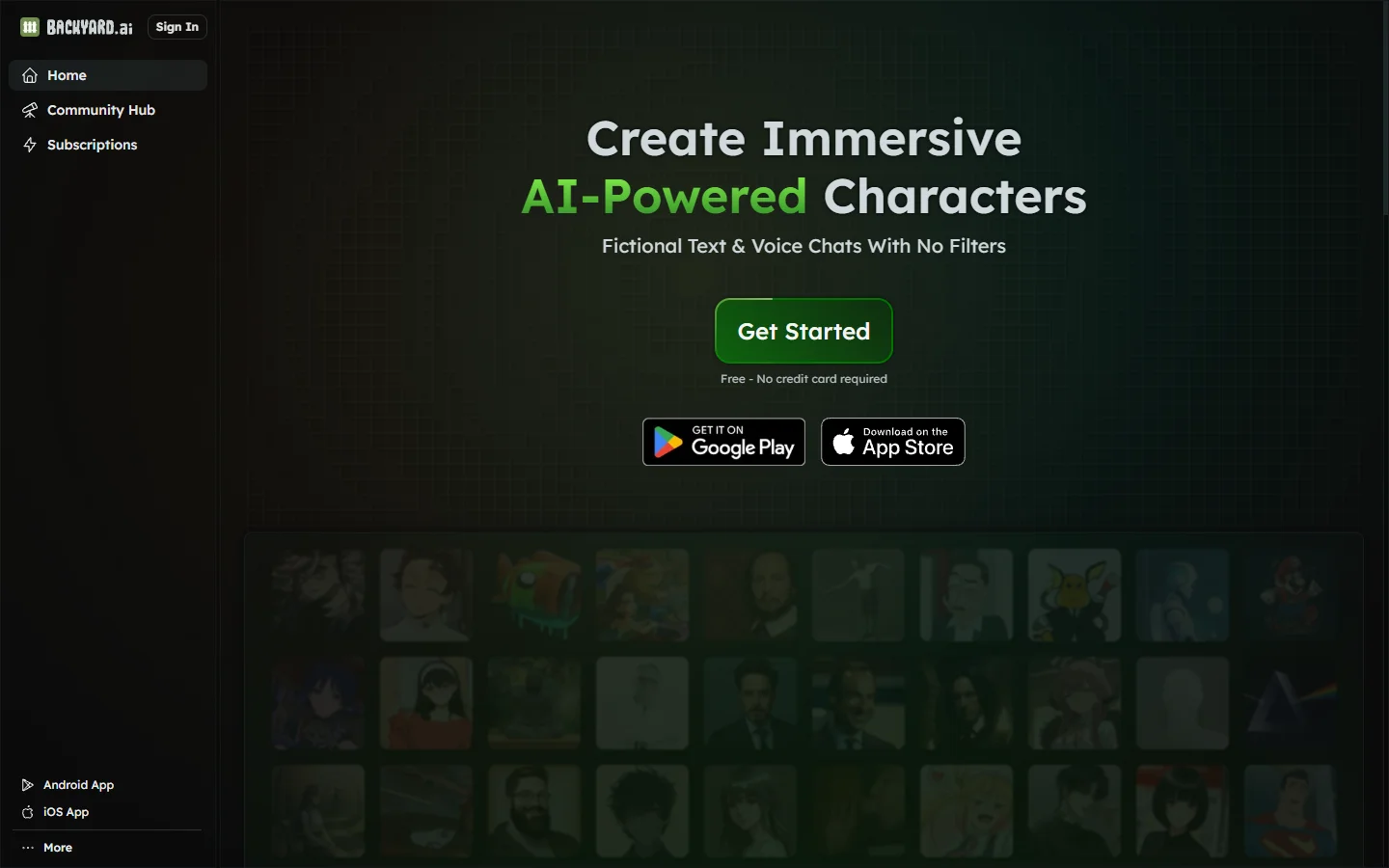
Backyard AI is a free desktop application for running local AI character chat with custom personas, private conversations, and full offline operation.


Blaze AI
Blaze AI generates on-brand social media posts, blog articles, email campaigns, and ad copy for marketers and small businesses using configurable brand voice settings.


Blush AI
Blush AI is an AI dating assistant that helps users craft better messages, improve their dating profile, and practice conversation skills.

Caveduck AI
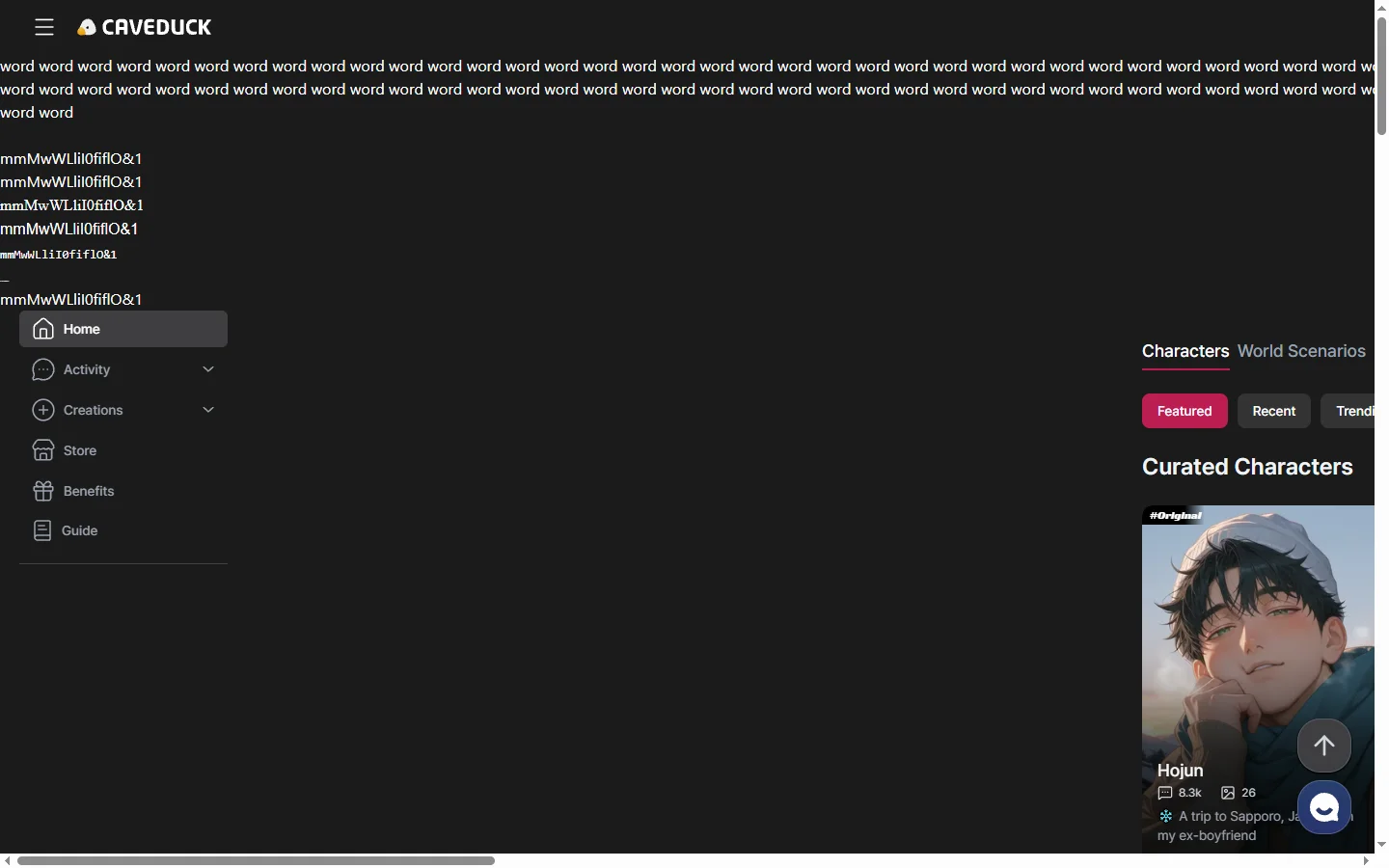
Caveduck AI is a character chat platform where users create custom AI personas and hold context-aware roleplay conversations with them.