
Pixi AI
Freemium ✓ Verified 🔥 TrendingPixi AI is an AI-powered image generation and editing tool that turns text prompts and photos into polished, production-ready creative assets.
📋 About Pixi AI
Pixi AI is a creative suite that combines AI image generation, editing, and upscaling in a single browser-based workspace. Designers, marketers, and content creators use Pixi AI to generate product photography, social media visuals, blog imagery, and concept art from text prompts, and to refine existing images with AI-powered editing tools like background removal, object removal, inpainting, and smart resizing. The platform abstracts away model choice — users just describe what they want, and Pixi AI routes the task to the appropriate underlying model.
What makes Pixi AI practical for working creatives is its focus on iteration rather than one-shot generation. Users can lock in parts of an image they like and regenerate only the sections that need changes, or iterate on a concept through a dozen variations without losing their place. The workspace stores prompts, variations, and edit history so creators can revisit prior versions. Brand controls let marketing teams define color palettes, style guidelines, and product references that automatically apply to all generations within a workspace.
Pixi AI is used by small marketing teams producing daily social media content, e-commerce merchandisers creating product hero shots, and independent creators building visuals for newsletters and YouTube thumbnails. The platform's collaborative workspaces let teams share assets, review generations, and maintain a consistent visual style across campaigns. Output is exportable in multiple formats and resolutions, including print-ready high-DPI variants.
⚡ Key Features of Pixi AI
Text-to-Image Generation
Users describe what they want in natural language and Pixi AI generates high-quality images suitable for marketing, social media, and editorial use. The platform picks the best underlying model for the request — a photorealistic model for product shots, a stylized model for illustration — so users do not need to choose between engines. Prompts can include style references, color palettes, and composition guidance.
Inpainting and Object Removal
Users can paint over parts of an existing image and describe what should replace them — removing a person from a background, swapping an object, or cleaning up unwanted elements. The AI preserves the surrounding context so edits look seamless. This capability is widely used by e-commerce merchandisers cleaning up product shots and social media managers adapting existing imagery to new formats.
Background Removal and Replacement
One-click background removal produces clean transparent or replaced backgrounds suitable for product catalogs, marketing collateral, and social posts. The AI handles fine details like hair, fur, and semi-transparent materials better than traditional mask tools. Replacement backgrounds can be AI-generated scenes or uploaded imagery, with lighting automatically blended to match.
AI Upscaling
Low-resolution images can be upscaled by 2x or 4x while preserving detail and enhancing sharpness. This is particularly useful for rescuing old imagery for modern high-DPI use cases and for preparing social media content for print. The upscaler intelligently enhances faces, text, and fine textures rather than just interpolating pixels.
Iteration and Variation Workflows
Rather than forcing one-shot generation, Pixi AI encourages iteration — users can lock portions of an image and regenerate the rest, or produce variations on a concept to find the right direction. The history panel preserves every version, so creators can return to prior attempts without redoing work. This iteration-first design reflects how creatives actually work with AI.
Brand Controls and Style Guides
Marketing teams can define brand colors, fonts, product photos, and style guidelines that automatically apply to all generations within a workspace. This ensures visual consistency across campaigns without requiring manual prompt engineering on every image. Admins can lock certain brand elements so team members cannot inadvertently deviate from approved styling.
Collaborative Workspaces
Teams share a workspace where they can co-create, comment on, and approve images in one place. Asset libraries store approved images organized by campaign, product, or channel. This collaboration layer turns Pixi AI from a solo creative tool into a production pipeline for small marketing teams.
🎯 Use Cases for Pixi AI
⚖️ Pixi AI Pros & Cons
Advantages
- ✓Multi-model routing picks the right engine for each task
- ✓Iteration-first design matches how creatives actually work
- ✓Brand controls ensure visual consistency at team scale
- ✓All-in-one suite — generation, editing, and upscaling
- ✓Free tier suitable for individual users
Drawbacks
- ✗Heavy usage quickly exhausts free tier credits
- ✗Very specific style requests can require prompt tuning
- ✗Mobile app less capable than the web workspace
- ✗Occasional artifacts on hands, text, and fine details
📖 How to Use Pixi AI
Sign up at pixi.ai and create an account with email or Google login.
Start with a text prompt describing the image you want — be specific about style, composition, and mood.
Iterate on generated variations by locking parts you like and regenerating the rest.
Use inpainting, background removal, and upscaling tools to polish the image to production quality.
Set up brand controls and invite team members to share a workspace for collaborative creation.
Export final images in the format and resolution you need for social media, print, or web use.
❓ Pixi AI FAQ
Pixi AI offers a free tier with limited monthly credits for individual exploration. Paid plans start around $10 per month for higher limits and team features. Enterprise plans add brand controls, SSO, and admin permissions.
Yes. Images generated on paid Pixi AI plans are licensed for commercial use including marketing, social media, and product imagery. Check the licensing terms on your specific plan for details.
Pixi AI does both. You can upload existing photos for inpainting, background removal, object replacement, and upscaling, or generate new images from text prompts.
Pixi AI generates images up to 2048x2048 pixels natively, and the built-in AI upscaler can enlarge them 2x or 4x while preserving detail. This produces print-ready high-DPI imagery suitable for most professional use cases.
Yes. Pixi AI offers iOS and Android apps for on-the-go generation and light editing, though the full feature set is most accessible through the web workspace.
Related to Pixi AI

A2E AI
A2E AI productivity platform converts audio and video recordings into transcripts, summaries, and action items with speaker identification.

Abnormal AI
Abnormal AI uses behavioral AI to detect business email compromise, account takeover, and socially engineered phishing that bypasses secure email gateways.

Abridge AI
Abridge AI medical documentation platform that records and summarizes clinical conversations into structured physician notes in real time.

Accrete AI
Accrete AI builds autonomous enterprise AI agents for defense, government, and commercial intelligence workflows.

Leonardo AI
Leonardo AI is a powerful AI image generator with custom fine-tuned models, Stable Diffusion roots, and a massive community library for art and game assets.

Midjourney
Midjourney AI image generator that turns text prompts into high-quality artwork, illustrations, and photorealistic visuals.
Featured on WhatIf.ai
Add this badge to your website to show you're listed on WhatIf AI
Alternatives to Pixi AI
A2E AI
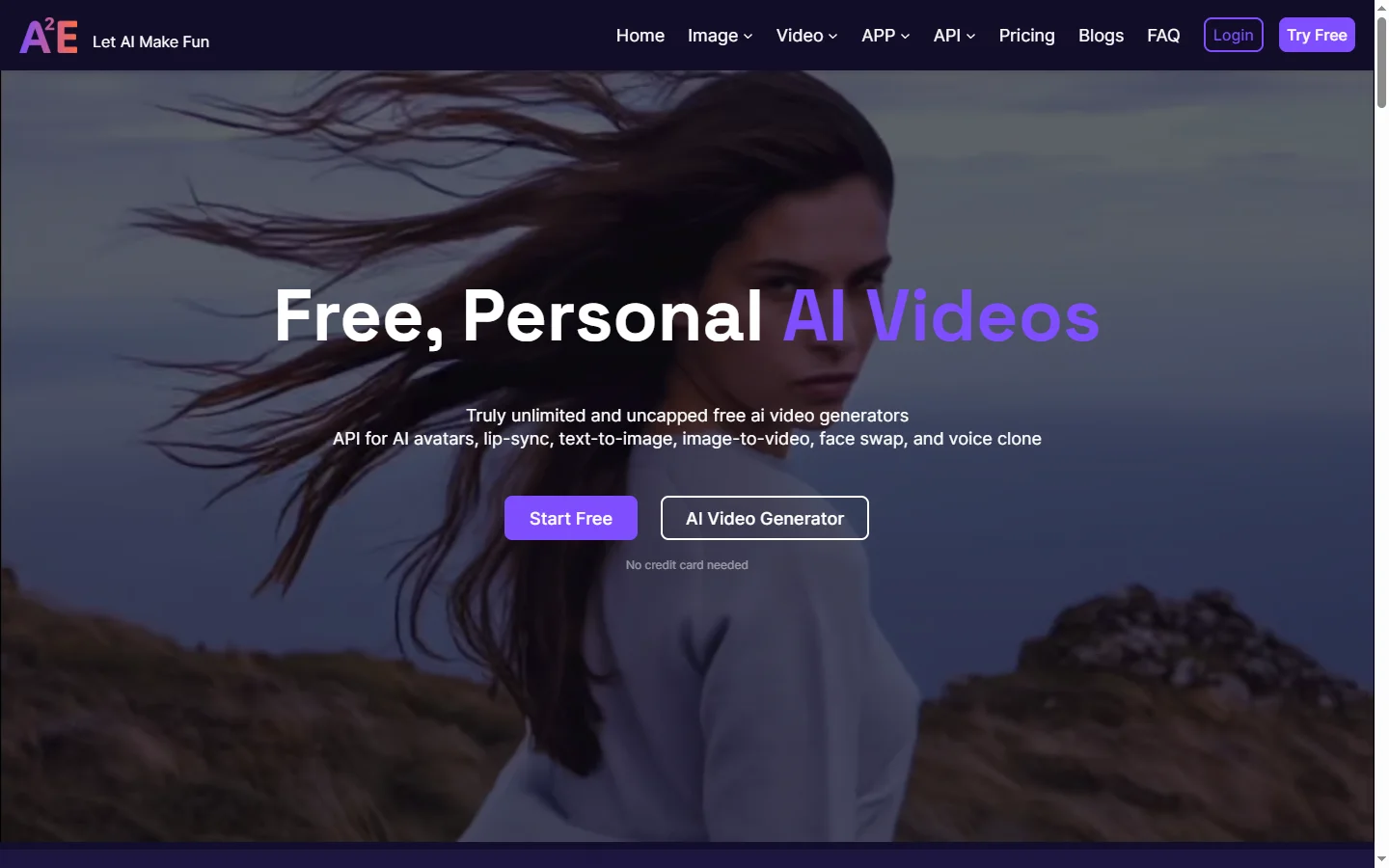
A2E AI productivity platform converts audio and video recordings into transcripts, summaries, and action items with speaker identification.
Abnormal AI
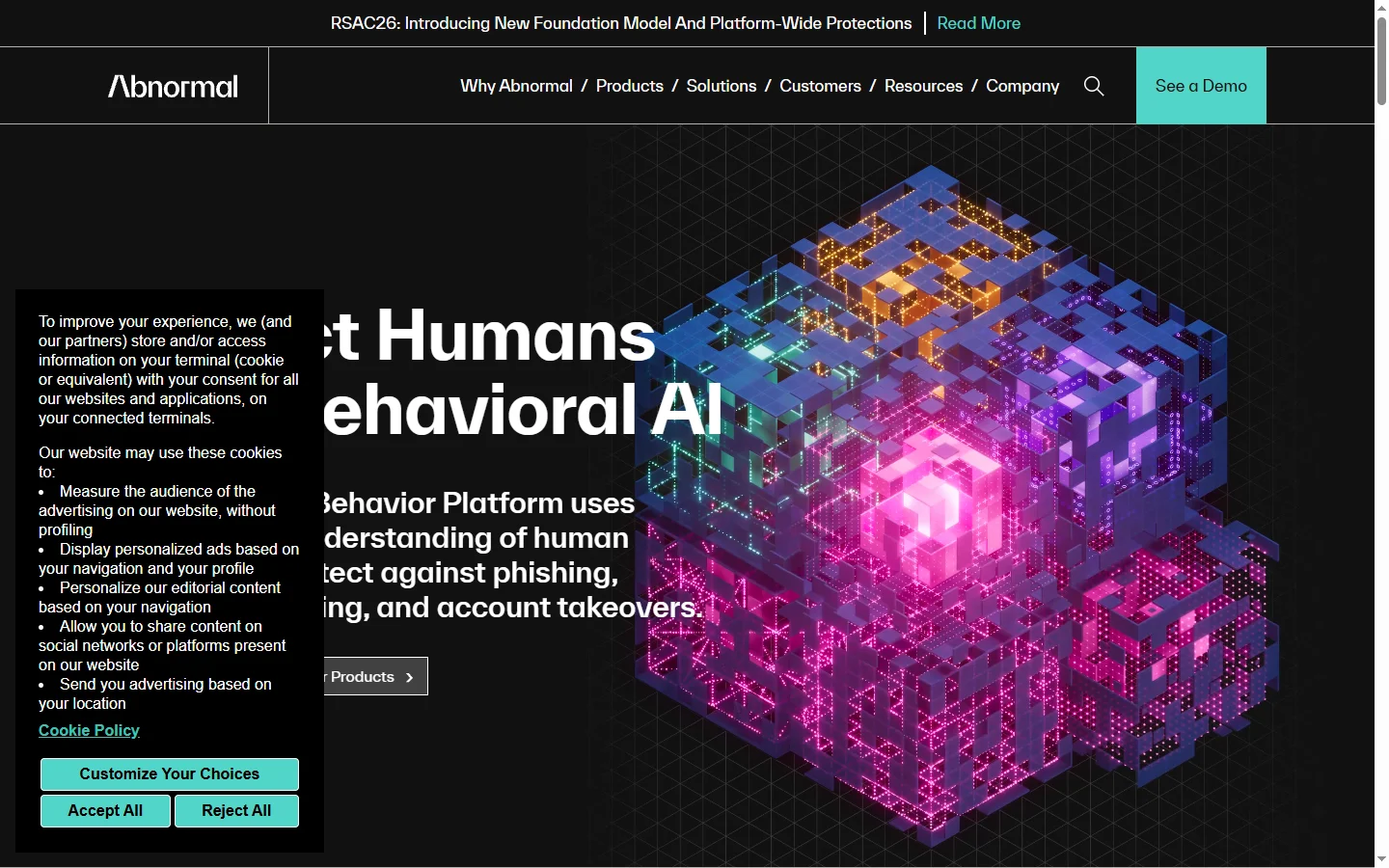
Abnormal AI uses behavioral AI to detect business email compromise, account takeover, and socially engineered phishing that bypasses secure email gateways.
Abridge AI
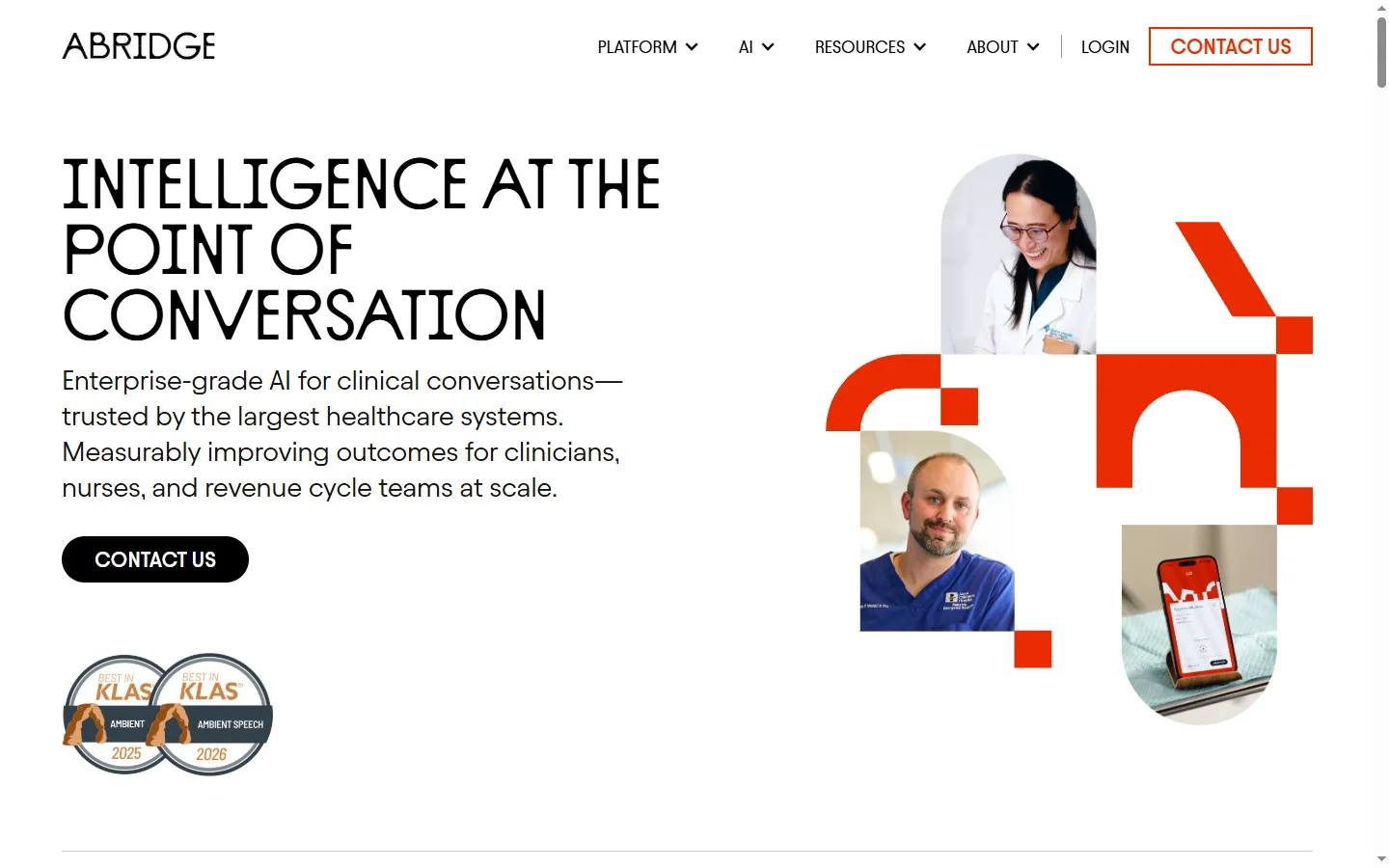
Abridge AI medical documentation platform that records and summarizes clinical conversations into structured physician notes in real time.

Air AI
Air AI conducts autonomous full-length AI phone calls for sales prospecting, appointment setting, and customer service without human agents.