
Patronus AI
Paid ✓ Verified 🔥 TrendingPatronus AI is an automated evaluation and guardrails platform for large language models, helping teams detect hallucinations, safety issues, and quality regressions.

📋 About Patronus AI
Patronus AI is an evaluation and safety platform for large language model applications that helps engineering and safety teams detect hallucinations, factual errors, policy violations, and quality regressions before deployment and during production. The platform provides automated evaluators tuned to specific failure modes that commonly appear in LLM outputs, runs them at scale against test datasets, and surfaces actionable insights about model behavior. Unlike manual review, patronus ai scales across thousands of test cases and model versions, making it practical to enforce quality bars on fast-moving AI products.
The product combines a library of pre-built evaluators with capabilities for teams to define custom metrics for their own use cases. Evaluators cover hallucination detection, PII leakage, toxicity, context adherence in RAG systems, and a growing catalog of domain-specific behaviors. Patronus guardrails can run inline at inference time to block or modify unsafe outputs before they reach end users, while offline evaluation suites catch regressions during CI. Shared benchmarks like FinanceBench and LegalBench let teams compare models on standardized industry-relevant tasks.
Patronus AI serves AI product teams, ML engineers, and safety researchers at companies deploying LLMs in regulated or high-stakes domains. Typical customers build enterprise chatbots, AI copilots, and agentic systems where a single bad answer can cause legal, reputational, or financial harm. Integrations with major model providers, observability stacks, and CI tools fit the platform into existing AI development workflows. A strong research team publishes open benchmarks and contributes to the broader LLM evaluation community.
⚡ Key Features of Patronus AI
Automated LLM Evaluators
Patronus ai ships a library of pre-built evaluators tuned to common LLM failure modes including hallucinations, factual errors, context adherence, toxicity, and PII leakage. Each evaluator is validated against human-labeled datasets to ensure judgment quality matches expert reviewers. Running thousands of test cases through these evaluators is fast enough to fit into CI pipelines. Custom evaluators can be added when teams need metrics specific to their domain or product.
Hallucination Detection
A specialized set of evaluators identifies when model outputs make unsupported factual claims relative to provided context or source documents. This is particularly critical for RAG systems where answers are expected to be grounded in retrieved material. The evaluators highlight specific sentences or claims that lack support, making review actionable for developers fixing prompts or retrieval logic. Detection accuracy is tracked against human-labeled benchmarks.
Inline Guardrails
Guardrails run at inference time to detect and block unsafe, off-policy, or low-quality outputs before they reach end users. Policies can be configured to block, modify, or escalate flagged outputs based on severity and use case. Latency is kept low enough to run on every request in production chatbots and agent systems. This provides defense in depth alongside upstream prompt engineering and model selection.
Custom Evaluator Framework
Teams can define custom evaluators using natural-language rubrics, code-based checks, or a combination of both. This lets domain experts encode their quality bar directly — for example, a legal team might define an evaluator for citation accuracy or jurisdictional correctness. Custom evaluators use the same scaling and integration infrastructure as built-in ones. Version-controlled evaluator definitions make quality bars part of the engineering artifact set.
Benchmark Suites
Patronus publishes industry-focused benchmarks including FinanceBench, LegalBench-like suites, and domain-specific evaluation datasets for finance, legal, and healthcare. These provide standardized scorecards for comparing different models and versions on realistic tasks. The benchmarks are developed with input from practicing domain experts rather than generic crowd workers. Benchmark results inform model selection and prompt iteration decisions.
Production Monitoring
Beyond offline evaluation, patronus ai monitors production traffic to detect quality regressions, emerging failure modes, and drift over time. Sampled outputs are evaluated continuously and flagged events trigger alerts for on-call engineers. Historical trends help teams understand how model behavior changes with prompt updates, data changes, or model version upgrades. This closes the loop between pre-deployment testing and live operations.
CI/CD and Observability Integrations
Native integrations with major model providers, CI systems, and observability platforms let teams embed evaluation into their existing workflows rather than adopting a separate stack. Test failures block model promotion to production, and evaluation metrics flow into dashboards alongside other engineering KPIs. SDKs for Python and other major languages minimize integration effort. This makes LLM quality a standard engineering discipline rather than an afterthought.
🎯 Use Cases for Patronus AI
⚖️ Patronus AI Pros & Cons
Advantages
- ✓Strong library of pre-built evaluators for common failure modes
- ✓Inline guardrails usable in production with low latency
- ✓Custom evaluator framework supports domain-specific metrics
- ✓Industry benchmarks enable standardized model comparison
- ✓Integrates with CI/CD and major observability tools
Drawbacks
- ✗Enterprise pricing puts it out of reach for small teams
- ✗Custom evaluator accuracy depends on prompt quality
- ✗Domain coverage still expanding outside finance and legal
- ✗Initial setup requires instrumentation of existing LLM apps
📖 How to Use Patronus AI
Sign up at patronus.ai and request access to the platform or start with available self-service plans.
Instrument your LLM application using the Python SDK to log prompts, responses, and context for evaluation.
Configure pre-built evaluators relevant to your use case such as hallucination detection or context adherence.
Define any custom evaluators needed for domain-specific metrics using natural-language rubrics or code.
Run evaluation suites against test datasets during CI to catch regressions before deployment.
Enable inline guardrails in production traffic and monitor continuous evaluation results in the dashboard.
❓ Patronus AI FAQ
Patronus ai is an evaluation and guardrails platform for large language models that helps teams detect hallucinations, safety issues, and quality regressions before deployment and during production.
Specialized evaluators compare model outputs against provided context or reference material to identify unsupported factual claims. The evaluators are validated against human-labeled datasets and highlight specific sentences lacking support.
Yes. Inline guardrails run at inference time to block or modify unsafe outputs before they reach end users, and production monitoring continuously evaluates sampled traffic for quality issues.
Patronus AI is particularly popular in finance, legal, healthcare, and other regulated industries where LLM errors carry significant risk. Industry-specific benchmarks and domain-aware evaluators support these sectors.
Yes. The platform is model-agnostic and integrates with OpenAI, Anthropic, Google, open-source models, and proprietary fine-tuned models through standard SDKs and APIs.
Related to Patronus AI

Accrete AI
Accrete AI builds autonomous enterprise AI agents for defense, government, and commercial intelligence workflows.

Ace AI
Ace AI is an AI-powered interview and career coach that helps job seekers prepare with mock interviews, resume feedback, and personalized career guidance.

Actively AI
Actively AI is an AI sales prospecting platform that researches accounts, identifies buyer signals, and writes personalized outbound at pipeline scale.

Airship AI
Airship AI provides video intelligence and data management solutions that use AI to search, analyze, and secure large-scale video evidence.
Featured on WhatIf.ai
Add this badge to your website to show you're listed on WhatIf AI
Alternatives to Patronus AI
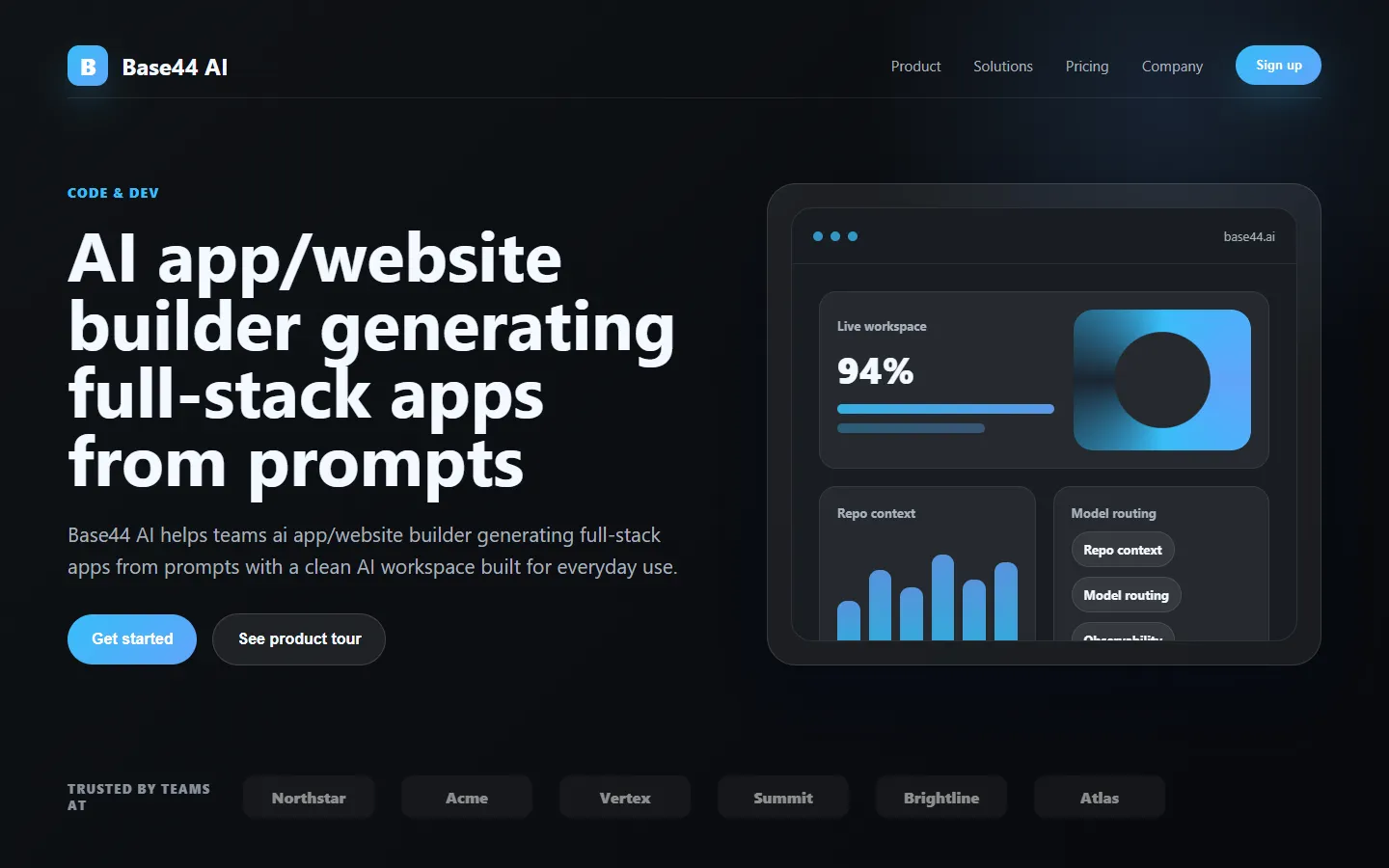

Base44 AI
Base44 AI is an AI app builder and website builder that generates full-stack web applications from natural language descriptions with backend, database, and UI included.
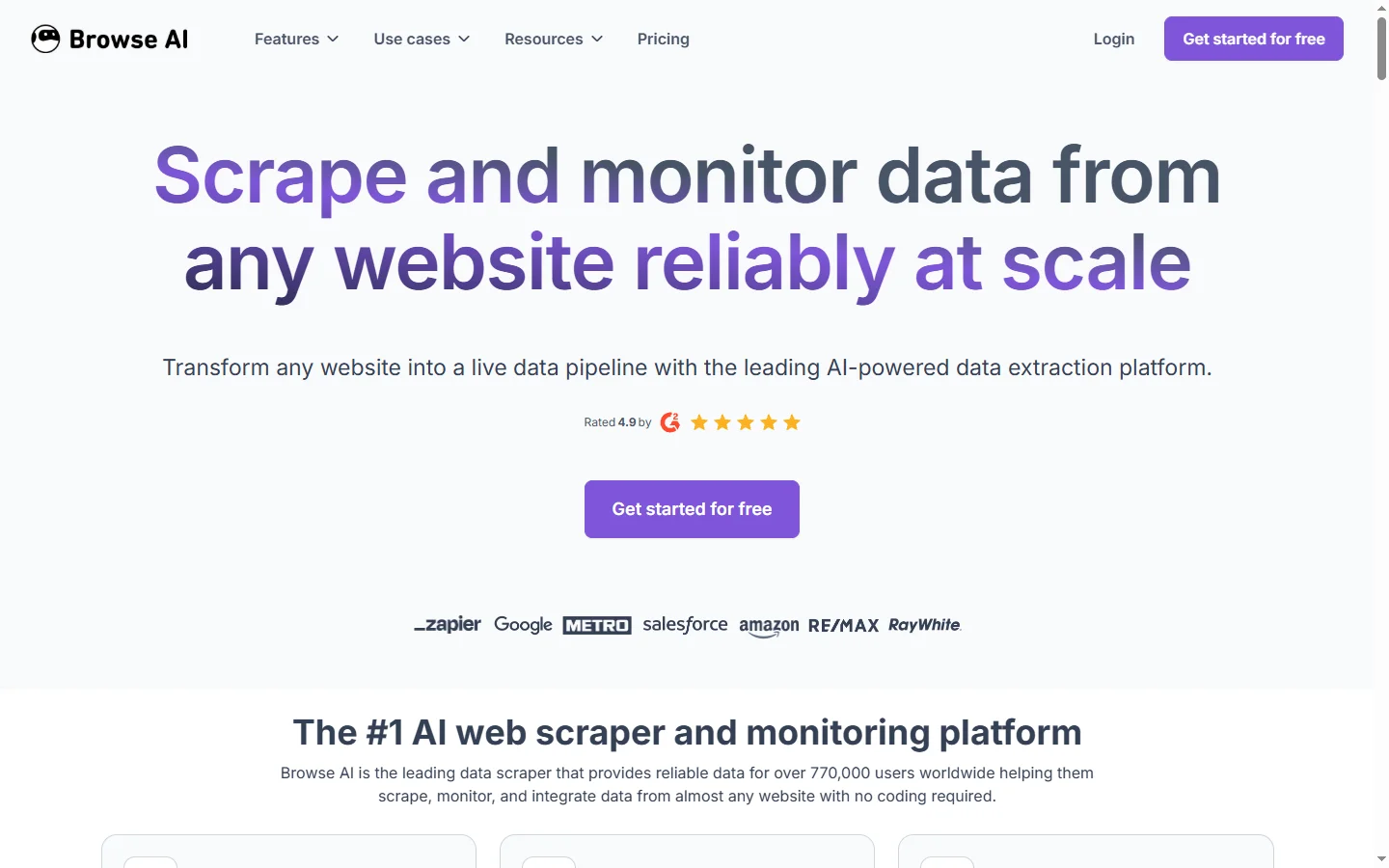

Browse AI
Browse AI is a no-code web scraping and monitoring tool that extracts structured data from any website and tracks changes over time without writing code.


Cantina AI
Cantina AI is a freemium platform for building and deploying full-stack web applications using AI-assisted development with live preview and one-click deployment.
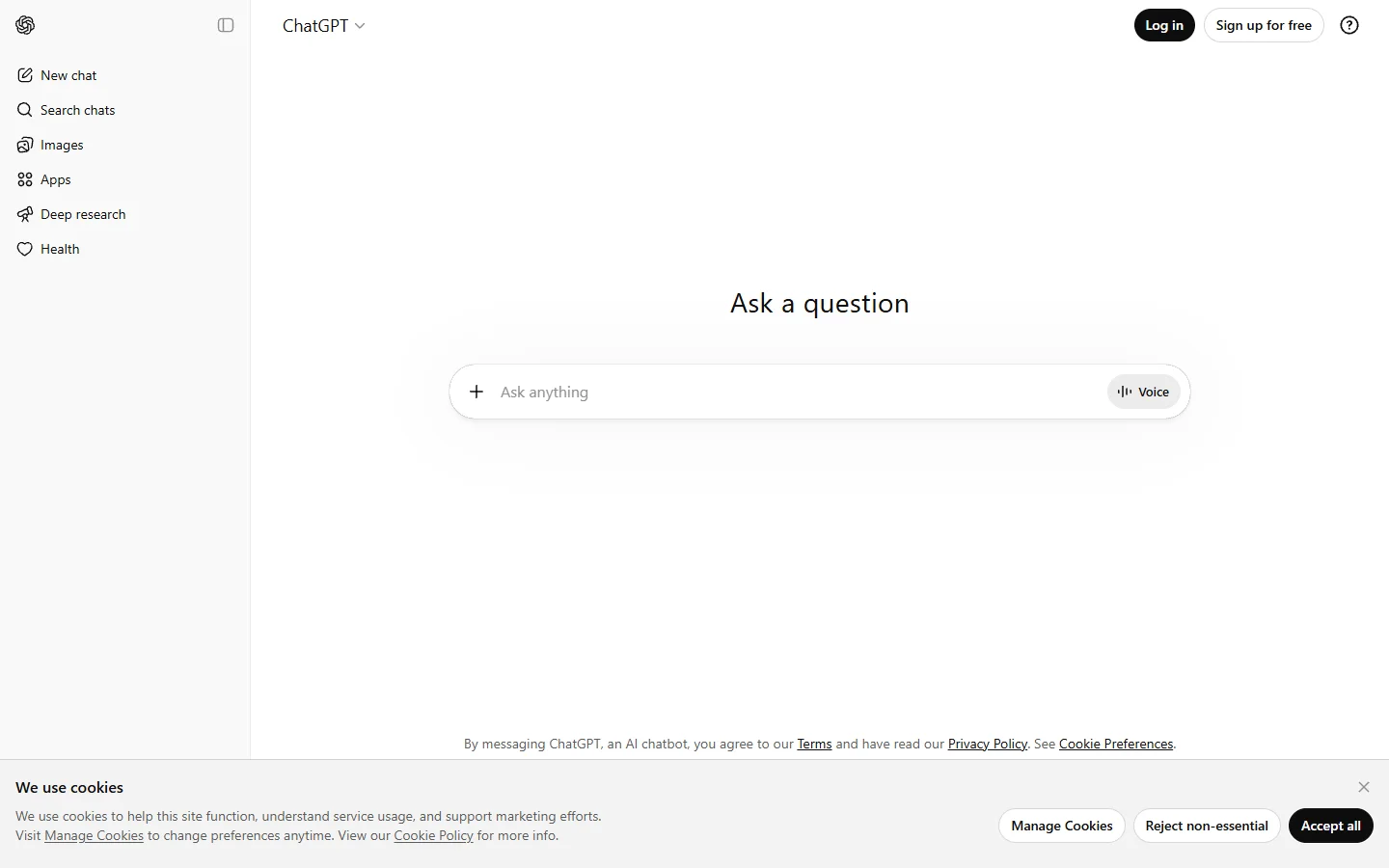

ChatGPT
ChatGPT AI assistant by OpenAI for writing, coding, research, image analysis, and everyday problem-solving.