
Paige AI
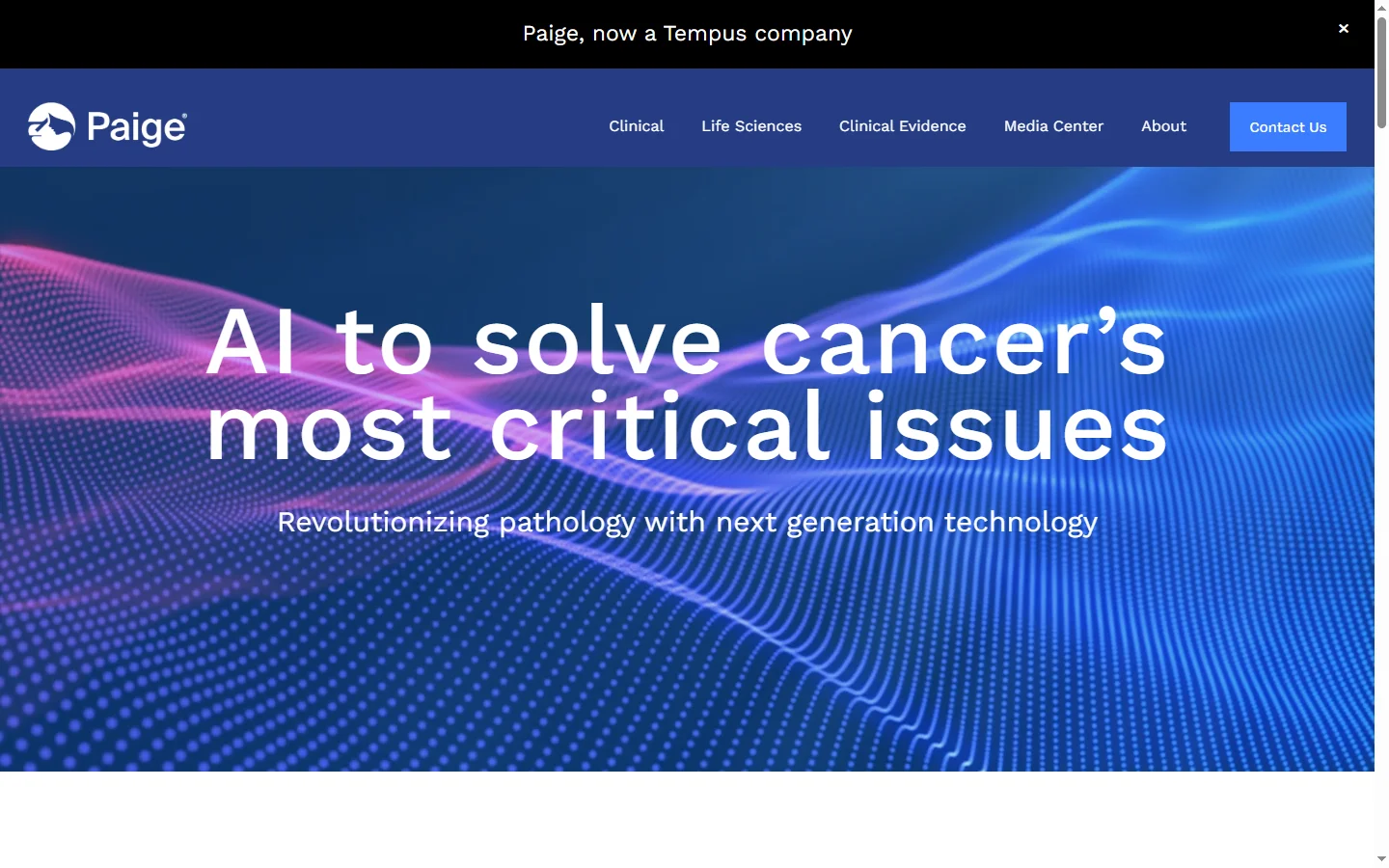
Paid ✓ VerifiedPaige AI is an FDA-cleared computational pathology platform that uses deep learning to help pathologists diagnose cancer faster and with greater accuracy.
📋 About Paige AI
Paige AI is a clinical-grade computational pathology platform that applies deep learning to digitized tissue slides to help pathologists detect and diagnose cancer. The company was founded by researchers and clinicians from Memorial Sloan Kettering and has received FDA clearance for its flagship prostate cancer detection product. Paige AI does not replace pathologists but acts as a second reader that flags regions of interest, quantifies suspicious patterns, and surfaces cases that need priority attention.
The platform is trained on millions of annotated slides curated from one of the largest clinical pathology archives in the world. This scale is essential because pathology is a domain where subtle visual patterns distinguish benign from malignant tissue, and training data quality directly determines model reliability. Paige AI integrates into existing laboratory information systems and digital pathology viewers so pathologists can work within their existing environment rather than switching to a separate tool.
Paige AI serves hospital pathology departments, reference laboratories, and research institutions that want to improve diagnostic accuracy, reduce turnaround time, and standardize quality across pathologists of varying experience. The platform is also used by pharmaceutical companies running clinical trials that need consistent, auditable evaluation of tissue biomarkers across large cohorts.
⚡ Key Features of Paige AI
FDA-Cleared Prostate Detection
Paige Prostate Detect is the first AI product for pathology to receive FDA clearance as a diagnostic aid. This is a major regulatory milestone that distinguishes Paige AI from research-only tools. Clearance enables routine clinical use in supported workflows.
Whole-Slide Image Analysis
The platform analyzes gigapixel whole-slide images at multiple magnifications, mirroring the way pathologists actually examine tissue. Region-of-interest heatmaps guide attention to areas most likely to contain cancer. This is dramatically faster than manual scanning.
Multi-Cancer Coverage
Beyond prostate, Paige AI offers models for breast, colon, lymph node, and other cancer types, with ongoing expansion into additional tumor sites. This breadth lets labs adopt a single platform across most of their casework rather than juggling point solutions.
Biomarker Quantification
Paige AI quantifies biomarkers relevant to treatment decisions such as hormone receptor status and immune infiltration. This is particularly valuable in oncology where treatment depends on precise biomarker thresholds. Quantification is consistent across pathologists and laboratories.
LIS and Viewer Integrations
The platform integrates with major laboratory information systems and digital pathology viewers so pathologists work in the tools they already use. This removes workflow friction that often blocks adoption of new diagnostic tools. Reports flow back into LIS for reporting.
Research and Clinical Trial Support
Pharmaceutical companies use Paige AI for consistent biomarker scoring across clinical trial cohorts, supporting regulatory submissions. The platform's auditability is essential for regulated research. Study-specific models can be trained on sponsor data under appropriate governance.
🎯 Use Cases for Paige AI
⚖️ Paige AI Pros & Cons
Advantages
- ✓FDA-cleared products suitable for routine clinical use
- ✓Trained on one of the largest curated pathology archives
- ✓Integrates with existing LIS and pathology viewers
- ✓Multi-cancer coverage across a single platform
- ✓Supports both clinical diagnosis and clinical trial workflows
Drawbacks
- ✗Requires digitized whole-slide imaging infrastructure to deploy
- ✗Designed for clinical and research institutions rather than individuals
- ✗Regulatory clearance varies by country and product
📖 How to Use Paige AI
Contact Paige AI via paige.ai to arrange a clinical or research engagement.
Ensure your laboratory has digitized whole-slide imaging infrastructure in place.
Work with Paige AI to integrate with your LIS and digital pathology viewer.
Complete validation on local data as required by your regulatory region.
Enable AI-assisted reading for supported cancer types in the pathologist workflow.
Review analytics on turnaround time, detection rate, and workflow impact to expand deployment.
❓ Paige AI FAQ
Yes. Paige Prostate Detect received FDA clearance as a diagnostic aid. Other products have various regulatory statuses depending on region.
No. Paige AI acts as an assistive second reader. Pathologists remain responsible for diagnosis and sign-out.
Prostate, breast, colon, lymph node, and additional tumor types with continuing expansion.
Yes. Paige AI supports biomarker scoring and analysis workflows in clinical trials under appropriate governance.
Yes. Paige AI requires whole-slide digital pathology imaging. Labs using glass-only workflows would need to digitize first.
Related to Paige AI

15.ai
15.ai is a free AI voice cloning tool famous for generating realistic speech from cartoon, video game, and animated show characters using as little as 15 seconds of source audio.

Abby AI
Abby AI is an AI therapy and mental wellness chatbot that offers CBT-informed conversations, mood tracking, and self-guided coping tools.

Accrete AI
Accrete AI builds autonomous enterprise AI agents for defense, government, and commercial intelligence workflows.

Ace AI
Ace AI is an AI-powered interview and career coach that helps job seekers prepare with mock interviews, resume feedback, and personalized career guidance.
Featured on WhatIf.ai
Add this badge to your website to show you're listed on WhatIf AI
Alternatives to Paige AI

Chalkie AI
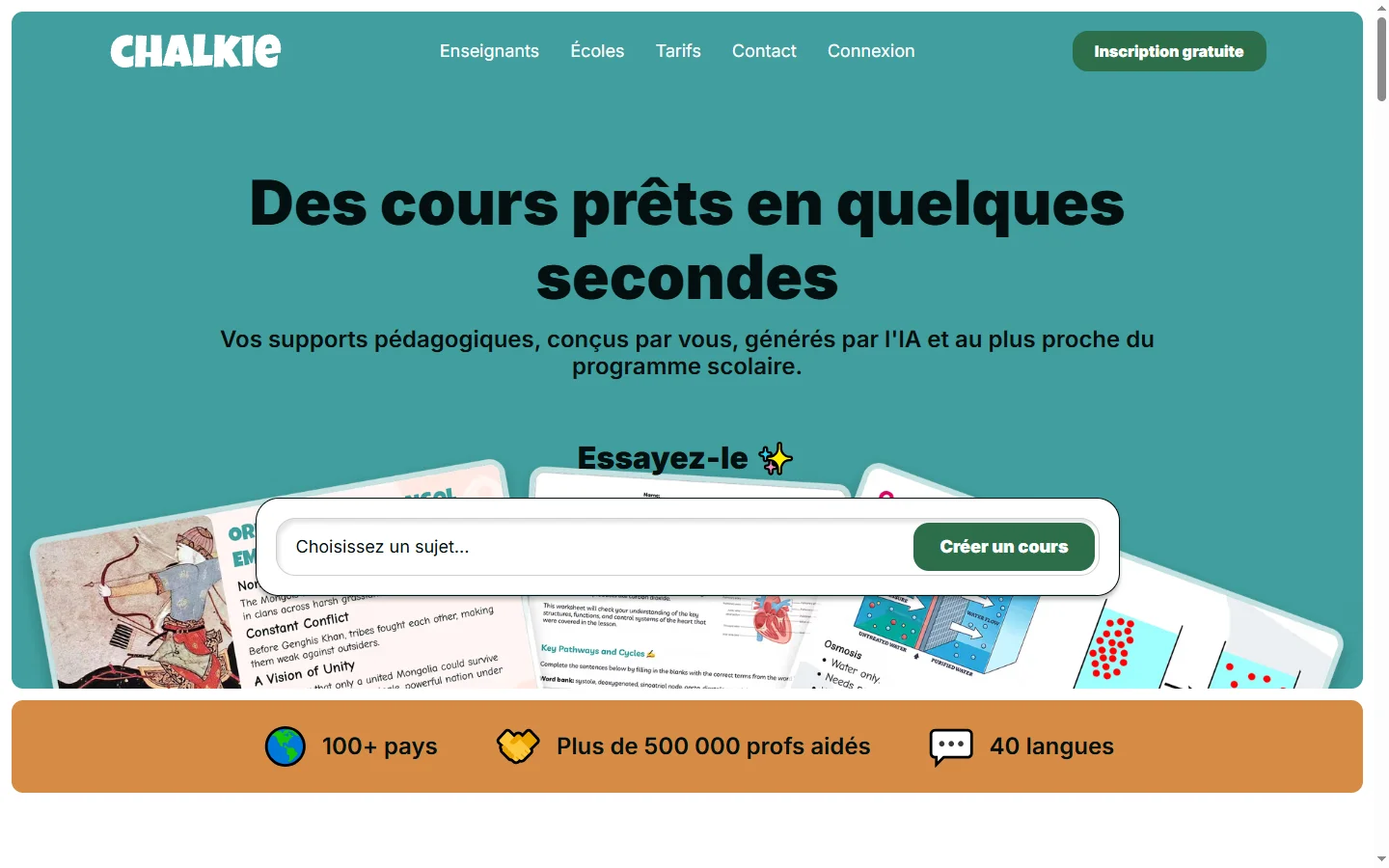
Chalkie AI creates lesson plans, worksheets, quizzes, and differentiated materials mapped to curriculum standards for teachers and tutors.

ChatGPT
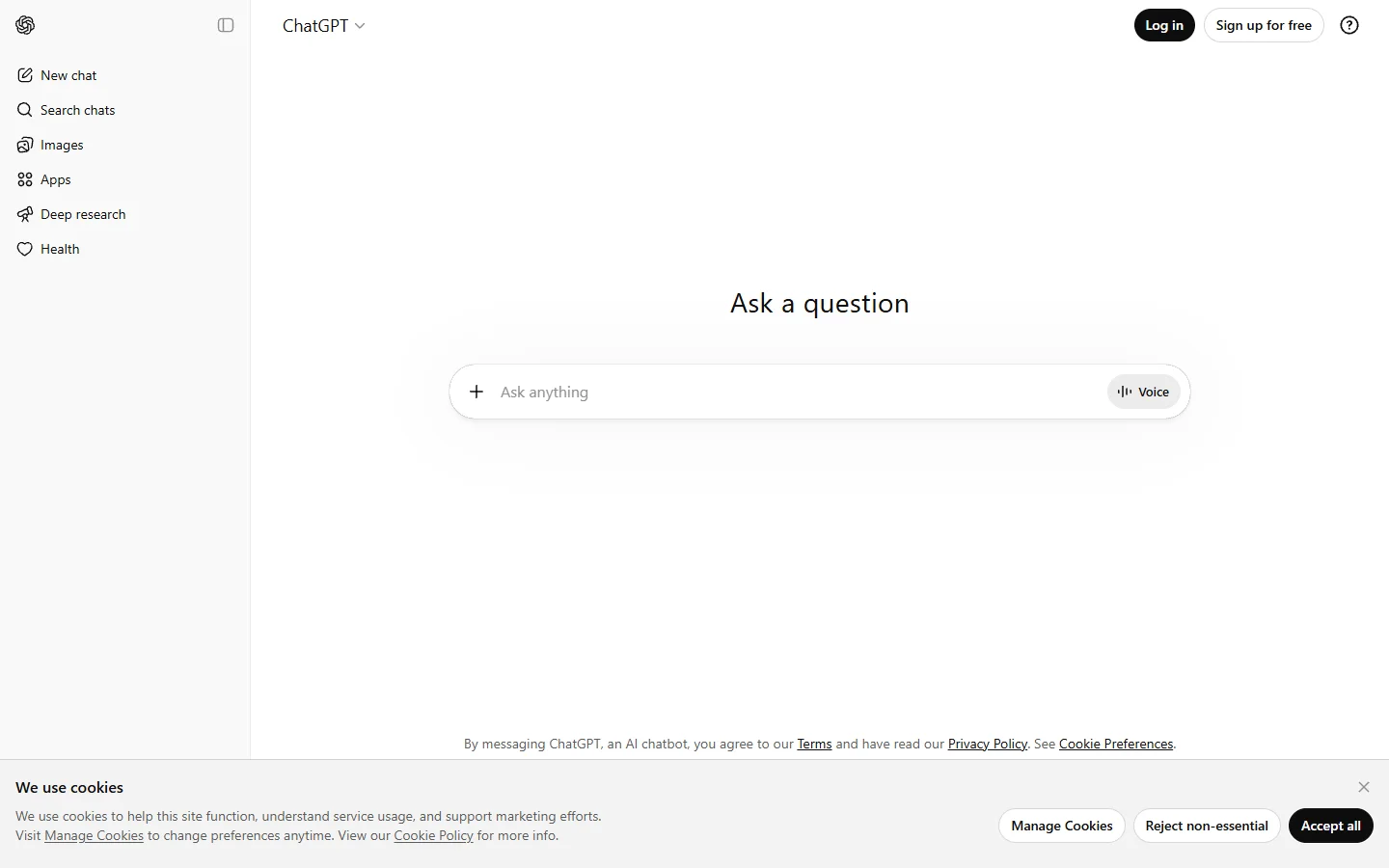
ChatGPT AI assistant by OpenAI for writing, coding, research, image analysis, and everyday problem-solving.

Cheater Buster AI
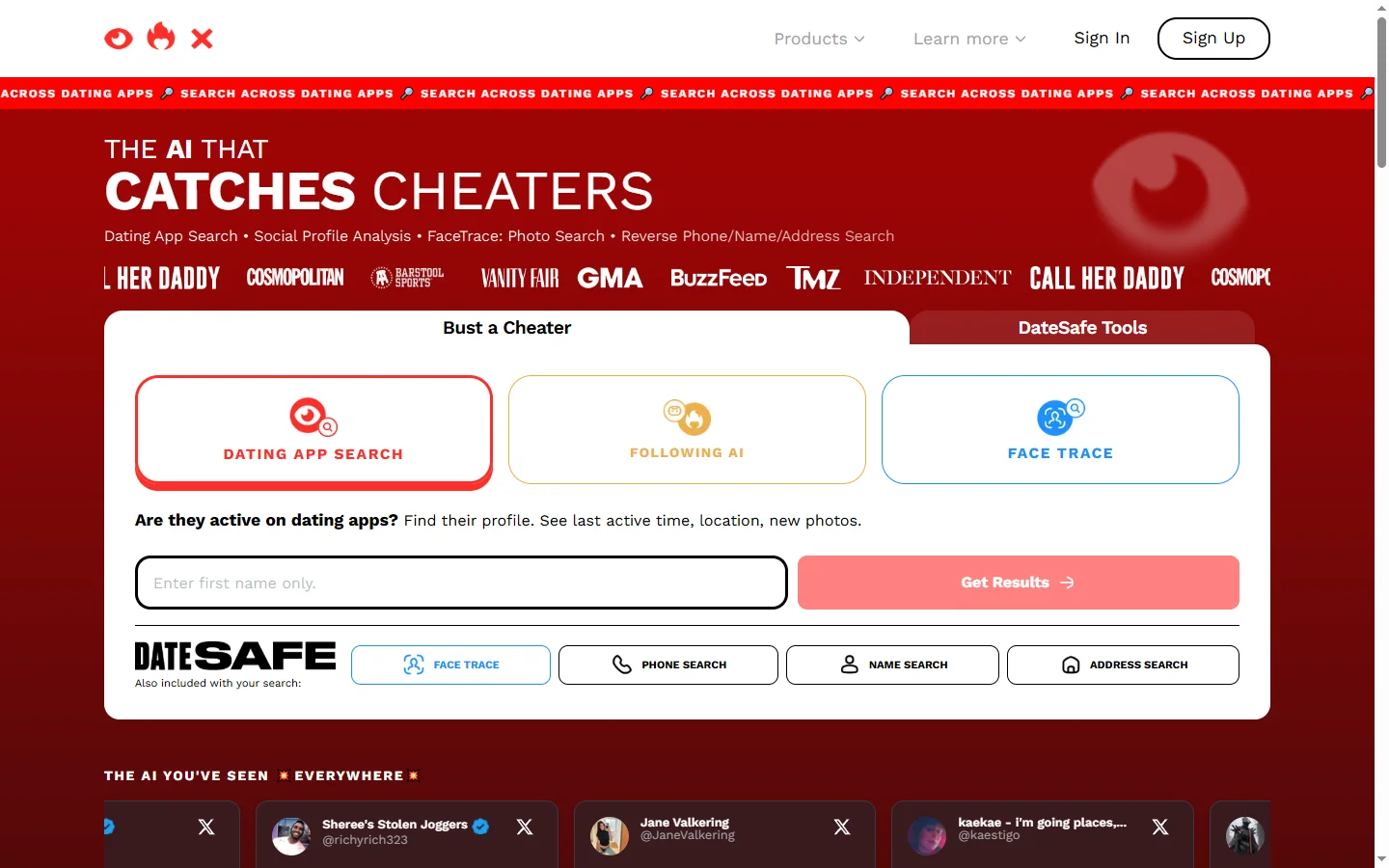
Cheater buster ai tool that searches dating apps by name and location to find matching profiles discreetly.

Claude
Claude AI assistant by Anthropic with a 200K context window, strong reasoning, and safety-focused design for writing, coding, and analysis.