
Orchid AI
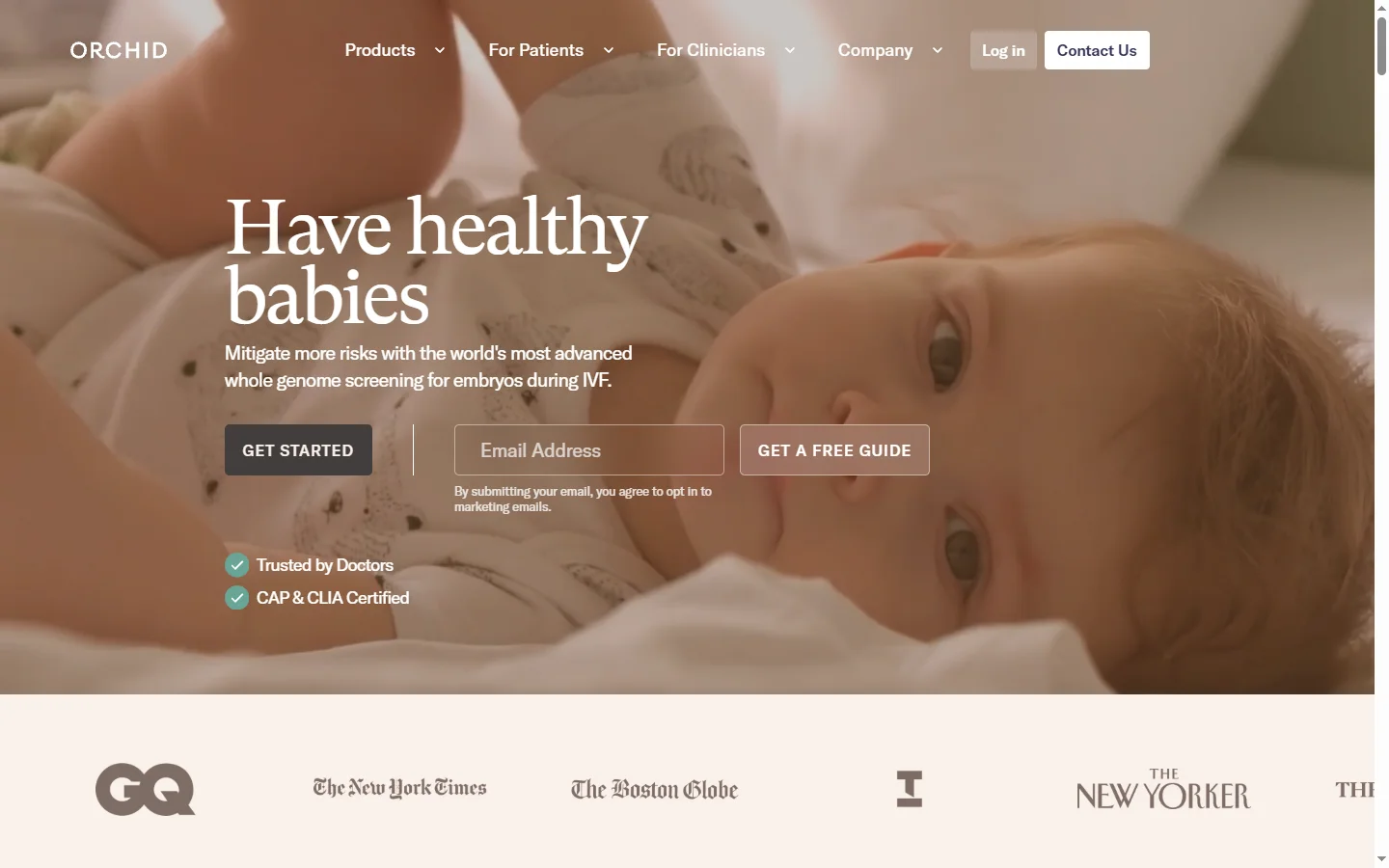
Paid ✓ Verified 🔥 TrendingOrchid AI is a next-generation reproductive health platform that uses whole-genome sequencing and AI to screen embryos for hereditary disease risks.
📋 About Orchid AI
Orchid AI is a reproductive health platform that applies whole-genome sequencing and machine learning to help prospective parents understand hereditary disease risk in embryos created through in vitro fertilization. Unlike legacy preimplantation genetic testing that samples only a small portion of the genome, Orchid AI sequences more than 99 percent of the embryo genome from a tiny biopsy and produces a comprehensive risk profile across hundreds of severe conditions.
The platform combines laboratory science with AI models that compute polygenic risk scores for conditions influenced by many genes rather than single variants. Results are presented in clinician-reviewed reports designed for genetic counselors and patients, with careful framing around what the scores mean and do not mean. Orchid AI is intentionally conservative in its communications, emphasizing the difference between predispositions and deterministic outcomes.
Orchid AI serves couples undergoing IVF who want more information about the embryos created during treatment, especially those with known family history of serious genetic conditions. The platform works with fertility clinics that integrate its biopsy and reporting workflow, and with genetic counselors who guide patients through complex decisions that the technology makes available.
⚡ Key Features of Orchid AI
Whole-Genome Embryo Sequencing
Orchid AI sequences more than 99 percent of the embryo genome from a small biopsy, a dramatic increase over legacy panels that sample only selected loci. This comprehensive approach enables assessment of rare conditions and complex traits that targeted panels miss. It represents a generational leap in embryo genomic screening.
Polygenic Risk Scoring
The platform applies AI models to compute polygenic risk scores for conditions influenced by many genes rather than single variants, covering conditions like heart disease, diabetes, and certain cancers. Scores are presented alongside clear explanations of what they mean and do not mean. Orchid AI emphasizes predisposition over determinism.
Monogenic Disease Screening
Orchid AI detects single-gene disease variants with high sensitivity, covering a broad catalog of conditions beyond standard PGT panels. For couples with a known family history, this offers peace of mind and specific information for family planning. Reports are generated with clinician review.
Clinician-Reviewed Reports
All results are reviewed by licensed clinicians and presented through reports designed for genetic counselors and patients. The reports avoid overclaiming and emphasize the context needed to make informed decisions. Counseling support is available throughout the process.
Privacy-First Data Handling
Genetic data is stored with strong encryption, and Orchid AI publishes its data handling commitments publicly. Users can delete their data on request. This matters enormously given the sensitivity of genomic information about unborn children.
Clinic Integration
Orchid AI integrates with fertility clinics to handle biopsy logistics, shipping, and result delivery within existing workflows. Patients do not need to coordinate separately with the platform. Participating clinics receive training on interpreting and discussing the expanded reports.
🎯 Use Cases for Orchid AI
⚖️ Orchid AI Pros & Cons
Advantages
- ✓Whole-genome coverage far beyond legacy embryo panels
- ✓Combined monogenic and polygenic insight in a single report
- ✓Clinician review and counseling support prevent overclaiming
- ✓Integrates with existing fertility clinic workflows
- ✓Strong privacy commitments for genomic data
Drawbacks
- ✗High cost and limited to patients already undergoing IVF
- ✗Polygenic risk scores remain an area of ethical debate
- ✗Clinical availability varies by region and clinic partnership
📖 How to Use Orchid AI
Discuss Orchid AI with your fertility clinic to confirm availability as part of your IVF cycle.
Complete the Orchid AI intake, including family history and consent forms.
Your clinic performs the embryo biopsy and ships the samples to Orchid AI under secure logistics.
Orchid AI sequences the genome and generates monogenic and polygenic risk reports.
Review the clinician-reviewed report with your genetic counselor and fertility team.
Make informed transfer decisions based on combined medical and personal context.
❓ Orchid AI FAQ
Orchid AI focuses on embryo screening during IVF. Other genomic services may be offered depending on the market.
No. Polygenic scores indicate predispositions, not certainty. Orchid AI emphasizes this distinction throughout the counseling and reporting process.
Data is stored with strong encryption and governed by published privacy commitments. Users can request deletion.
Orchid AI partners with a growing network of fertility clinics. Availability varies by region.
Coverage depends on the insurer, plan, and jurisdiction. Many patients pay out of pocket as part of IVF.
Related to Orchid AI

15.ai
15.ai is a free AI voice cloning tool famous for generating realistic speech from cartoon, video game, and animated show characters using as little as 15 seconds of source audio.

Abby AI
Abby AI is an AI therapy and mental wellness chatbot that offers CBT-informed conversations, mood tracking, and self-guided coping tools.

Accrete AI
Accrete AI builds autonomous enterprise AI agents for defense, government, and commercial intelligence workflows.

Ace AI
Ace AI is an AI-powered interview and career coach that helps job seekers prepare with mock interviews, resume feedback, and personalized career guidance.
Featured on WhatIf.ai
Add this badge to your website to show you're listed on WhatIf AI
Alternatives to Orchid AI

Chalkie AI
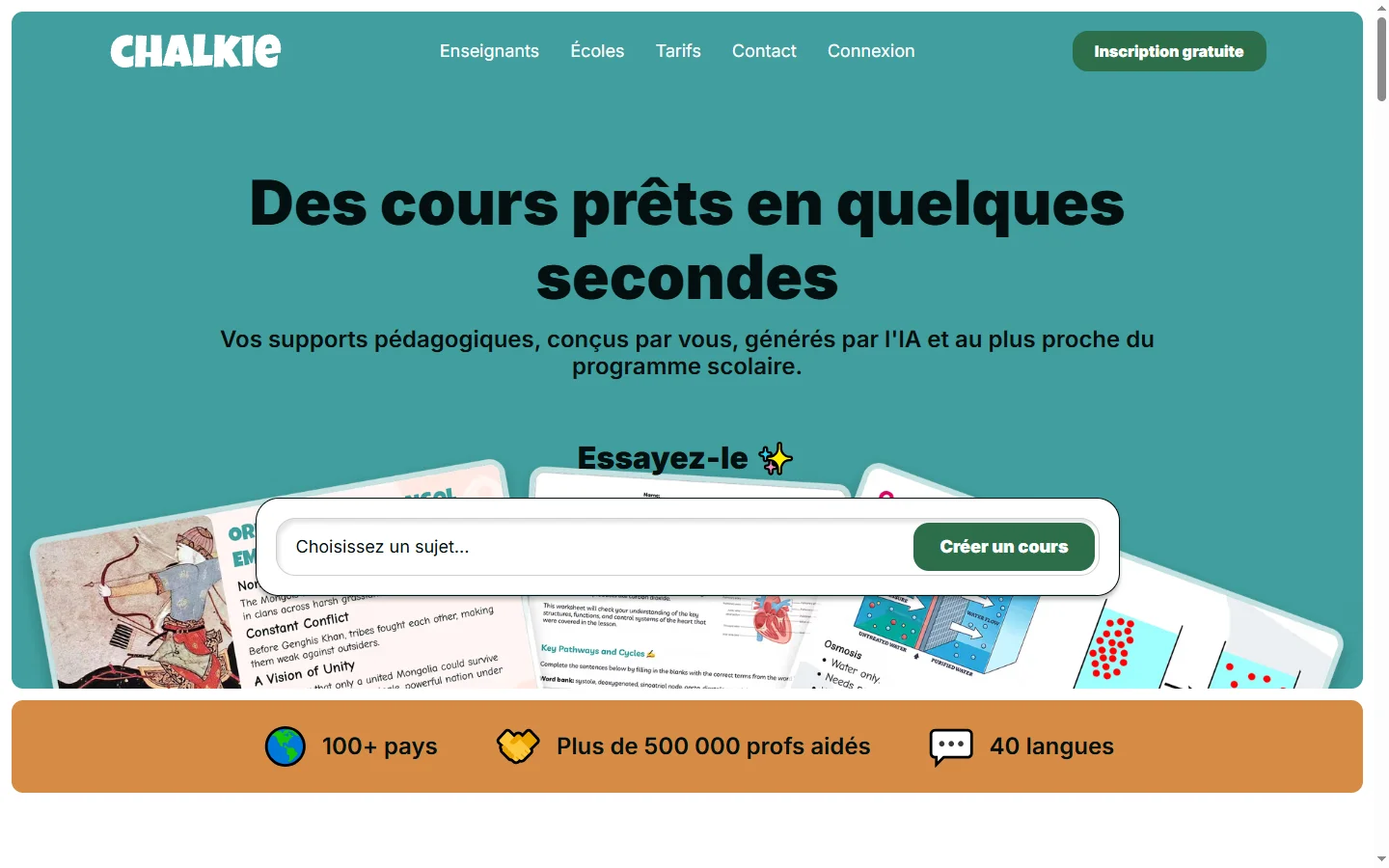
Chalkie AI creates lesson plans, worksheets, quizzes, and differentiated materials mapped to curriculum standards for teachers and tutors.

ChatGPT
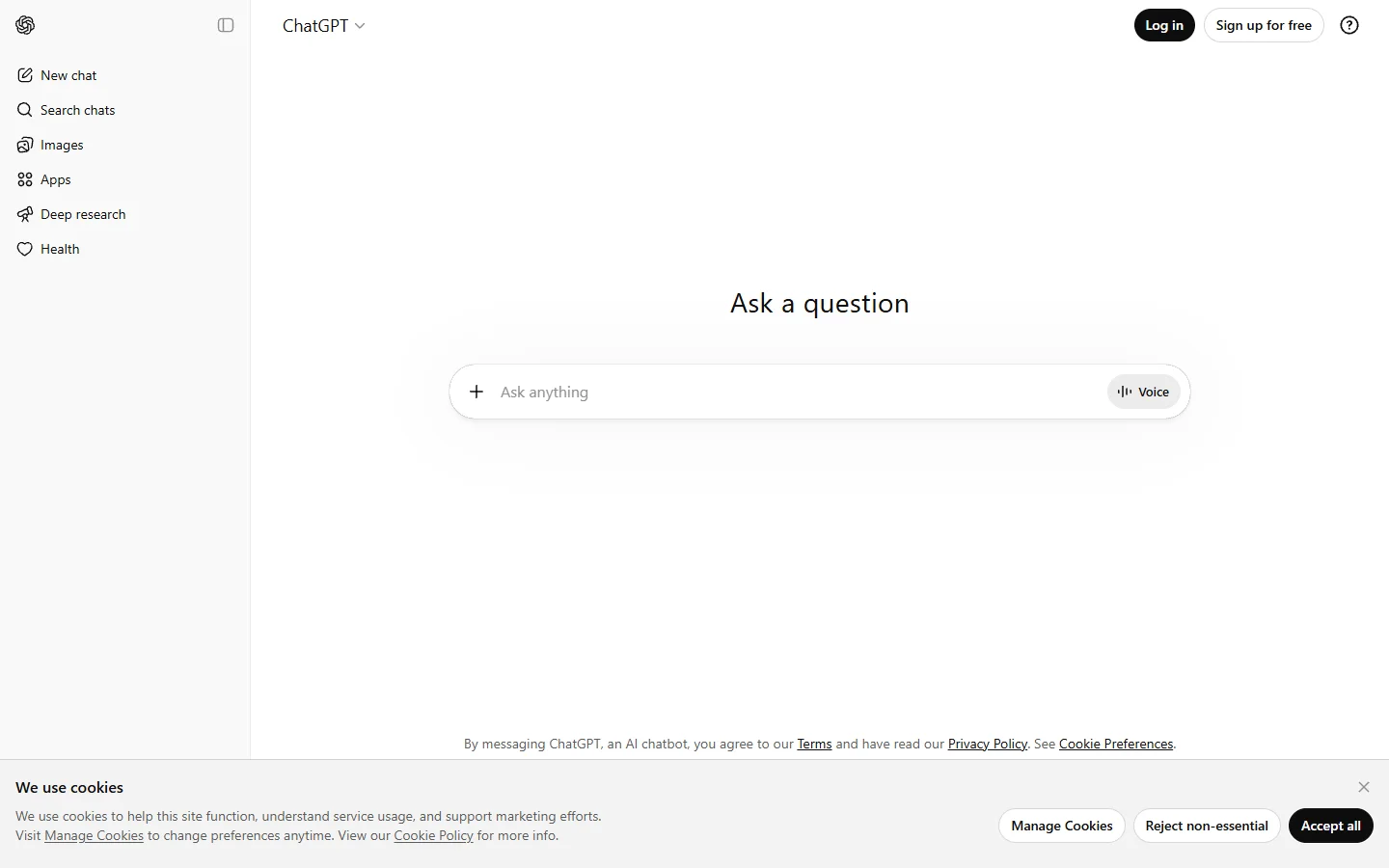
ChatGPT AI assistant by OpenAI for writing, coding, research, image analysis, and everyday problem-solving.

Cheater Buster AI
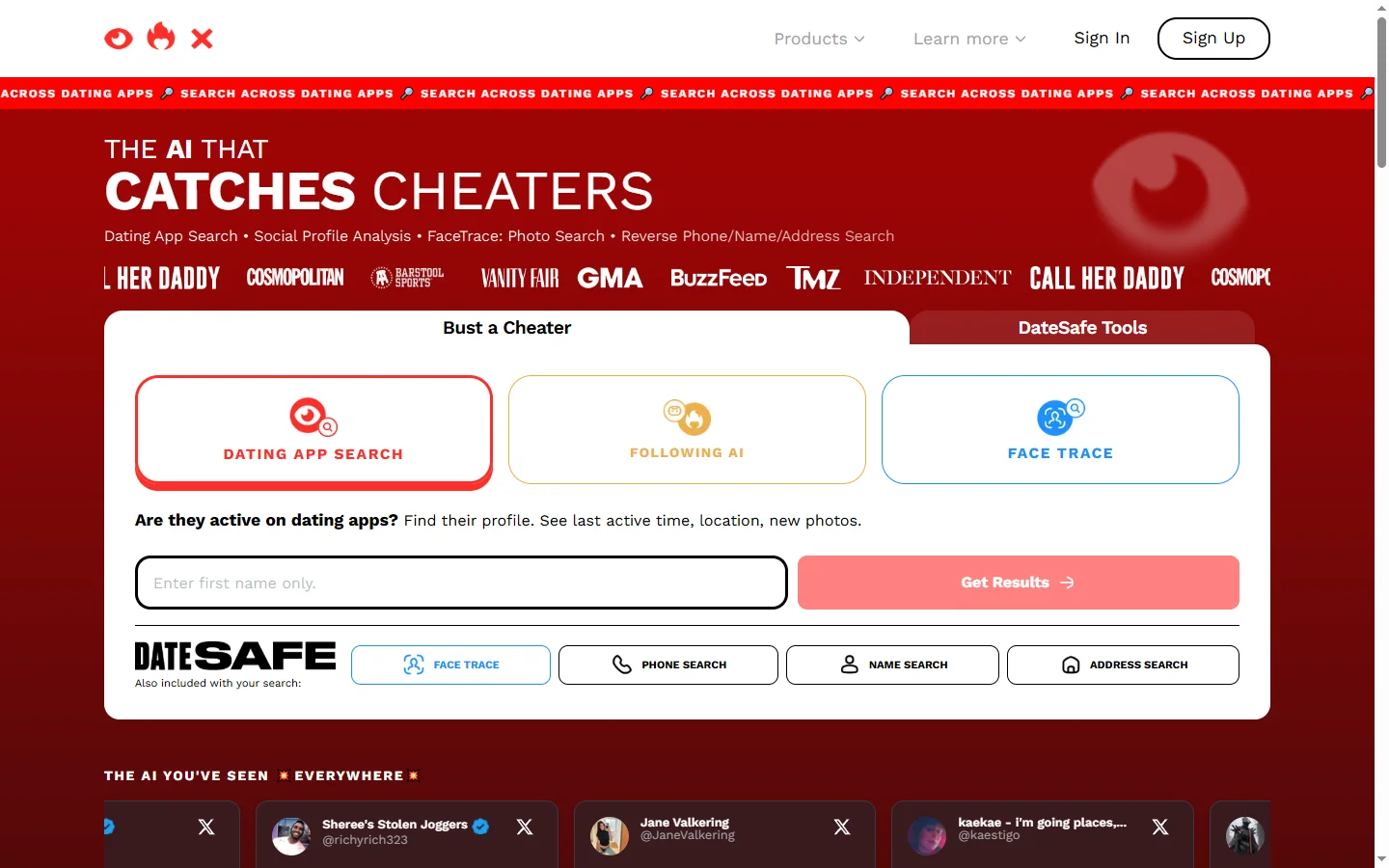
Cheater buster ai tool that searches dating apps by name and location to find matching profiles discreetly.

Claude
Claude AI assistant by Anthropic with a 200K context window, strong reasoning, and safety-focused design for writing, coding, and analysis.