
Omega AI
Paid ✓ VerifiedOmega AI is a cloud-native radiology platform that unifies PACS, RIS, and AI-powered diagnostic tools into a single workflow for imaging centers and hospitals.
📋 About Omega AI
Omega AI is a cloud-native radiology enterprise platform developed by RamSoft that combines picture archiving and communication system (PACS), radiology information system (RIS), and AI-powered diagnostic tools into a single unified workflow. Traditional radiology infrastructure often requires integrating multiple legacy systems that do not share a common design. Omega AI collapses those into a single cloud-native product designed around how modern radiologists actually work.
At the heart of Omega AI is an AI orchestration layer that integrates with dozens of third-party AI algorithms covering chest X-ray triage, breast cancer detection, stroke identification, pulmonary embolism detection, and many other findings. Radiologists see AI findings inline within the same viewer they use to read studies, rather than switching to separate tools. The platform also includes voice-driven reporting, worklist optimization, and mobile capabilities that let radiologists work from anywhere.
Omega AI serves imaging centers, teleradiology groups, and hospital radiology departments that need modern, cloud-based infrastructure without the costs and complexity of on-prem PACS deployments. It is particularly popular with growing teleradiology practices that need to add capacity quickly across geographies and with imaging centers that want AI augmentation without integrating a separate AI platform.
⚡ Key Features of Omega AI
Cloud-Native PACS and RIS
Omega AI is built from the ground up for the cloud rather than retrofitted, avoiding the performance and scalability issues of legacy on-prem PACS. Imaging centers can grow capacity without new hardware. Disaster recovery and multi-site access are built in.
AI Marketplace Integration
The platform integrates with dozens of third-party AI algorithms covering chest X-ray, mammography, stroke, pulmonary embolism, and many other findings. Radiologists use AI findings inline in the same viewer where they read studies. This single-pane-of-glass approach is rare in radiology.
Unified Worklist Optimization
Omega AI routes studies to the right radiologists based on subspecialty, geography, urgency, and workload. AI triage signals can escalate critical findings to the top of the queue. This significantly reduces turnaround time for findings that matter most.
Voice-Driven Reporting
Integrated voice recognition produces structured reports that match each facility's templates. Voice commands also drive worklist navigation and viewer actions. This keeps radiologists focused on the images rather than the tooling.
Mobile Radiology
Radiologists can triage worklists and review studies from mobile devices, with appropriate diagnostic workflow still on desktop viewers. Mobility is important for on-call coverage and growing teleradiology practices. Mobile workflows respect data security requirements.
Interoperability Standards
The platform supports DICOM, HL7, FHIR, and IHE profiles out of the box, simplifying integration with referring systems, electronic health records, and other clinical tools. This reduces the integration work that typically delays radiology deployments. Standards-first design also future-proofs investment.
🎯 Use Cases for Omega AI
⚖️ Omega AI Pros & Cons
Advantages
- ✓Cloud-native architecture removes on-prem scaling pain
- ✓AI marketplace eliminates separate AI integration projects
- ✓Unified PACS and RIS reduces vendor sprawl
- ✓Mobile workflows support modern teleradiology practices
- ✓Interoperability standards simplify EHR integration
Drawbacks
- ✗Cloud deployment may not fit regions with strict on-prem regulations
- ✗Full AI marketplace value depends on subscribed third-party algorithms
- ✗Transition from legacy PACS requires careful migration planning
📖 How to Use Omega AI
Engage RamSoft through ramsoft.com to arrange a demonstration and scoping.
Plan data migration from your existing PACS and RIS with the Omega AI team.
Configure worklists, templates, and integration with your referring systems.
Select third-party AI algorithms from the marketplace relevant to your practice.
Train radiologists on the unified viewer, voice reporting, and AI-in-the-workflow features.
Monitor utilization and turnaround analytics to optimize worklist and subspecialty routing.
❓ Omega AI FAQ
Omega AI is a unified platform that combines PACS, RIS, and AI orchestration in a single cloud-native product.
The marketplace includes algorithms for chest X-ray, mammography, stroke, pulmonary embolism, and many other findings across multiple third-party vendors.
Yes. The platform supports DICOM, HL7, FHIR, and IHE profiles out of the box.
The platform is cloud-native by design. Hybrid options may be discussed for specific regulatory environments.
Migration timelines depend on data volume and integration complexity, but RamSoft's team provides guided projects to minimize disruption.
Related to Omega AI

15.ai
15.ai is a free AI voice cloning tool famous for generating realistic speech from cartoon, video game, and animated show characters using as little as 15 seconds of source audio.

A2E AI
A2E AI productivity platform converts audio and video recordings into transcripts, summaries, and action items with speaker identification.

Abby AI
Abby AI is an AI therapy and mental wellness chatbot that offers CBT-informed conversations, mood tracking, and self-guided coping tools.

Abnormal AI
Abnormal AI uses behavioral AI to detect business email compromise, account takeover, and socially engineered phishing that bypasses secure email gateways.
Featured on WhatIf.ai
Add this badge to your website to show you're listed on WhatIf AI
Alternatives to Omega AI
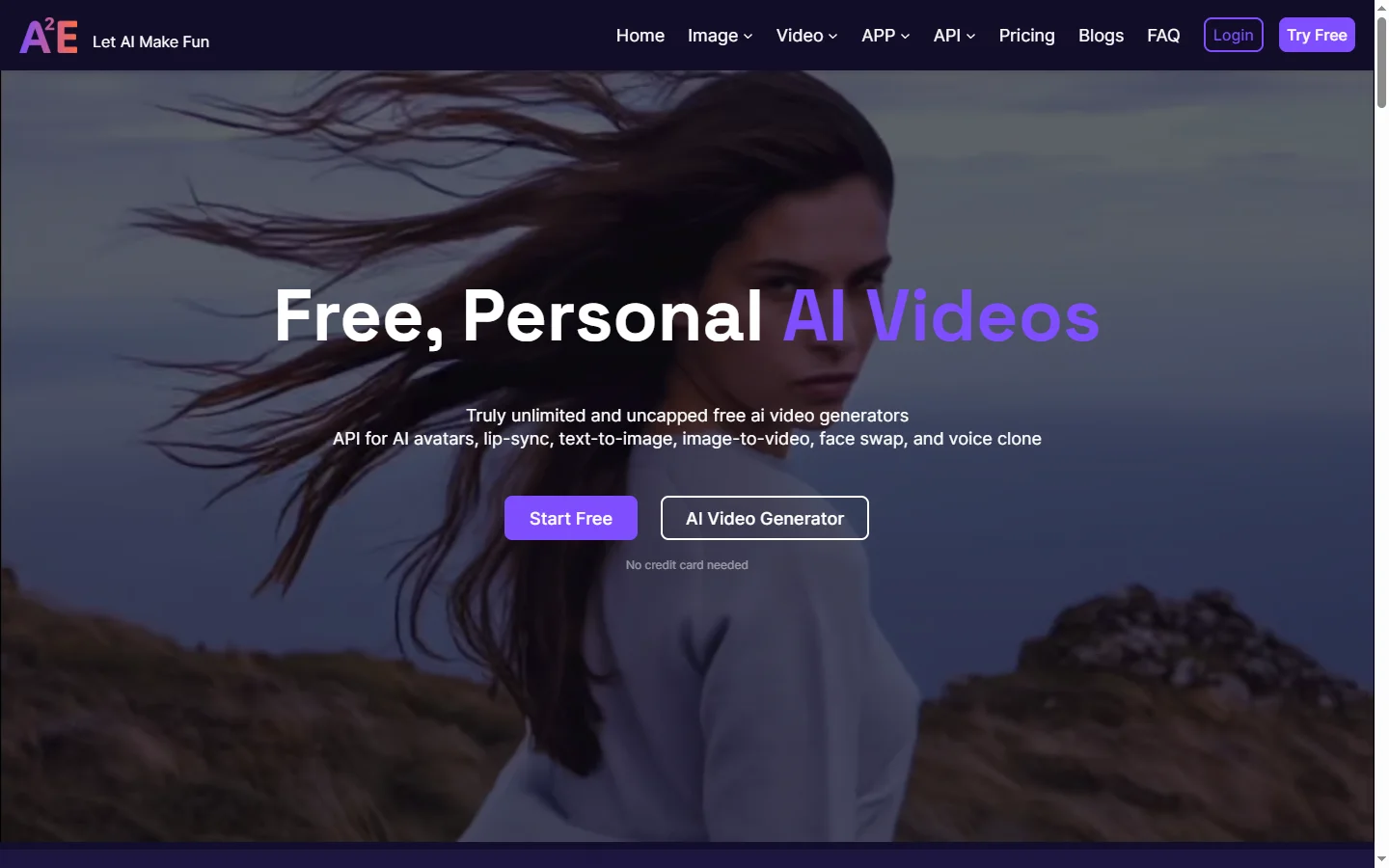
A2E AI
A2E AI productivity platform converts audio and video recordings into transcripts, summaries, and action items with speaker identification.
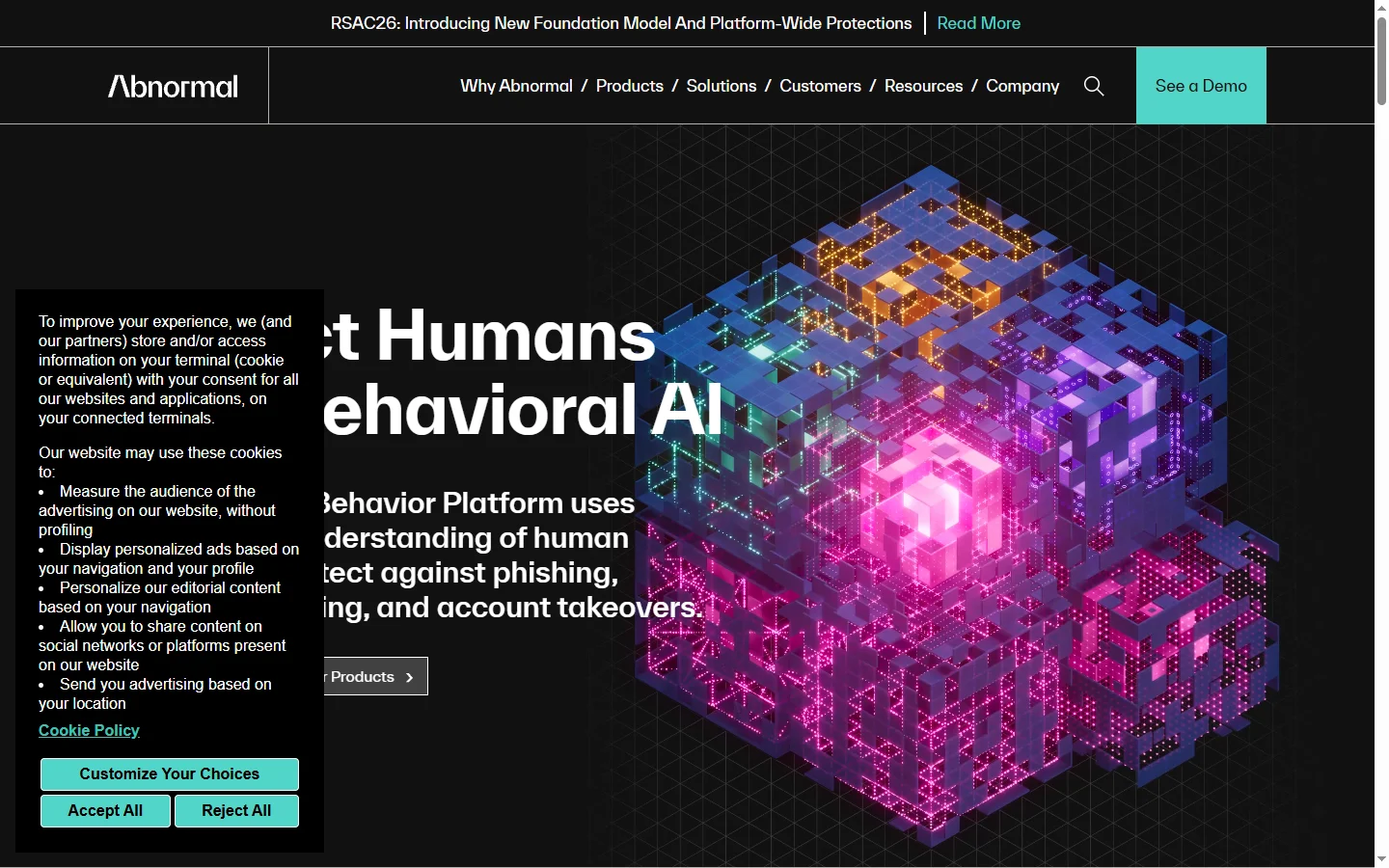
Abnormal AI
Abnormal AI uses behavioral AI to detect business email compromise, account takeover, and socially engineered phishing that bypasses secure email gateways.
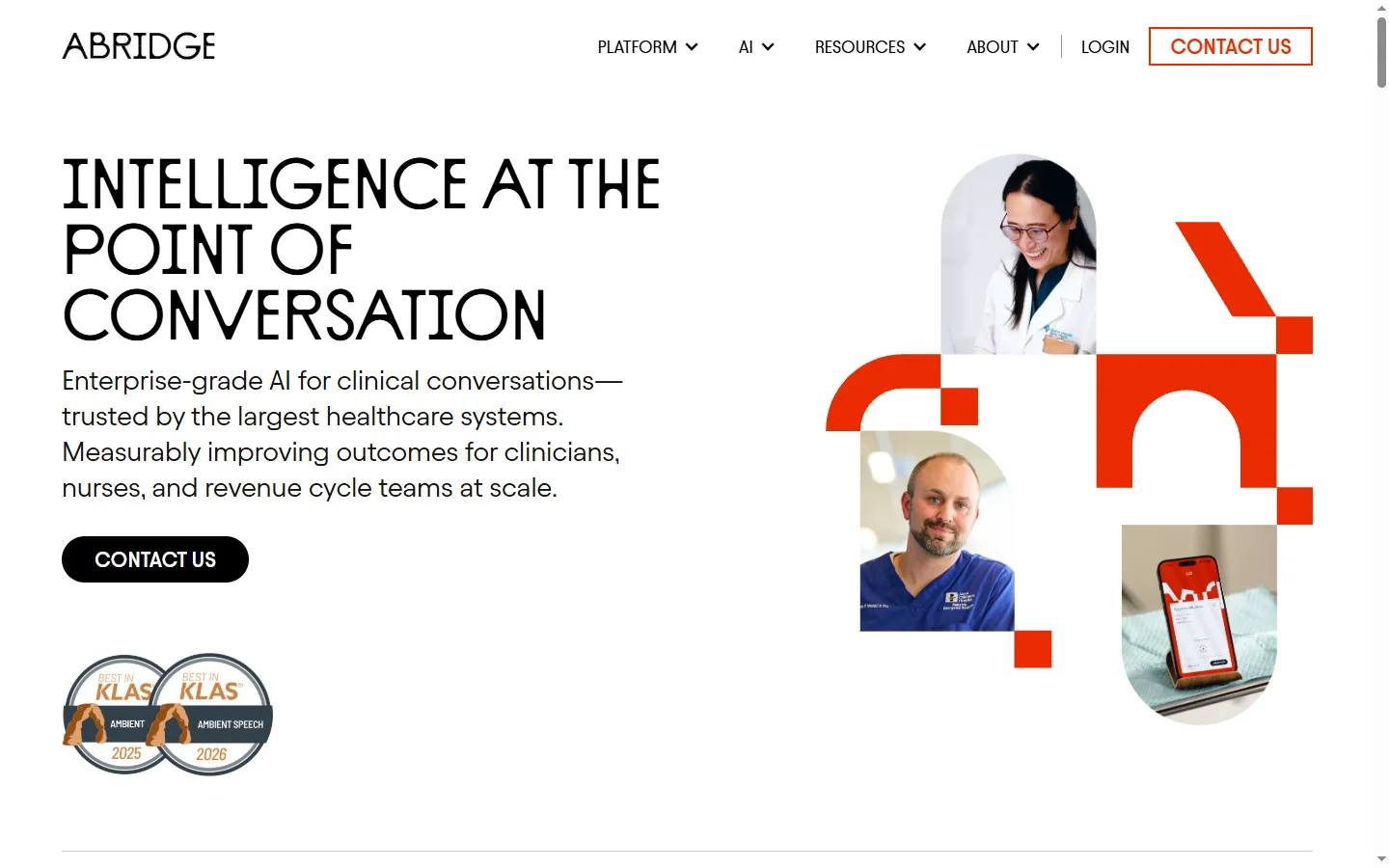

Abridge AI
Abridge AI medical documentation platform that records and summarizes clinical conversations into structured physician notes in real time.

Air AI
Air AI conducts autonomous full-length AI phone calls for sales prospecting, appointment setting, and customer service without human agents.