
GPTHuman AI
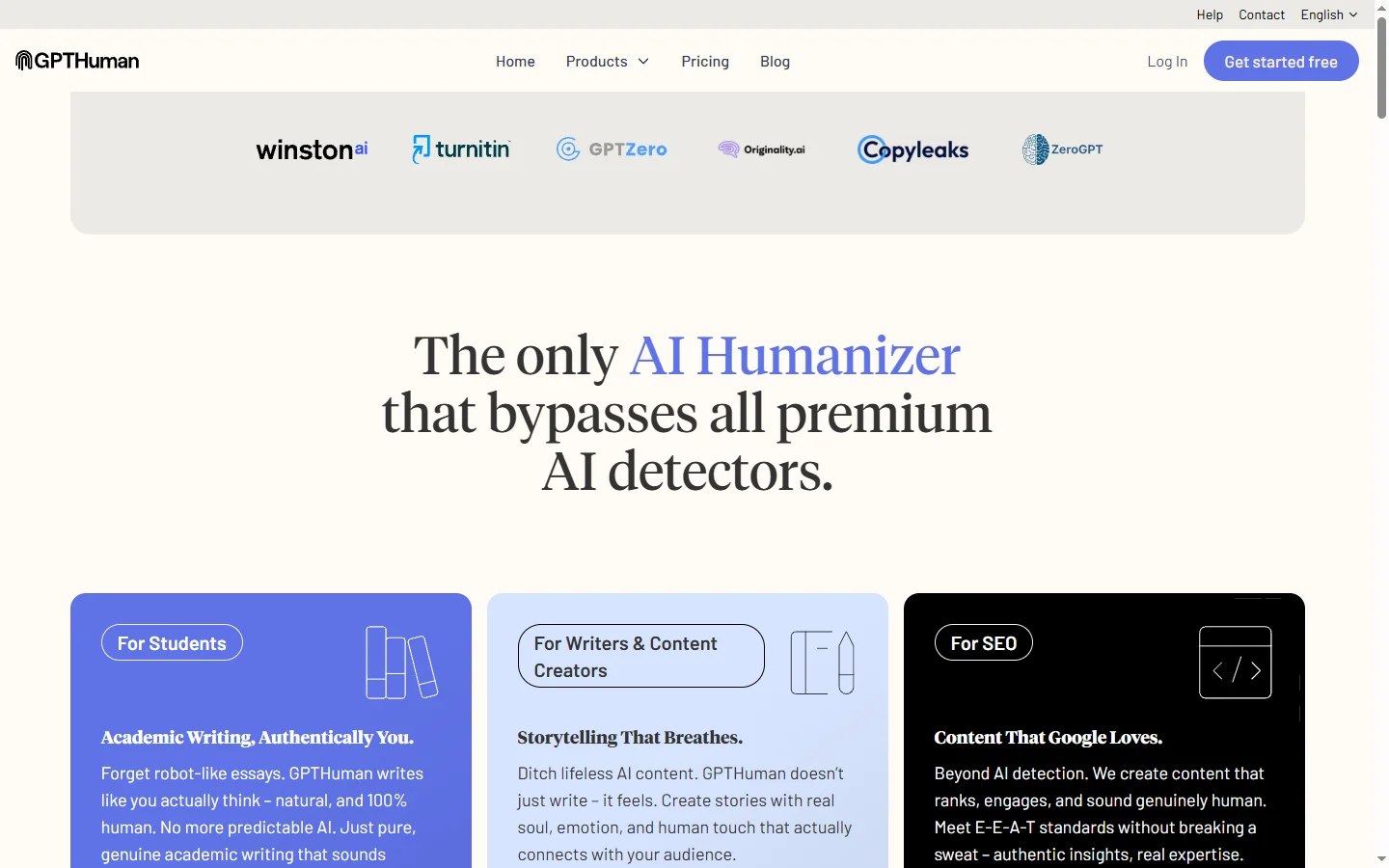
Freemium 🔥 TrendingGPTHuman AI is an AI text humanizer that rewrites AI-generated content into natural, undetectable human-style writing while preserving meaning.
📋 About GPTHuman AI
GPTHuman AI is an ai text humanizer that takes content written by ChatGPT, Claude, Gemini, or other large language models and rewrites it so it reads as natural human prose and is less likely to trigger AI detection tools like GPTZero, Originality.ai, Turnitin, and Copyleaks. The tool preserves the original meaning and structure while varying sentence rhythm, replacing overused AI phrases, introducing natural imperfections, and adjusting vocabulary to match how human writers actually draft content. Users paste AI-generated text, click humanize, and receive a rewritten version in seconds.
The platform targets the specific stylistic signatures that detectors use to flag machine text — overly consistent sentence length, predictable transition words, uniform punctuation patterns, and a formal register that rarely appears in human drafts. gpthuman ai adjusts these characteristics together rather than swapping synonyms one at a time, which is why output typically reads more fluently than simpler paraphrasers. Multiple output modes let users choose between a light touch that keeps technical accuracy intact and an aggressive rewrite that maximizes detection avoidance.
GPTHuman AI serves students, freelance writers, marketers, and bloggers who use AI as a drafting aid but need final copy that reads human and passes detection checks their clients, instructors, or publishers run. Content agencies use it at scale to clean up AI-assisted first drafts before delivery, and SEO teams use it on LLM-generated blog content to reduce detection risk from Google and third-party tools. Users should still review output for accuracy and verify it complies with the content policies of any platform where it will be submitted.
⚡ Key Features of GPTHuman AI
AI Text Humanizer Engine
The core feature rewrites AI-generated text to remove the statistical fingerprints detectors look for — uniform sentence lengths, formulaic transitions, and over-formal phrasing. The ai text humanizer varies cadence, introduces mild redundancy where humans naturally add it, and trims robotic constructions like repeated introductory clauses. Output preserves the original meaning, claims, and citations so the rewrite does not drift factually. Processing typically completes in under ten seconds for paragraphs up to a few thousand words.
Multiple Rewrite Intensities
Users can choose between Light, Standard, and Aggressive rewrite modes depending on how much the output needs to diverge from the source for detection purposes. Light mode makes minimal stylistic changes and is suitable for polished academic or technical writing. Aggressive mode fully restructures sentences and paragraphs and is intended for cases where standard detectors still flag the content. This gives users fine control over the tradeoff between stylistic freedom and content fidelity.
Detection Score Preview
Before and after humanizing, GPTHuman AI estimates how likely the text is to be flagged by major detectors based on its internal models. This lets users see whether a rewrite materially changed the detection probability or needs another pass in a different mode. The preview is an estimate rather than a guarantee since detectors change their models, but it provides a useful signal for quick iteration. Running the final output through an external detector is still recommended for high-stakes submissions.
Multi-Language Support
The tool supports humanizing AI text in English plus additional major languages including Spanish, French, German, and Portuguese. Each language uses a dedicated rewriting model tuned for that language's natural rhythms rather than a translated English pass, which keeps idioms and grammar natural. This matters for international SEO teams and multilingual content agencies. Language coverage expands over time as new detectors target non-English AI content.
Bulk Document Processing
Paid plans support uploading and humanizing longer documents or multiple pieces of content in a single batch, which is essential for content agencies and SEO teams working at scale. The bulk mode applies consistent humanization settings across the batch and returns a downloadable archive. This replaces the tedious workflow of pasting each paragraph into the interface individually. Usage is metered by total word count rather than document count.
Plagiarism Check
Alongside humanization, the tool includes a plagiarism scanner that compares rewritten text against public web sources to ensure the output is not inadvertently similar to existing published content. This matters because aggressive rewrites sometimes regress to common phrasings that already appear elsewhere. The combined humanize-and-check workflow reduces the number of separate tools writers need to run. Results flag matched sources so the user can adjust specific passages.
🎯 Use Cases for GPTHuman AI
⚖️ GPTHuman AI Pros & Cons
Advantages
- ✓Rewrites AI text into natural prose that typically bypasses major detectors
- ✓Multiple rewrite intensities balance style preservation against detection avoidance
- ✓Fast processing — most rewrites finish in under ten seconds
- ✓Multi-language support covers English, Spanish, French, German, and more
- ✓Built-in plagiarism check reduces risk of accidental content overlap
Drawbacks
- ✗Detection bypass is never guaranteed as detectors update their models regularly
- ✗Aggressive mode can occasionally introduce small factual drift from the source
- ✗Use may violate terms of service on some academic and publishing platforms
📖 How to Use GPTHuman AI
Visit gpthuman.ai and create a free account to access the humanizer interface.
Paste AI-generated text into the input box — most free plans allow a few hundred words per session.
Select a rewrite mode: Light for subtle polish, Standard for balanced output, or Aggressive for maximum detection avoidance.
Click Humanize and wait a few seconds for the rewritten version to appear alongside the original.
Review the output for accuracy and tone, then run it through an external AI detector if you need to verify low detection risk.
Upgrade to a paid plan for bulk document processing, higher word limits, and access to the plagiarism check.
❓ GPTHuman AI FAQ
The tool is designed to reduce detection across major detectors like GPTZero, Originality.ai, Turnitin, and Copyleaks, and typically succeeds on Standard and Aggressive modes. However, detectors update continuously, so no humanizer can guarantee zero flagging in every case.
The ai text humanizer preserves the original meaning, claims, and structure while varying the phrasing. Aggressive mode occasionally introduces small shifts in emphasis, so review is recommended for factual or technical content.
There is a free tier with limited words per session and per month. Paid plans unlock higher word limits, bulk processing, the plagiarism check, and priority processing.
Use depends on the policy of the specific instructor, course, or institution. Many allow AI-assisted writing with disclosure and some prohibit it entirely. Users are responsible for understanding and following the rules that apply to their submission.
The tool supports English, Spanish, French, German, Portuguese, and additional languages, each using a dedicated rewriting model rather than a translated English pass. Coverage expands over time as AI detection spreads to more languages.
Related to GPTHuman AI

Alayna AI
Alayna AI is an all-in-one AI teaching assistant that helps K-12 educators plan lessons, differentiate activities, and give personalized feedback.

Alex AI
Alex AI is a macOS AI assistant that lives in your menu bar, offering instant writing help, code assistance, and context-aware productivity features.

Attentive AI
Attentive AI powers the Attentive SMS and email marketing platform with AI-generated copy, audience targeting, and journey optimization for e-commerce brands.

Backyard AI
Backyard AI is a free desktop application for running local AI character chat with custom personas, private conversations, and full offline operation.

ChatGPT
ChatGPT AI assistant by OpenAI for writing, coding, research, image analysis, and everyday problem-solving.

Claude
Claude AI assistant by Anthropic with a 200K context window, strong reasoning, and safety-focused design for writing, coding, and analysis.
Featured on WhatIf.ai
Add this badge to your website to show you're listed on WhatIf AI
Alternatives to GPTHuman AI
Backyard AI
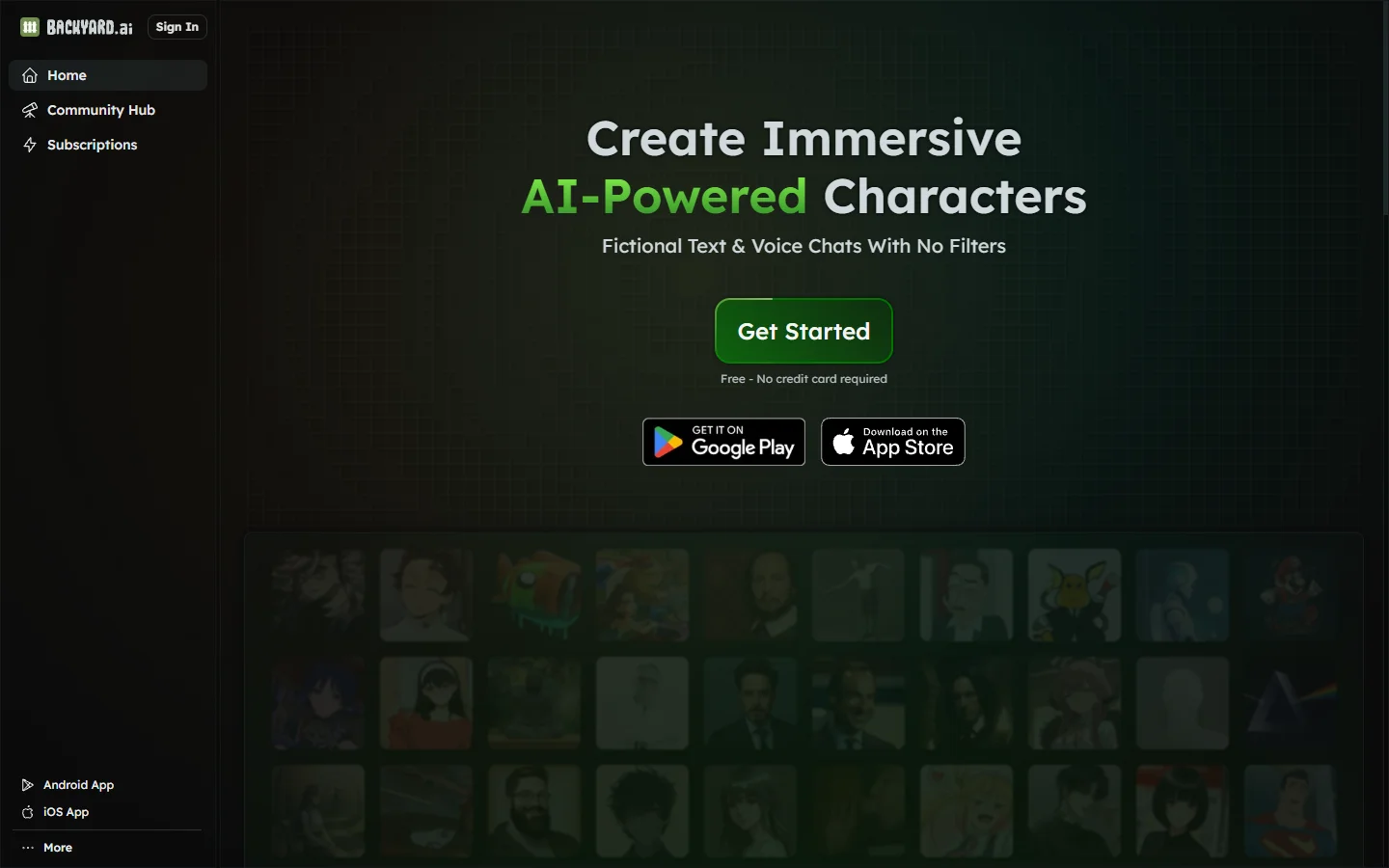
Backyard AI is a free desktop application for running local AI character chat with custom personas, private conversations, and full offline operation.


Blaze AI
Blaze AI generates on-brand social media posts, blog articles, email campaigns, and ad copy for marketers and small businesses using configurable brand voice settings.


Blush AI
Blush AI is an AI dating assistant that helps users craft better messages, improve their dating profile, and practice conversation skills.

Caveduck AI
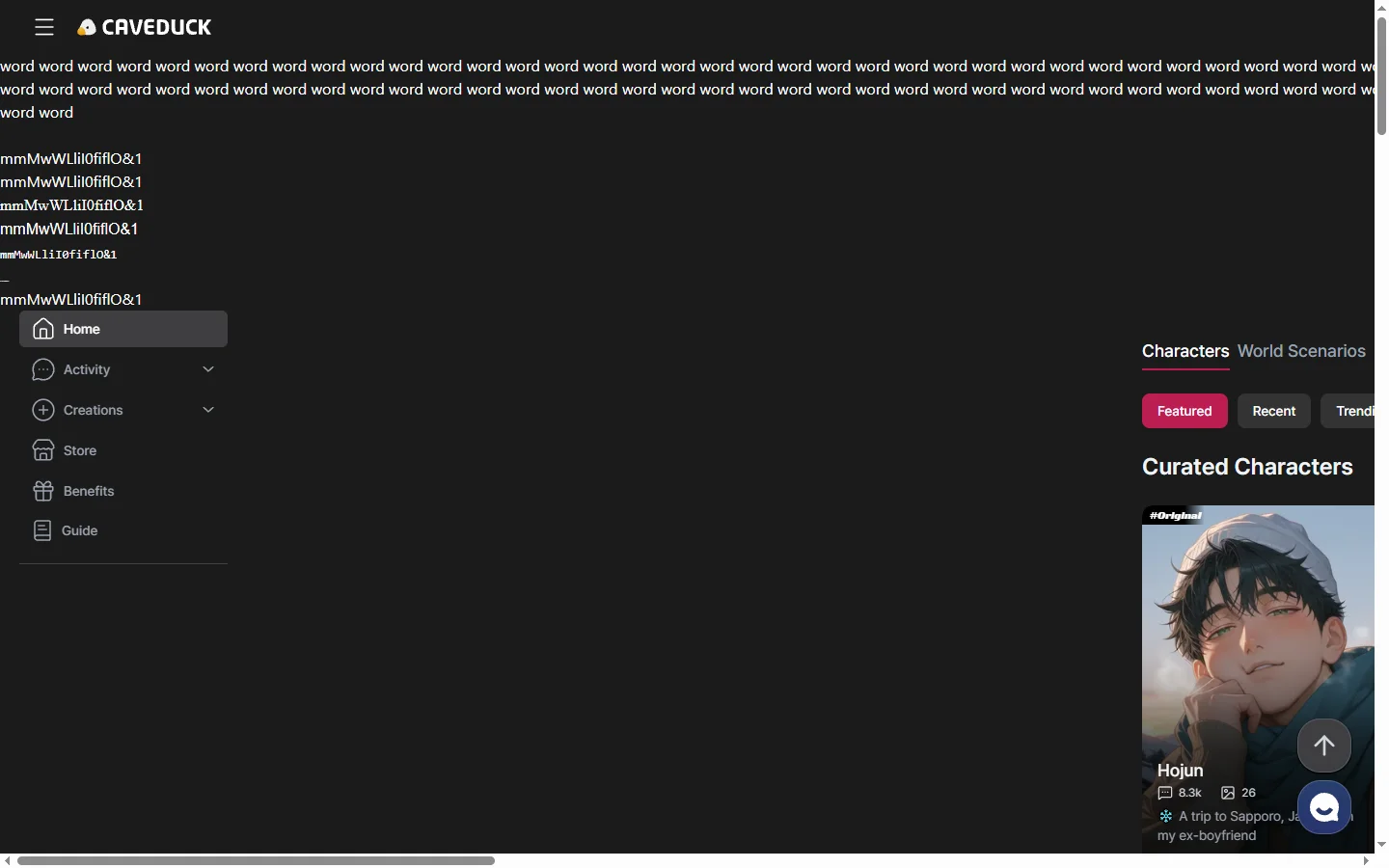
Caveduck AI is a character chat platform where users create custom AI personas and hold context-aware roleplay conversations with them.