
Dropzone AI
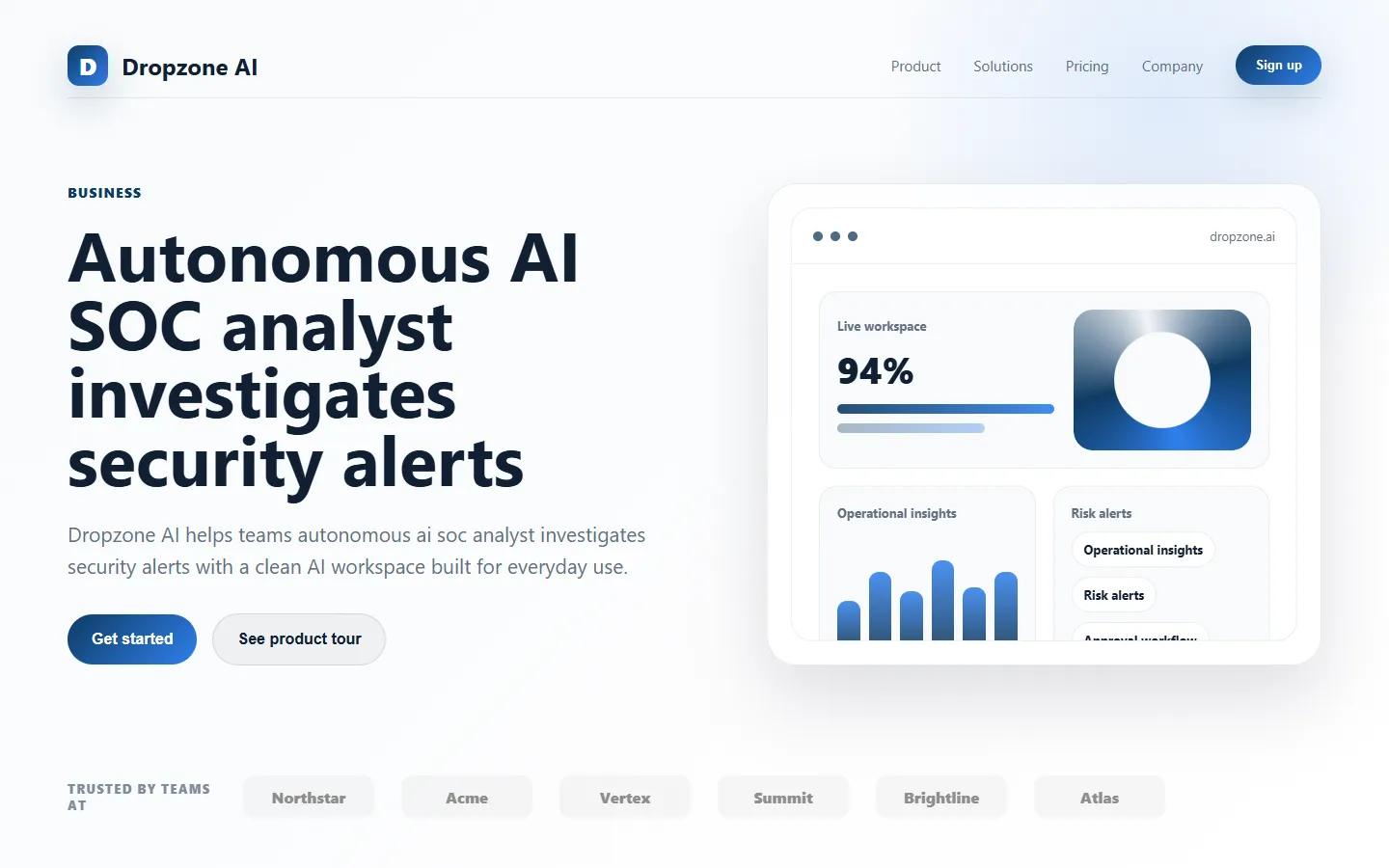
PaidDropzone AI is an autonomous AI SOC analyst that investigates security alerts, writes reports, and triages incidents around the clock.
📋 About Dropzone AI
Dropzone AI is an autonomous AI security operations center analyst designed to investigate alerts, run triage workflows, and produce incident reports without human intervention. It plugs into the SIEM, EDR, email security, and identity systems a security team already uses, and works alerts end-to-end by pulling context, asking follow-up questions against tools, and producing a plain-language conclusion. The product targets the pain point of alert fatigue where SOC teams drown in tickets and let too many signals go uninvestigated.
Each investigation runs through a workflow that mirrors how a senior analyst would handle the same alert, using configured tools to gather logs, check reputations, pivot across identities, and reconstruct the timeline of activity. The resulting report includes a verdict, supporting evidence, and recommended next actions, ready for a human analyst to review and act on. Dropzone handles the tedious evidence-gathering work that eats most of a SOC analyst's day, leaving humans to focus on confirmed true positives and strategic decisions.
Dropzone AI serves mid-market and enterprise security teams facing alert volumes beyond their human capacity. Managed Security Service Providers also use it to scale their analyst coverage across many customers. Pricing follows an enterprise subscription model based on alert volume and the integrations enabled. The company emphasizes that Dropzone augments human analysts rather than replacing them, and its outputs are reviewed by a SOC team before any response action is executed.
⚡ Key Features of Dropzone AI
Autonomous Alert Investigation
Dropzone AI picks up security alerts from connected tools and runs end-to-end investigations without human input. It queries SIEM logs, pivots across identities, checks threat intelligence, and builds a timeline of the activity. The investigation follows playbooks modeled on how a senior SOC analyst would work the alert. Each run produces a structured report with a verdict and evidence.
Plain-Language Incident Reports
Reports are written in clear, human-readable language with the same structure a junior analyst would produce: summary, evidence, reasoning, and recommendations. This makes Dropzone's output usable by the security team immediately rather than requiring interpretation. Reports include links back to the underlying log sources for analysts who want to verify conclusions. Consistent formatting supports downstream workflows like ticketing.
Broad Security Tool Integrations
Pre-built integrations connect to SIEMs like Splunk and Sentinel, EDR platforms, email security, identity providers, and threat intelligence feeds. Dropzone uses these tools the same way a human analyst would, issuing queries and reading results. This breadth means the AI can reason across the full telemetry available to the SOC. New integrations are added based on customer demand.
Playbook-Driven Workflows
Investigation logic follows playbooks that can be tuned per customer to reflect their environment and priorities. Out-of-the-box playbooks cover common alert types like phishing emails, suspicious logins, and endpoint detections. Customers can adjust thresholds, escalation paths, and tool preferences without writing code. This balances automation with control over the analytical process.
24/7 Coverage at Scale
Because it operates autonomously, Dropzone AI works alerts around the clock, including nights, weekends, and holidays when human staffing is limited. This levels up small teams to coverage levels previously achievable only by large SOCs. Alert backlogs shrink dramatically once the platform is live. Customers report dramatic reductions in mean time to triage.
Human Review and Response Guardrails
Dropzone AI produces conclusions and recommendations but does not take response actions autonomously, leaving humans to decide on containment, escalation, or remediation. This guardrail protects against the consequences of AI mistakes in a domain where wrong actions can cause outages. Analysts get higher-quality starting material for their decisions. Integration with response tools still supports semi-automated execution when desired.
🎯 Use Cases for Dropzone AI
⚖️ Dropzone AI Pros & Cons
Advantages
- ✓Autonomous investigation absorbs routine SOC workload
- ✓Broad integrations across SIEM, EDR, and identity tools
- ✓Plain-language reports are immediately usable
- ✓Guardrails keep response decisions with human analysts
- ✓24/7 coverage without proportional staffing increases
Drawbacks
- ✗Enterprise-scale product not suited to very small organizations
- ✗Requires time to tune playbooks to each environment
- ✗Effectiveness depends on quality of underlying telemetry
- ✗Human oversight is still essential for response actions
📖 How to Use Dropzone AI
Contact Dropzone AI sales to scope alert volumes and integration requirements.
Connect Dropzone to your SIEM, EDR, email security, and identity tools through pre-built integrations.
Import or configure playbooks for the alert types you want Dropzone to handle.
Pilot on a defined alert stream and review the AI-generated reports for accuracy and quality.
Expand coverage to additional alert types as confidence grows.
Integrate Dropzone reports into your ticketing or SOAR workflow for analyst review and response.
❓ Dropzone AI FAQ
No. Dropzone handles the repetitive investigation and reporting work, but humans remain responsible for decisions, response actions, and strategic work like threat hunting. The product is positioned as an augmentation, not a replacement.
Dropzone integrates with major SIEMs like Splunk and Sentinel, EDR platforms, email security tools, identity providers, and threat intelligence feeds. The integration library expands based on customer needs.
No, by design. Dropzone produces conclusions and recommendations but does not execute response actions autonomously. This guardrail protects against the impact of AI mistakes in a sensitive domain.
Pricing follows an enterprise subscription model based on alert volume and integrations enabled. Specific pricing is discussed during the sales process.
Traditional SOAR automates predefined response flows but requires humans to investigate before running them. Dropzone automates the investigation itself, producing the verdict and context a SOAR or analyst then acts on.
Related to Dropzone AI

15.ai
15.ai is a free AI voice cloning tool famous for generating realistic speech from cartoon, video game, and animated show characters using as little as 15 seconds of source audio.

A2E AI
A2E AI productivity platform converts audio and video recordings into transcripts, summaries, and action items with speaker identification.

Abby AI
Abby AI is an AI therapy and mental wellness chatbot that offers CBT-informed conversations, mood tracking, and self-guided coping tools.

Abnormal AI
Abnormal AI uses behavioral AI to detect business email compromise, account takeover, and socially engineered phishing that bypasses secure email gateways.

Abridge AI
Abridge AI medical documentation platform that records and summarizes clinical conversations into structured physician notes in real time.

Accrete AI
Accrete AI builds autonomous enterprise AI agents for defense, government, and commercial intelligence workflows.
Featured on WhatIf.ai
Add this badge to your website to show you're listed on WhatIf AI
Alternatives to Dropzone AI
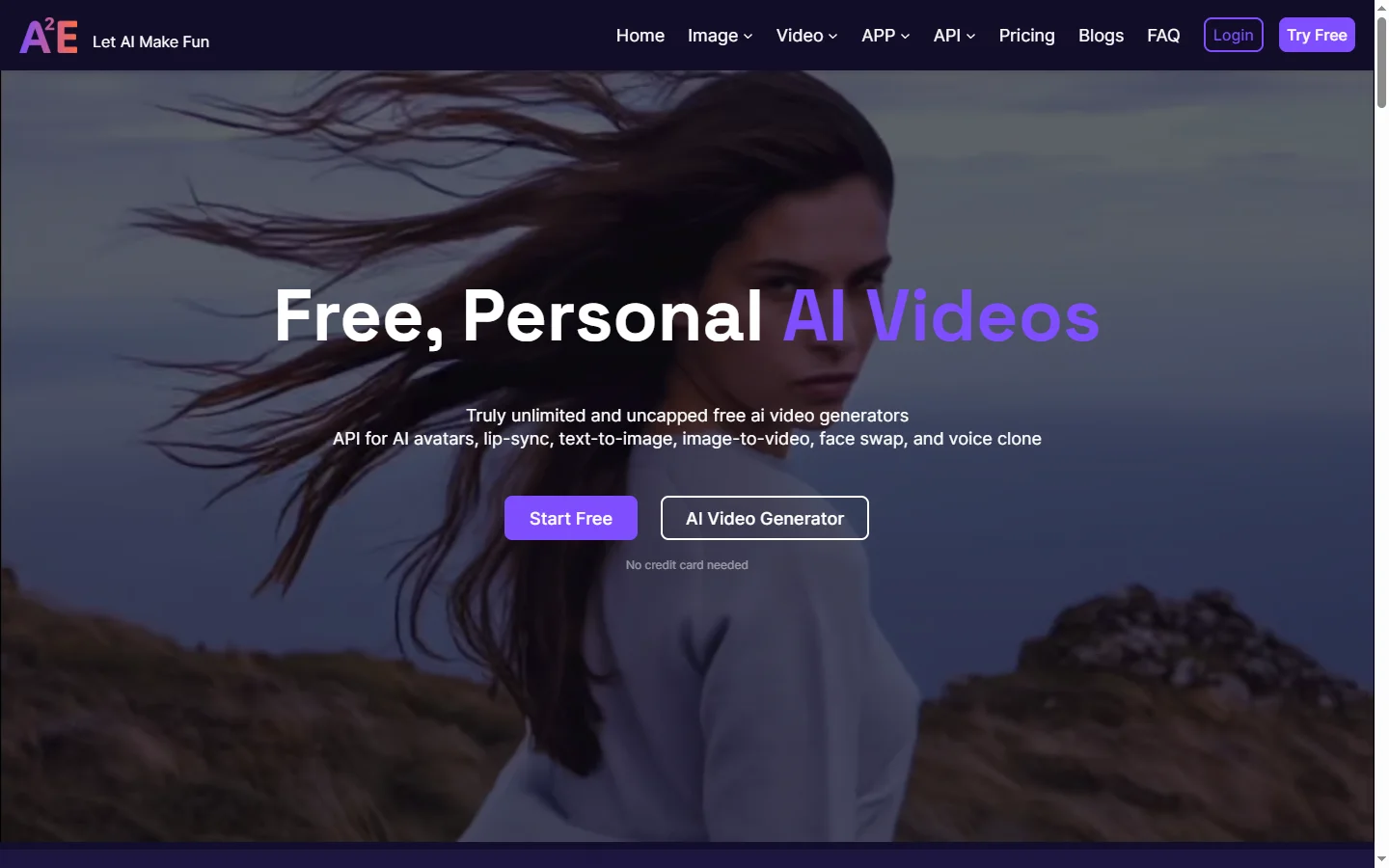
A2E AI
A2E AI productivity platform converts audio and video recordings into transcripts, summaries, and action items with speaker identification.
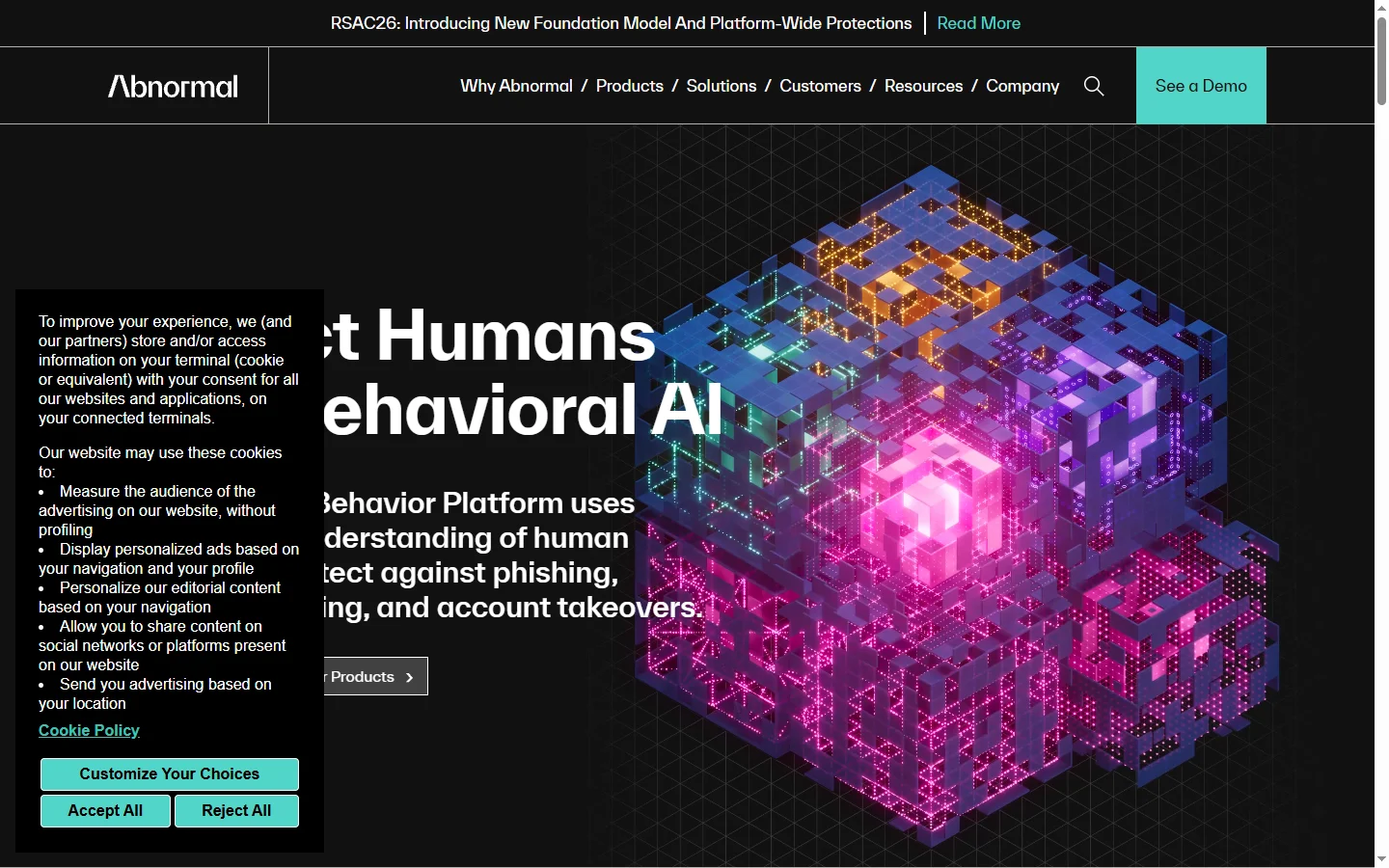
Abnormal AI
Abnormal AI uses behavioral AI to detect business email compromise, account takeover, and socially engineered phishing that bypasses secure email gateways.
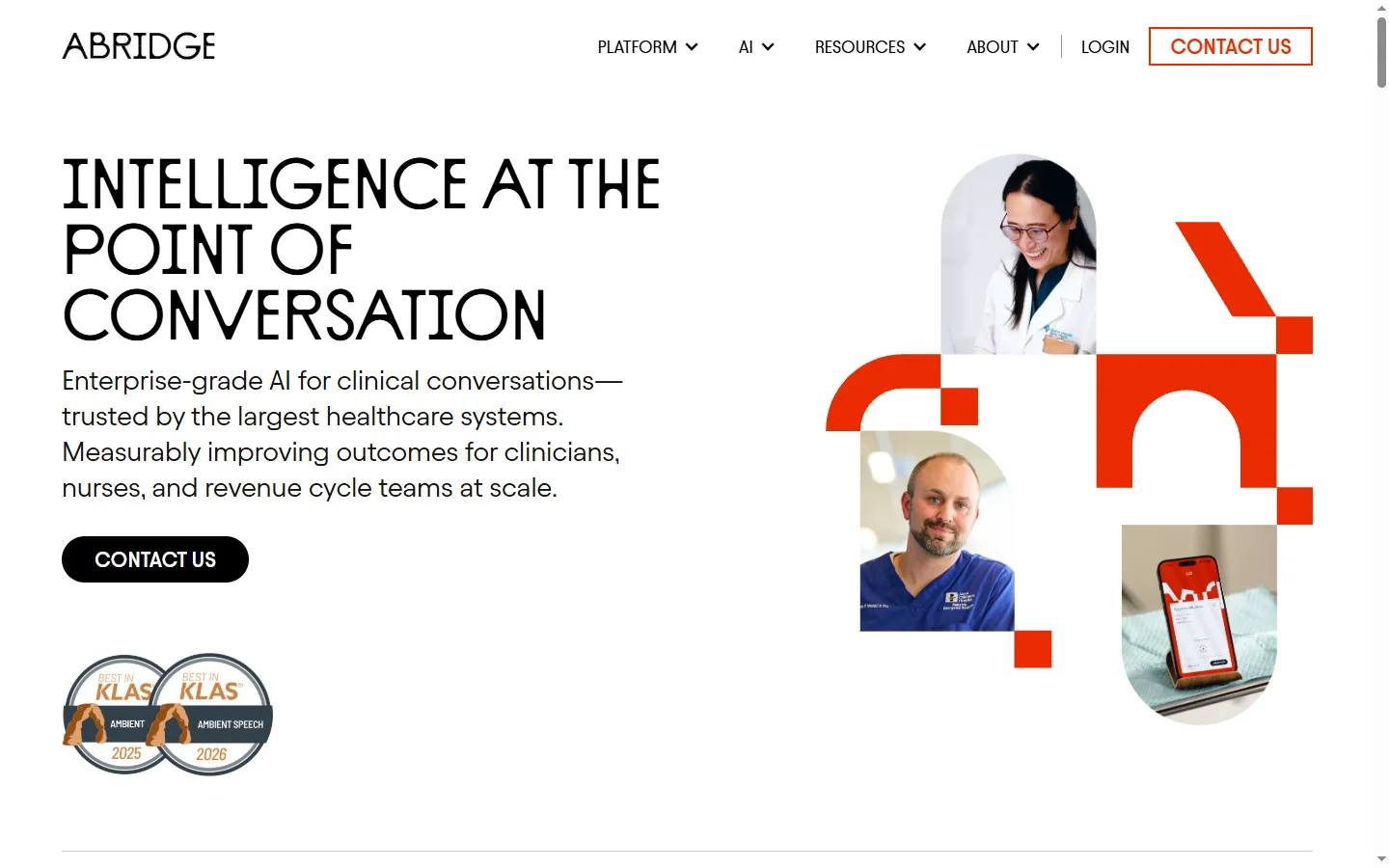
Abridge AI
Abridge AI medical documentation platform that records and summarizes clinical conversations into structured physician notes in real time.

Air AI
Air AI conducts autonomous full-length AI phone calls for sales prospecting, appointment setting, and customer service without human agents.