
Doctronic
FreemiumDoctronic is an AI symptom checker and virtual health assistant that provides consumer-friendly triage, likely causes, and next-step guidance for free.
📋 About Doctronic
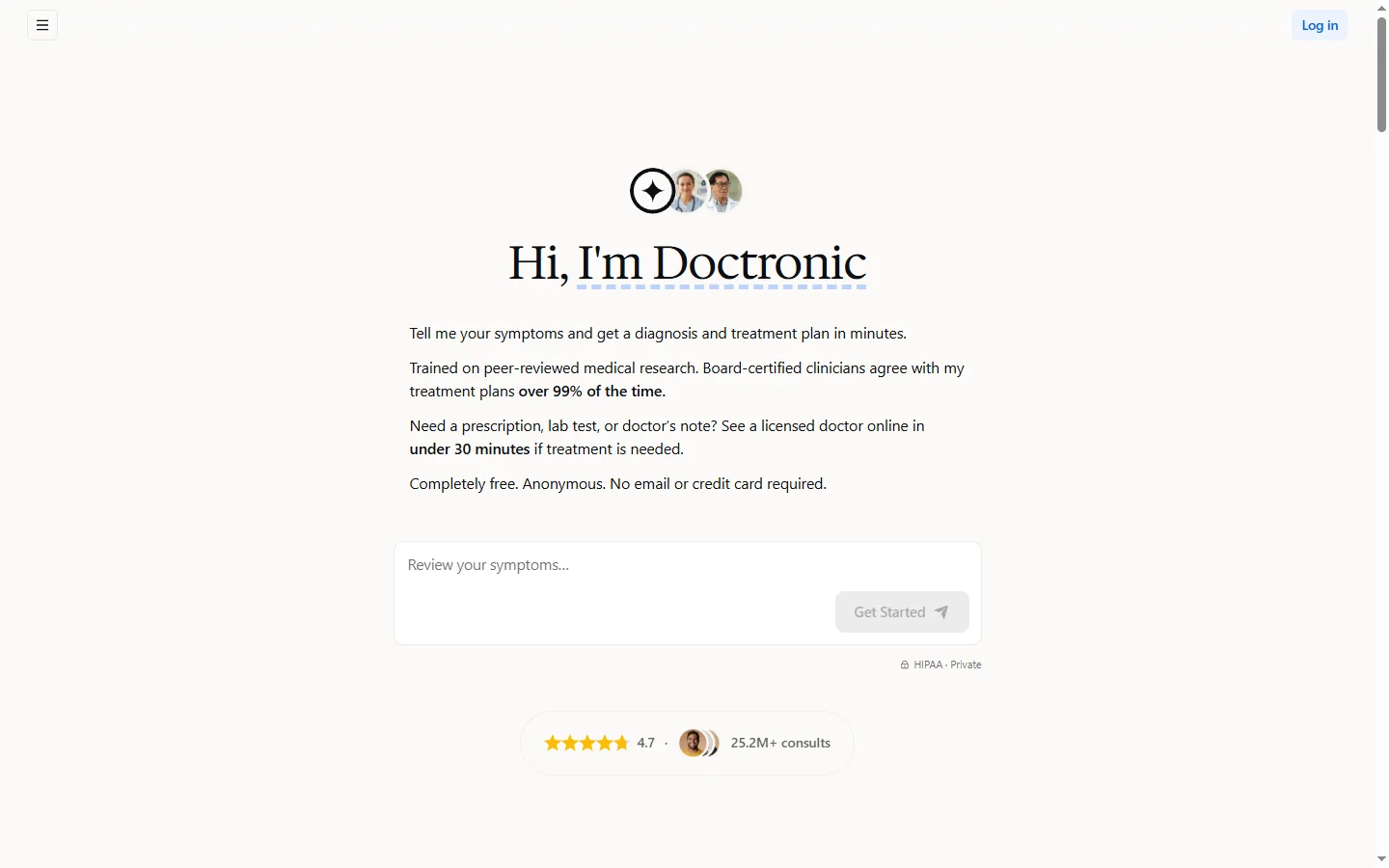
Doctronic is an AI-powered virtual health assistant that helps consumers understand their symptoms, explore likely causes, and decide whether to self-care, see a primary care provider, or seek urgent attention. Users describe what they are experiencing in plain language — 'sharp pain in lower right abdomen for two days with nausea' — and Doctronic conducts a structured conversational intake that mirrors how a clinician takes a history, asking clarifying questions about onset, severity, modifying factors, and associated symptoms. The output is a non-diagnostic summary of likely considerations with clear next-step guidance.
The platform is positioned as a first-line information resource rather than a replacement for clinical care. Doctronic explicitly recommends in-person or telemedicine evaluation when red flags are present, and flags emergency symptoms requiring immediate attention. It covers general medical, mental health, dermatology, pediatric, and women's health categories, adjusting its questioning based on the presenting concern. For cases where a patient decides to see a provider, Doctronic generates a summary they can share with their clinician, which can save intake time and improve the quality of the conversation.
Doctronic serves the large population of consumers who currently Google their symptoms and hit pages with poor quality or alarmist content. The product is free for consumers with an optional upgrade path to connect with real clinicians for telehealth visits in supported states, creating a monetization model that does not put basic symptom triage behind a paywall. It competes in the consumer health AI category alongside tools like Ada Health, Babylon, and WebMD Symptom Checker, differentiating with conversational depth, transparent reasoning, and the doctor-handoff summary feature.
⚡ Key Features of Doctronic
Conversational Symptom Intake
Doctronic conducts a structured conversational intake that mirrors how a clinician takes a medical history — asking about onset, location, quality, severity, timing, modifying factors, and associated symptoms. Rather than presenting a fixed symptom-selection tree, the AI adapts its follow-up questions to what the user has already reported. This approach captures the nuance needed to narrow the differential without overwhelming the user with irrelevant questions.
Non-Diagnostic Likely-Cause Summary
After the intake, Doctronic produces a summary of the most likely considerations in language the user can understand, along with brief explanations of why each consideration fits the symptom pattern. The tool is explicit that this is informational, not a diagnosis, and that a qualified clinician is required to confirm any medical condition. This framing keeps the user appropriately cautious without dumbing down the content.
Red-Flag and Emergency Triage
Doctronic actively identifies red-flag symptoms that warrant emergency evaluation — chest pain with specific patterns, sudden severe headache, signs of stroke, severe allergic reactions — and surfaces clear guidance to seek immediate care via 911 or the nearest emergency department. Safe handoff is a core design priority given the consumer-facing nature of the tool and the consequences of under-triaging a serious condition.
Next-Step Recommendations
For non-emergency presentations, Doctronic recommends a specific next step tailored to severity — self-care with observation, same-day urgent care, routine primary care visit, or specialist referral. Recommendations consider time course, severity, and demographic factors so they feel calibrated to the actual situation rather than defaulting to the safest possible advice every time. This improves trust and reduces unnecessary visits for self-limiting conditions.
Doctor-Handoff Summary
When the user decides to see a clinician, Doctronic generates a structured intake summary they can share with the provider before or during the visit. The summary captures the history in a format clinicians can read quickly, which saves intake time and ensures the user has communicated the full picture even if they feel rushed during the appointment. This handoff is a unique differentiator in the consumer symptom-checker space.
Specialty Coverage Across Common Concerns
Coverage spans general medical complaints, mental health concerns, dermatology (with optional photo upload), pediatric symptoms, and women's health issues. The AI adjusts its intake questioning based on the presenting category — dermatology focuses on appearance and evolution, mental health emphasizes duration and functional impact — rather than applying a single generic flow to every concern type.
Optional Telehealth Connection
In supported US states, users can upgrade from the free AI symptom checker to a paid telehealth visit with a licensed clinician, with the Doctronic intake summary auto-shared to speed the visit. This gives users a continuous path from 'what's going on' to 'talk to a real doctor' without switching platforms or re-explaining their history. The telehealth option is opt-in and not forced.
🎯 Use Cases for Doctronic
⚖️ Doctronic Pros & Cons
Advantages
- ✓Free, conversational symptom intake that mirrors clinician history taking
- ✓Clear red-flag triage for emergencies without over-alarming routine symptoms
- ✓Doctor-handoff summary saves time at real clinical visits
- ✓Coverage across general medical, mental health, dermatology, pediatrics, and women's health
- ✓Optional telehealth connection in supported states for a seamless escalation path
Drawbacks
- ✗Informational only — not a substitute for diagnosis by a licensed clinician
- ✗Telehealth escalation available only in supported US states
- ✗Recommendations can skew cautious in medicolegally sensitive areas
- ✗Quality varies more on niche or rare conditions than on common presentations
📖 How to Use Doctronic
Go to doctronic.ai and start a new session — no signup is required to try the basic symptom checker.
Describe your main symptom in plain language, then answer the AI's follow-up questions about onset, severity, and related symptoms.
Review the likely-cause summary and read through the explanation for each consideration.
Check the red-flag section carefully — if emergency symptoms are flagged, seek immediate care as directed.
Follow the specific next-step recommendation (self-care, urgent care, or primary care visit) if no emergency is flagged.
Optionally export the doctor-handoff summary to share with your clinician before or during your visit.
Use the telehealth upgrade in supported states to connect with a licensed clinician directly if you want a same-day visit.
❓ Doctronic FAQ
No. Doctronic is an AI symptom checker and virtual health assistant designed to provide information and triage guidance. It is not a licensed clinician and cannot diagnose medical conditions. In supported US states, Doctronic offers a paid option to connect with real licensed telehealth providers.
Yes. The core AI symptom checker and virtual health assistant is free for consumers with no signup required to try basic sessions. Paid telehealth visits with licensed clinicians are available as an optional upgrade in supported US states.
Doctronic is designed to identify red-flag symptoms and direct users to emergency care when warranted. However, for any situation that feels life-threatening — severe chest pain, difficulty breathing, signs of stroke, severe bleeding — users should call 911 or go directly to an emergency department without using any symptom checker first.
Doctronic treats user-entered health information as sensitive and follows applicable privacy standards, with telehealth interactions in supported states delivered under HIPAA-compliant arrangements. Users should review Doctronic's current privacy policy for full details on data handling and retention.
Unlike static content sites, Doctronic conducts a conversational intake that adapts its questions to your specific situation and produces a tailored summary rather than a generic article. The red-flag triage, next-step recommendations, and doctor-handoff summary are also unique features not offered by traditional health content sites.
Related to Doctronic

A2E AI
A2E AI productivity platform converts audio and video recordings into transcripts, summaries, and action items with speaker identification.

Abby AI
Abby AI is an AI therapy and mental wellness chatbot that offers CBT-informed conversations, mood tracking, and self-guided coping tools.

Abnormal AI
Abnormal AI uses behavioral AI to detect business email compromise, account takeover, and socially engineered phishing that bypasses secure email gateways.

Abridge AI
Abridge AI medical documentation platform that records and summarizes clinical conversations into structured physician notes in real time.

Accrete AI
Accrete AI builds autonomous enterprise AI agents for defense, government, and commercial intelligence workflows.

OpenEvidence
OpenEvidence is a free AI medical reference for clinicians that delivers citation-backed answers from peer-reviewed literature and major medical journals.
Featured on WhatIf.ai
Add this badge to your website to show you're listed on WhatIf AI
Alternatives to Doctronic
A2E AI
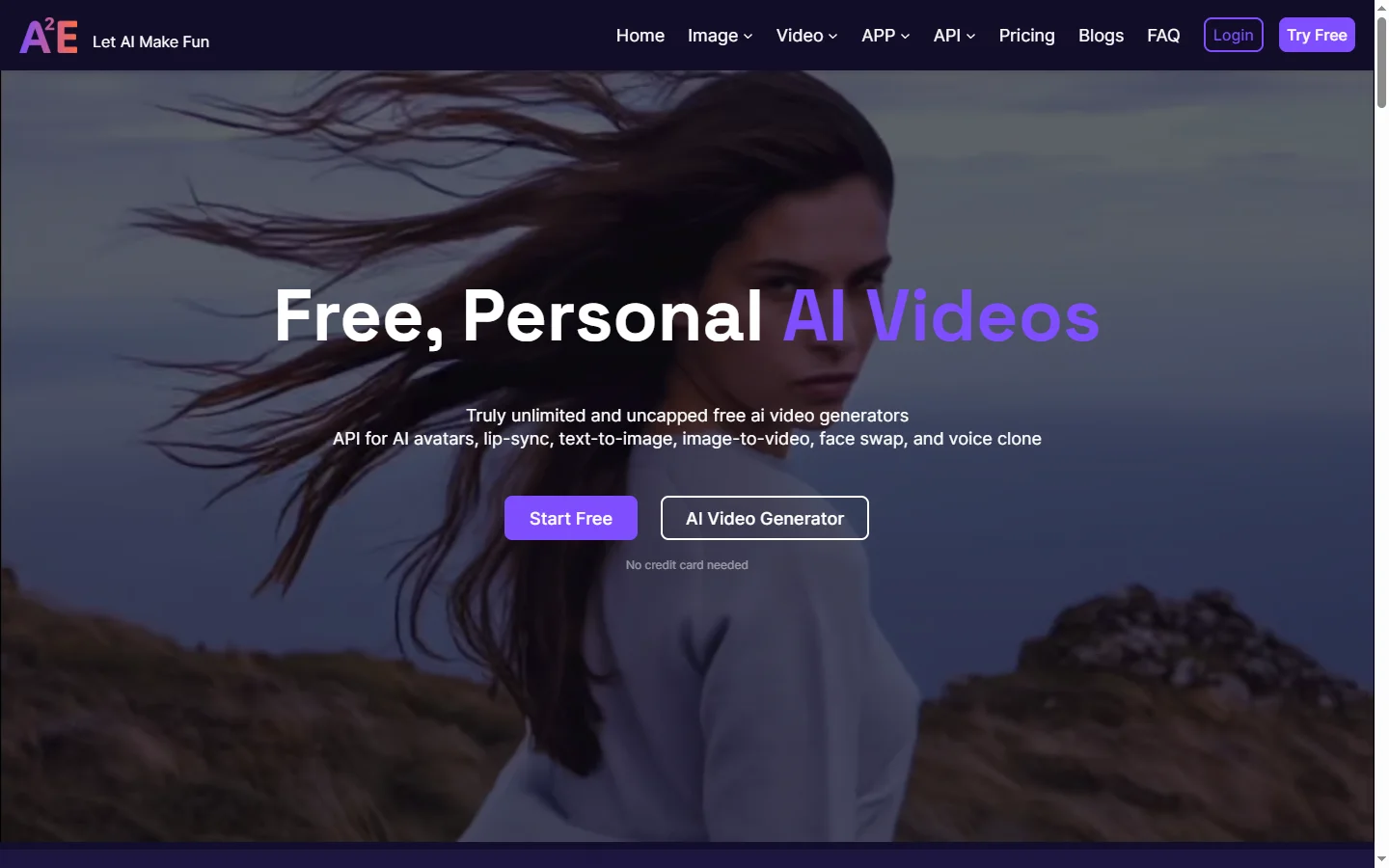
A2E AI productivity platform converts audio and video recordings into transcripts, summaries, and action items with speaker identification.

Abnormal AI
Abnormal AI uses behavioral AI to detect business email compromise, account takeover, and socially engineered phishing that bypasses secure email gateways.
Abridge AI
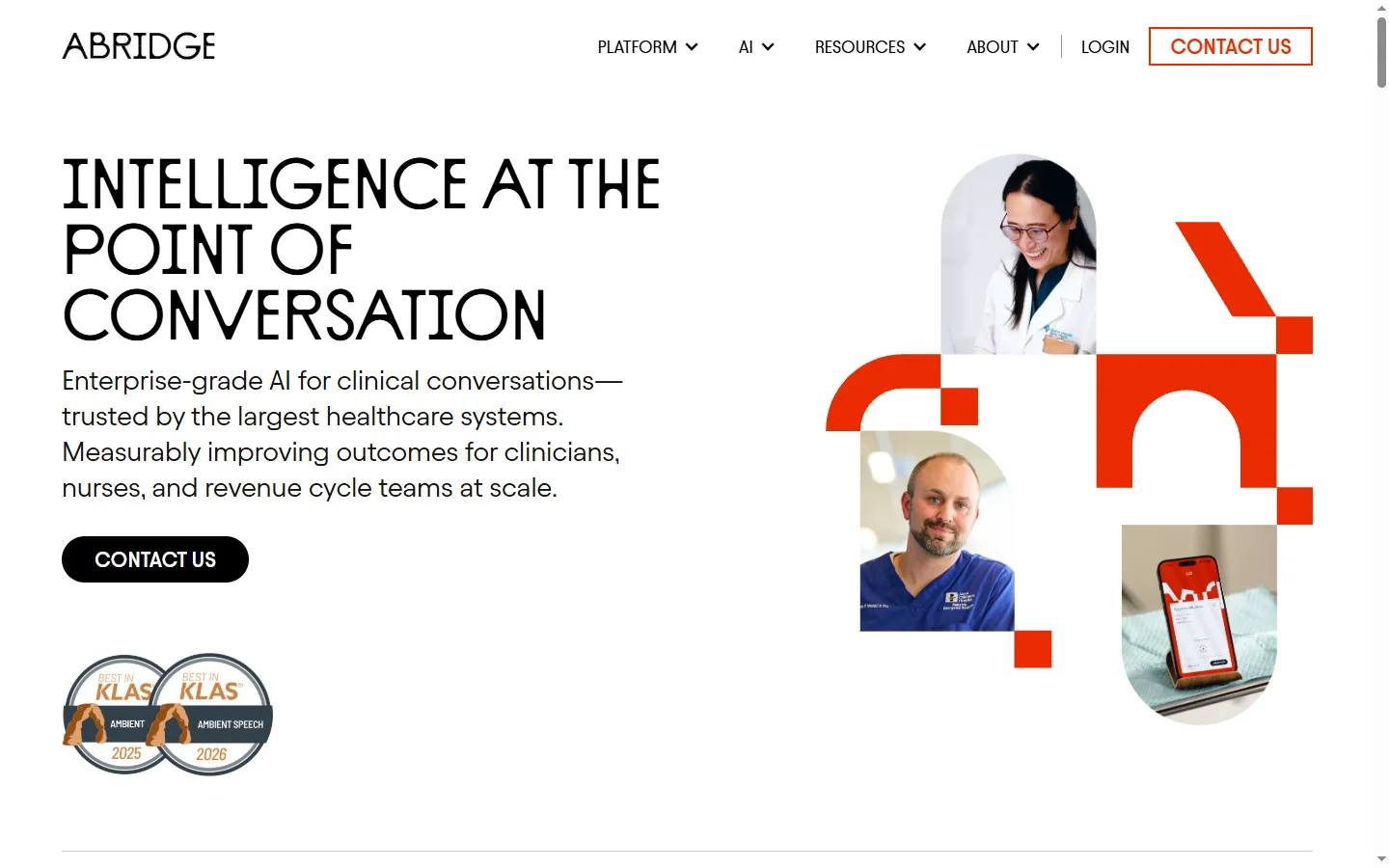
Abridge AI medical documentation platform that records and summarizes clinical conversations into structured physician notes in real time.

Air AI
Air AI conducts autonomous full-length AI phone calls for sales prospecting, appointment setting, and customer service without human agents.