
Concentric AI
Paid ✓ VerifiedConcentric AI is a data security platform that uses AI to discover, classify, and protect sensitive business data across cloud and on-premise systems.
📋 About Concentric AI
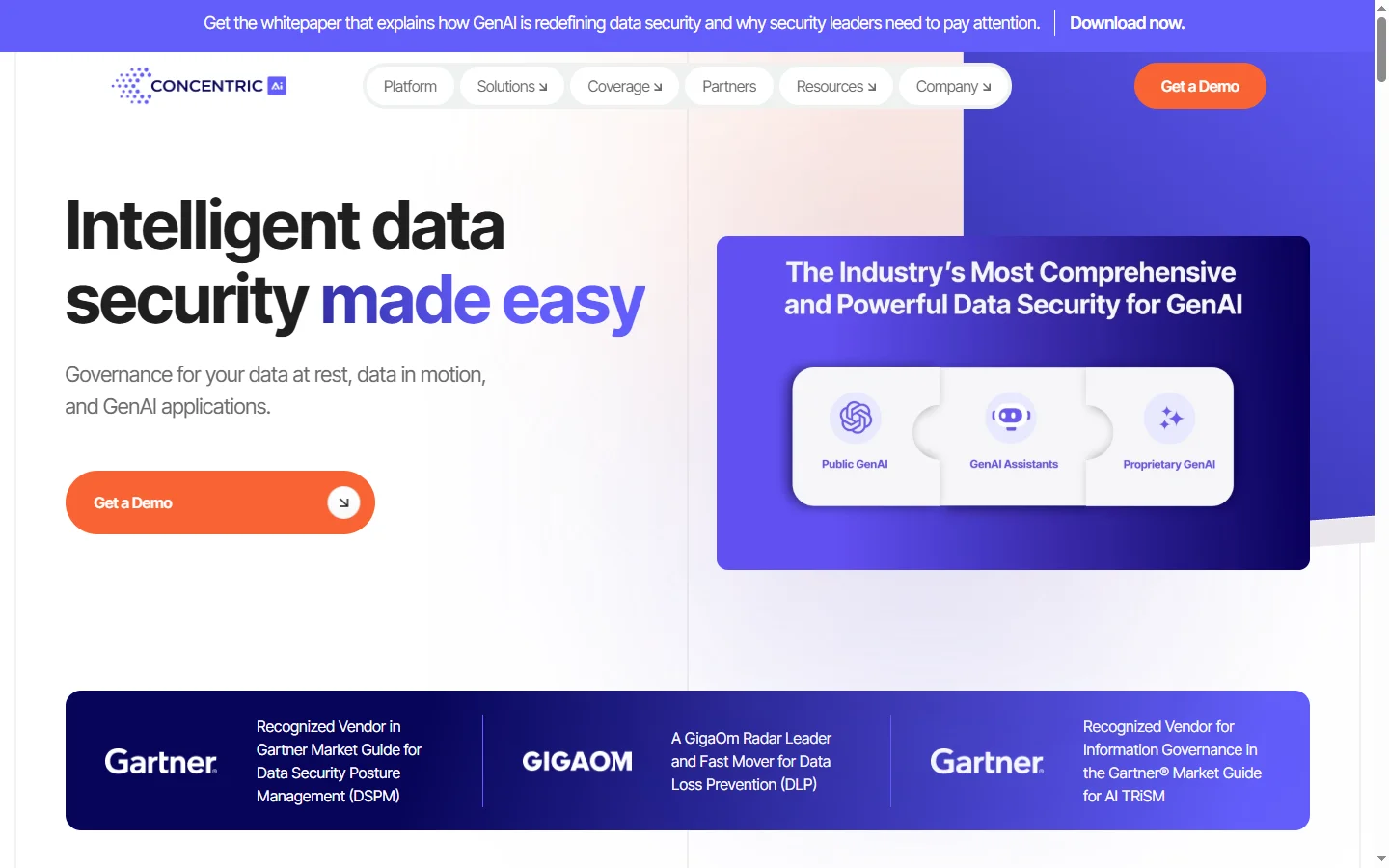
Concentric AI is an enterprise data security and governance platform that uses deep learning and large language models to automatically discover and classify sensitive information across an organization's cloud storage, email, collaboration tools, and databases. The concentric ai platform addresses a core gap in traditional data loss prevention (DLP) solutions: accurate, context-aware classification without relying on brittle regex rules or manual tagging. Its Semantic Intelligence engine understands documents the way humans do — recognizing contracts, financial statements, PII, intellectual property, and source code by meaning rather than keywords.
Once data is classified, Concentric identifies risk signals such as oversharing, risky permissions, misplaced sensitive files, and inappropriate access patterns. The platform surfaces these risks through a unified dashboard, and remediation can be automated or routed to IT and security teams for review. Integrations include Microsoft 365, Google Workspace, Box, Dropbox, Salesforce, Slack, GitHub, and major cloud storage providers. As a data security ai tool built for compliance-heavy industries, Concentric supports frameworks like GDPR, HIPAA, CCPA, and SOX with purpose-built reporting.
Concentric AI serves mid-market and enterprise security, compliance, and data governance teams who need visibility into where sensitive data lives and how it moves. Customers include financial services, healthcare, legal, and technology companies that face increasing regulatory scrutiny and insider-risk concerns. The platform is delivered as a SaaS offering with agentless deployment, meaning it can begin analysis within hours of connecting to existing systems.
⚡ Key Features of Concentric AI
Semantic Intelligence Classification
Deep learning models understand documents by meaning, not just keywords or regex patterns. The concentric ai engine recognizes document types like NDAs, financial reports, and source code even when the formatting varies widely across business units. This dramatically reduces false positives compared to legacy DLP, which traditionally triggers floods of noisy alerts. Classification runs continuously as new content is created.
Risk Detection and Prioritization
Automatically surfaces oversharing, risky permissions, and misfiled sensitive data with a prioritized severity score. Security teams see the highest-impact issues first rather than drowning in unfiltered alerts. Each risk includes context — who has access, how it was shared, and why it matters — to speed up triage. This shortens mean-time-to-remediation for data exposure incidents.
Agentless Deployment
Connects to cloud and SaaS systems through APIs without installing endpoint agents or inline gateways. Organizations can start scanning production environments within hours of initial onboarding. This contrasts sharply with legacy DLP projects that often take months of integration work. Agentless architecture also means no performance impact on users or devices.
Autonomous Remediation
Configurable policies automatically fix common issues like removing external share links on sensitive files, quarantining misplaced documents, or notifying file owners. Security teams can set guardrails requiring human approval for higher-risk changes. Autonomous remediation scales security operations without proportional headcount growth. All actions are logged for audit.
Compliance Reporting
Purpose-built reports and dashboards for GDPR, HIPAA, CCPA, PCI-DSS, and SOX compliance frameworks. Auditors can be granted view-only access to evidence without exposing underlying sensitive content. Reports can be scheduled and exported for board presentations or regulator submissions. This turns ongoing compliance from a manual chore into an automated output.
Unified Data Risk Dashboard
A single pane of glass showing sensitive data inventory, risk posture, and remediation progress across all connected systems. Executives get high-level trends while analysts can drill into individual files or incidents. The dashboard supports role-based access so different teams see appropriate views. Exportable reports satisfy board, executive, and audit requirements.
🎯 Use Cases for Concentric AI
⚖️ Concentric AI Pros & Cons
Advantages
- ✓Semantic classification reduces false positives vs. regex-based DLP
- ✓Agentless deployment means fast time-to-value
- ✓Unified coverage across Microsoft 365, Google Workspace, Box, and more
- ✓Automated remediation scales without headcount
- ✓Purpose-built compliance reporting
Drawbacks
- ✗Enterprise pricing with no self-serve tier
- ✗Focused on unstructured data rather than database-level controls
- ✗Requires mature security processes to fully operationalize
- ✗Limited on-premise coverage compared to cloud systems
📖 How to Use Concentric AI
Request a demo through concentric.ai to scope your environment with a solutions engineer.
Connect Concentric to your SaaS and cloud systems via admin API credentials — no endpoint agents required.
Allow the platform to run initial classification scans, which typically complete within hours to a few days depending on data volume.
Review the prioritized risk dashboard to identify oversharing, misplaced sensitive data, and permission issues.
Configure autonomous remediation policies for high-confidence fixes and routing rules for human-approved actions.
Set up scheduled compliance reports and invite auditors or executives to view-only dashboards as needed.
❓ Concentric AI FAQ
Traditional DLP relies on regex patterns and keyword matching, which produces many false positives. Concentric uses deep learning to classify documents by meaning, so it accurately identifies contracts, financial statements, or source code across formats without manual tuning.
No. Concentric connects to cloud and SaaS systems via APIs, so deployments are agentless and can begin scanning within hours of onboarding without impacting user devices or network traffic.
Major integrations include Microsoft 365, Google Workspace, Box, Dropbox, Salesforce, Slack, GitHub, OneDrive, SharePoint, and AWS/Azure/GCP storage services, with additional connectors available for enterprise customers.
Yes. Concentric provides purpose-built dashboards and reports for GDPR, HIPAA, CCPA, PCI-DSS, and SOX, making it easier to inventory regulated data, prove compliance during audits, and remediate exposures proactively.
Concentric uses enterprise pricing based on data volume and connected systems. Interested organizations should contact sales for a tailored quote; there is no self-serve or free tier.
Related to Concentric AI

15.ai
15.ai is a free AI voice cloning tool famous for generating realistic speech from cartoon, video game, and animated show characters using as little as 15 seconds of source audio.

A2E AI
A2E AI productivity platform converts audio and video recordings into transcripts, summaries, and action items with speaker identification.

Abby AI
Abby AI is an AI therapy and mental wellness chatbot that offers CBT-informed conversations, mood tracking, and self-guided coping tools.

Abnormal AI
Abnormal AI uses behavioral AI to detect business email compromise, account takeover, and socially engineered phishing that bypasses secure email gateways.

Abridge AI
Abridge AI medical documentation platform that records and summarizes clinical conversations into structured physician notes in real time.

Claude
Claude AI assistant by Anthropic with a 200K context window, strong reasoning, and safety-focused design for writing, coding, and analysis.
Featured on WhatIf.ai
Add this badge to your website to show you're listed on WhatIf AI
Alternatives to Concentric AI
A2E AI
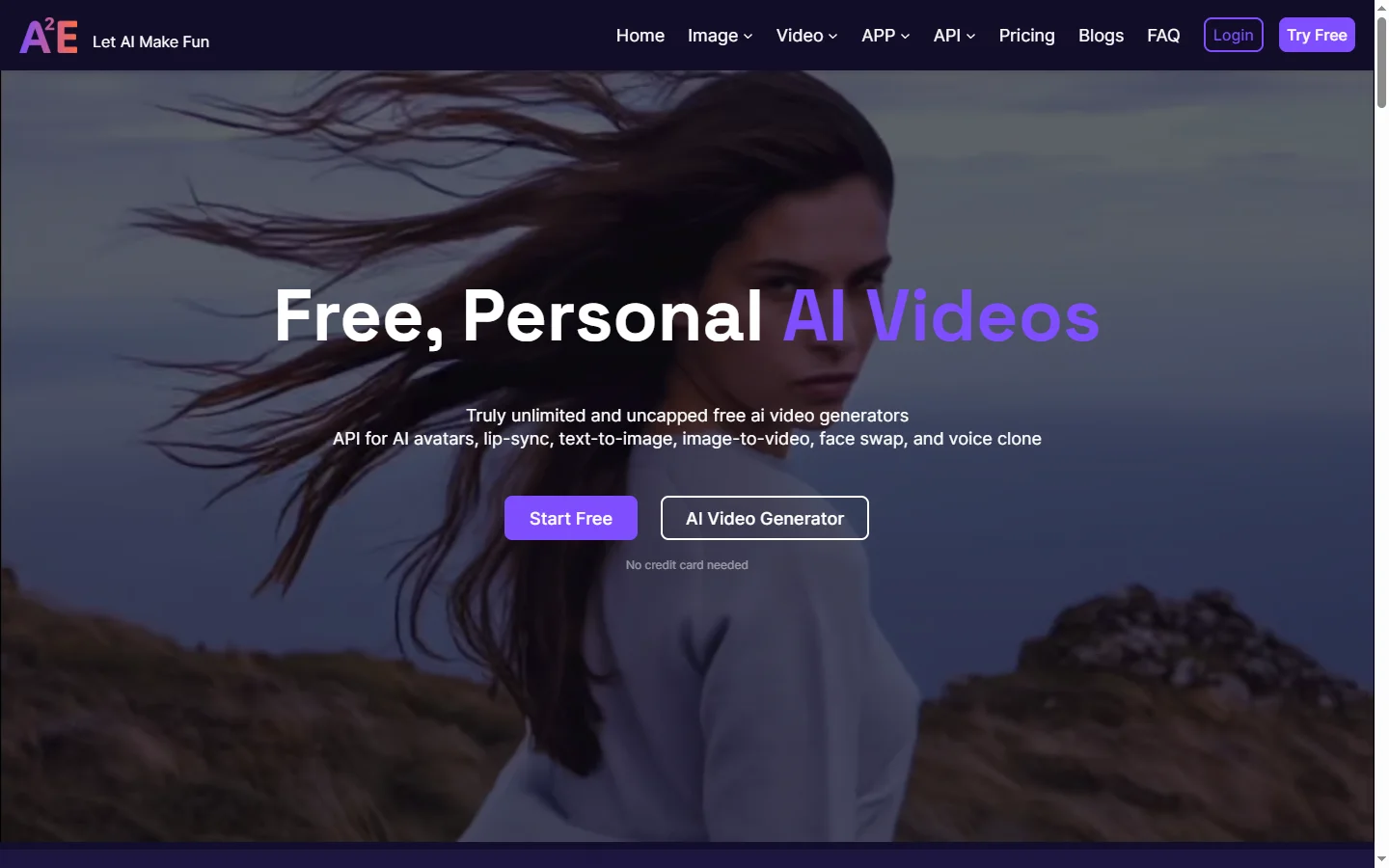
A2E AI productivity platform converts audio and video recordings into transcripts, summaries, and action items with speaker identification.
Abnormal AI
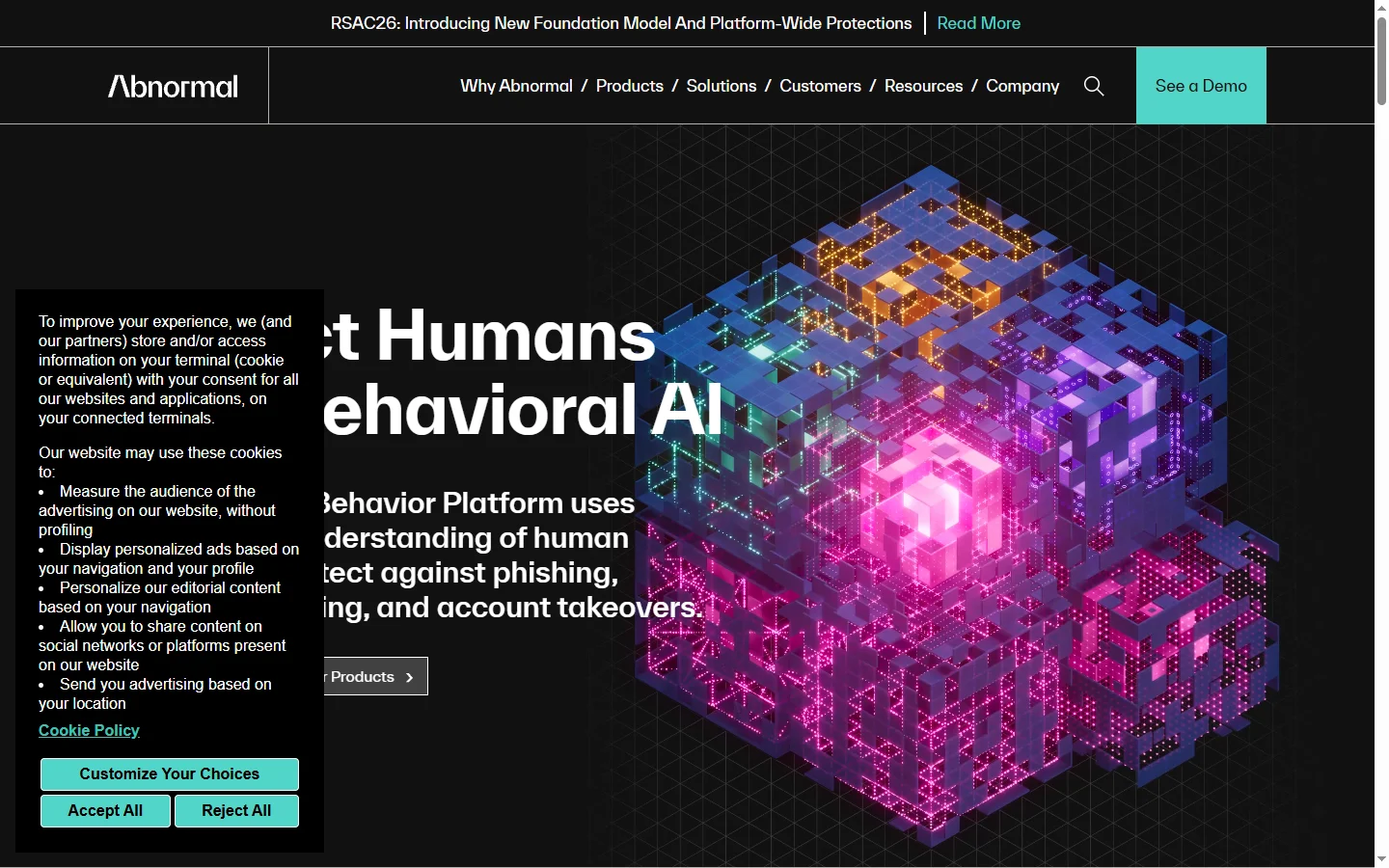
Abnormal AI uses behavioral AI to detect business email compromise, account takeover, and socially engineered phishing that bypasses secure email gateways.
Abridge AI
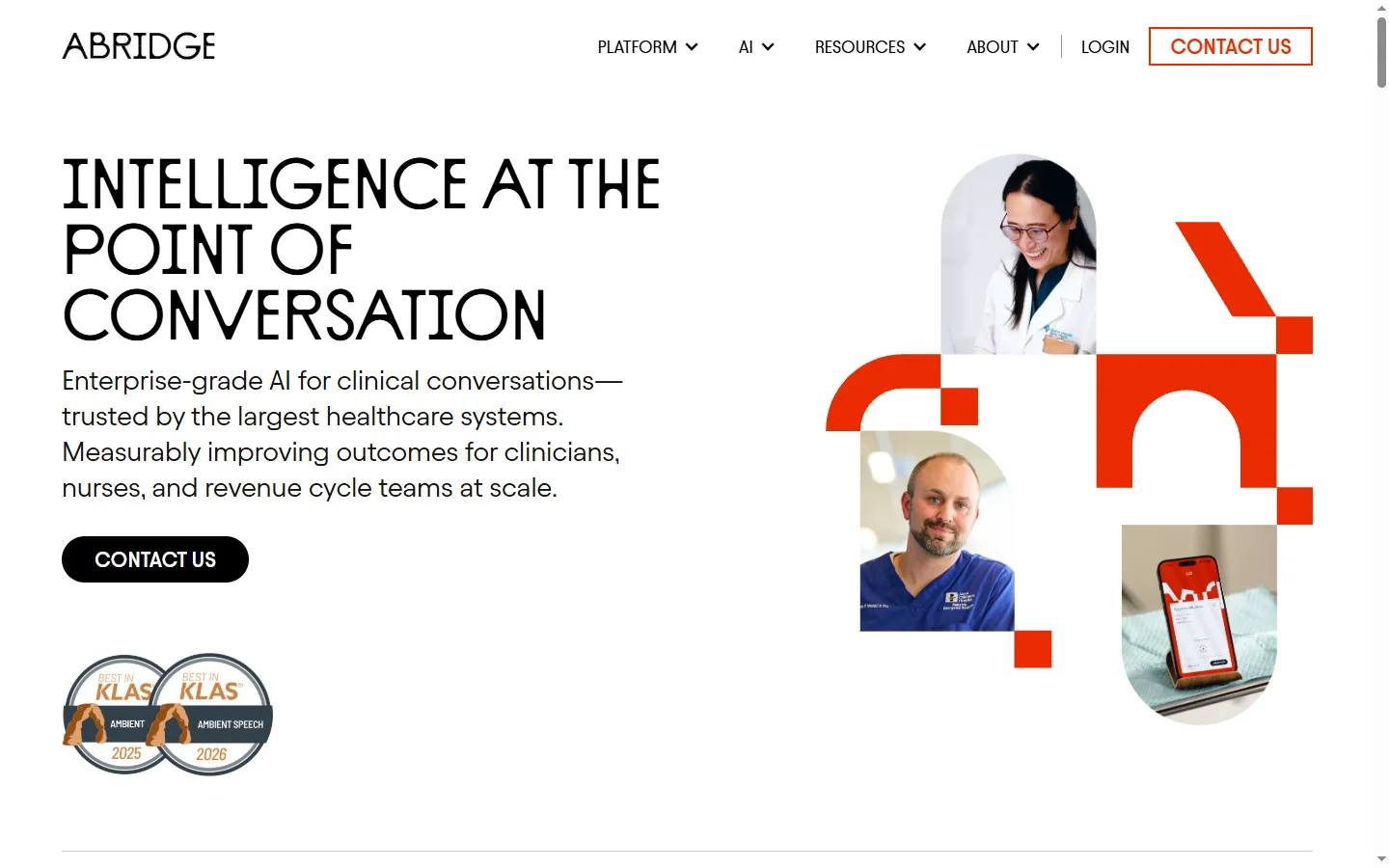
Abridge AI medical documentation platform that records and summarizes clinical conversations into structured physician notes in real time.

Air AI
Air AI conducts autonomous full-length AI phone calls for sales prospecting, appointment setting, and customer service without human agents.