
Calypso AI
Paid ✓ Verified 🔥 TrendingCalypsoAI is an enterprise AI security platform that monitors, filters, and audits generative AI usage across large organizations to protect data and enforce policy.
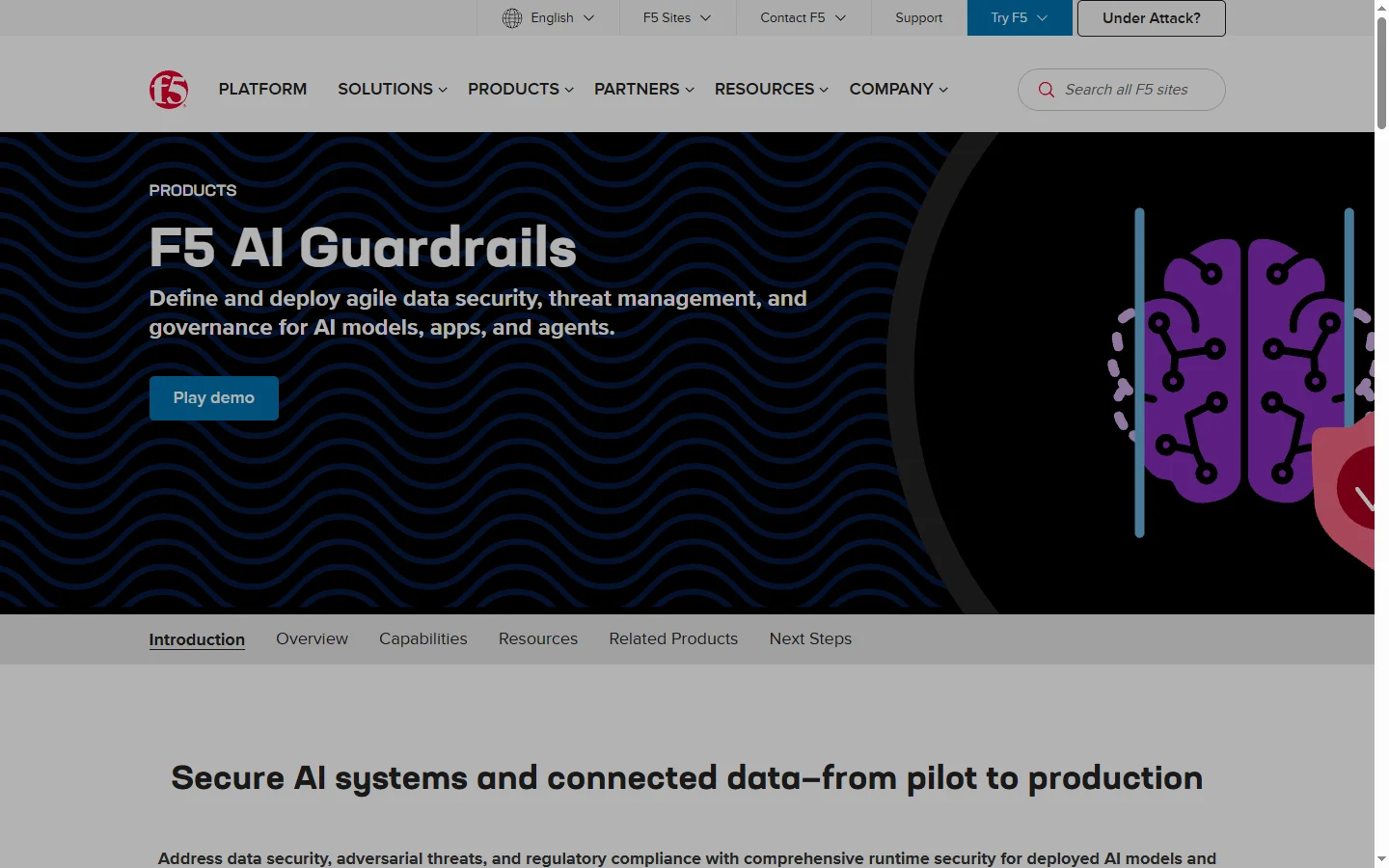
📋 About Calypso AI
CalypsoAI is an enterprise security and governance platform for generative AI, giving large organizations a centralized way to protect sensitive data, enforce acceptable-use policies, and audit every AI interaction across their workforce. The platform sits as a control plane between employees and public or internal LLM providers, inspecting prompts and responses in real time, blocking policy violations, and generating the audit trail that compliance, legal, and security teams need to approve broader AI adoption.
CalypsoAI includes prompt firewalls that scan for sensitive data like source code, intellectual property, and personally identifiable information before content leaves the organization, plus response scanning that flags hallucinations, harmful outputs, or unauthorized content types. The platform supports multiple underlying models from OpenAI, Anthropic, Google, and open-source providers so organizations can mix-and-match while maintaining consistent controls. Red-team tooling tests deployed AI applications against adversarial prompts before they reach production.
CalypsoAI serves CISOs, CIOs, and AI governance leaders at enterprises and regulated industries including financial services, healthcare, government, and defense. The platform enables these organizations to adopt generative AI at scale without losing control of sensitive data or violating regulatory obligations. Deployment options include SaaS, private cloud, and air-gapped environments for the most sensitive use cases.
⚡ Key Features of Calypso AI
Prompt and Response Firewall
CalypsoAI inspects every prompt sent to LLM providers and every response returned, blocking or redacting content that violates policy rules in real time. Scanners detect categories like source code, customer PII, financial data, and regulated health information with configurable actions per data type. Policies can differ by user group, department, or destination model, reflecting the reality that different teams have different risk profiles. All blocked or modified interactions are logged for compliance review.
Multi-Model Orchestration
A single integration lets organizations route AI requests across OpenAI, Anthropic, Google, Azure, Amazon Bedrock, and private open-source models behind one consistent policy layer. Administrators can pin specific use cases to approved models while blocking others entirely, reducing shadow AI risk. Model-agnostic routing also future-proofs AI governance as the provider landscape evolves. Failover between providers keeps applications available if one endpoint fails.
Red Team Attack Testing
Before deploying AI applications, teams can test them against a continuously-updated library of adversarial prompts designed to expose prompt injection, jailbreak, data exfiltration, and bias vulnerabilities. Reports quantify risk and recommend specific mitigations before production launch. Automated retesting after changes ensures protections hold as applications evolve. This fills a gap left by traditional appsec tools that were not designed for LLM-specific threats.
Audit Trail and Compliance Reporting
Every AI interaction is stored with user identity, timestamp, prompt content, response content, policy decisions, and model used, satisfying typical SOX, HIPAA, GDPR, and sector-specific audit requirements. Pre-built reports summarize usage trends, blocked activity, and high-risk users for executive and board reporting. Exports integrate with existing SIEM and GRC platforms. Retention policies can be configured per regulatory regime.
Policy Management Console
Security and governance teams build, test, and deploy policies through a visual console rather than writing code. Templates cover common scenarios like defensive industrial base, financial services, and healthcare out of the box. Staged rollout lets policies be tested in monitor-only mode before enforcement. Version history and rollback support safe iteration as policies mature with organizational experience.
Private and Air-Gapped Deployment
CalypsoAI can deploy on the customer's own infrastructure, in private cloud, or fully air-gapped for the most sensitive environments including defense and intelligence customers. This supports data residency, export control, and classified workload requirements. Deployments are managed through the same console regardless of hosting model. Hardened reference architectures meet common government accreditation frameworks.
Developer SDKs and Integrations
Drop-in SDKs for Python, JavaScript, Java, and REST let developers integrate CalypsoAI into custom applications with minimal changes, while pre-built connectors cover Microsoft 365, Google Workspace, Slack, and common code assistants. Integration patterns include transparent proxy mode for zero-code deployment and fine-grained mode for custom business rules. Documentation is oriented to application developers rather than security specialists.
🎯 Use Cases for Calypso AI
⚖️ Calypso AI Pros & Cons
Advantages
- ✓Model-agnostic control plane across major LLM providers
- ✓Strong audit trail and compliance reporting for regulated industries
- ✓Red-team tooling tests AI apps against adversarial prompts
- ✓Supports air-gapped deployment for sensitive environments
- ✓Policy console usable by non-developers
Drawbacks
- ✗Enterprise pricing only, not suitable for individuals
- ✗Adds latency and complexity compared to direct API calls
- ✗Policy tuning requires security expertise to avoid false positives
- ✗Deployment and integration project is significant for large enterprises
📖 How to Use Calypso AI
Contact CalypsoAI sales to scope a deployment based on user count, models to cover, and compliance requirements.
Choose a hosting model — SaaS, private cloud, or air-gapped — based on your data residency and regulatory needs.
Define policies through the management console using templates for your industry and customize per department.
Roll out policies in monitor-only mode first to observe traffic and refine rules before enforcement.
Integrate CalypsoAI with your identity provider so user context flows into policy decisions and audit logs.
Set up red-team scans for every internally-deployed AI application and remediate findings before production launch.
❓ Calypso AI FAQ
CalypsoAI is an enterprise security and governance platform that sits between employees and AI model providers, inspecting prompts and responses, enforcing policies, and generating audit trails for compliance.
CalypsoAI is model-agnostic and supports major providers including OpenAI, Anthropic, Google, Azure, Amazon Bedrock, and private or open-source models deployed internally.
Yes. CalypsoAI scans outbound prompts for sensitive content categories like source code, PII, and regulated data and blocks, redacts, or alerts based on configurable policies per user group and destination.
Yes. CalypsoAI supports air-gapped deployment for defense, government, and other high-security customers that cannot route AI traffic through public cloud services.
No. CalypsoAI is designed for enterprises and regulated organizations deploying AI at scale. Individual users should look at consumer AI tools with built-in safety features instead.
Related to Calypso AI

A2E AI
A2E AI productivity platform converts audio and video recordings into transcripts, summaries, and action items with speaker identification.

Abnormal AI
Abnormal AI uses behavioral AI to detect business email compromise, account takeover, and socially engineered phishing that bypasses secure email gateways.

Abridge AI
Abridge AI medical documentation platform that records and summarizes clinical conversations into structured physician notes in real time.

Accrete AI
Accrete AI builds autonomous enterprise AI agents for defense, government, and commercial intelligence workflows.

Argon AI
Argon AI is an AI platform for the life sciences industry that helps commercial and medical teams synthesize research, regulatory, and market intelligence.

Bright AI
Bright AI is an AI-powered data platform that turns unstructured web and enterprise content into structured, analytics-ready datasets for business decisions.
Featured on WhatIf.ai
Add this badge to your website to show you're listed on WhatIf AI
Alternatives to Calypso AI
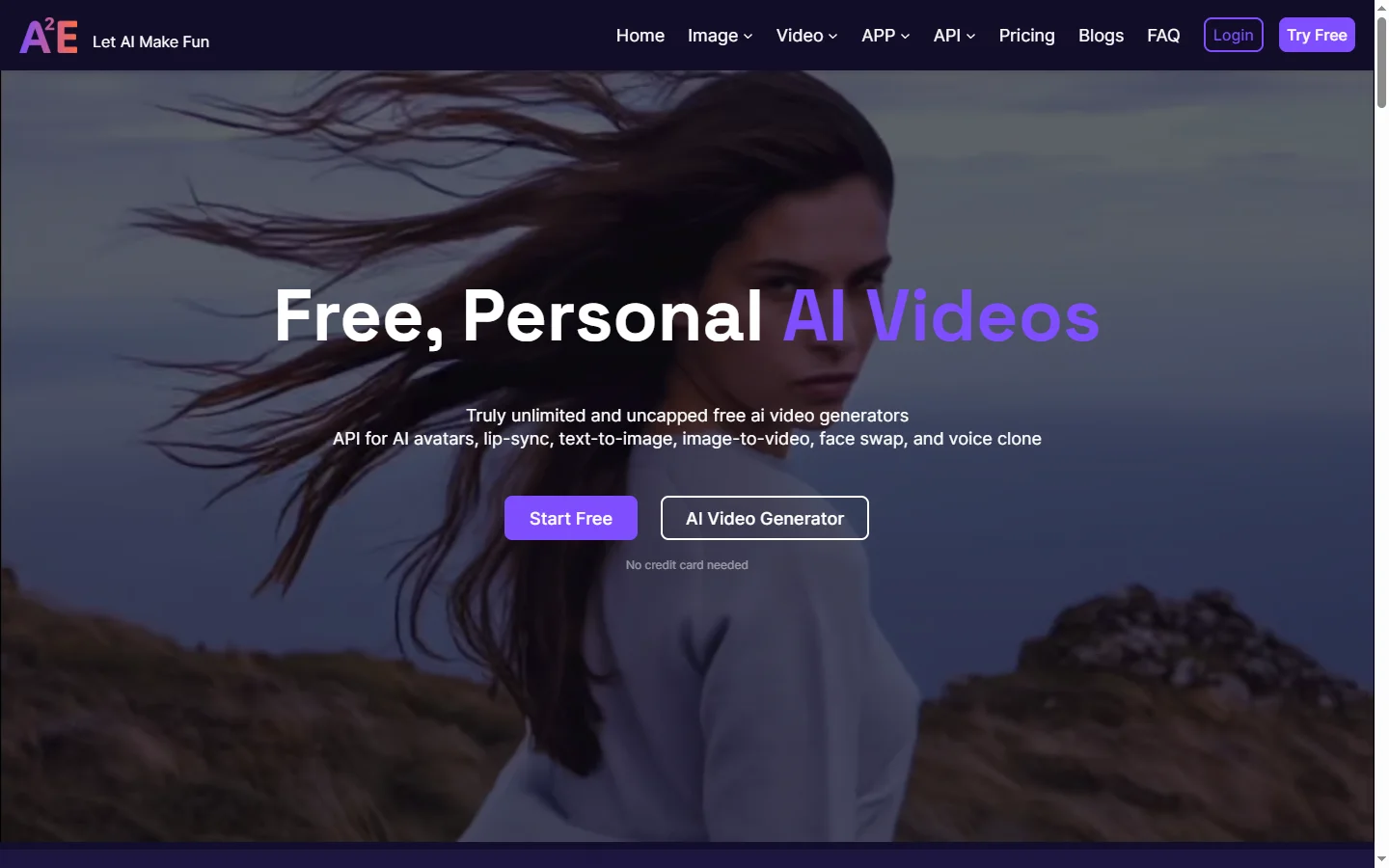
A2E AI
A2E AI productivity platform converts audio and video recordings into transcripts, summaries, and action items with speaker identification.
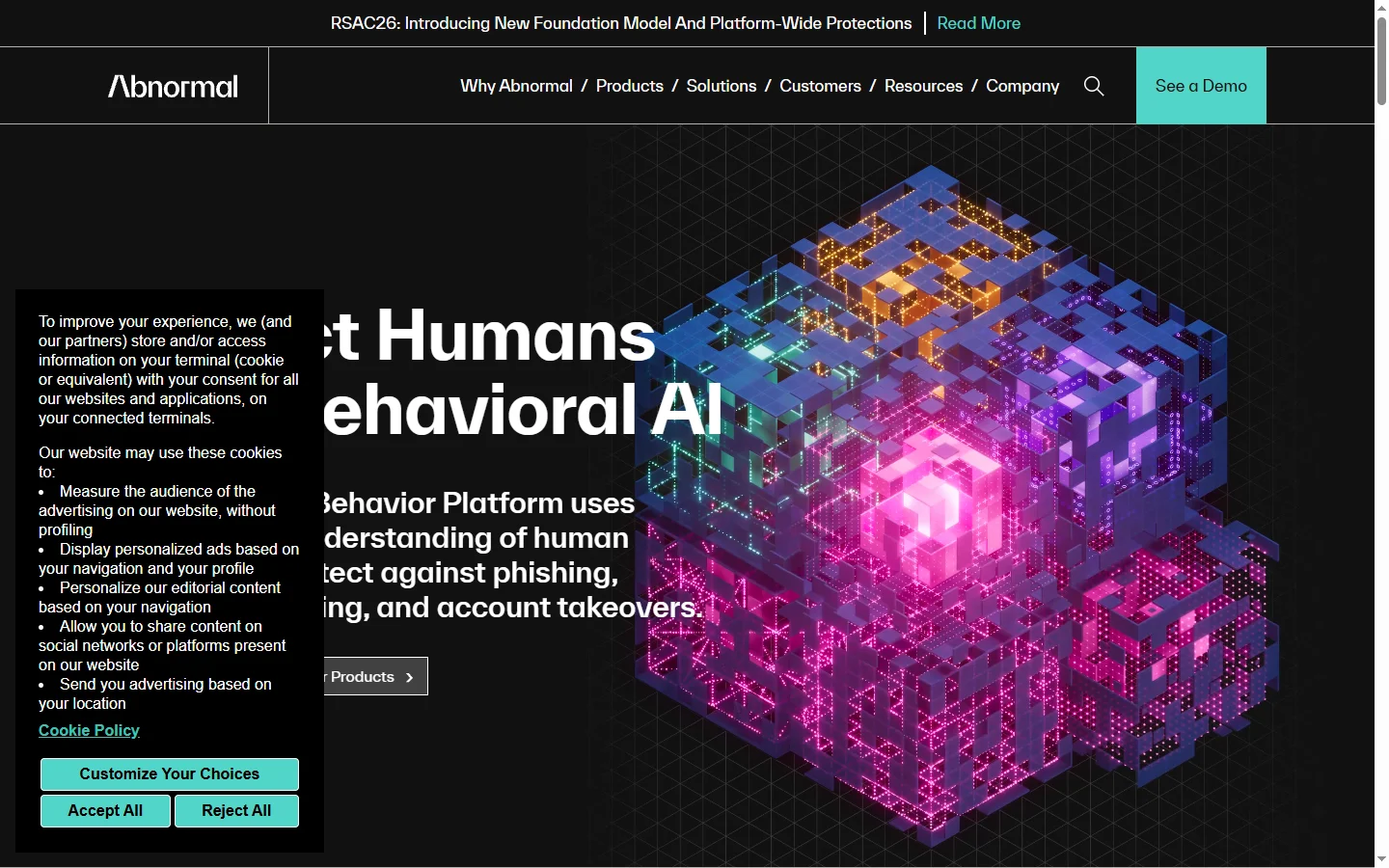
Abnormal AI
Abnormal AI uses behavioral AI to detect business email compromise, account takeover, and socially engineered phishing that bypasses secure email gateways.
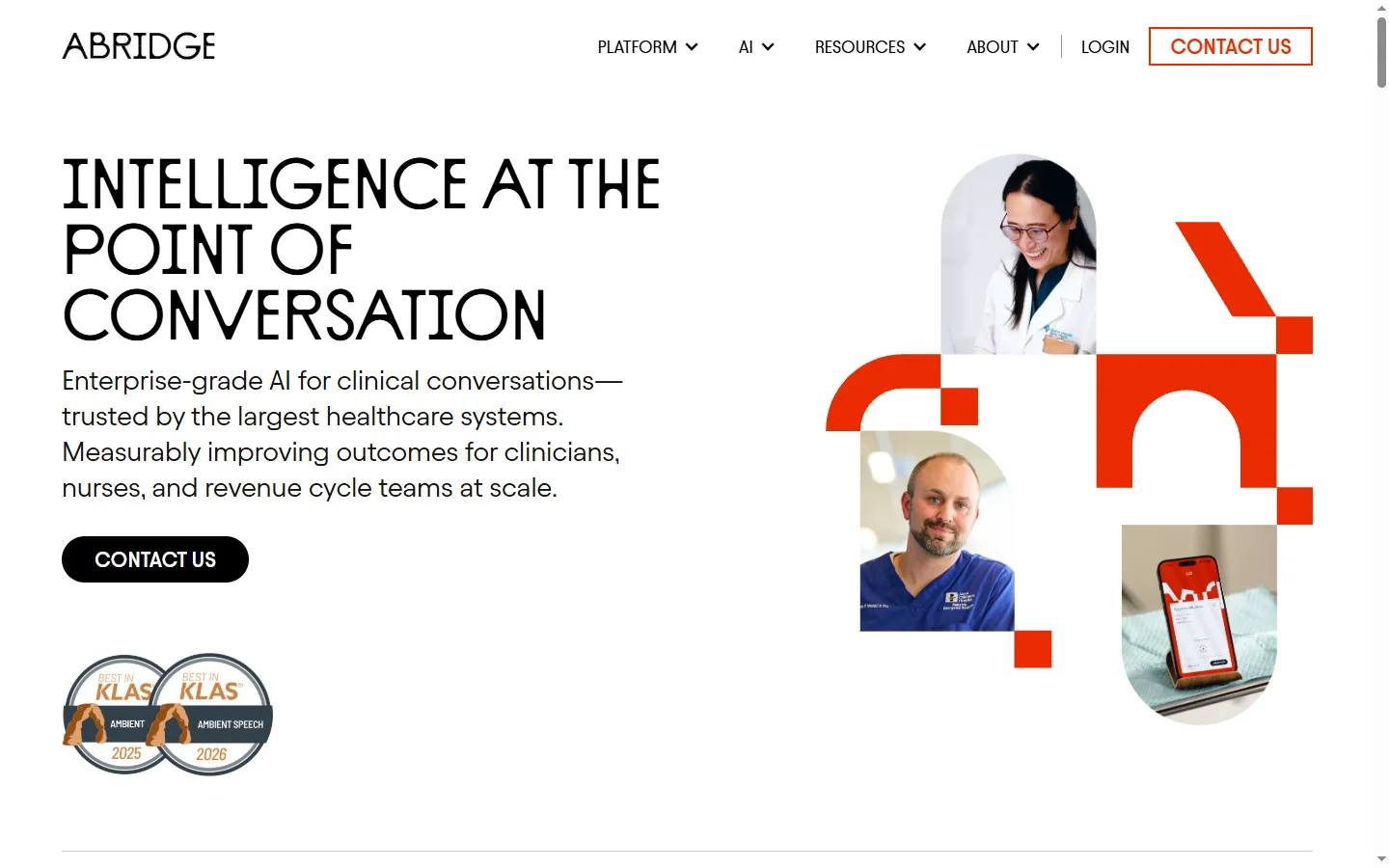
Abridge AI
Abridge AI medical documentation platform that records and summarizes clinical conversations into structured physician notes in real time.

Air AI
Air AI conducts autonomous full-length AI phone calls for sales prospecting, appointment setting, and customer service without human agents.