
Bright AI
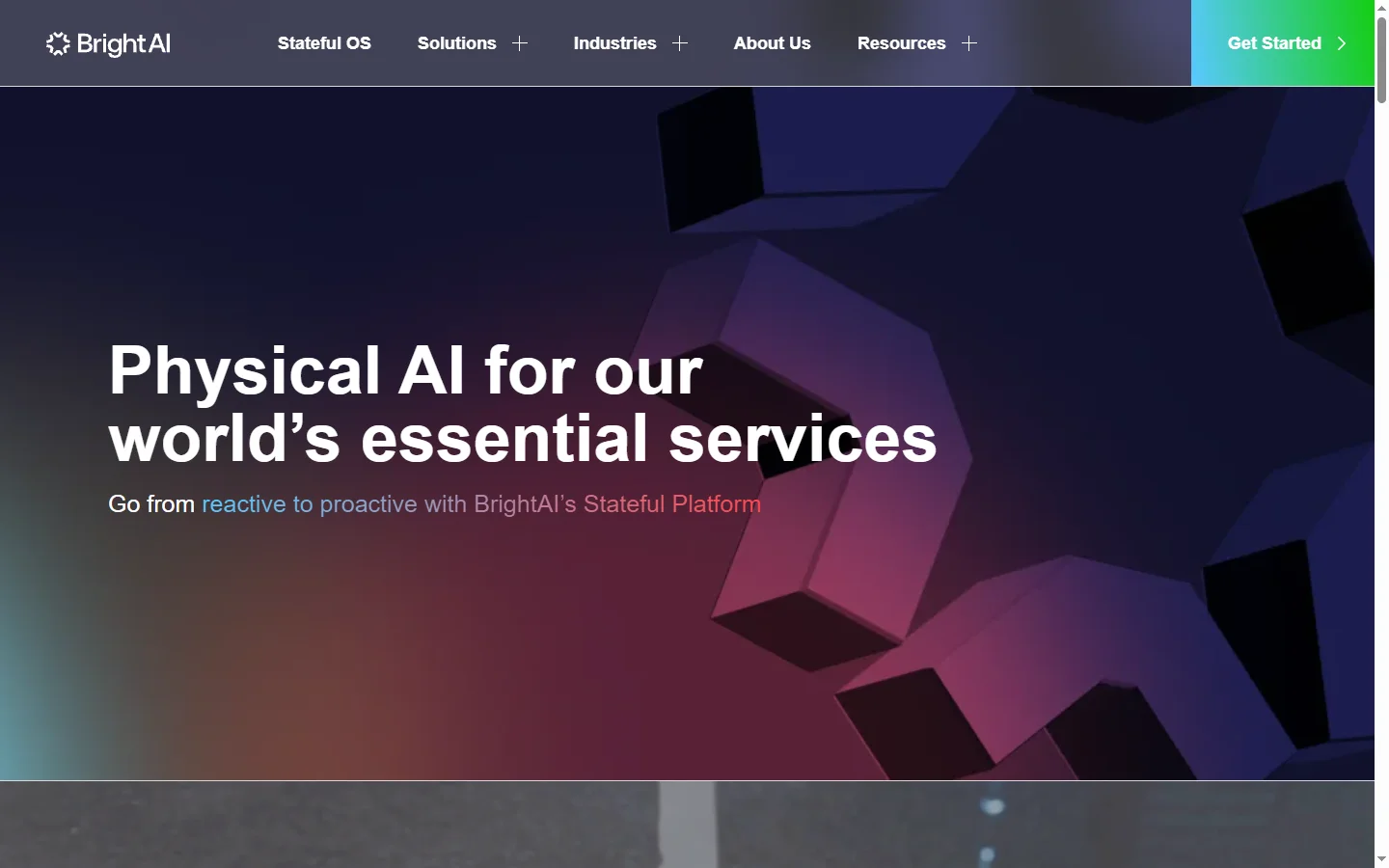
Paid ✓ VerifiedBright AI is an AI-powered data platform that turns unstructured web and enterprise content into structured, analytics-ready datasets for business decisions.
📋 About Bright AI
Bright AI is a platform for extracting, structuring, and analyzing unstructured data from the public web and internal enterprise sources at scale. It pairs large language models with traditional data engineering tooling so that teams can turn thousands of websites, PDFs, and documents into clean structured datasets ready for analytics, BI, and downstream AI applications. The product addresses the fundamental challenge that most of the world's valuable business data lives in unstructured form and is expensive to extract consistently at scale.
The platform handles the full extraction pipeline: crawling or ingesting source content, cleaning and normalizing it, running AI models to extract specific fields and entities, validating outputs against expected schemas, and publishing results into warehouses, lakes, or direct consumer applications. It ships with templates for common use cases like product catalog building, competitive price monitoring, lead enrichment, financial document parsing, and regulatory filing analysis, while supporting fully custom pipelines for unique schemas.
Bright AI targets data teams, analysts, and operators at companies that need reliable large-scale extraction without building an in-house research team. Customers include e-commerce, financial services, real estate, research, and sales intelligence operators. The platform reduces the total cost of ownership compared to building and maintaining custom scrapers and parsers by centralizing crawling, extraction, and quality control in one stack.
⚡ Key Features of Bright AI
AI-Native Web Crawling
Bright AI's crawlers use language models to understand page semantics rather than relying purely on CSS selectors, making extraction robust to site redesigns and inconsistent HTML. Crawls handle authentication, pagination, infinite scroll, and dynamic JavaScript content out of the box. Rate limiting, rotating proxies, and politeness controls keep crawls compliant with target sites. Scheduled refreshes keep datasets current without manual intervention.
Schema-Guided Extraction
Users define the output schema they need — fields, types, validation rules — and Bright AI figures out how to extract those fields from diverse source documents. The system learns per-source patterns to improve accuracy over time and flags extractions below confidence thresholds for human review. Schemas can be versioned so extraction pipelines evolve alongside changing business needs. JSON, CSV, and warehouse-native output formats are supported.
Document Parsing at Scale
Beyond web pages, Bright AI processes PDFs, Word docs, scanned images, and other document types common in regulated industries. OCR is combined with layout-aware language models to handle tables, forms, and multi-column layouts that traditional OCR fails on. Parsing pipelines integrate with document management systems so new uploads trigger automatic extraction. This enables use cases like financial filing analysis, contract extraction, and regulatory monitoring.
Data Quality and Validation
Every extraction is scored for confidence and validated against schema rules, cross-field checks, and historical distributions. Outliers and schema violations are surfaced in a review queue where analysts can correct issues and feed improvements back into the extraction models. This turns extraction from a fire-and-forget batch job into a continuously-improving quality loop. Quality metrics are visible per-source so operators can trust the resulting datasets.
Entity Resolution and Deduplication
Records extracted from different sources are matched and linked using AI-powered entity resolution that handles naming inconsistencies, alternate IDs, and partial records. This is critical for building unified datasets from overlapping sources like product catalogs, company databases, or researcher profiles. Confidence-scored matches allow high-trust joins to happen automatically while ambiguous cases go to review. The result is clean master records rather than duplicates from multiple crawls.
Warehouse and API Delivery
Extracted datasets sync into Snowflake, BigQuery, Redshift, and other warehouses on the cadence you define, or flow through live APIs for real-time use cases like price monitoring. Pre-built connectors cover common BI tools and reverse ETL services so data lands where analysts already work. Delta updates move only changes rather than full refreshes to control costs. Webhooks notify downstream systems when datasets refresh.
Prebuilt Industry Templates
Templates for e-commerce catalog aggregation, real estate listing monitoring, financial filings, regulatory tracking, and B2B lead enrichment let customers go from signup to production pipeline in days rather than months. Templates come with tested schemas, known sources, and benchmarked quality metrics so customers know what to expect. Custom pipelines build on the same infrastructure when unique schemas are required. This dramatically reduces time to value for common use cases.
🎯 Use Cases for Bright AI
⚖️ Bright AI Pros & Cons
Advantages
- ✓AI-native crawlers resilient to site redesigns
- ✓Handles both web content and uploaded documents
- ✓Strong data quality and validation workflow
- ✓Prebuilt templates for common industry use cases
- ✓Direct warehouse integration removes ETL glue work
Drawbacks
- ✗Enterprise pricing not suitable for casual users
- ✗Custom schema setup requires some technical skill
- ✗Extraction quality depends on source site consistency
- ✗Compliance with target site terms of service is customer responsibility
📖 How to Use Bright AI
Sign up for a Bright AI account and describe the data you need to extract including sources and schema.
Choose a prebuilt template if your use case matches e-commerce, real estate, financial filings, or lead enrichment.
Define your target schema — fields, types, and validation rules — using the visual schema builder.
Point Bright AI at your source URLs or upload documents, and run a test extraction on a small sample.
Review quality metrics and correct flagged records to train the extraction pipeline for your sources.
Schedule recurring extractions and connect the output to your warehouse, BI, or downstream application.
❓ Bright AI FAQ
Bright AI is a platform that uses AI to extract and structure data from the public web and unstructured documents, delivering clean datasets into warehouses and applications for business analytics.
Traditional scrapers rely on fragile CSS selectors that break when sites change. Bright AI uses language models to understand page semantics, making extraction robust to redesigns and supporting varied document types beyond HTML.
Yes. Bright AI combines OCR with layout-aware language models to handle PDFs, Word documents, scanned images, and other document formats common in finance, legal, and regulated industries.
Output can sync to Snowflake, BigQuery, Redshift, S3, and other warehouses, or flow through real-time APIs and webhooks for live applications like price monitoring and alerting.
Bright AI provides technical controls like rate limiting and proxy rotation but customers are responsible for ensuring their extraction activities comply with target site terms and applicable law.
Related to Bright AI

A2E AI
A2E AI productivity platform converts audio and video recordings into transcripts, summaries, and action items with speaker identification.

Abnormal AI
Abnormal AI uses behavioral AI to detect business email compromise, account takeover, and socially engineered phishing that bypasses secure email gateways.

Abridge AI
Abridge AI medical documentation platform that records and summarizes clinical conversations into structured physician notes in real time.

Accrete AI
Accrete AI builds autonomous enterprise AI agents for defense, government, and commercial intelligence workflows.

Argon AI
Argon AI is an AI platform for the life sciences industry that helps commercial and medical teams synthesize research, regulatory, and market intelligence.

Toolify AI
Large AI tools directory with rankings, reviews, and traffic data covering thousands of AI products across every major category.
Featured on WhatIf.ai
Add this badge to your website to show you're listed on WhatIf AI
Alternatives to Bright AI

A2E AI
A2E AI productivity platform converts audio and video recordings into transcripts, summaries, and action items with speaker identification.
Abnormal AI
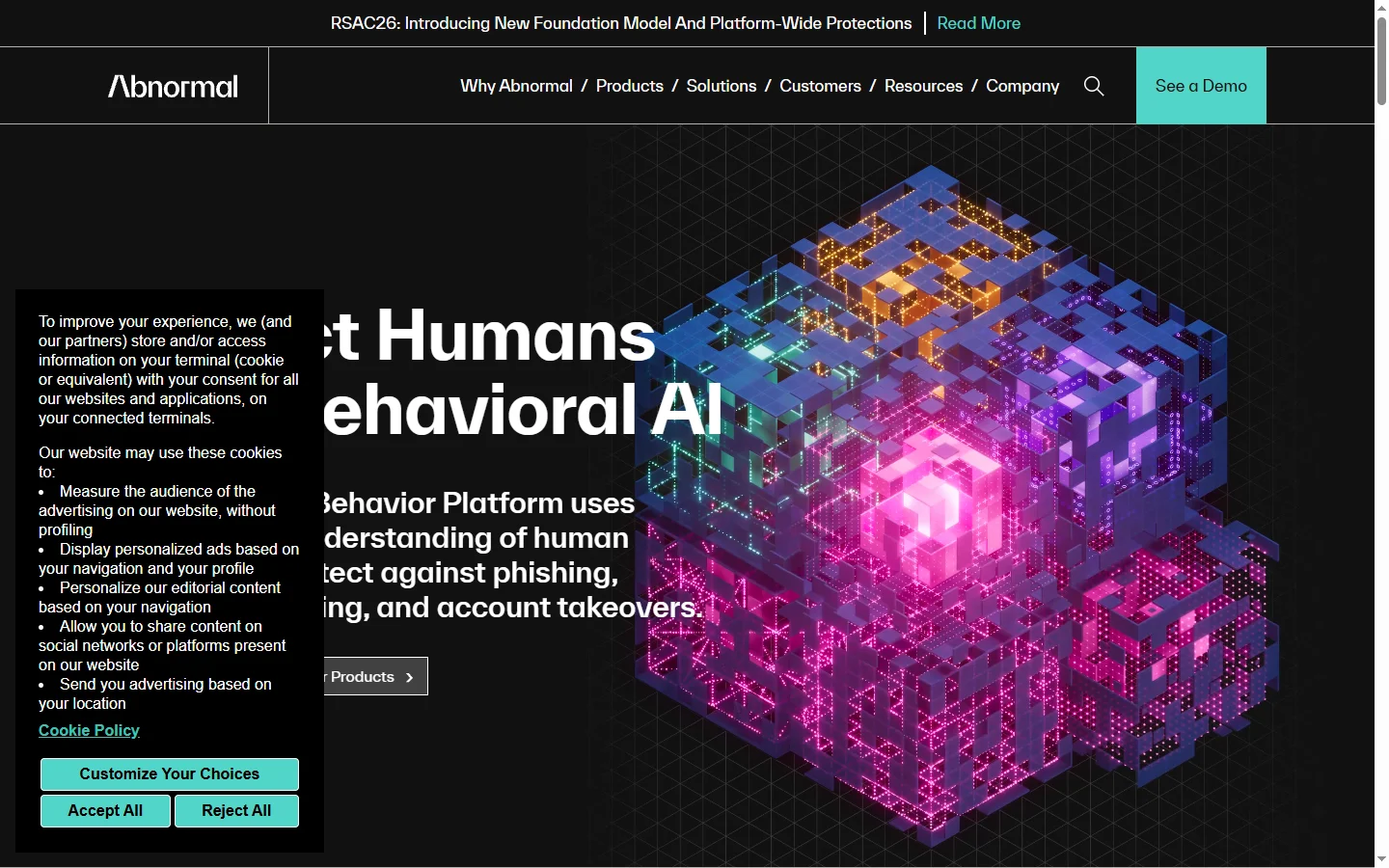
Abnormal AI uses behavioral AI to detect business email compromise, account takeover, and socially engineered phishing that bypasses secure email gateways.
Abridge AI
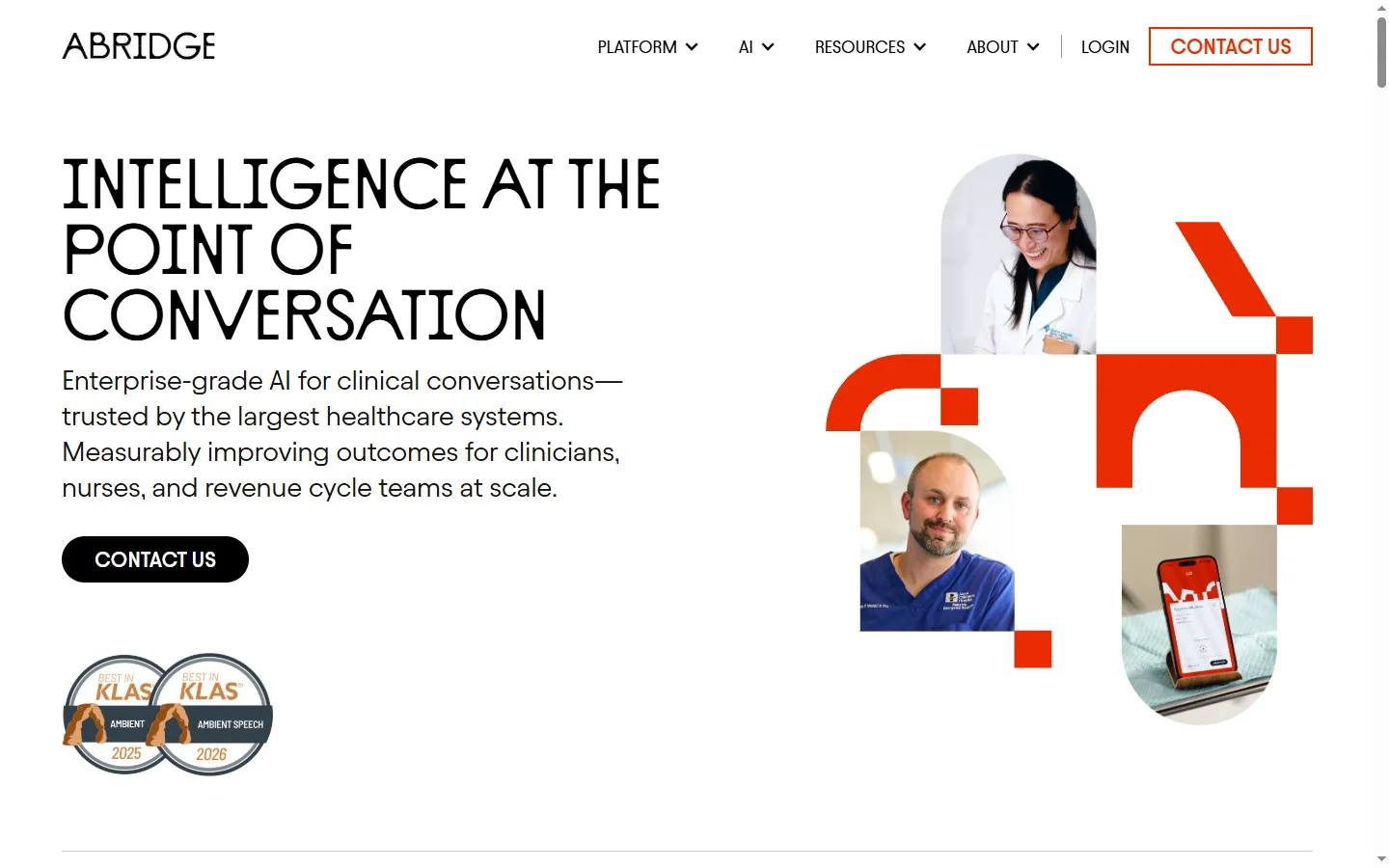
Abridge AI medical documentation platform that records and summarizes clinical conversations into structured physician notes in real time.

Air AI
Air AI conducts autonomous full-length AI phone calls for sales prospecting, appointment setting, and customer service without human agents.