
Vellum AI
Paid ✓ Verified 🔥 TrendingVellum AI is a development platform for building, testing, and deploying production-grade LLM applications with prompt engineering, evaluation, and monitoring tools.
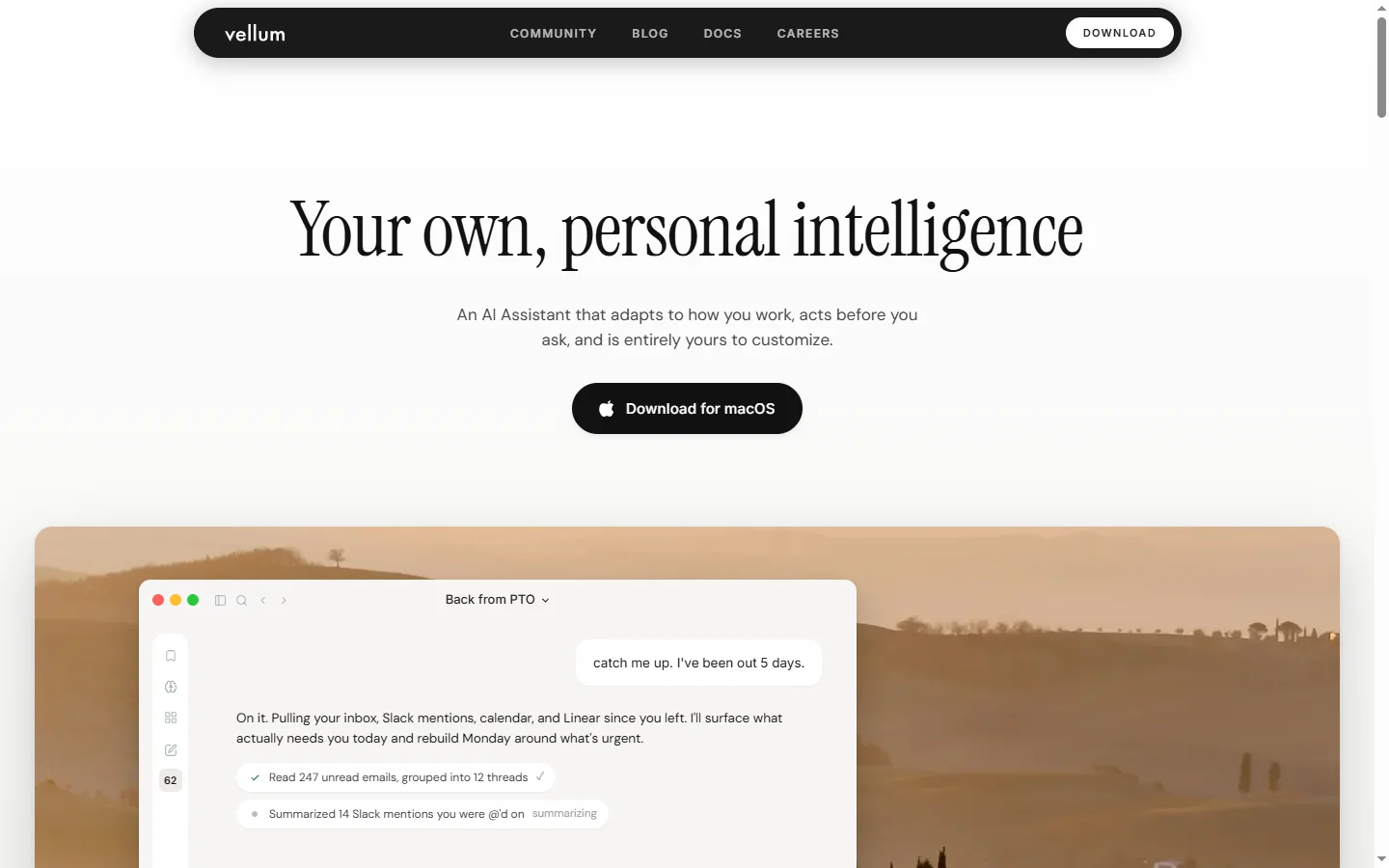
📋 About Vellum AI
Vellum AI is a developer platform designed to help product and engineering teams build, evaluate, and ship LLM-powered features to production with confidence. The vellum ai platform spans the full LLM development lifecycle: prompt experimentation, side-by-side model evaluation, retrieval-augmented generation (RAG) pipeline orchestration, deployment with versioning, and production observability. It addresses the gap between a working demo and a reliable production application that handles real traffic, edge cases, and cost constraints.
The platform supports every major model provider — OpenAI, Anthropic, Google, Meta, Mistral, and self-hosted endpoints — from a unified interface so teams can compare outputs, latency, and cost across models before committing. Built-in evaluation tools let teams define test suites, grade outputs with LLM-as-judge or human labeling, and catch regressions before deploying prompt changes. As an ai development platform, Vellum provides SDKs, REST APIs, and a workflow builder that non-engineers can use to iterate on prompts without waiting on engineering cycles.
Vellum AI serves product-focused engineering teams at startups and enterprises building AI features, from customer support copilots to document analysis pipelines. Customers include companies in legal tech, healthcare, fintech, and SaaS. Vellum's value proposition is replacing the ad-hoc mix of spreadsheets, notebooks, and homegrown tooling that teams typically assemble during LLM development with a single, purpose-built platform. Pricing scales with usage, with enterprise options for teams requiring SSO, audit logs, and dedicated support.
⚡ Key Features of Vellum AI
Prompt Engineering and Experimentation
Build, version, and compare prompts side-by-side across models with a structured UI that replaces ad-hoc spreadsheets and notebooks. The vellum ai editor supports variables, templating, and branching logic for complex prompt workflows. Teams can invite non-engineers to iterate on prompts without waiting for code changes. Every prompt change is versioned for rollback.
Multi-Model Evaluation
Run test suites across OpenAI, Anthropic, Google, Meta, Mistral, and other providers simultaneously to compare quality, latency, and cost. LLM-as-judge and human-labeling options let teams define custom evaluation criteria. This shortens the experimentation cycle from days to hours. Regression tests prevent deploying prompt changes that degrade quality on critical cases.
RAG Pipeline Orchestration
Build retrieval-augmented generation pipelines with managed document indexing, embedding generation, and vector search. The ai development platform integrates with popular vector stores and supports hybrid retrieval strategies. Context windows, chunking, and reranking are configurable from the same interface. This turns RAG from a custom-engineering project into a configurable workflow.
Deployment and Versioning
Deploy prompts and workflows with versioning, staged rollouts, and instant rollback. SDKs for Python, TypeScript, and REST APIs make integration trivial. Different environments — development, staging, production — can run different versions simultaneously. This enables safe experimentation in production without risk to core traffic.
Production Observability
Monitor latency, cost, quality metrics, and user feedback across all LLM calls in production. Trace individual requests end-to-end through multi-step workflows. Alerts flag anomalies like latency spikes or cost overruns. The vellum ai observability layer replaces the need to build custom logging and analytics pipelines.
Visual Workflow Builder
Compose multi-step LLM workflows — with branching logic, tool calls, and retrieval steps — through a visual interface. Non-engineers can prototype complex agent behaviors without writing code. Engineers can export workflows to code for advanced customization. This accelerates both initial prototyping and ongoing iteration.
🎯 Use Cases for Vellum AI
⚖️ Vellum AI Pros & Cons
Advantages
- ✓Covers the full LLM development lifecycle
- ✓Supports all major model providers in one interface
- ✓Built-in evaluation prevents regressions
- ✓Visual workflow builder accessible to non-engineers
- ✓Production observability out of the box
Drawbacks
- ✗Paid-only with no permanent free tier
- ✗Some advanced features gated to enterprise plans
- ✗Learning curve for teams new to LLM ops practices
- ✗Smaller ecosystem than some incumbents
📖 How to Use Vellum AI
Sign up at vellum.ai and connect your preferred model providers (OpenAI, Anthropic, Google, etc.) using API keys.
Create a workspace and import or build your initial prompts in the structured editor.
Define evaluation test cases and run them across multiple models to compare quality, latency, and cost.
Assemble multi-step workflows in the visual builder, including retrieval, tool calls, and branching logic.
Deploy the vellum ai workflow to production via SDK or REST API and monitor performance in the observability dashboard.
Iterate on prompts and workflows using built-in versioning, staged rollouts, and regression tests.
❓ Vellum AI FAQ
Vellum offers a limited free trial so teams can evaluate the platform. Paid plans are required for production usage, with tiered pricing based on volume and enterprise features.
Vellum supports OpenAI, Anthropic, Google Gemini, Meta Llama, Mistral, Cohere, and self-hosted endpoints, with a unified API for experimenting and deploying across providers.
Yes. The visual workflow builder and prompt editor are accessible to product managers and domain experts, enabling them to iterate on prompts without engineering cycles.
Yes. Vellum provides end-to-end RAG pipeline orchestration including document indexing, embedding, vector search, and retrieval strategy configuration.
Yes. Vellum offers compliance features including SOC 2 certification, SSO, audit logs, and enterprise deployment options suitable for healthcare, legal, and financial services customers.
Related to Vellum AI

A2E AI
A2E AI productivity platform converts audio and video recordings into transcripts, summaries, and action items with speaker identification.

Abnormal AI
Abnormal AI uses behavioral AI to detect business email compromise, account takeover, and socially engineered phishing that bypasses secure email gateways.

Abridge AI
Abridge AI medical documentation platform that records and summarizes clinical conversations into structured physician notes in real time.

Accrete AI
Accrete AI builds autonomous enterprise AI agents for defense, government, and commercial intelligence workflows.

Ace AI
Ace AI is an AI-powered interview and career coach that helps job seekers prepare with mock interviews, resume feedback, and personalized career guidance.

Claude
Claude AI assistant by Anthropic with a 200K context window, strong reasoning, and safety-focused design for writing, coding, and analysis.
Featured on WhatIf.ai
Add this badge to your website to show you're listed on WhatIf AI
Alternatives to Vellum AI
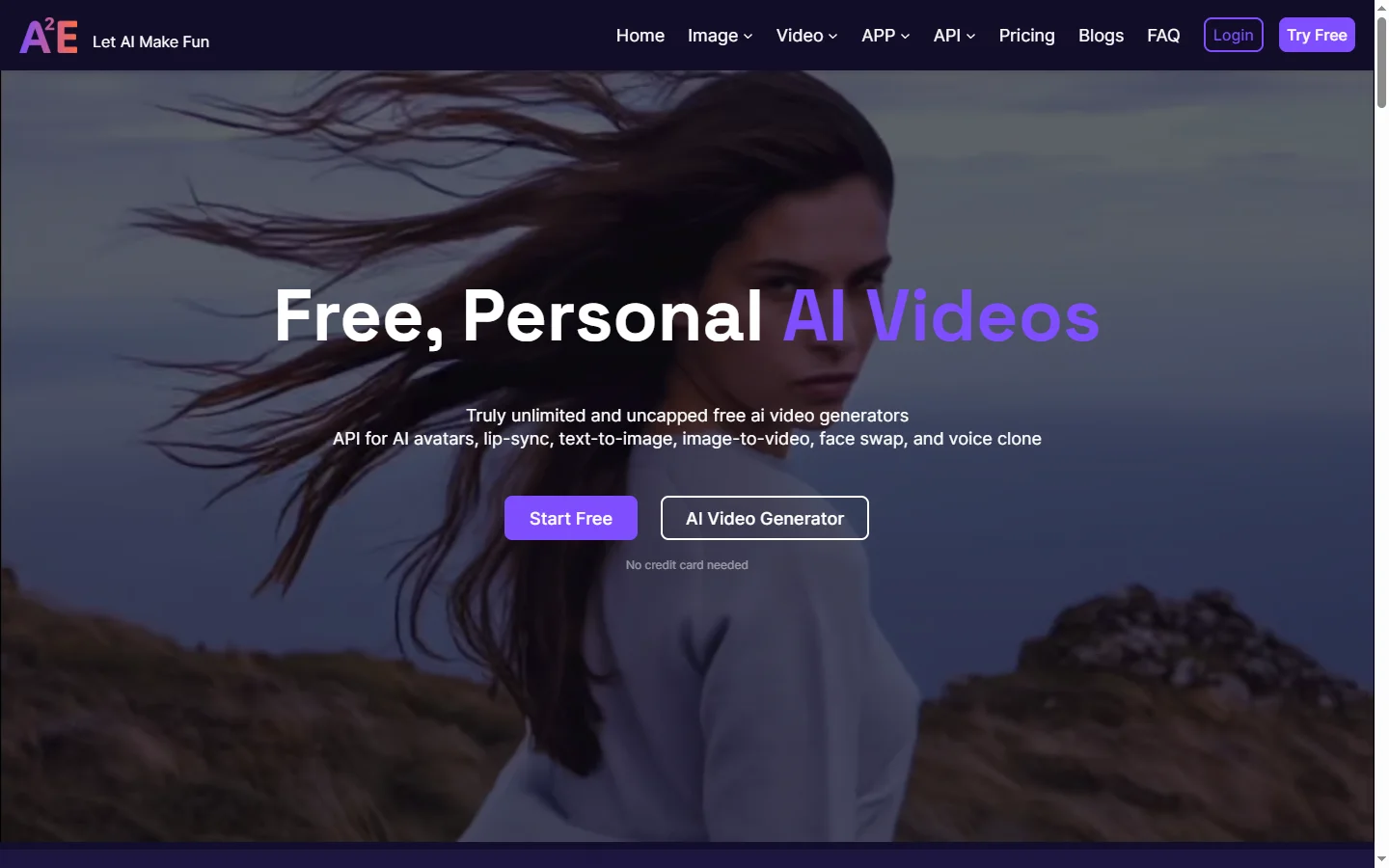
A2E AI
A2E AI productivity platform converts audio and video recordings into transcripts, summaries, and action items with speaker identification.
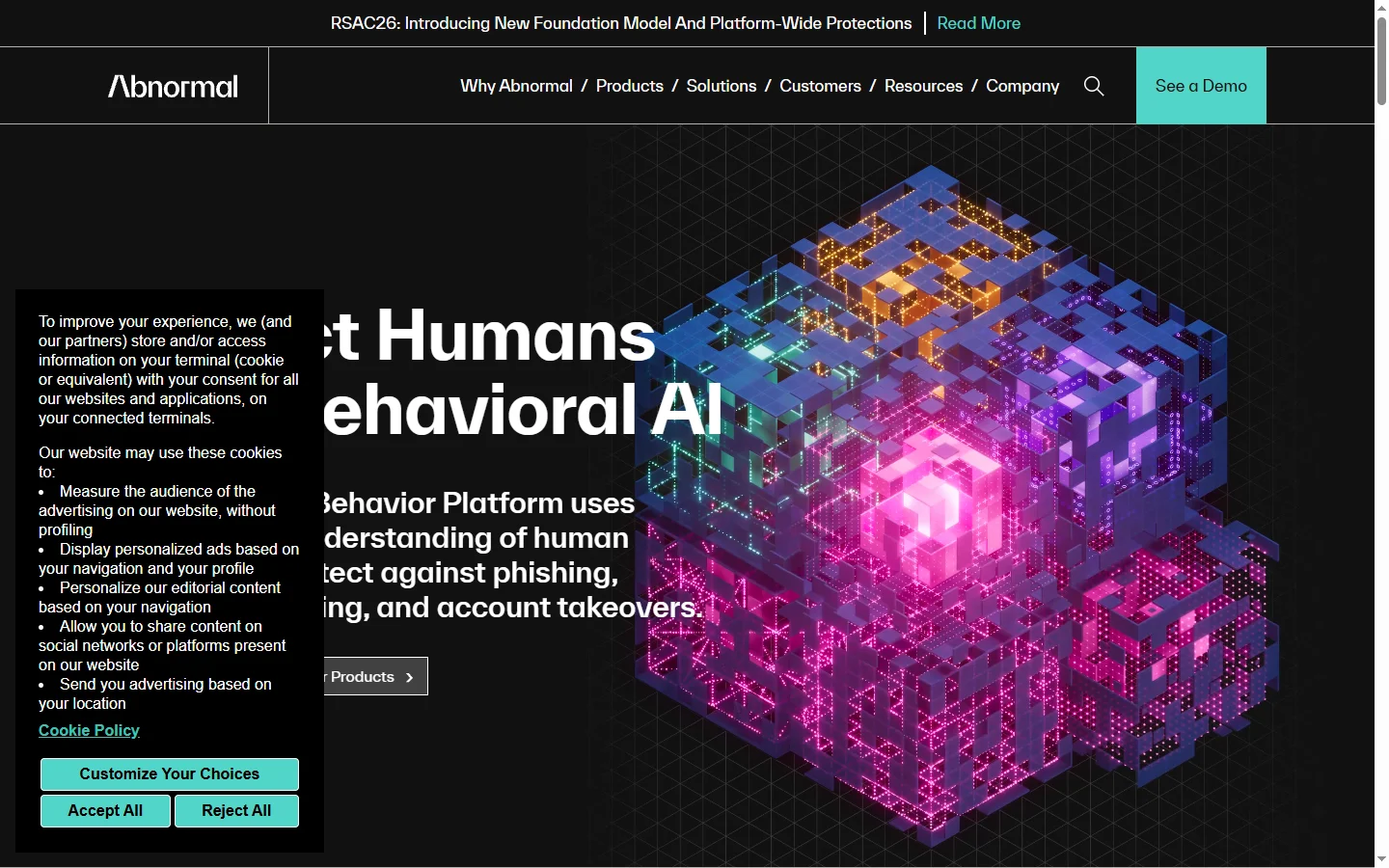
Abnormal AI
Abnormal AI uses behavioral AI to detect business email compromise, account takeover, and socially engineered phishing that bypasses secure email gateways.
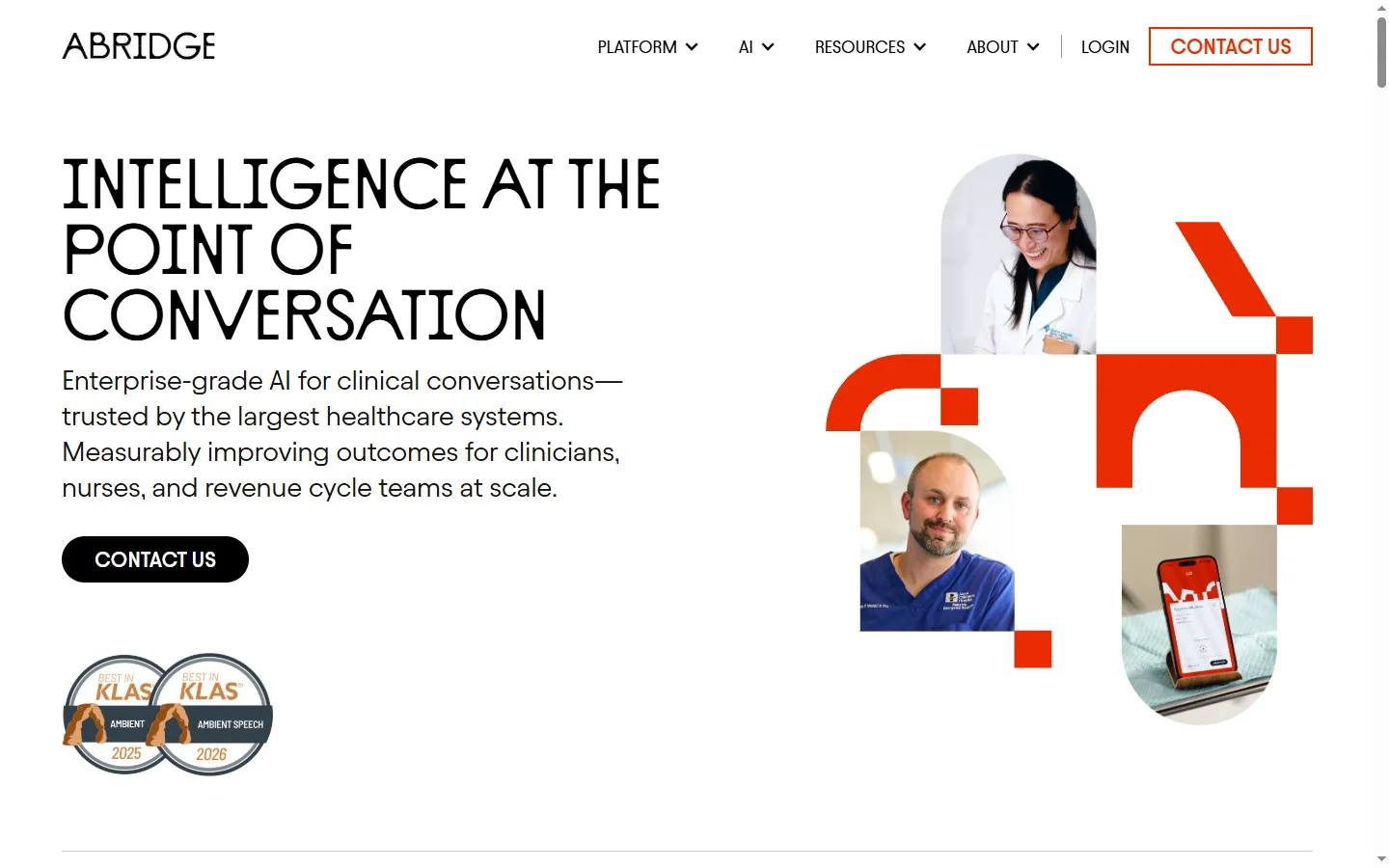
Abridge AI
Abridge AI medical documentation platform that records and summarizes clinical conversations into structured physician notes in real time.

Air AI
Air AI conducts autonomous full-length AI phone calls for sales prospecting, appointment setting, and customer service without human agents.