
Squint AI
Paid ✓ VerifiedAI-powered frontline operations platform that uses augmented reality and visual AI to guide manufacturing workers through complex procedures.
📋 About Squint AI
Squint AI is a frontline operations platform that combines augmented reality and computer vision to guide manufacturing workers through complex procedures on the factory floor. Rather than relying on paper manuals or static digital work instructions, Squint overlays contextual guidance on the equipment itself through smartphones and tablets, using AI to recognize machines and adapt instructions to what the worker is looking at. Manufacturers use the platform to reduce training time, improve consistency on critical procedures, and capture operational know-how before experienced workers retire.
The core of Squint is a no-code authoring tool that lets subject matter experts record procedures once — by demonstrating them while wearing a headset or holding a phone — and the AI translates the recording into structured, AR-enabled work instructions. Workers then follow along with overlays pointing to specific valves, switches, or components on the real equipment. AI-driven vision verifies that each step has been performed correctly before advancing, creating a closed loop that both guides and audits operator work.
Squint AI serves manufacturing, energy, and industrial companies that depend on complex standard operating procedures performed reliably across shifts, sites, and levels of operator experience. Typical customers include food and beverage manufacturers, automotive plants, and industrial equipment maintainers who face a shrinking pool of experienced workers and rising training costs. The platform integrates with existing MES, ERP, and quality systems so verified operator work becomes structured data feeding continuous improvement programs.
⚡ Key Features of Squint AI
AR-Enabled Work Instructions
Squint overlays step-by-step guidance directly on the equipment using a smartphone or tablet camera, highlighting the exact components a worker needs to interact with. This replaces static paper SOPs with context-aware instructions that adapt to what is actually in front of the operator. Workers follow along visually, reducing errors and the need for memorization.
No-Code Procedure Authoring
Subject matter experts record procedures by demonstrating them once, and the AI automatically structures the recording into labeled steps with AR anchors. This captures tribal knowledge quickly without requiring authoring teams or technical skill. Procedures can be edited and versioned as the equipment or processes change.
Computer Vision Verification
The AI uses on-device vision to verify that each step has been performed correctly — a valve turned to the right position, a component installed in the right orientation — before unlocking the next step. This creates a closed-loop verification that is faster and more accurate than manual sign-off. Verification data feeds directly into quality and compliance systems.
Equipment Recognition
Squint's vision models recognize specific machines and variants in a facility, automatically loading the correct procedure for whatever the worker is looking at. This eliminates the need to search for the right document and reduces the chance of applying instructions to the wrong equipment. Recognition works even across visually similar lines.
MES and ERP Integrations
Completed procedures, verification data, and downtime events flow automatically into existing MES, ERP, and quality systems so Squint becomes part of the broader operations data layer rather than a standalone silo. This makes operator work visible to engineering, quality, and continuous improvement teams. Custom APIs support bespoke integrations.
Multi-Language and Accessibility Support
Instructions can be delivered in multiple languages automatically translated from the source, making a single authored procedure usable across global workforces. Audio narration, large text, and simplified visuals support workers with different reading abilities or preferences. This improves consistency across diverse factory floors.
🎯 Use Cases for Squint AI
⚖️ Squint AI Pros & Cons
Advantages
- ✓AR overlays ground instructions in the real equipment context
- ✓No-code authoring lets SMEs capture knowledge without help
- ✓Vision-based step verification improves quality and compliance
- ✓Integrates with existing MES, ERP, and quality systems
Drawbacks
- ✗Requires smartphones or tablets on the factory floor
- ✗Procedure authoring benefits from initial coaching and setup
- ✗Enterprise pricing limits accessibility for small manufacturers
📖 How to Use Squint AI
Contact Squint via squint.ai to schedule a demo and scope an enterprise deployment.
Identify key procedures and have subject matter experts record them using the Squint authoring tool.
Review and refine the structured procedures generated by the AI from the recordings.
Deploy to operators on the factory floor using existing smartphones or tablets.
Monitor completion rates and verification data in the Squint dashboard and feed insights into continuous improvement programs.
❓ Squint AI FAQ
Squint runs on standard smartphones and tablets running iOS or Android, so most customers use existing hardware on the factory floor.
Traditional digital work instructions are essentially PDFs on a screen. Squint adds AR overlays that ground instructions in the real equipment and uses AI vision to verify that steps have been performed correctly.
Yes. Squint provides APIs and prebuilt integrations for major MES, ERP, and quality platforms so verification data flows into existing systems.
Simple procedures can be recorded and ready to use in under an hour. More complex ones benefit from review and refinement but are typically authored in a day or less.
Related to Squint AI

A2E AI
A2E AI productivity platform converts audio and video recordings into transcripts, summaries, and action items with speaker identification.

Abby AI
Abby AI is an AI therapy and mental wellness chatbot that offers CBT-informed conversations, mood tracking, and self-guided coping tools.

Abnormal AI
Abnormal AI uses behavioral AI to detect business email compromise, account takeover, and socially engineered phishing that bypasses secure email gateways.
Abridge AI
Abridge AI medical documentation platform that records and summarizes clinical conversations into structured physician notes in real time.

Accrete AI
Accrete AI builds autonomous enterprise AI agents for defense, government, and commercial intelligence workflows.

Ace AI
Ace AI is an AI-powered interview and career coach that helps job seekers prepare with mock interviews, resume feedback, and personalized career guidance.
Featured on WhatIf.ai
Add this badge to your website to show you're listed on WhatIf AI
Alternatives to Squint AI
A2E AI
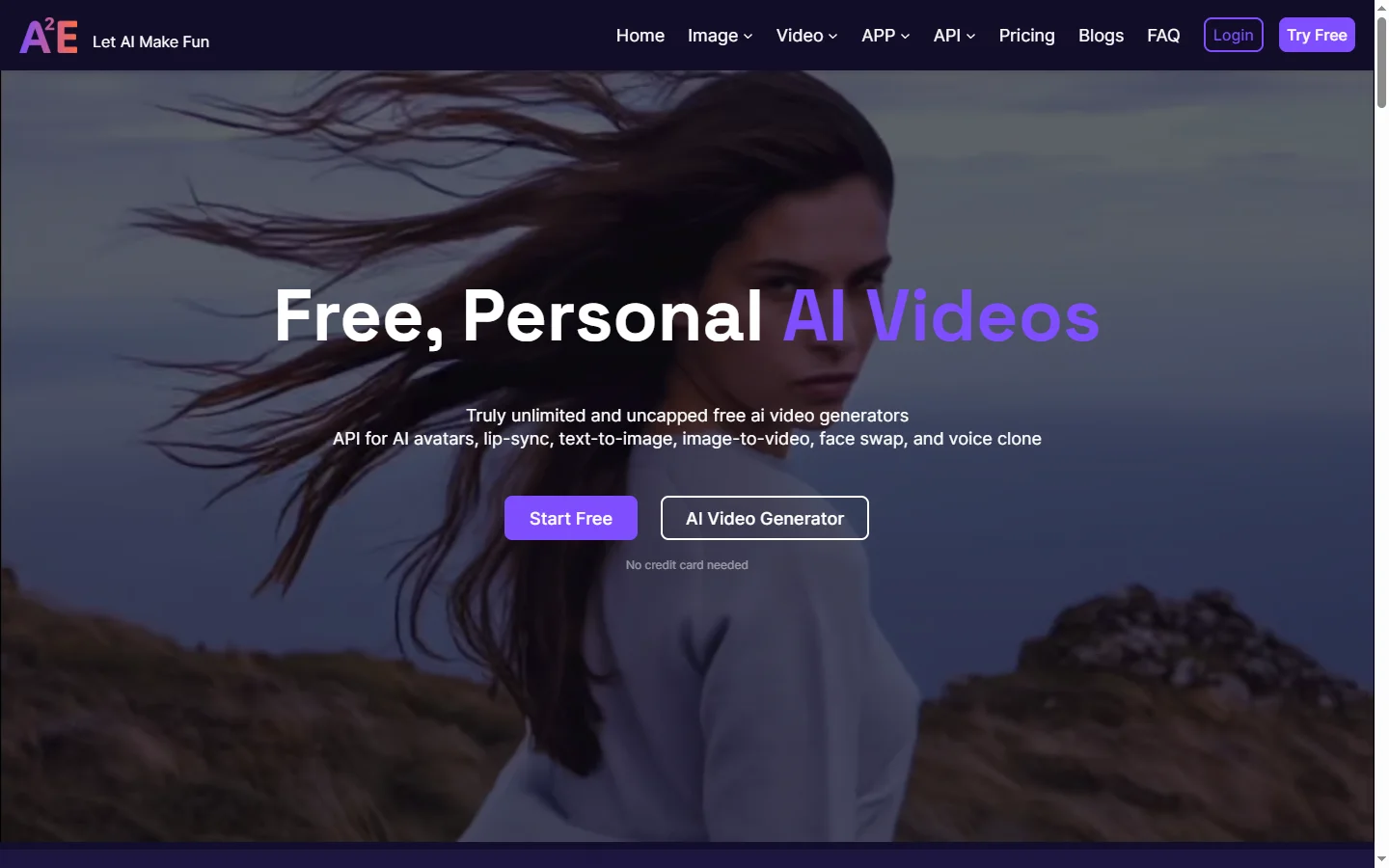
A2E AI productivity platform converts audio and video recordings into transcripts, summaries, and action items with speaker identification.
Abnormal AI
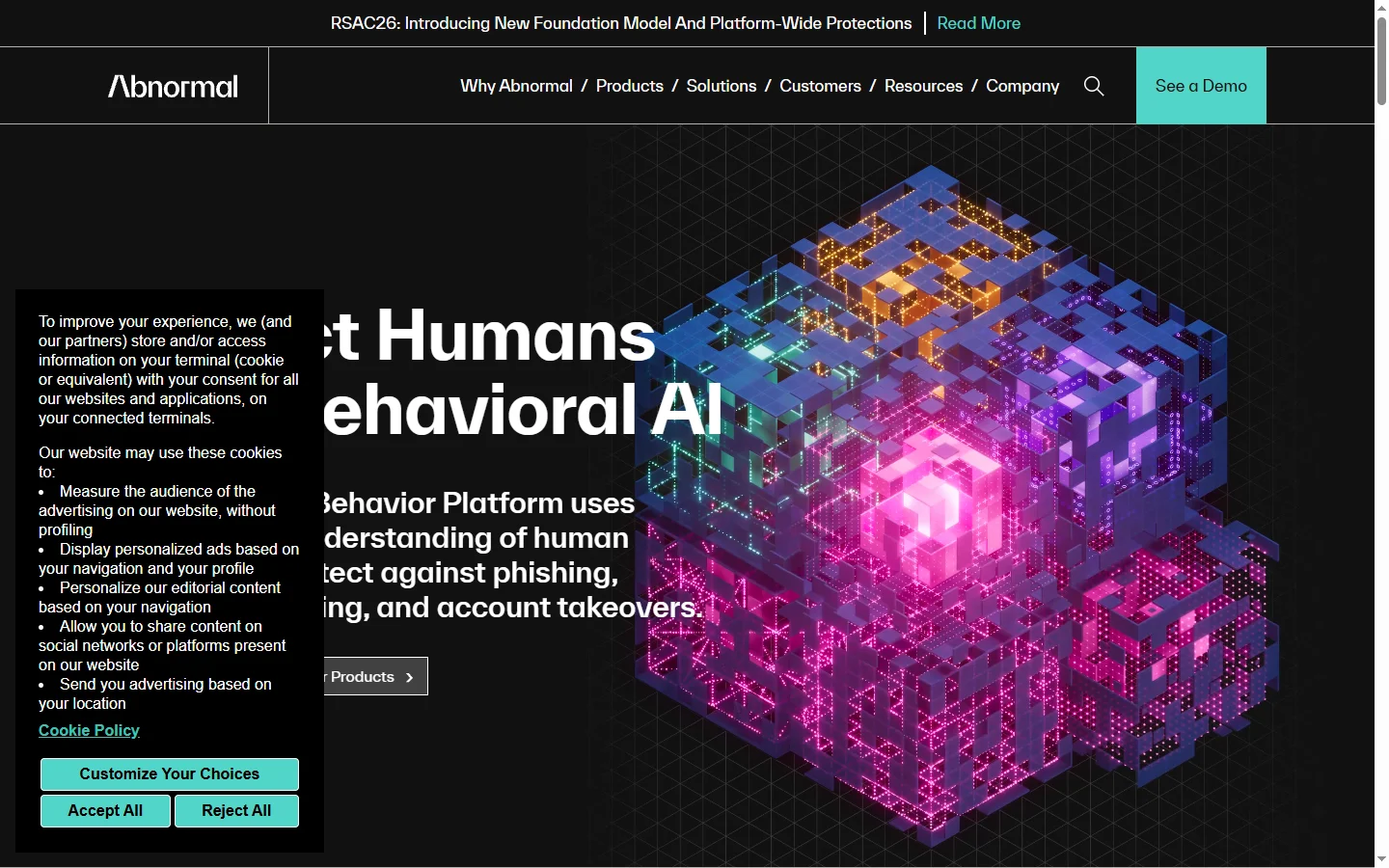
Abnormal AI uses behavioral AI to detect business email compromise, account takeover, and socially engineered phishing that bypasses secure email gateways.
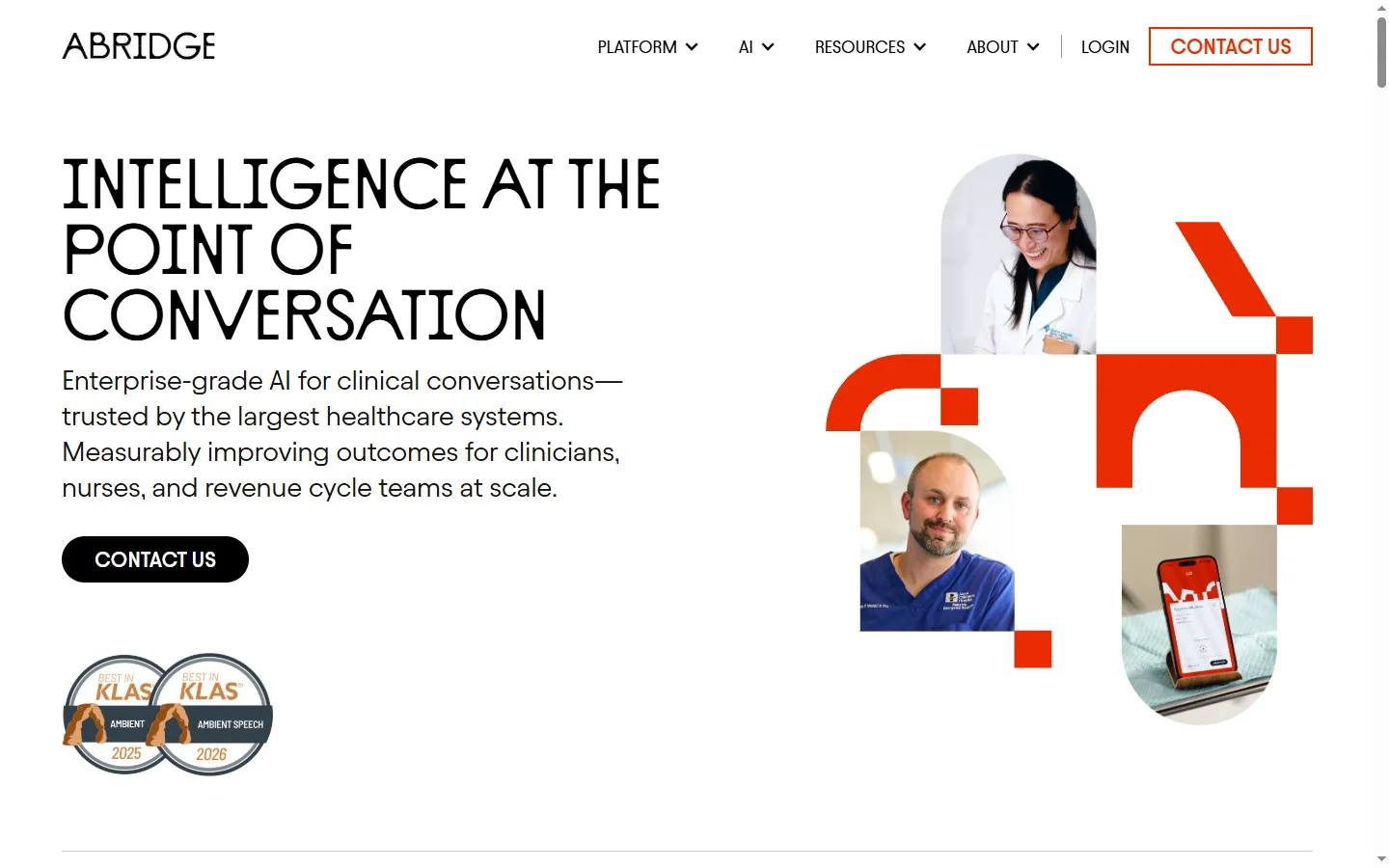
Abridge AI
Abridge AI medical documentation platform that records and summarizes clinical conversations into structured physician notes in real time.

Air AI
Air AI conducts autonomous full-length AI phone calls for sales prospecting, appointment setting, and customer service without human agents.