
Spell AI
Freemium ✓ Verified 🔥 TrendingSpell AI is an autonomous AI agent platform that runs multiple research, content, and analysis tasks in parallel with minimal supervision.

📋 About Spell AI
Spell AI is an autonomous AI agent platform that lets users spawn many parallel AI workers to tackle research, content generation, data analysis, and workflow automation tasks simultaneously. The spell ai platform turns single-threaded chatbot interactions into multi-agent workflows — users describe what they want, and Spell orchestrates agents that browse the web, read documents, generate content, and synthesize results in parallel. This makes work that would take hours of sequential prompting complete in minutes with a single instruction.
The interface centers on a task dashboard where users can see all running agents, their intermediate progress, and final outputs. Spell connects to major LLM providers and specialized tools like web search, code execution, PDF parsing, and spreadsheet manipulation. As an ai agent platform, it focuses on the orchestration layer — prompt planning, tool selection, and result aggregation — rather than building a new model. Built-in templates cover common workflows like competitive research reports, content batch generation, market analysis, and SEO content clusters.
Spell AI serves marketers, researchers, consultants, analysts, and solopreneurs who need to scale their thinking and research output without proportionally scaling time spent. Typical users run 10-50 agents in parallel on a single project, completing work that would take days manually. Pricing is based on agent runs and token consumption, with premium tiers offering higher concurrency, priority scheduling, and access to more capable underlying models. Templates and a community marketplace let users learn from proven workflows without building from scratch.
⚡ Key Features of Spell AI
Parallel Agent Execution
Spawn many AI agents to work on related tasks simultaneously — one per competitor in a market analysis, one per keyword in an SEO project, or one per section of a long report. The spell ai orchestrator distributes work and aggregates results when all agents complete. This compresses multi-hour research projects into minutes. Users see real-time progress for each running agent.
Tool-Using Agents
Agents can browse the web, execute code, parse PDFs, read spreadsheets, and call external APIs as part of their workflow. This goes far beyond what a text-only chatbot can do. The ai agent platform selects appropriate tools per task without requiring explicit user instruction. Results come back synthesized rather than requiring manual copying between tools.
Workflow Templates
Pre-built templates cover common use cases: competitive analysis, blog post batches, meeting prep, market sizing, and SEO content clusters. Users can customize templates or build from scratch. Community-shared templates accelerate onboarding for new users. This turns best-practice workflows into one-click executions.
Multi-Model Routing
Spell routes different parts of a workflow to the most appropriate underlying model — fast models for simple synthesis, large models for complex reasoning, specialized models for code or math. This balances quality and cost automatically. The spell ai platform supports OpenAI, Anthropic, Google, and other major providers. Users can override routing decisions when needed.
Export and Integration
Results export to Google Docs, Notion, Airtable, CSV, or JSON for further use in downstream workflows. Webhook and API integration enable programmatic triggering of Spell workflows from other systems. This fits into existing content, research, and analytics pipelines. Scheduled runs support recurring research tasks.
Audit Trail and Replay
Every agent run is logged with intermediate steps, tool calls, and outputs — reproducible and auditable. Users can replay workflows with modified parameters to compare outcomes. This is valuable for iterative research and for teams requiring transparency. Audit logs support enterprise compliance requirements.
🎯 Use Cases for Spell AI
⚖️ Spell AI Pros & Cons
Advantages
- ✓Parallel execution compresses hours into minutes
- ✓Tool-using agents go beyond text-only chatbots
- ✓Templates accelerate common workflows
- ✓Multi-model routing balances cost and quality
- ✓Free tier available for evaluation
Drawbacks
- ✗Heavy usage can rack up significant token costs
- ✗Complex workflows need prompt engineering skill
- ✗Output quality varies with underlying model choice
- ✗Some integrations are limited compared to mature alternatives
📖 How to Use Spell AI
Sign up at spell.so with email or Google account.
Browse the template library to find a workflow that matches your goal, or start a custom workflow.
Define your input list (keywords, competitors, URLs, topics) and configure agent settings like model and tools.
Launch the spell ai run and watch agents work in parallel on the dashboard.
Review aggregated results and export to Google Docs, Notion, Airtable, or CSV.
Iterate by modifying the workflow, scheduling recurring runs, or triggering via API from other systems.
❓ Spell AI FAQ
Yes. Spell AI offers a free tier with limited agent runs and model access. Paid plans unlock higher concurrency, priority scheduling, and access to more capable underlying models.
Agents can browse the web, read PDFs, execute code, process spreadsheets, and call external APIs. This lets them complete multi-step research, content, and analysis workflows autonomously.
Concurrency depends on your plan. Free tiers support a handful of parallel agents, while paid tiers support 10-50 or more depending on the subscription level.
Spell integrates with OpenAI, Anthropic, Google, and other major providers. The platform routes tasks to the most appropriate model based on task complexity and cost targets.
Yes. Webhooks and API access let users trigger spell ai runs from other systems or schedule recurring research and content automation tasks.
Related to Spell AI

A2E AI
A2E AI productivity platform converts audio and video recordings into transcripts, summaries, and action items with speaker identification.

Abnormal AI
Abnormal AI uses behavioral AI to detect business email compromise, account takeover, and socially engineered phishing that bypasses secure email gateways.

Abridge AI
Abridge AI medical documentation platform that records and summarizes clinical conversations into structured physician notes in real time.

Accrete AI
Accrete AI builds autonomous enterprise AI agents for defense, government, and commercial intelligence workflows.

Ace AI
Ace AI is an AI-powered interview and career coach that helps job seekers prepare with mock interviews, resume feedback, and personalized career guidance.

Claude
Claude AI assistant by Anthropic with a 200K context window, strong reasoning, and safety-focused design for writing, coding, and analysis.
Featured on WhatIf.ai
Add this badge to your website to show you're listed on WhatIf AI
Alternatives to Spell AI
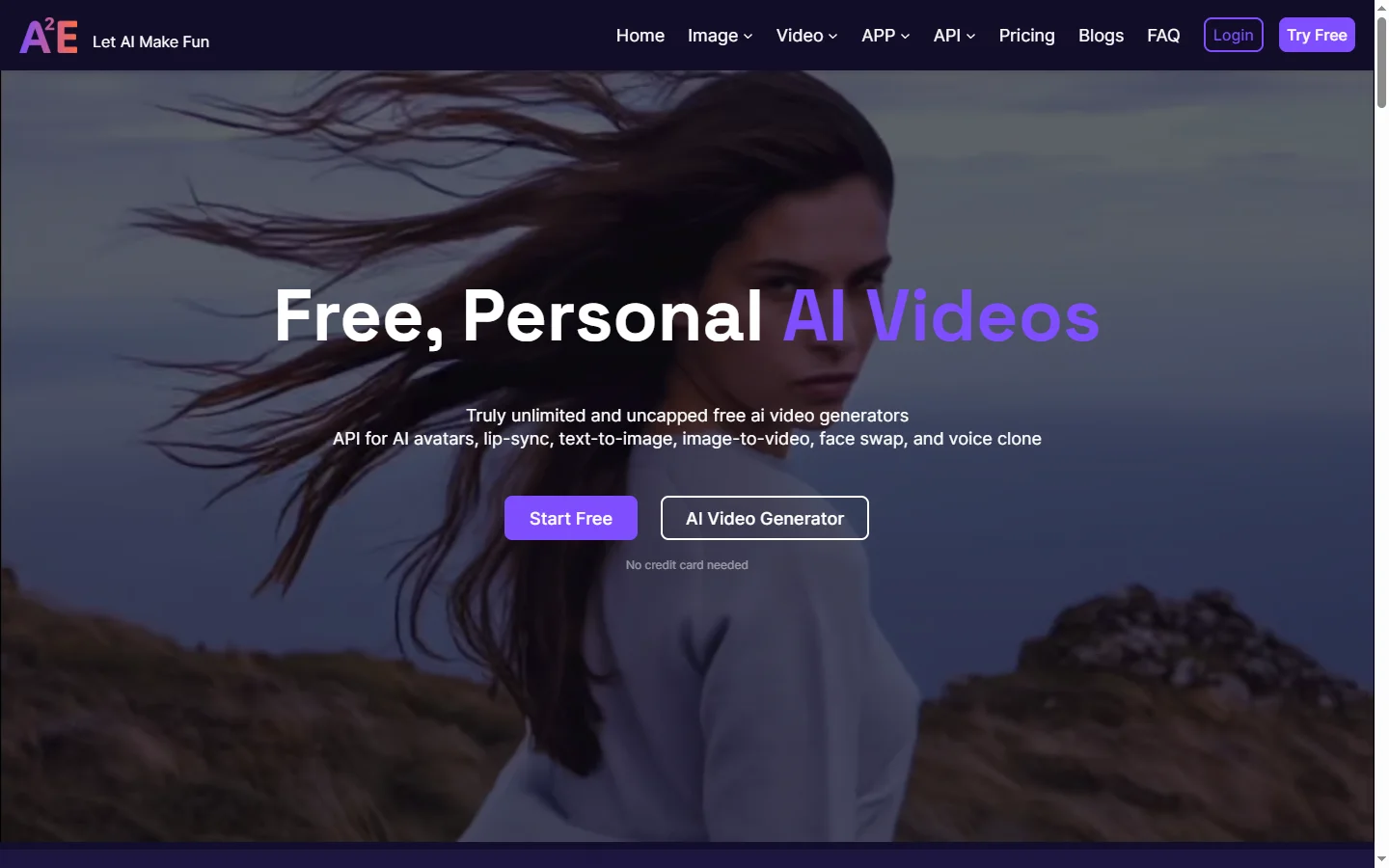
A2E AI
A2E AI productivity platform converts audio and video recordings into transcripts, summaries, and action items with speaker identification.
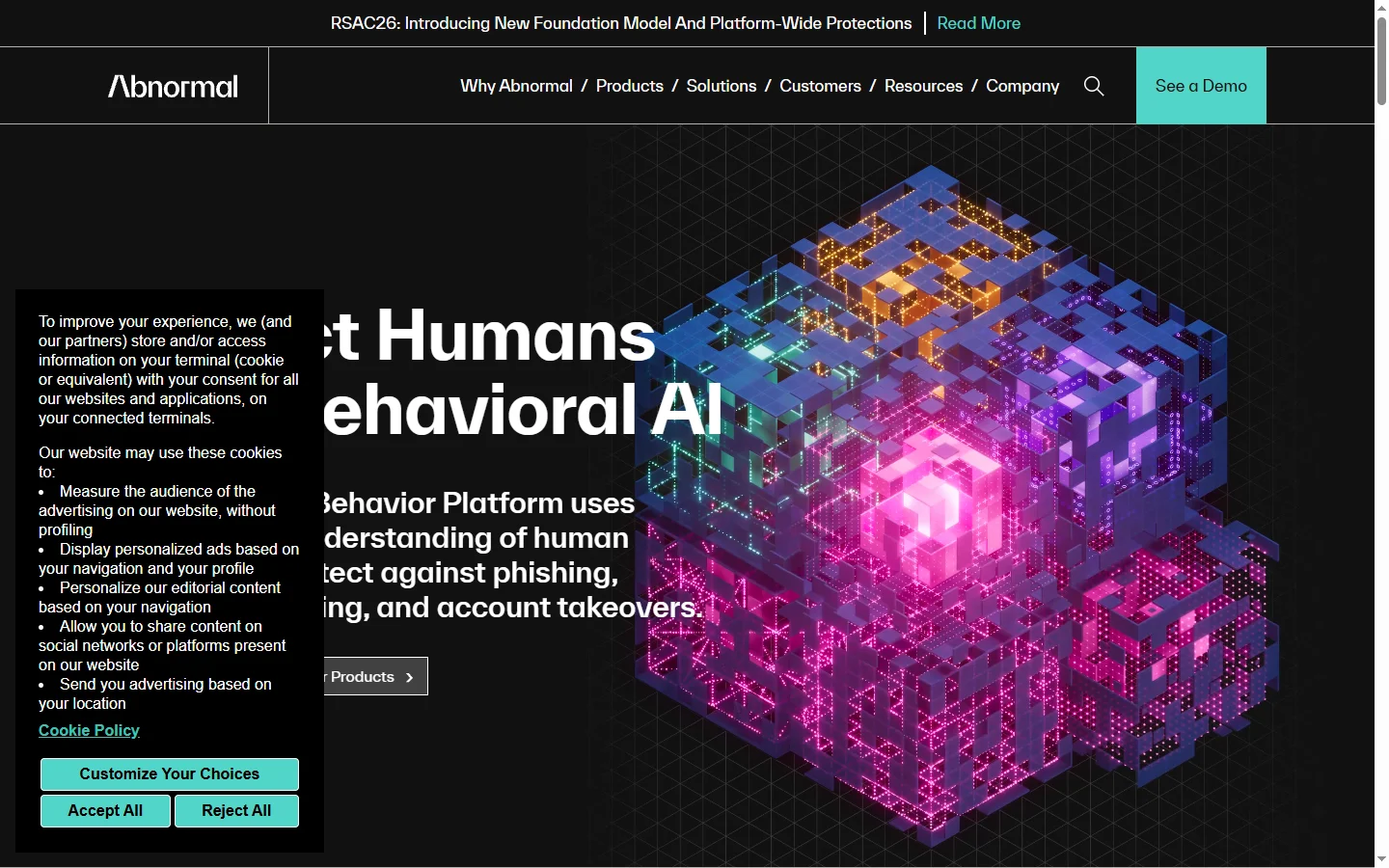
Abnormal AI
Abnormal AI uses behavioral AI to detect business email compromise, account takeover, and socially engineered phishing that bypasses secure email gateways.
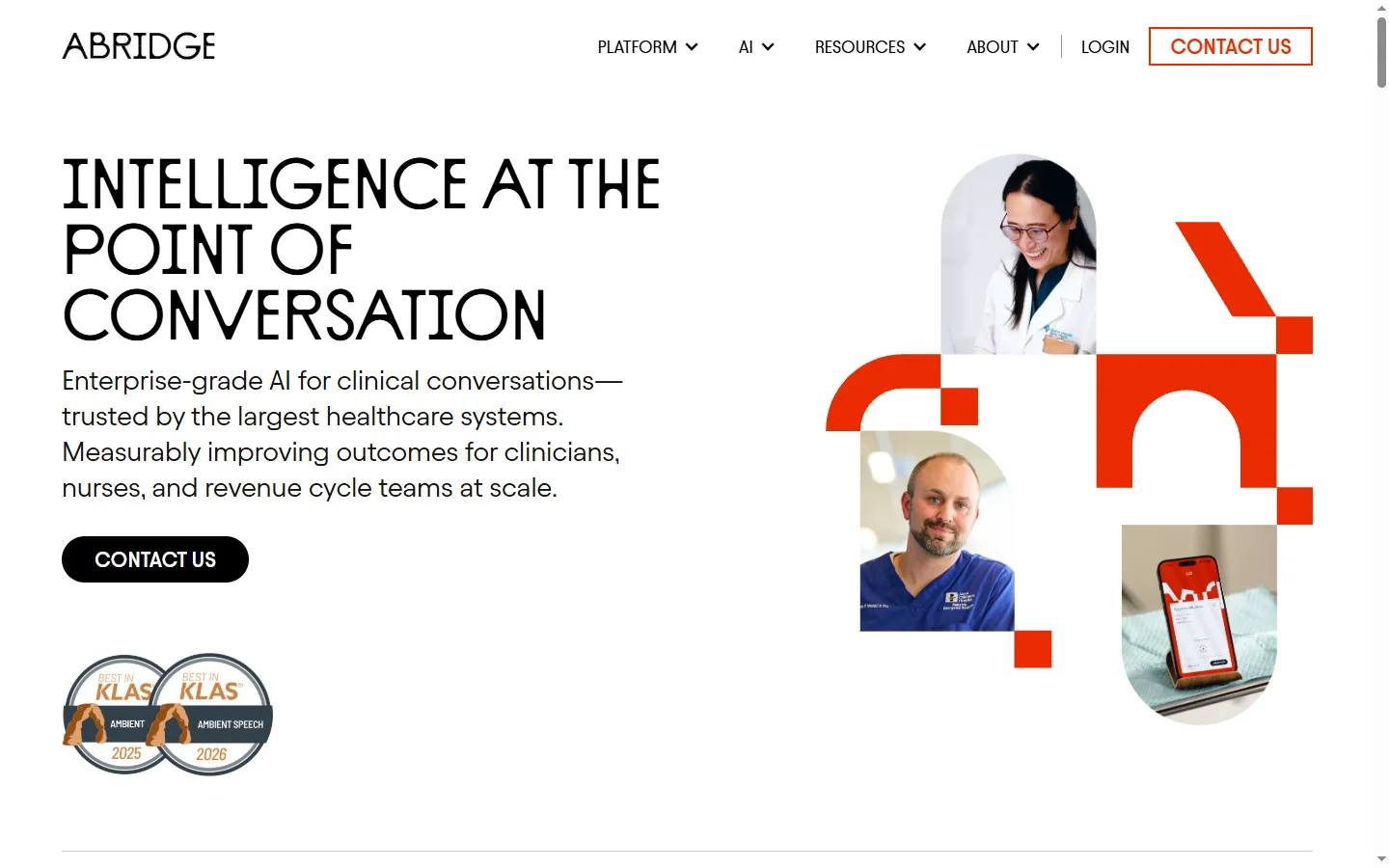
Abridge AI
Abridge AI medical documentation platform that records and summarizes clinical conversations into structured physician notes in real time.

Air AI
Air AI conducts autonomous full-length AI phone calls for sales prospecting, appointment setting, and customer service without human agents.