
Seek AI
Paid ✓ VerifiedSeek AI is an AI-powered data analytics platform that lets business users ask natural-language questions of company data and get accurate answers.
📋 About Seek AI
Seek AI is a generative AI data analytics platform that enables business users to query company databases and data warehouses in plain English. The seek ai platform translates natural-language questions — 'What were our top-selling products in Q3 in the Northeast?' — into accurate SQL and returns answers with charts, tables, and underlying queries visible for verification. This dramatically shortens the gap between a business question and a trustworthy answer by removing the traditional dependency on analysts to write each query.
Under the hood, Seek combines large language models with metadata-aware query generation. The platform learns about a company's schema, metric definitions, and business logic so that queries respect the organization's definitions of 'revenue,' 'active customer,' or 'conversion.' This semantic awareness avoids the common pitfalls of generic text-to-SQL tools that produce plausible but subtly wrong answers. As an ai data analytics platform, Seek supports Snowflake, BigQuery, Redshift, Postgres, and other major warehouses.
Seek AI serves mid-market and enterprise data teams, product managers, finance analysts, and executives who need faster answers from data without growing the analyst team proportionally. Customers often cite time-to-answer dropping from days to minutes, and data teams freed from repetitive ad-hoc query requests to focus on higher-value modeling work. Pricing is enterprise-tier with usage-based components, and governance features including query audit logs, role-based permissions, and sensitive data masking support regulated industries.
⚡ Key Features of Seek AI
Natural-Language Data Queries
Business users ask questions in plain English and Seek generates accurate SQL against the company's warehouse, returning answers with charts and tables. The seek ai engine handles complex filters, joins, and time comparisons without requiring SQL knowledge. Users see the underlying query for verification. This makes data accessible to a much broader audience than traditional BI.
Semantic Layer Awareness
Seek learns your organization's metric definitions, schema relationships, and business logic so queries respect how your company defines concepts like 'revenue' or 'active customer.' This avoids generic text-to-SQL pitfalls that produce technically valid but semantically wrong answers. Data teams curate and maintain definitions centrally. Consistency across the organization improves significantly.
Multi-Warehouse Support
Connects to Snowflake, BigQuery, Amazon Redshift, Databricks, Postgres, and other major data warehouses via native connectors. Existing data infrastructure doesn't need to be rebuilt. The ai data analytics platform adapts to dialect differences across warehouses transparently. Read-only access with fine-grained permissions keeps production data safe.
Chart and Dashboard Generation
Answers include automatically generated charts — line, bar, stacked — appropriate to the question asked. Dashboards can be assembled from recurring questions for team-wide visibility. Charts are interactive with drill-down and filter capabilities. This bridges ad-hoc questions and ongoing reporting in one tool.
Query Audit and Governance
Every question and generated query is logged for audit, compliance, and reproducibility. Role-based permissions control which datasets each user can query. Sensitive data masking can be enforced at the query layer. The seek ai platform meets enterprise governance requirements that generic text-to-SQL tools often lack.
Collaborative Workspaces
Teams share questions, answers, and saved analyses in shared workspaces. Comments and annotations support discussion around findings. Business context and prior answers accumulate as organizational knowledge. This turns analytics from one-off interactions into a growing shared asset.
🎯 Use Cases for Seek AI
⚖️ Seek AI Pros & Cons
Advantages
- ✓Natural-language queries against enterprise data warehouses
- ✓Semantic layer avoids text-to-SQL correctness issues
- ✓Supports Snowflake, BigQuery, Redshift, and other warehouses
- ✓Enterprise governance with audit logs and role-based access
- ✓Frees data teams from repetitive ad-hoc requests
Drawbacks
- ✗Enterprise pricing with no self-serve free tier
- ✗Requires investment in semantic layer definitions
- ✗Best results need curated schema and metrics
- ✗Complex analytical questions may still need expert review
📖 How to Use Seek AI
Contact Seek sales through seek.ai to scope your data environment and sign up for a trial.
Connect your data warehouse (Snowflake, BigQuery, Redshift, etc.) via secure read-only credentials.
Work with your data team to define key metrics and schema relationships in Seek's semantic layer.
Invite business users to the workspace and let them ask natural-language questions of the data.
Review generated SQL and chart output to verify correctness, especially during initial adoption.
Monitor the seek ai audit log and iterate on semantic definitions as users ask new kinds of questions.
❓ Seek AI FAQ
No. Seek is an enterprise platform with paid plans scaled to organization size and usage. Prospective customers typically engage through a sales-led demo and trial process.
Seek supports Snowflake, BigQuery, Amazon Redshift, Databricks, Postgres, and other major warehouses via native connectors and SQL dialect awareness.
Seek uses a semantic layer aware of your organization's metric definitions and schema, which dramatically reduces the subtle errors common in generic text-to-SQL tools. Users can also inspect generated SQL directly.
No. The seek ai platform empowers business users for routine queries, but data teams remain essential for semantic layer curation, complex modeling, and strategic analytics projects.
Yes. Seek provides query audit logs, role-based access controls, and sensitive data masking suitable for regulated industries like healthcare and financial services.
Related to Seek AI

A2E AI
A2E AI productivity platform converts audio and video recordings into transcripts, summaries, and action items with speaker identification.

Abnormal AI
Abnormal AI uses behavioral AI to detect business email compromise, account takeover, and socially engineered phishing that bypasses secure email gateways.

Abridge AI
Abridge AI medical documentation platform that records and summarizes clinical conversations into structured physician notes in real time.

Accrete AI
Accrete AI builds autonomous enterprise AI agents for defense, government, and commercial intelligence workflows.

Ace AI
Ace AI is an AI-powered interview and career coach that helps job seekers prepare with mock interviews, resume feedback, and personalized career guidance.

Claude
Claude AI assistant by Anthropic with a 200K context window, strong reasoning, and safety-focused design for writing, coding, and analysis.
Featured on WhatIf.ai
Add this badge to your website to show you're listed on WhatIf AI
Alternatives to Seek AI
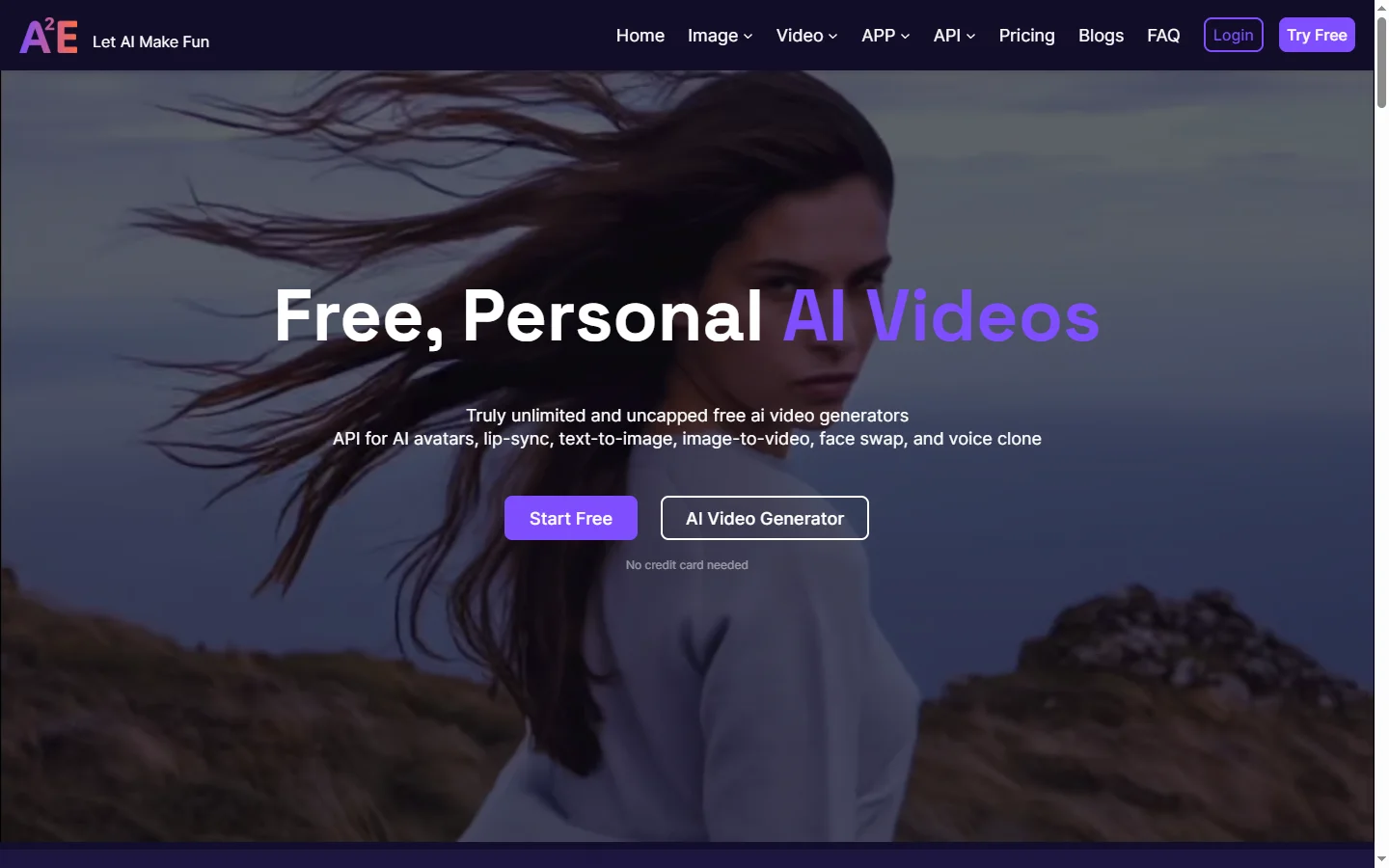
A2E AI
A2E AI productivity platform converts audio and video recordings into transcripts, summaries, and action items with speaker identification.
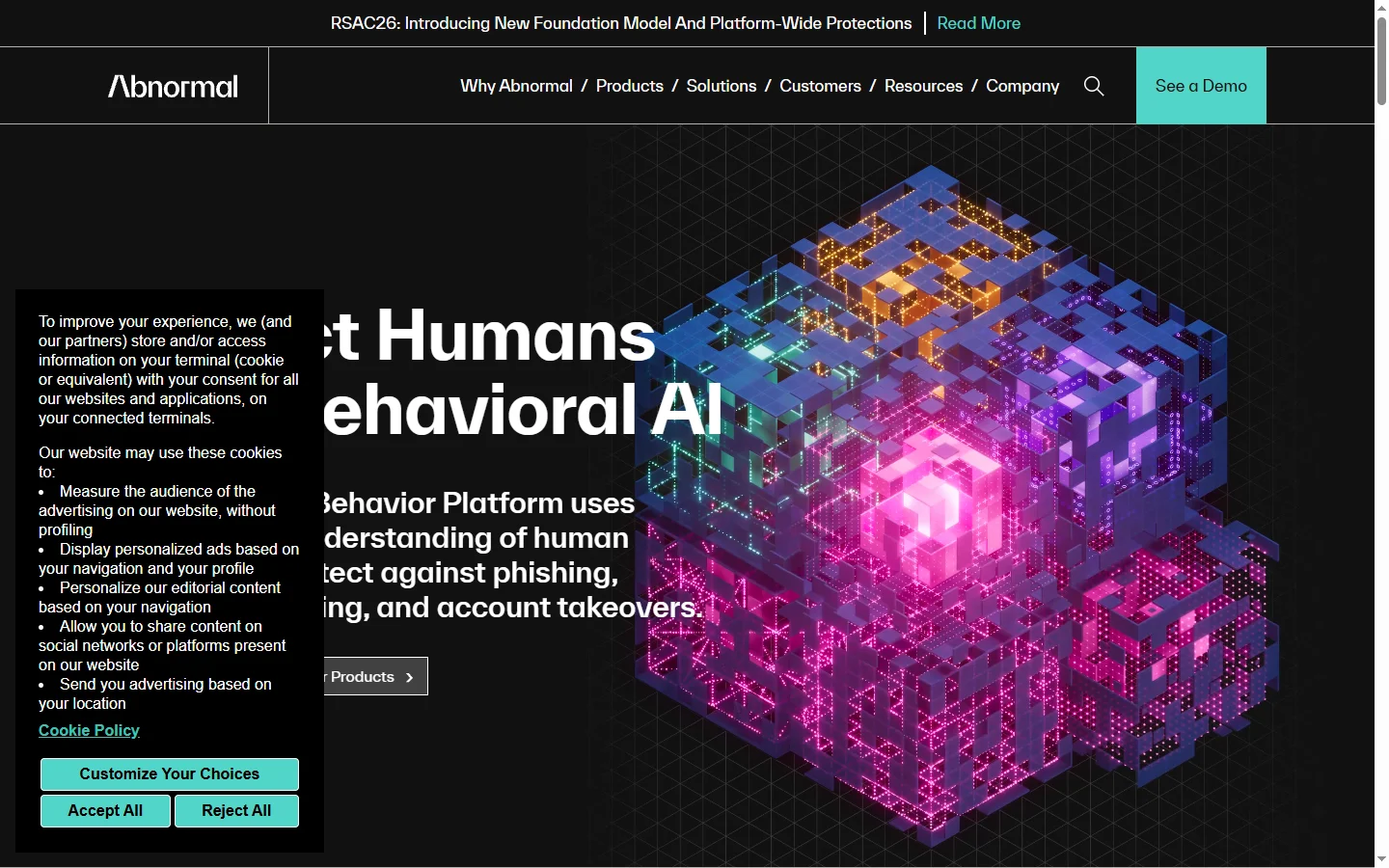
Abnormal AI
Abnormal AI uses behavioral AI to detect business email compromise, account takeover, and socially engineered phishing that bypasses secure email gateways.
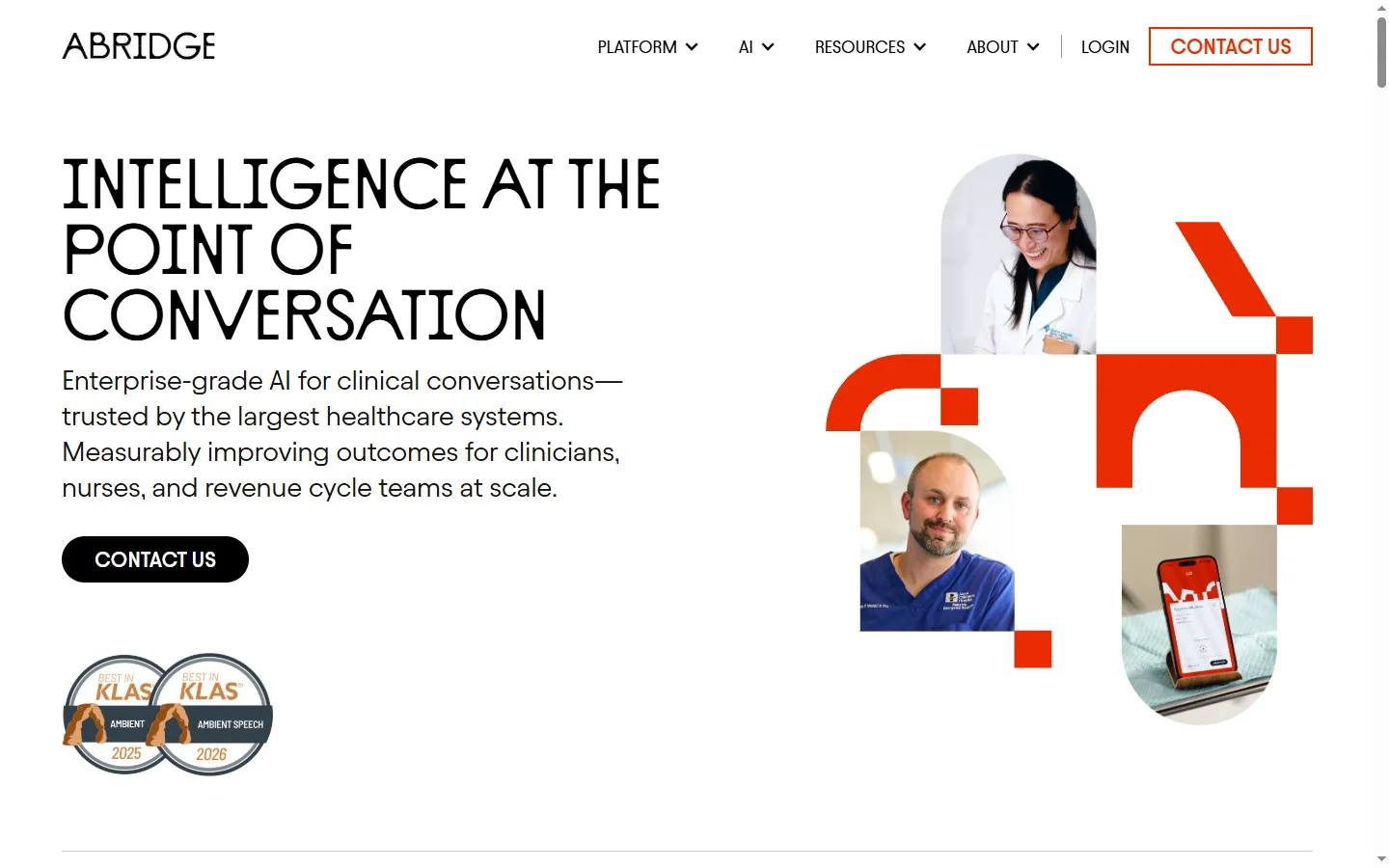
Abridge AI
Abridge AI medical documentation platform that records and summarizes clinical conversations into structured physician notes in real time.

Air AI
Air AI conducts autonomous full-length AI phone calls for sales prospecting, appointment setting, and customer service without human agents.