
Rumi AI
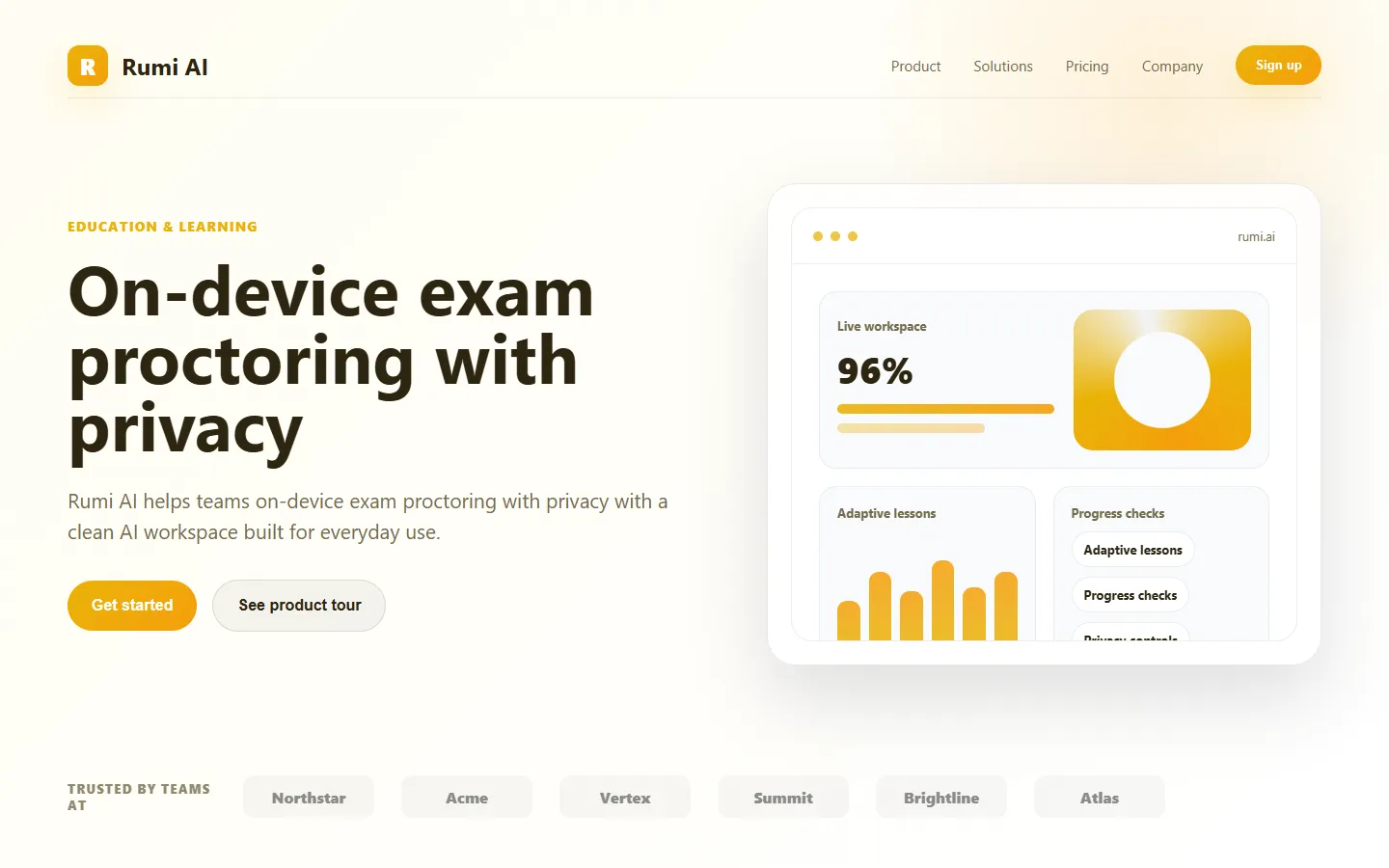
Paid ✓ VerifiedRumi AI is a proctoring tool that uses on-device machine learning to monitor online exams while preserving student privacy and academic integrity.
📋 About Rumi AI
Rumi AI is a proctoring platform designed to help universities and testing organizations monitor online exams without the invasive surveillance and biased flagging issues that have plagued earlier remote proctoring services. The tool runs machine learning models on the student's device to detect suspicious activity such as gaze direction changes, unusual keystroke patterns, and the presence of additional voices, then surfaces only high-confidence signals to a human reviewer rather than streaming raw video to a remote operator.
The design philosophy behind Rumi AI is that genuine academic integrity does not require turning every student's bedroom into a surveillance set. On-device processing means video frames never leave the student's computer. Only anonymized behavioral signals and clearly flagged incidents are sent to the institution for review. This significantly reduces the legal, ethical, and accessibility issues that have caused many institutions to back away from earlier proctoring products.
Rumi AI is used by universities running high-stakes online assessments, professional certification bodies, and corporate learning teams that need verifiable credential exams. It integrates with major learning management systems and exam delivery platforms, which makes adoption straightforward for institutions already running Canvas, Moodle, or Blackboard.
⚡ Key Features of Rumi AI
On-Device AI Processing
All video and audio analysis happens on the student's device using optimized local models, so raw footage never leaves the machine. This dramatically reduces privacy risk compared to traditional proctoring that streams continuous video to remote operators. Institutions still receive clear flags when suspicious events occur.
Behavioral Signal Detection
Rumi AI analyzes gaze direction, head pose, keystroke rhythm, and ambient audio to detect likely integrity violations such as talking to another person, consulting offscreen notes, or abrupt identity swaps. The models are tuned to minimize false positives on disabled or neurodivergent students who would previously have been wrongly flagged.
Identity Verification
Students complete a one-time ID verification and periodic biometric checks during the exam to confirm the test-taker has not been swapped mid-exam. The verification data is stored securely with the institution rather than with Rumi AI, reducing aggregation risk.
Reviewer Workbench
Proctors and instructors review only the short clips flagged by the AI, rather than watching hours of full-session video. This makes review economically feasible at scale and reduces operator bias by focusing attention on specific moments. Each flag includes the behavioral signal that triggered it.
LMS and Exam Platform Integrations
Rumi AI integrates with Canvas, Moodle, Blackboard, and major exam delivery platforms so students launch proctored exams from the same tools they already use. This removes friction and reduces the number of separate logins required. Integration setup is handled by institutional IT once.
Accessibility and Bias Audits
The platform publishes regular bias audits and accessibility reports so institutions can verify that flagging rates do not discriminate against disabled or minority students. This transparency is a direct response to documented issues with earlier proctoring systems.
🎯 Use Cases for Rumi AI
⚖️ Rumi AI Pros & Cons
Advantages
- ✓On-device processing dramatically reduces privacy exposure
- ✓Bias audits and accessibility reports address known proctoring failures
- ✓Integrates with major LMS and exam platforms out of the box
- ✓Reviewer workbench makes human-in-the-loop review scalable
- ✓Only flagged clips are shared with institutions rather than full video
Drawbacks
- ✗Still requires students to use a webcam and microphone
- ✗Institutional pricing puts it out of reach for individual instructors
- ✗Some students may still find any remote proctoring uncomfortable
📖 How to Use Rumi AI
Institution administrators contact Rumi AI through rumi.ai to arrange a license.
IT integrates Rumi AI with the institution's LMS or exam delivery platform.
Instructors enable Rumi AI for specific assessments via the familiar LMS interface.
Students launch the proctored exam and complete a one-time identity verification.
The AI monitors the session locally and flags only high-confidence incidents.
Instructors or proctors review flagged clips through the reviewer workbench and make final determinations.
❓ Rumi AI FAQ
No. All video analysis runs on the student's device. Only behavioral signals and short flagged clips reach the institution, with nothing stored by Rumi AI directly.
The platform publishes regular accessibility and bias audits and tunes its models to minimize false positives on disabled and neurodivergent students.
Yes. Rumi AI integrates with Canvas, Moodle, Blackboard, and major exam delivery platforms with SSO support.
Opt-out policy is set by each institution. Rumi AI supports alternative assessment workflows that institutions can offer to accommodate concerns.
Rumi AI is sold through institutional licensing agreements. Demos are available but there is no public free tier.
Related to Rumi AI

A2E AI
A2E AI productivity platform converts audio and video recordings into transcripts, summaries, and action items with speaker identification.

Abby AI
Abby AI is an AI therapy and mental wellness chatbot that offers CBT-informed conversations, mood tracking, and self-guided coping tools.

Abnormal AI
Abnormal AI uses behavioral AI to detect business email compromise, account takeover, and socially engineered phishing that bypasses secure email gateways.

Abridge AI
Abridge AI medical documentation platform that records and summarizes clinical conversations into structured physician notes in real time.
Featured on WhatIf.ai
Add this badge to your website to show you're listed on WhatIf AI
Alternatives to Rumi AI
A2E AI
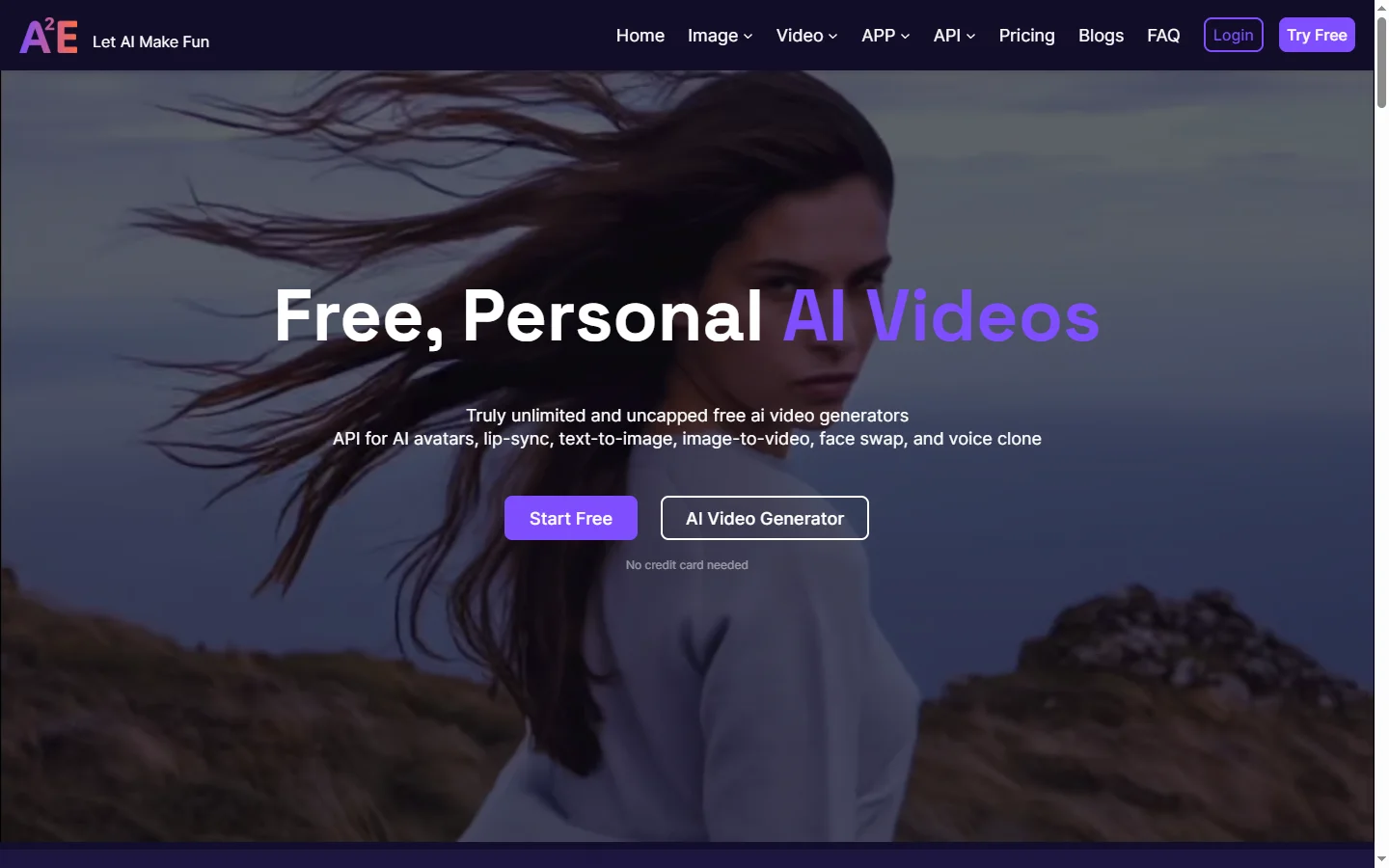
A2E AI productivity platform converts audio and video recordings into transcripts, summaries, and action items with speaker identification.
Abnormal AI
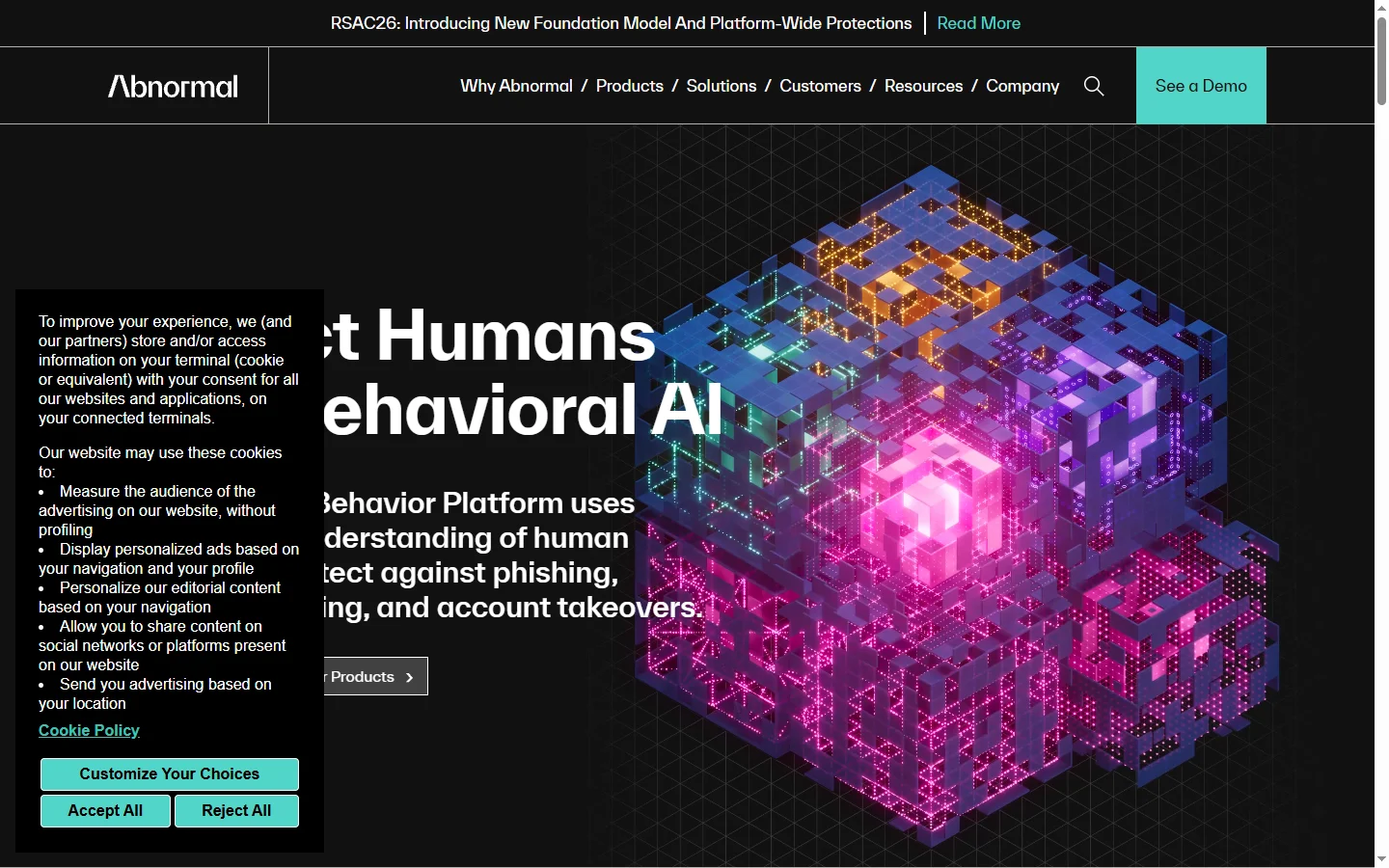
Abnormal AI uses behavioral AI to detect business email compromise, account takeover, and socially engineered phishing that bypasses secure email gateways.
Abridge AI
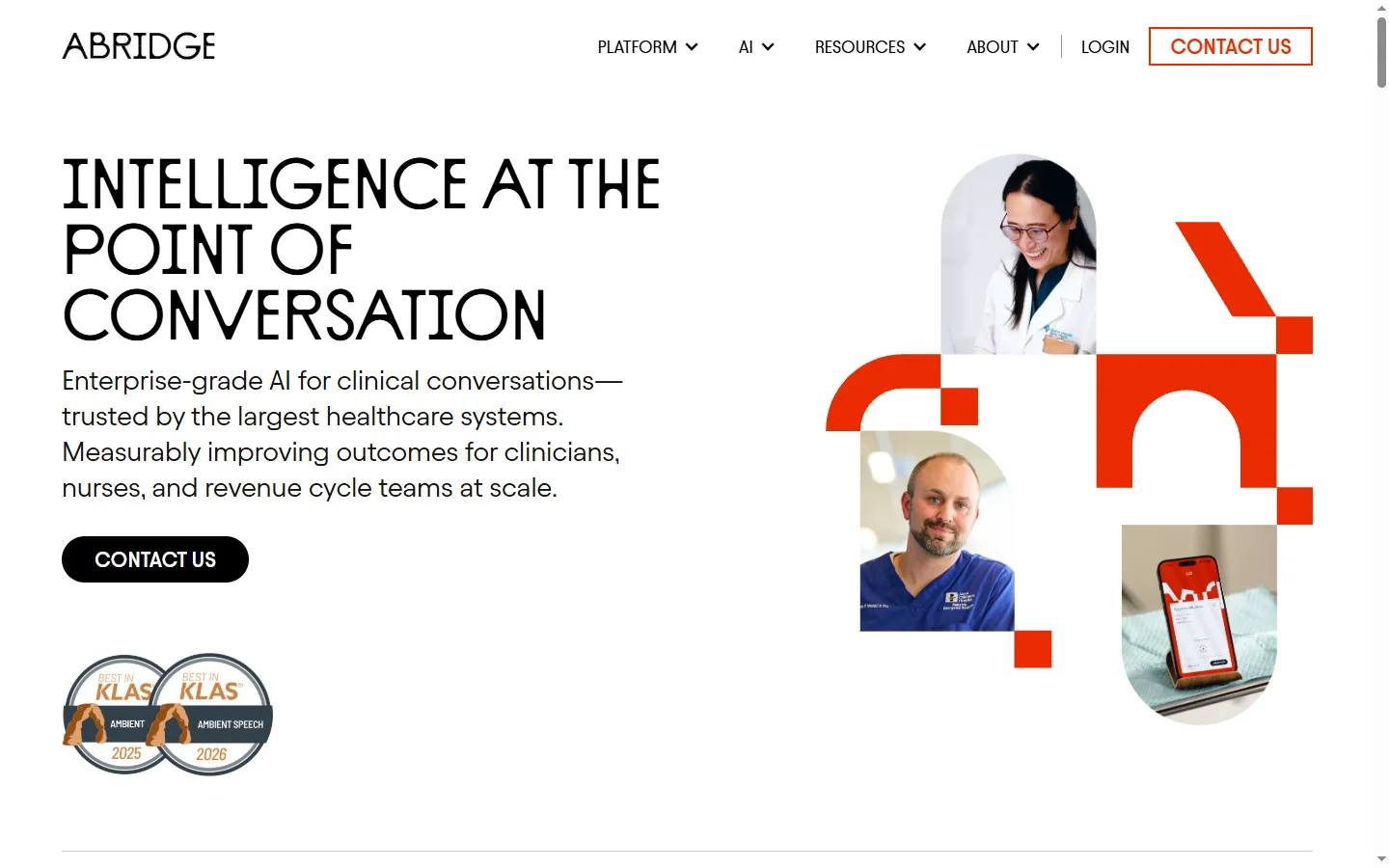
Abridge AI medical documentation platform that records and summarizes clinical conversations into structured physician notes in real time.

Air AI
Air AI conducts autonomous full-length AI phone calls for sales prospecting, appointment setting, and customer service without human agents.