
Robin AI
PaidRobin AI is a legal AI platform that accelerates contract review, negotiation, and analysis using models trained on legal language.
📋 About Robin AI
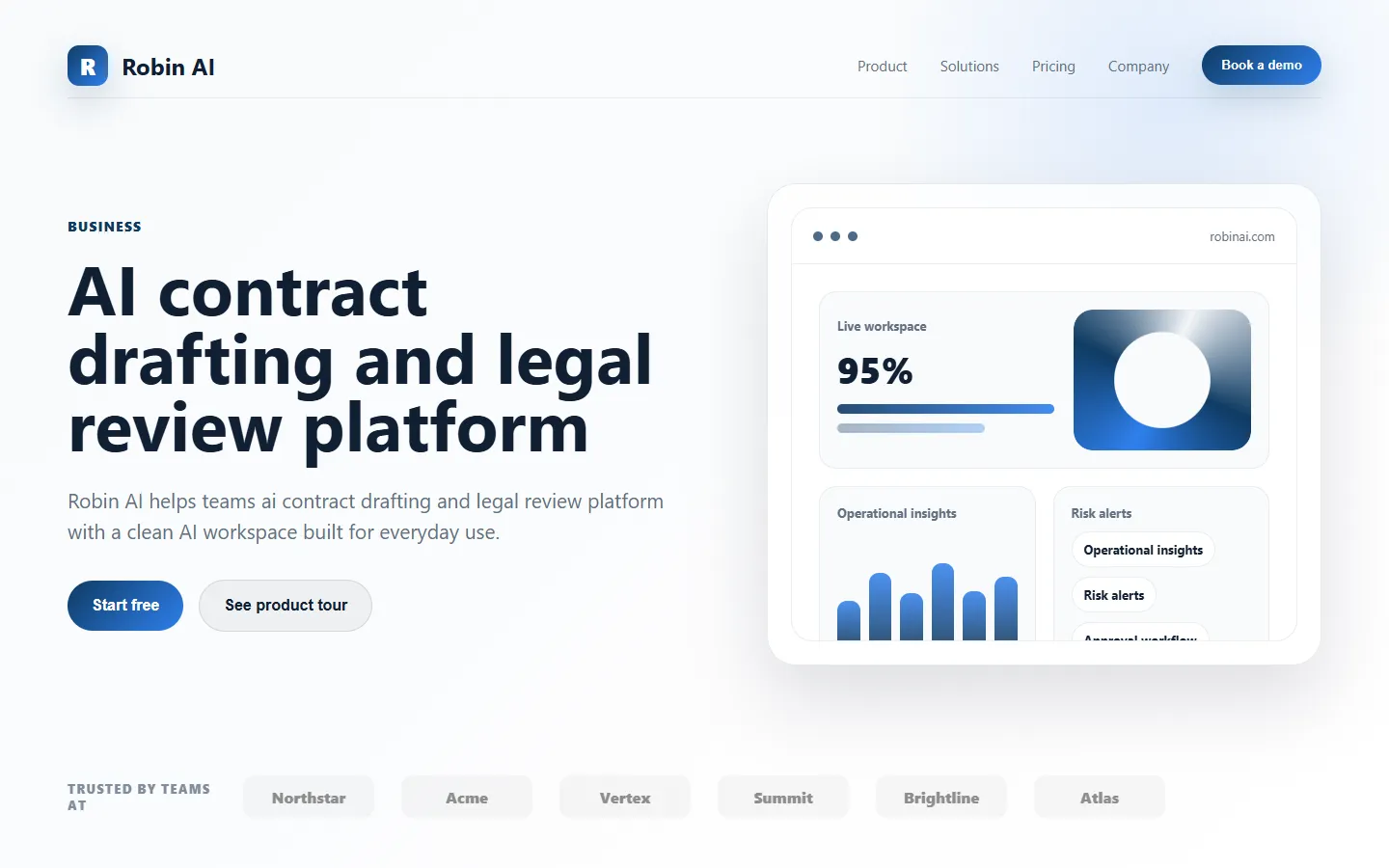
Robin AI is a legal AI platform that helps in-house legal teams and law firms review, negotiate, and analyze contracts faster. The product combines large language models with specialized legal training to surface risky clauses, suggest edits aligned with a firm's playbook, and answer natural-language questions about contract portfolios. Unlike generic AI chatbots, Robin is designed around the workflow of contract professionals, with integrations into Microsoft Word and document management systems.
The platform includes a contract review assistant that redlines agreements against internal playbooks, a Q&A tool for querying large contract repositories, and a reports feature that extracts structured data from signed agreements. Robin's models are tuned on legal corpora and refined with feedback from working lawyers, giving it a better grasp of legal nuance than general-purpose models. Security and confidentiality are central to the product, with enterprise-grade data protection, role-based access, and the option of private deployments for the most sensitive customers.
Robin AI serves in-house legal departments at mid-sized and large companies, as well as law firms that want to modernize their contract work. Typical customers include banks, technology companies, media organizations, and professional services firms that handle thousands of contracts per year. Pricing follows an enterprise subscription model, usually based on the number of users and the scope of features enabled. The company offers managed onboarding to configure playbooks and integrations.
⚡ Key Features of Robin AI
Contract Review Assistant
Robin AI reviews uploaded contracts against your internal playbook, flagging deviations from standard positions and suggesting redlines in Microsoft Word. The assistant surfaces risky language, missing clauses, and non-standard terms that a human reviewer should look at first. Lawyers remain in control of accepting or rejecting every change, so the AI acts as a first-pass reviewer rather than a decision-maker. This typically compresses first-pass review time significantly for standard agreements.
Ask Robin Contract Q&A
Query your contract repository in natural language to find specific clauses, rights, or obligations across hundreds or thousands of agreements. Robin returns answers with citations to the underlying contract sections so lawyers can verify the source. This replaces laborious manual searches across document management systems with a single chat-style interface. The tool is especially useful during due diligence, audits, or responses to regulatory inquiries.
Playbook Automation
Configure your organization's preferred positions, fallback language, and deal-breaker issues in a structured playbook, and Robin will apply it consistently across every review. Playbooks can be tailored by contract type, counterparty segment, or business unit. This ensures consistency in negotiation outcomes even when many different lawyers touch the same kinds of agreements. Playbooks are updated centrally and changes propagate to all future reviews.
Structured Data Extraction
Pull structured data from signed contracts such as effective date, renewal terms, liability caps, assignment restrictions, and governing law. Extracted fields populate reports that legal and finance teams use for portfolio analysis, obligation tracking, and renewal management. This turns an unstructured contract archive into queryable data without manual abstracting. The extraction models are tuned on legal documents rather than generic text.
Microsoft Word Integration
Robin operates inside Microsoft Word through an add-in, keeping lawyers in the tool they already use for drafting and redlining. There is no need to upload documents to a separate portal or copy text into a chat interface. This low-friction integration drives higher adoption than standalone legal AI tools. Changes suggested by Robin appear as standard Word track changes that can be reviewed and accepted normally.
Enterprise Security and Privacy
Data is encrypted in transit and at rest, with role-based access controls and detailed audit logs. Customer data is isolated per tenant and is not used to train shared models. Private cloud and on-premises deployment options are available for customers with strict confidentiality requirements. These controls are critical for legal teams handling privileged and commercially sensitive material.
🎯 Use Cases for Robin AI
⚖️ Robin AI Pros & Cons
Advantages
- ✓Trained on legal corpora for better legal nuance than generic AI
- ✓Integrates directly with Microsoft Word where lawyers already work
- ✓Playbooks enforce consistent positions across the organization
- ✓Enterprise security and privacy controls suitable for regulated customers
- ✓Reduces routine review time while keeping lawyers in control
Drawbacks
- ✗Enterprise pricing not accessible to solo practitioners or small firms
- ✗Requires playbook configuration effort to reach full value
- ✗Review quality still requires lawyer oversight on complex deals
- ✗Best results require clean digital contract inputs
📖 How to Use Robin AI
Contact Robin AI sales to scope your contract volumes and use cases.
Work with the onboarding team to configure your playbook and connect document management systems.
Install the Microsoft Word add-in for lawyers who will review contracts.
Upload a batch of representative contracts and run reviews to evaluate accuracy against the playbook.
Use Ask Robin to query your contract repository during diligence or audits.
Build reports using the structured extraction feature to track obligations and renewals.
❓ Robin AI FAQ
Robin AI is designed as a first-pass reviewer that accelerates lawyer work, not a replacement. Lawyers remain in control of every redline and final decision. Accuracy is high on routine agreements but complex deals still require human judgment.
Data is encrypted, isolated per tenant, and not used to train shared models. Role-based access, audit logs, and optional private cloud deployment support the confidentiality requirements of legal teams.
Robin integrates with common document management and CLM systems used by legal teams, and offers APIs for custom integrations. Microsoft Word integration through an add-in is supported out of the box.
Robin follows an enterprise subscription model typically priced per user and by feature scope. Pricing is discussed during the sales process based on your team's size and usage.
Robin is focused on reviewing, negotiating, and analyzing existing contracts rather than generating new agreements from scratch. Some templating capabilities exist, but drafting is not the primary use case.
Related to Robin AI

A2E AI
A2E AI productivity platform converts audio and video recordings into transcripts, summaries, and action items with speaker identification.

Abnormal AI
Abnormal AI uses behavioral AI to detect business email compromise, account takeover, and socially engineered phishing that bypasses secure email gateways.

Abridge AI
Abridge AI medical documentation platform that records and summarizes clinical conversations into structured physician notes in real time.

Accrete AI
Accrete AI builds autonomous enterprise AI agents for defense, government, and commercial intelligence workflows.

Ace AI
Ace AI is an AI-powered interview and career coach that helps job seekers prepare with mock interviews, resume feedback, and personalized career guidance.

Actively AI
Actively AI is an AI sales prospecting platform that researches accounts, identifies buyer signals, and writes personalized outbound at pipeline scale.
Featured on WhatIf.ai
Add this badge to your website to show you're listed on WhatIf AI
Alternatives to Robin AI
A2E AI
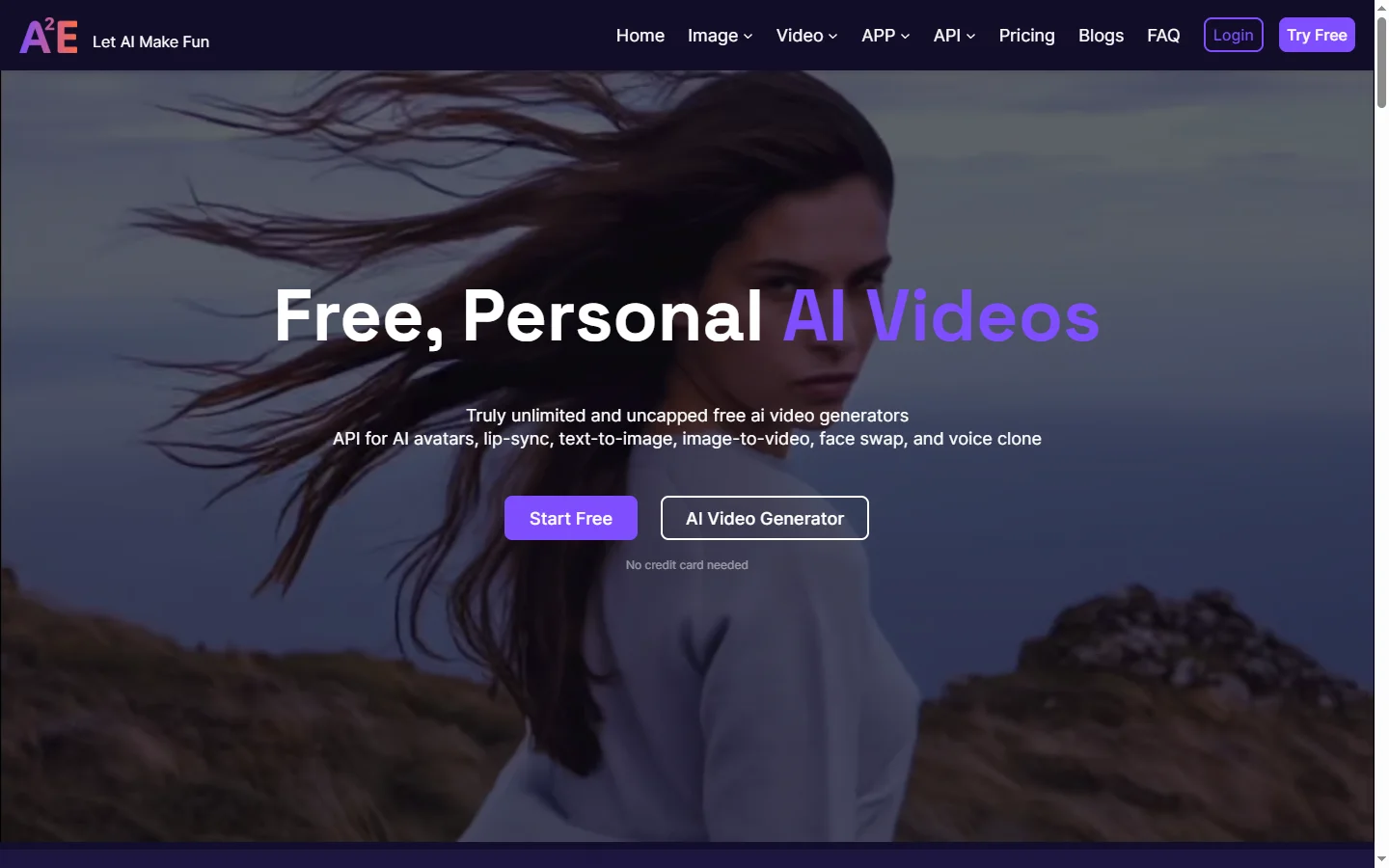
A2E AI productivity platform converts audio and video recordings into transcripts, summaries, and action items with speaker identification.
Abnormal AI
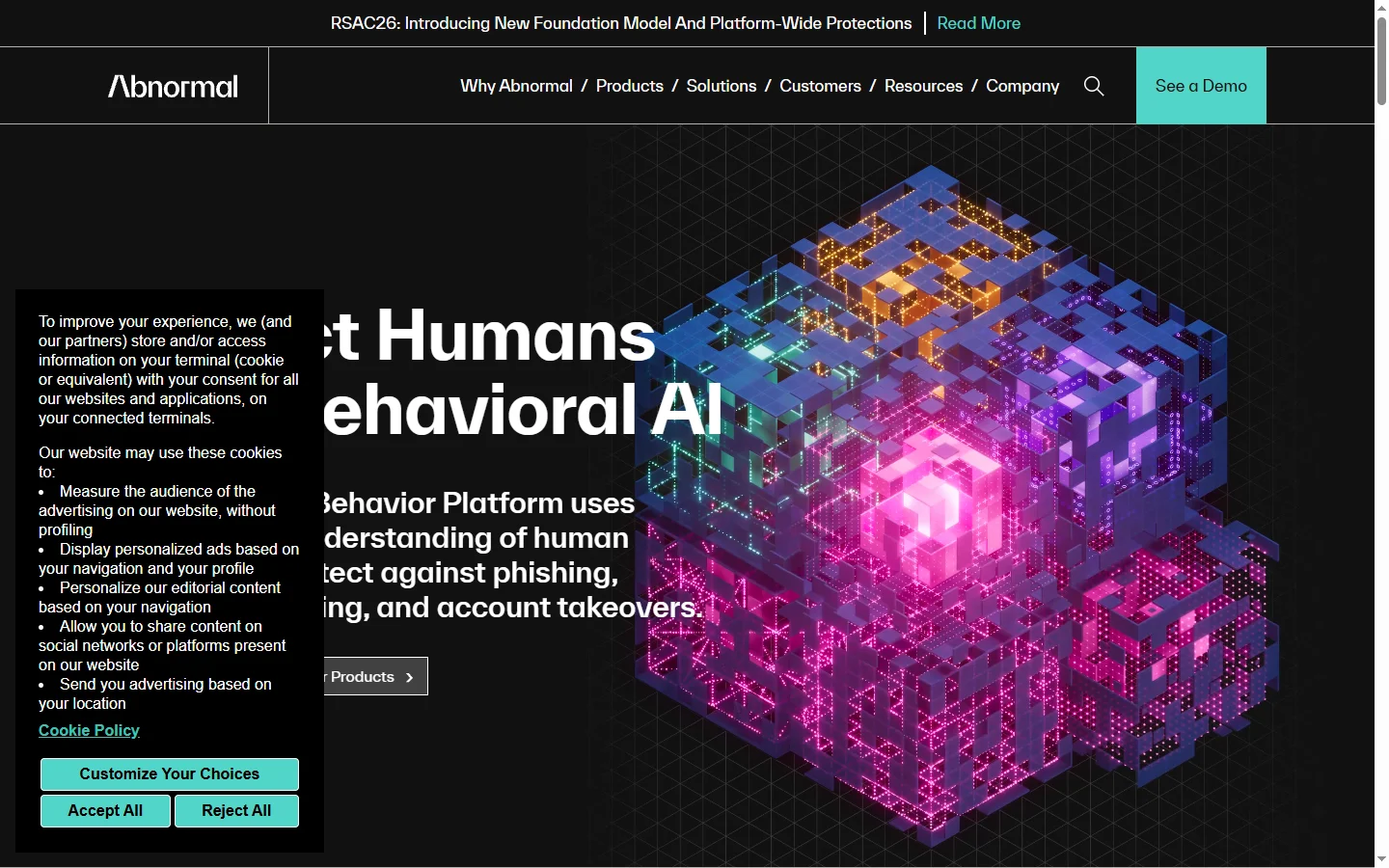
Abnormal AI uses behavioral AI to detect business email compromise, account takeover, and socially engineered phishing that bypasses secure email gateways.
Abridge AI
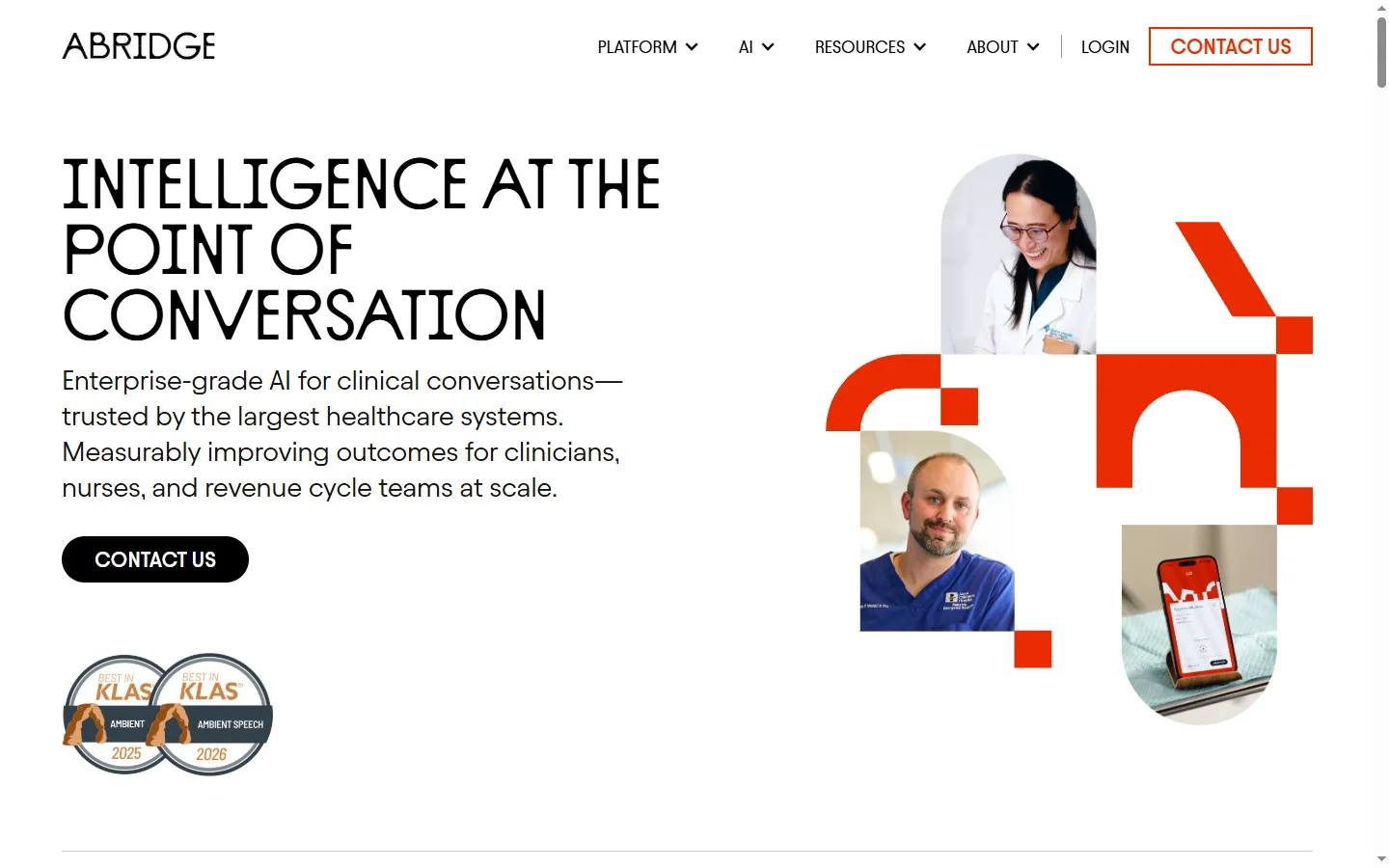
Abridge AI medical documentation platform that records and summarizes clinical conversations into structured physician notes in real time.

Air AI
Air AI conducts autonomous full-length AI phone calls for sales prospecting, appointment setting, and customer service without human agents.