
Prophet AI
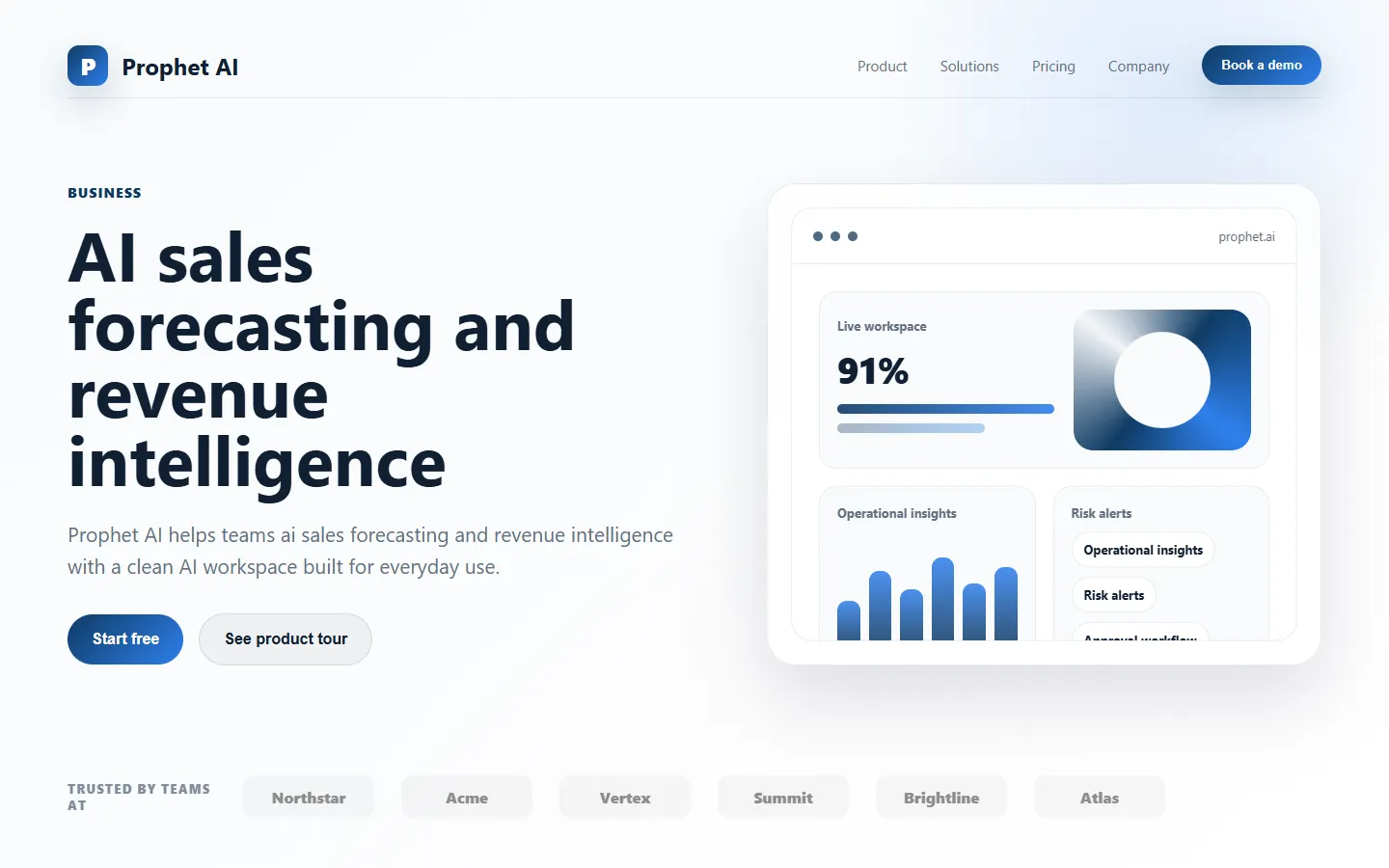
Paid ✓ VerifiedProphet AI is a forecasting and predictive analytics platform that helps business teams produce accurate, explainable forecasts without a data science team.
📋 About Prophet AI
Prophet AI is a forecasting and predictive analytics platform designed for business teams that need accurate, timely forecasts without hiring an in-house data science team. It combines modern time-series models — gradient-boosted trees, transformer forecasters, Bayesian models — into an automated pipeline that picks the best approach for each series, explains its predictions, and integrates with the business systems where decisions actually happen.
The Prophet AI platform handles demand forecasting, financial planning, workforce scheduling, and operational capacity planning across retail, SaaS, logistics, and manufacturing. Users connect data from ERPs, warehouses, and SaaS tools, and Prophet AI produces forecasts with confidence intervals, seasonality breakdowns, and driver attributions. What-if scenarios let operators test pricing changes, promotions, and external events before committing, and alerts flag when reality is diverging from forecast.
Prophet AI serves finance, operations, and revenue leaders who need trustworthy numbers rather than experimental dashboards. Customers use it to cut inventory costs, stabilize cash flow, improve hiring plans, and reduce the weekly firefighting that inaccurate forecasts cause. By packaging ML rigor with business-friendly interfaces, Prophet AI makes data-driven planning accessible far beyond the handful of companies with dedicated forecasting teams.
⚡ Key Features of Prophet AI
Automated Model Selection
Prophet AI evaluates multiple time-series model families and picks the best for each series automatically, freeing teams from manual tuning. As data changes, the platform reselects models to stay accurate over time. This delivers data-science-grade rigor without the data-science team.
Explainable Forecasts
Every forecast comes with confidence intervals, seasonality decomposition, and driver attributions that make results interpretable for non-technical stakeholders. Leaders can act on forecasts they understand rather than trusting black-box outputs. This is especially valuable in regulated industries.
Scenario Planning
What-if scenarios let operators test pricing changes, promotions, supply disruptions, and other external events to see projected impact before committing. Side-by-side comparisons highlight which levers matter most. This turns planning from a static exercise into an interactive strategy tool.
Integrations with ERP and Data Warehouse
Prophet AI connects to SAP, NetSuite, Oracle, Snowflake, BigQuery, and major SaaS tools so forecasts draw on live business data. Results push back into planning tools as needed. Integrations close the loop between modeling and execution.
Anomaly Detection and Alerts
The platform flags when actuals diverge from forecast, surfacing emerging problems before they hit the P&L. Alerts route to email, Slack, or a dashboard so the right people see the right signals fast. This shortens the feedback loop from weeks to hours.
Hierarchical Forecasting
Prophet AI can forecast at multiple levels — SKU, region, product line — and reconcile them so totals match across hierarchies. This is essential for retail and SaaS businesses where forecasts must roll up consistently. Users avoid the spreadsheet gymnastics this usually involves.
Collaboration and Governance
Shared workspaces, version history, and approval workflows let finance and operations collaborate on forecast reviews. Audit trails demonstrate to auditors how forecasts were produced and who approved them. Governance features support enterprise adoption.
🎯 Use Cases for Prophet AI
⚖️ Prophet AI Pros & Cons
Advantages
- ✓Automates modeling without requiring a data science team
- ✓Explainable forecasts build stakeholder trust
- ✓Scenario planning turns forecasts into strategic tools
- ✓Strong integrations with ERPs and warehouses
- ✓Hierarchical forecasting keeps numbers consistent
Drawbacks
- ✗Enterprise pricing not suited for very small teams
- ✗Requires reasonably clean historical data to work well
- ✗Setup and integration need ops and data time
- ✗Not a full BI replacement
📖 How to Use Prophet AI
Request a demo at prophet.ai with your forecasting use case and data sources.
Connect your ERP, warehouse, or SaaS data so Prophet AI can ingest history.
Define the forecast series, granularity, and business hierarchies to model.
Review automated forecasts with confidence intervals and drivers.
Build what-if scenarios for major planning decisions.
Operationalize alerts so teams see deviations in time to respond.
❓ Prophet AI FAQ
Prophet AI is used by business teams for forecasting and predictive analytics — demand planning, financial projections, workforce planning, and operational capacity — without requiring an in-house data science team.
Accuracy depends on data quality and the business context, but automated model selection and ensemble methods typically outperform spreadsheet baselines and single-model approaches. Customers track live accuracy metrics on the dashboard.
Prophet AI is an independent commercial platform. It may support open-source time-series libraries under the hood but provides a full managed platform with integrations, explainability, and governance.
Prophet AI integrates with major ERPs like SAP, NetSuite, and Oracle, data warehouses including Snowflake and BigQuery, and leading SaaS tools where planning data lives.
Yes. Prophet AI produces consistent forecasts across multiple levels — SKU, region, product line — and reconciles them so totals match across hierarchies.
Related to Prophet AI

A2E AI
A2E AI productivity platform converts audio and video recordings into transcripts, summaries, and action items with speaker identification.

Abnormal AI
Abnormal AI uses behavioral AI to detect business email compromise, account takeover, and socially engineered phishing that bypasses secure email gateways.

Abridge AI
Abridge AI medical documentation platform that records and summarizes clinical conversations into structured physician notes in real time.

Accrete AI
Accrete AI builds autonomous enterprise AI agents for defense, government, and commercial intelligence workflows.

ChatGPT
ChatGPT AI assistant by OpenAI for writing, coding, research, image analysis, and everyday problem-solving.

Claude
Claude AI assistant by Anthropic with a 200K context window, strong reasoning, and safety-focused design for writing, coding, and analysis.
Featured on WhatIf.ai
Add this badge to your website to show you're listed on WhatIf AI
Alternatives to Prophet AI
A2E AI
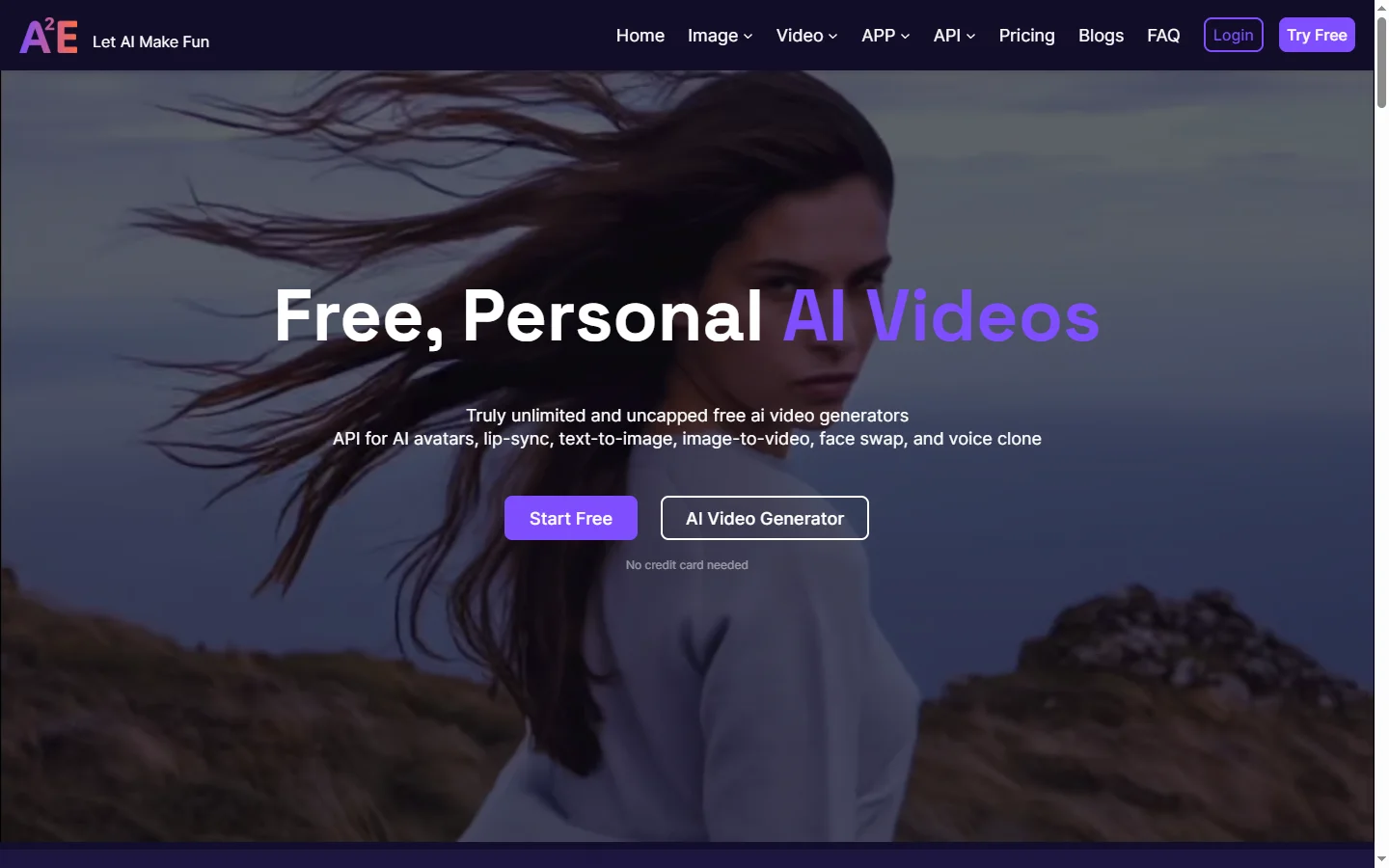
A2E AI productivity platform converts audio and video recordings into transcripts, summaries, and action items with speaker identification.
Abnormal AI
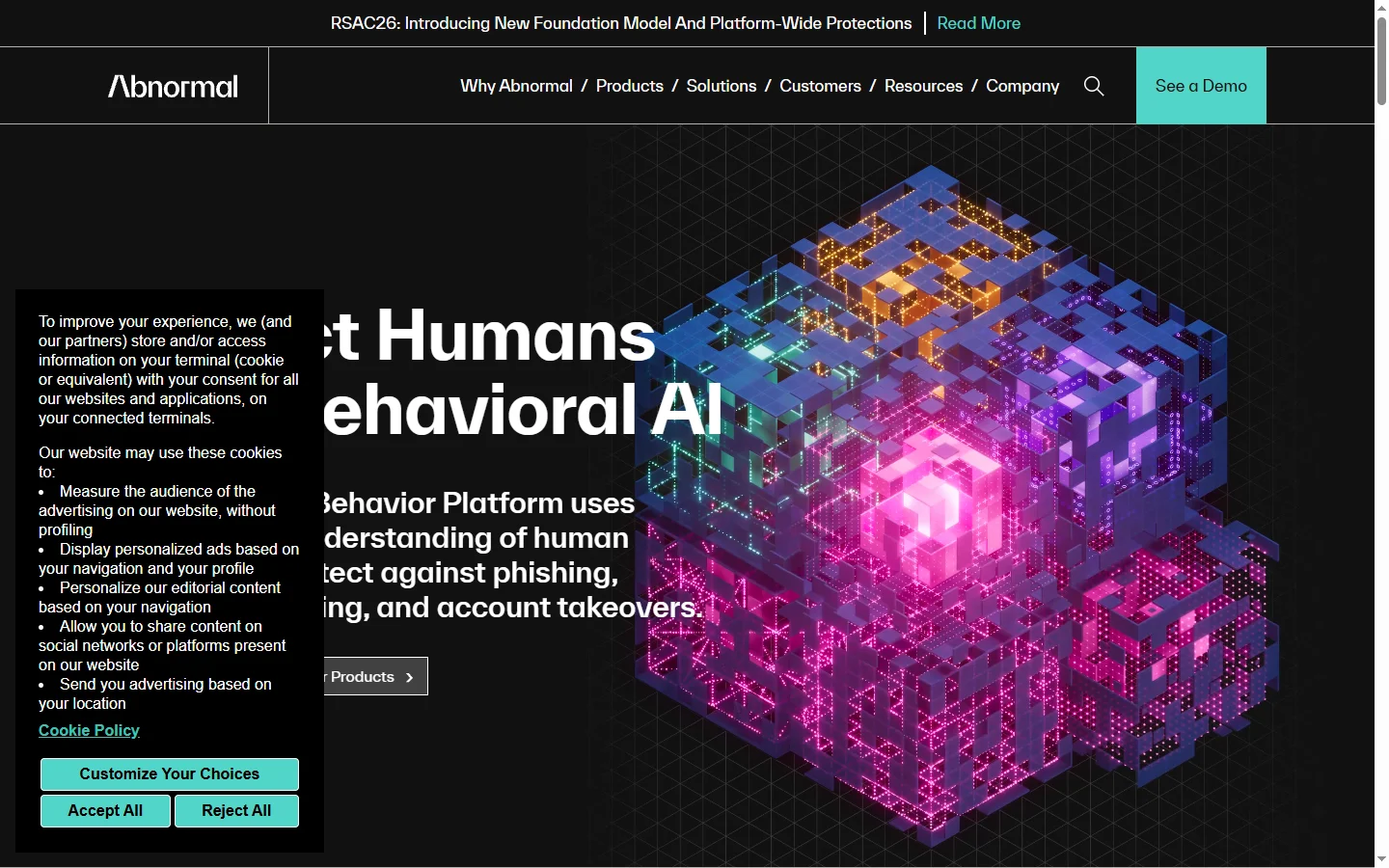
Abnormal AI uses behavioral AI to detect business email compromise, account takeover, and socially engineered phishing that bypasses secure email gateways.
Abridge AI
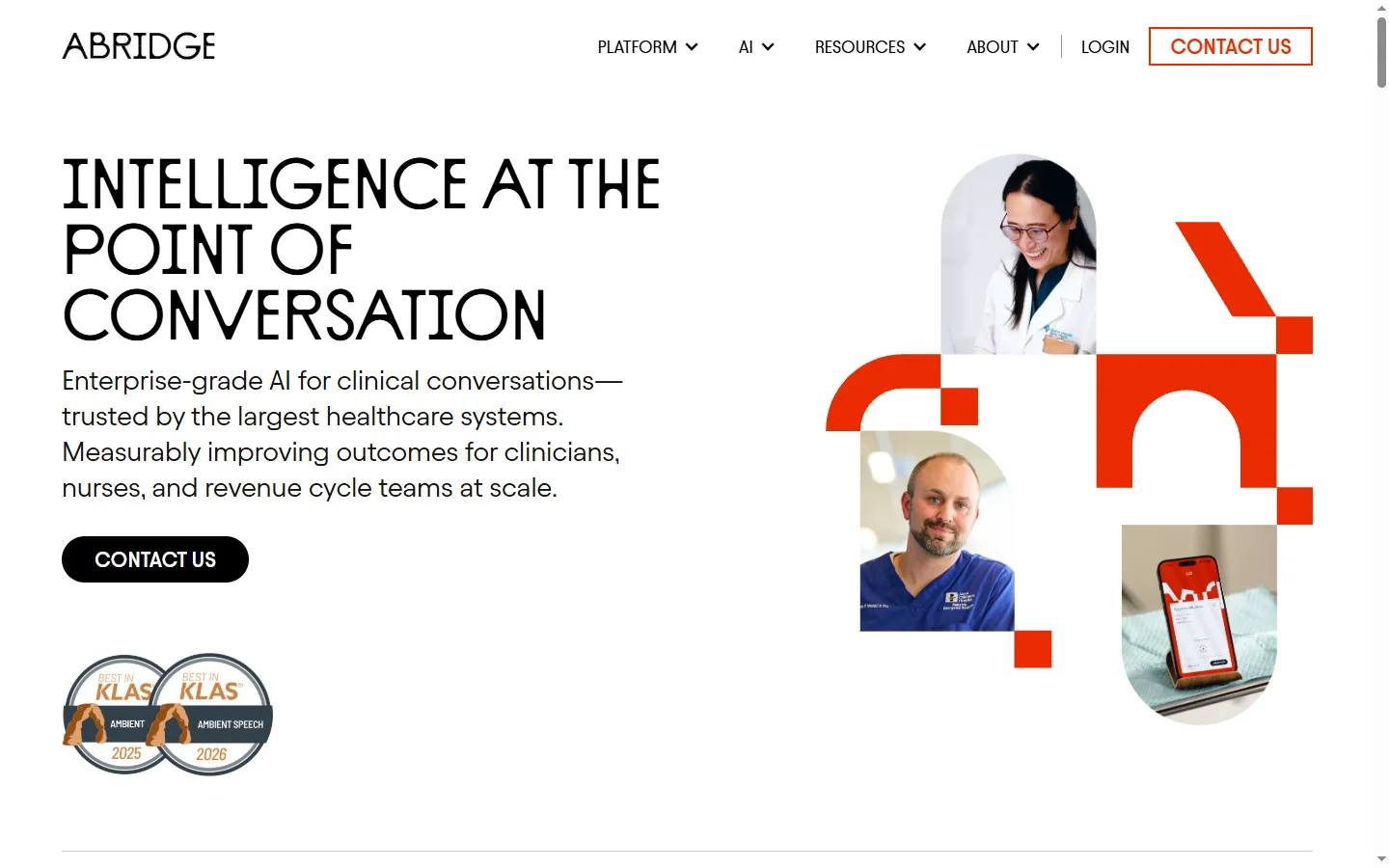
Abridge AI medical documentation platform that records and summarizes clinical conversations into structured physician notes in real time.

Air AI
Air AI conducts autonomous full-length AI phone calls for sales prospecting, appointment setting, and customer service without human agents.