
Nightfall AI
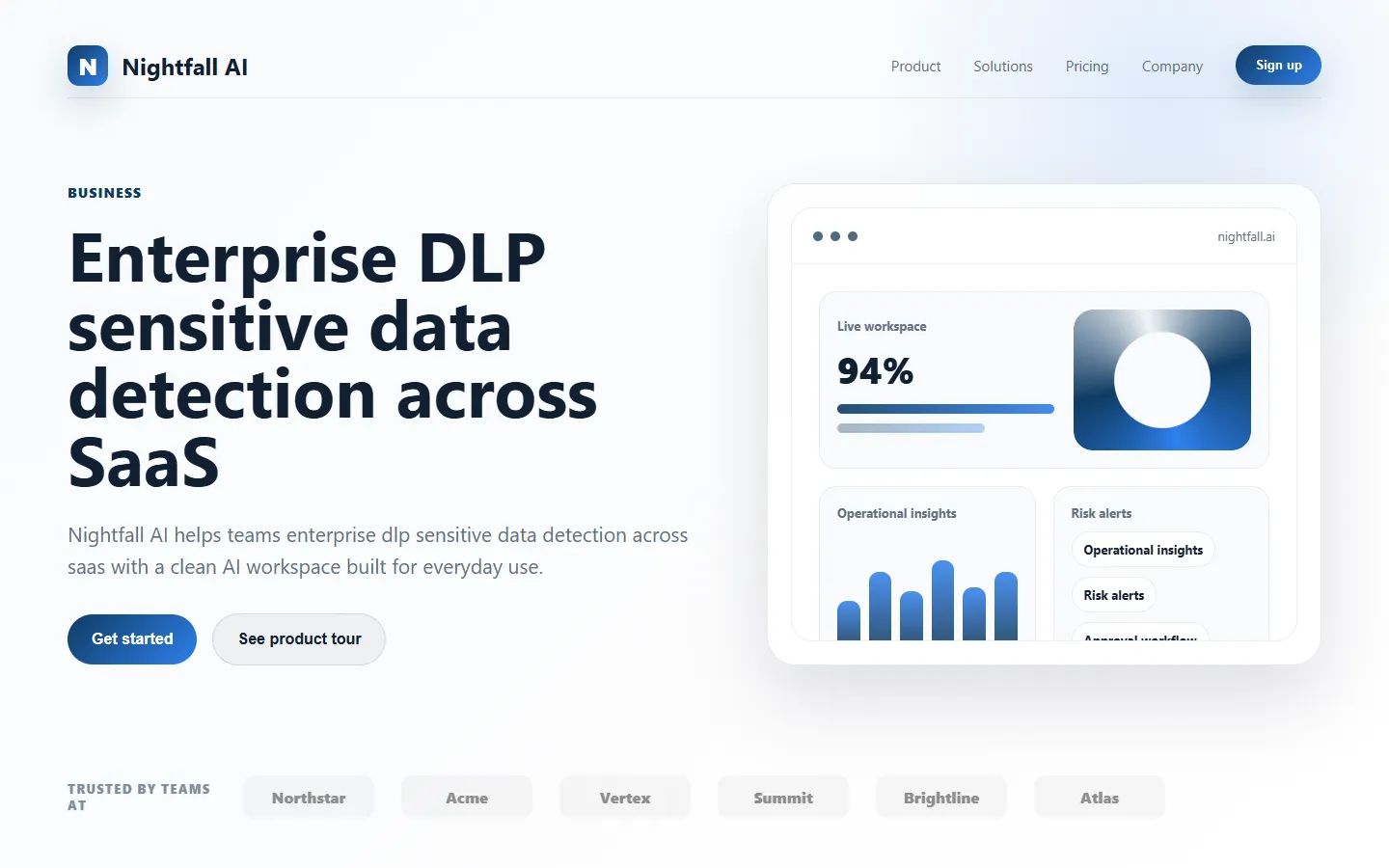
Paid ✓ VerifiedNightfall AI is an enterprise data loss prevention platform that uses machine learning to detect and protect sensitive data across SaaS apps, email, and generative AI.
📋 About Nightfall AI
Nightfall AI is an enterprise data loss prevention platform that applies machine learning to detect and protect sensitive data across SaaS applications, communication channels, and generative AI tools. Unlike older DLP products that rely on brittle regular expressions, nightfall ai uses ML-powered detectors trained to recognize real-world patterns of PII, PHI, payment data, secrets, and other sensitive classes with significantly higher accuracy. This reduces both false positives and missed detections, which keeps security operations productive rather than buried under noise.
The platform integrates natively with Slack, Google Workspace, Microsoft 365, GitHub, Jira, Confluence, Salesforce, Zendesk, and other common business tools. As generative AI adoption has accelerated, Nightfall has extended its coverage to prompts and responses sent through tools like ChatGPT and Microsoft Copilot, preventing confidential data from leaking into external model providers. Remediation workflows include automatic redaction, quarantine, user warnings, and integrations with major SIEM and SOAR platforms, so security teams can respond at scale without manual investigation of every alert.
Nightfall AI serves mid-market and enterprise security teams responsible for protecting sensitive data across modern cloud-first stacks. Typical customers include healthcare, financial services, and technology companies that cannot afford an accidental leak of patient data, customer records, or source code. The company's focus on developer-friendly APIs, broad integration coverage, and continuously improving ML detectors has positioned it as a modern alternative to legacy DLP suites that struggle with contemporary SaaS and AI-driven workflows.
⚡ Key Features of Nightfall AI
ML-Powered Sensitive Data Detection
Nightfall ai uses machine learning detectors trained to recognize real-world patterns of PII, PHI, financial data, secrets, and other sensitive classes across many content types. This ML-first approach outperforms regex-based DLP dramatically on both false positive and false negative rates. Detectors are continuously improved with customer feedback and adversarial testing. Custom detectors can be trained on organization-specific data types when built-ins are insufficient.
Broad SaaS Integration
Native integrations cover Slack, Microsoft 365, Google Workspace, GitHub, Jira, Confluence, Salesforce, Zendesk, and other major business SaaS tools. Each integration scans historical and ongoing content to detect and remediate sensitive data without requiring network changes. Installation is typically API-based and completed in hours rather than weeks. Integrations respect native application semantics, reducing friction for end users.
Generative AI Protection
Nightfall extends DLP to generative AI workflows by monitoring prompts and responses for tools like ChatGPT, Microsoft Copilot, and custom internal LLM applications. This prevents developers and business users from pasting confidential customer data, source code, or trade secrets into external model providers. Policies can block, redact, or warn based on the sensitivity of detected content. This capability has become critical as AI usage has scaled faster than governance programs.
Automated Remediation Workflows
Detected sensitive data can trigger automatic redaction, message quarantine, user notification, or escalation to security teams based on policy. Remediation fits native application behaviors — for example, a message in Slack can be edited to remove the sensitive content while leaving the surrounding conversation intact. This automation handles the volume of modern SaaS traffic without requiring manual review of every alert. Human review queues remain available for ambiguous cases.
Developer API and SDKs
A public REST API lets developers embed Nightfall's detection engine directly into internal applications, CI pipelines, and custom workflows. Common SDKs are available for Python, Node.js, Go, and other major languages. This makes DLP a composable capability rather than a separate silo, which is particularly valuable for product teams building internal AI tools. Rate limits and throughput are sized for enterprise workloads.
Incident Management and Reporting
A central console aggregates detections across all integrations with filtering, assignment, and case-management features for security operations teams. Dashboards report trends, top offenders, and policy effectiveness over time. Integrations with major SIEM and SOAR platforms pipe events into existing incident workflows. Custom reports support audit, board, and regulatory reporting needs.
Granular Policy Management
Policies can target specific users, channels, repositories, or applications with distinct detection rules and remediation actions. Exceptions and allowlists support legitimate business cases without compromising protection elsewhere. Policy simulation shows the expected impact of a change before it ships, reducing the risk of disruptive rollouts. Version-controlled policies integrate with change management workflows.
🎯 Use Cases for Nightfall AI
⚖️ Nightfall AI Pros & Cons
Advantages
- ✓ML-powered detection outperforms regex-based DLP
- ✓Broad SaaS integration coverage
- ✓Extends DLP to generative AI workflows
- ✓Strong developer API for custom use cases
- ✓Automated remediation reduces security team workload
Drawbacks
- ✗Enterprise pricing not accessible to small businesses
- ✗Initial policy tuning requires effort to reduce noise
- ✗Limited on-premises deployment options
- ✗Coverage for less common SaaS tools still expanding
📖 How to Use Nightfall AI
Contact the nightfall ai sales team to scope a deployment based on your target SaaS applications and data types.
Connect integrations for Slack, Google Workspace, Microsoft 365, GitHub, and other target applications through the admin console.
Enable recommended policies for common sensitive data categories relevant to your industry and compliance requirements.
Tune policies and allowlists based on initial detections to reduce false positives for legitimate business workflows.
Configure remediation actions, user notifications, and escalations to security teams as appropriate.
Monitor incidents in the central console and integrate findings into your SIEM or SOAR for broader security operations.
❓ Nightfall AI FAQ
Nightfall ai is an enterprise data loss prevention platform that uses machine learning to detect and protect sensitive data across SaaS applications, email, cloud storage, and generative AI tools.
Traditional DLP relies on regex patterns that produce many false positives and miss nuanced cases. Nightfall uses ML detectors trained on real-world data, which significantly improves both precision and recall.
Yes. Nightfall monitors prompts and responses sent to external generative AI tools like ChatGPT and Microsoft Copilot, preventing sensitive data from being shared with third-party model providers.
Native integrations include Slack, Microsoft 365, Google Workspace, GitHub, Jira, Confluence, Salesforce, Zendesk, and many more. A public API supports custom integrations into internal applications.
Yes. Nightfall is commonly used in healthcare, financial services, and technology sectors for HIPAA, PCI DSS, SOC 2, and other regulatory compliance needs. The platform is designed for enterprise-grade security requirements.
Related to Nightfall AI

A2E AI
A2E AI productivity platform converts audio and video recordings into transcripts, summaries, and action items with speaker identification.

Abnormal AI
Abnormal AI uses behavioral AI to detect business email compromise, account takeover, and socially engineered phishing that bypasses secure email gateways.

Abridge AI
Abridge AI medical documentation platform that records and summarizes clinical conversations into structured physician notes in real time.

Accrete AI
Accrete AI builds autonomous enterprise AI agents for defense, government, and commercial intelligence workflows.
Featured on WhatIf.ai
Add this badge to your website to show you're listed on WhatIf AI
Alternatives to Nightfall AI
A2E AI
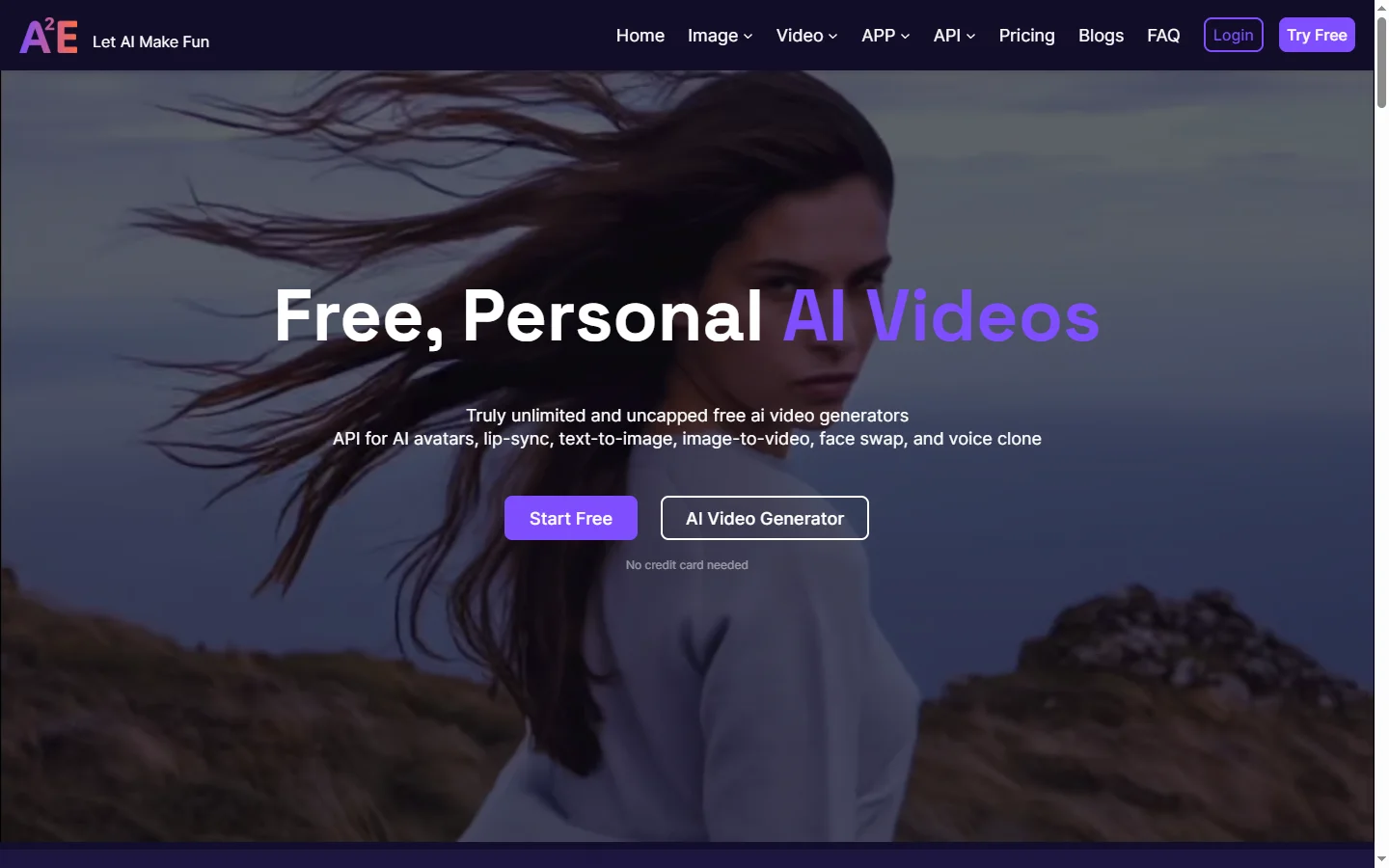
A2E AI productivity platform converts audio and video recordings into transcripts, summaries, and action items with speaker identification.
Abnormal AI
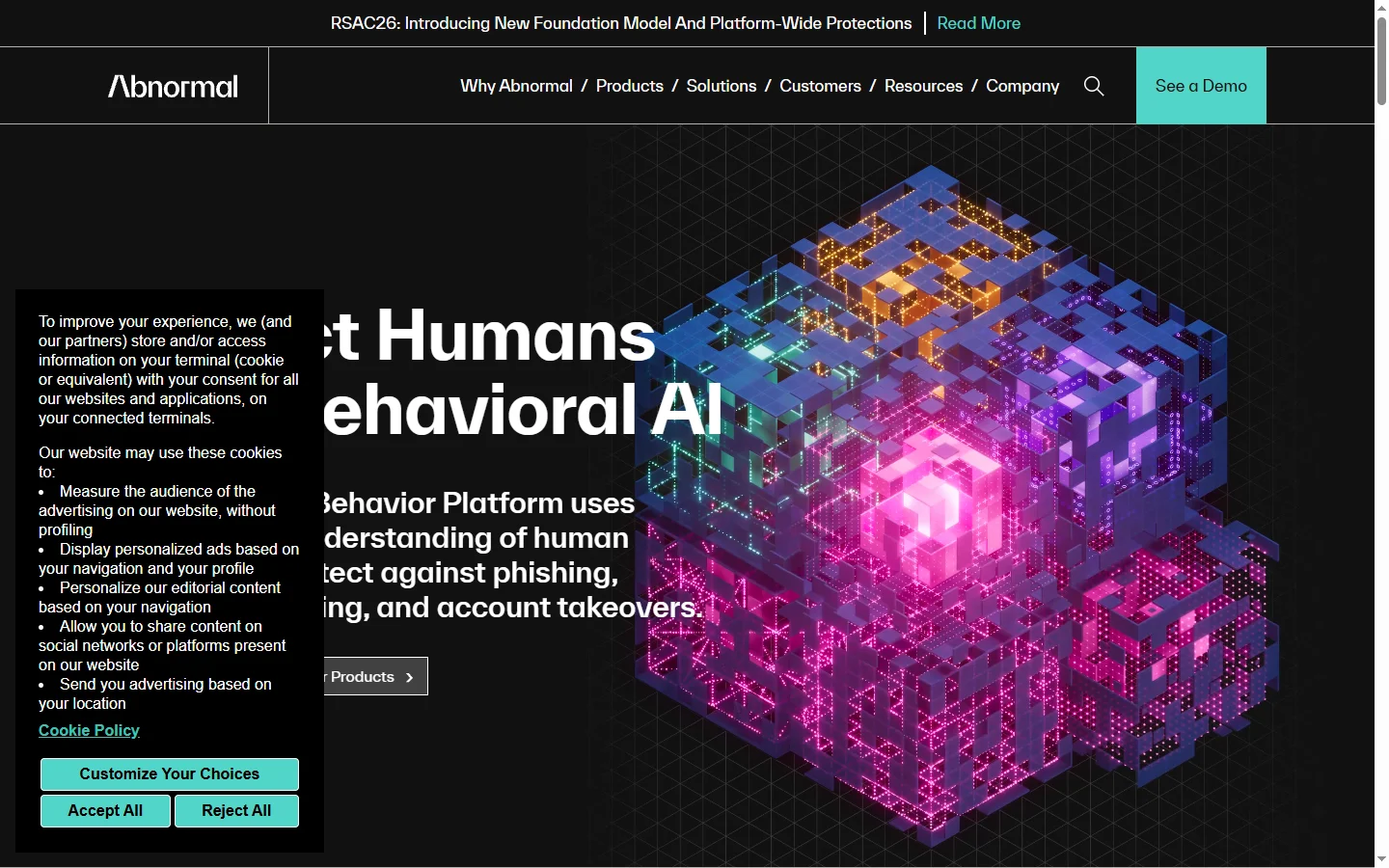
Abnormal AI uses behavioral AI to detect business email compromise, account takeover, and socially engineered phishing that bypasses secure email gateways.
Abridge AI
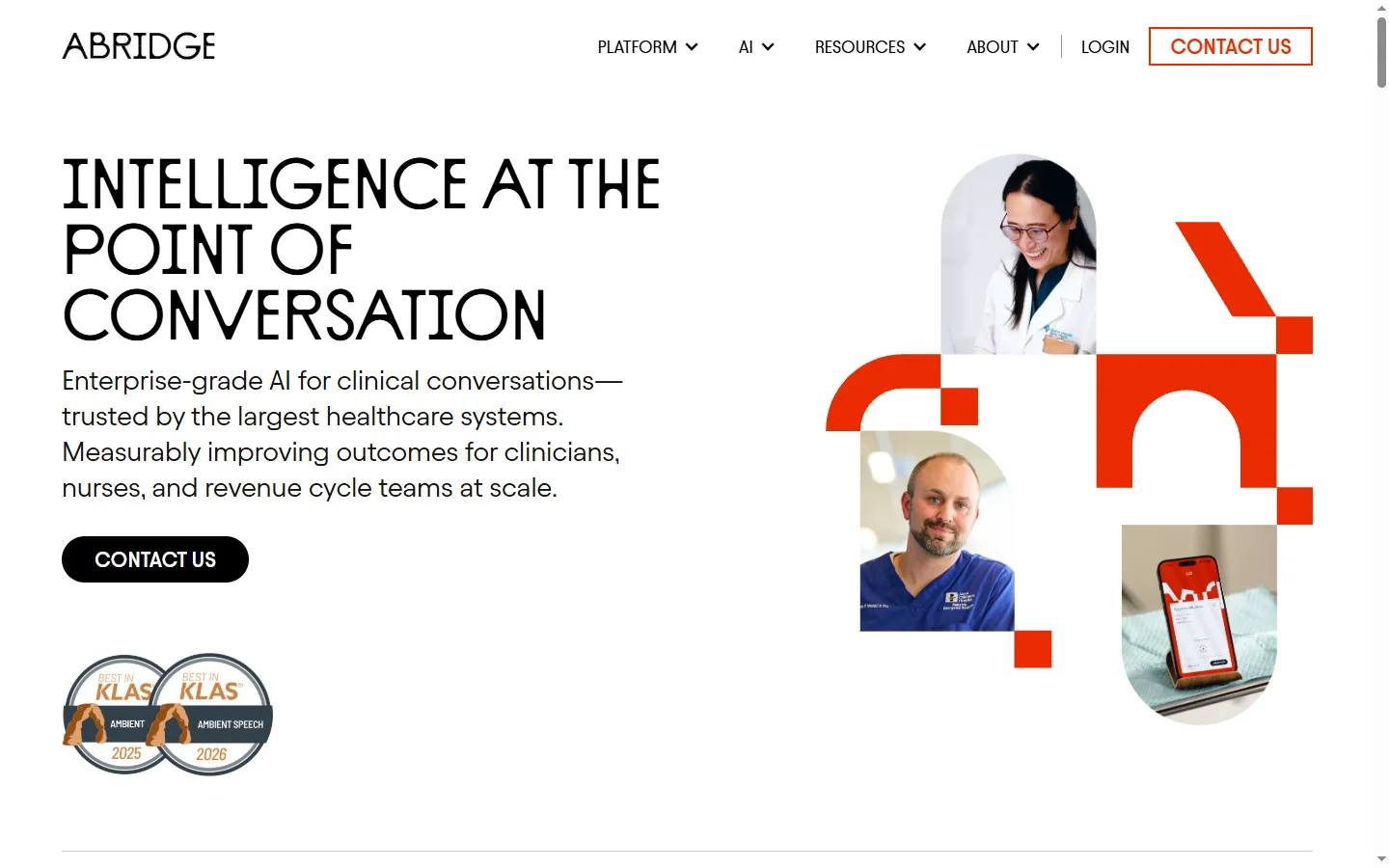
Abridge AI medical documentation platform that records and summarizes clinical conversations into structured physician notes in real time.

Air AI
Air AI conducts autonomous full-length AI phone calls for sales prospecting, appointment setting, and customer service without human agents.