
Litero AI
Freemium ✓ Verified 🔥 TrendingLitero AI is an AI writing assistant purpose-built for students and academics to draft, research, cite, and refine essays, theses, and research papers.
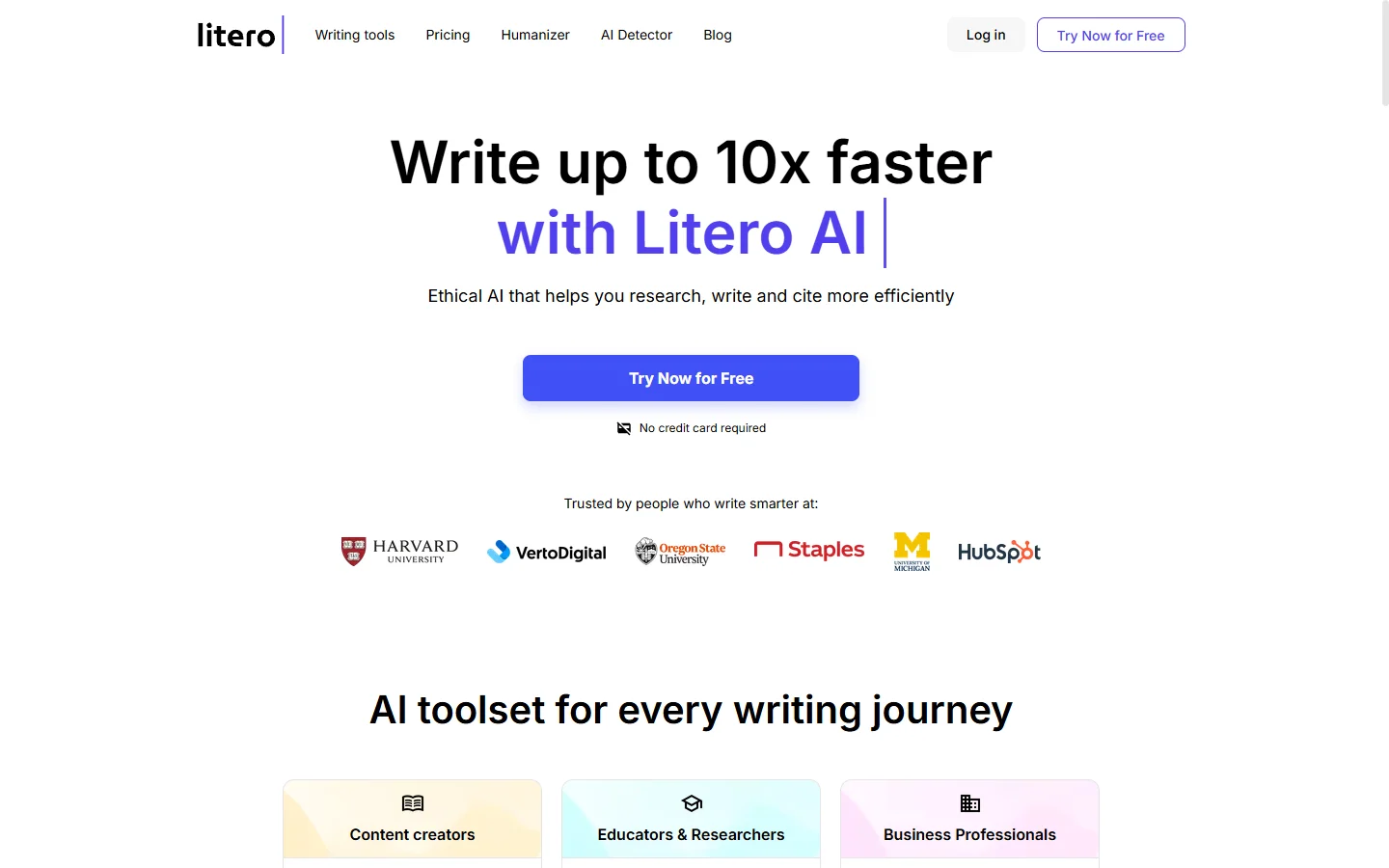
📋 About Litero AI
Litero AI is an academic ai writing assistant designed specifically for students, graduate researchers, and academics who need help drafting essays, term papers, literature reviews, and thesis chapters. Unlike general-purpose chatbots that treat academic writing as just another use case, litero ai focuses on the end-to-end research workflow — outlining arguments, pulling from real peer-reviewed sources, generating citations in APA, MLA, Chicago, and Harvard formats, and helping users paraphrase or expand sections without losing academic rigor. It positions itself as a transparent writing coach rather than a tool for evading academic integrity checks.
The platform combines a distraction-free writing editor with AI features that activate contextually as students work. The ai essay writer can suggest next paragraphs, expand bullet points into full arguments, summarize uploaded PDFs, generate outlines from a topic or research question, and rewrite sections for clarity or tone. A built-in citation engine links to actual sources from Google Scholar and other academic databases, helping users ground their writing in real literature rather than hallucinated references. The litero ai assistant also offers grammar and style checks tuned for academic English.
Litero AI serves undergraduate and graduate students worldwide who are juggling research, course loads, and tight deadlines. It is especially useful for non-native English writers who need help producing clear academic prose, and for students working on long-form projects like theses where staying organized across thousands of words is challenging. By keeping drafting, research, and citation inside a single environment, students avoid switching between Word, Google Scholar, Zotero, and general chatbots for every stage of a paper.
⚡ Key Features of Litero AI
AI-Powered Academic Editor
The litero ai editor is a distraction-free writing environment with context-aware AI suggestions that help students expand outlines, rewrite paragraphs, and continue drafts naturally. As you write, the assistant suggests next sentences, offers alternative phrasings, and identifies weak transitions without interrupting flow. Unlike generic AI chat tools, the editor keeps the full document in context so suggestions stay consistent with earlier arguments. This reduces the friction of toggling between a document and a separate chatbot during drafting.
Real Citation Generation
Generate accurate citations in APA, MLA, Chicago, Harvard, and IEEE formats, with sources pulled from Google Scholar and academic databases rather than fabricated references. The citation engine inserts in-text citations and builds a formatted bibliography automatically as you cite sources inside the editor. This solves one of the biggest risks of using general chatbots for academic work — hallucinated references — and aligns the tool with institutional integrity requirements. Students can export the citation list to Zotero, BibTeX, or Word.
Outline and Thesis Generator
Input a research question or topic and litero ai generates a structured outline with suggested sections, sub-arguments, and key points to address in each. The outline tool is tuned for academic structures — argumentative essays, literature reviews, empirical research papers, and thesis chapters — so output follows scholarly conventions rather than blog formatting. Students use this to break writer's block and scaffold long papers before drafting. Outlines can be edited and regenerated in sections as the paper evolves.
PDF and Source Summarization
Upload research papers, textbook chapters, or lecture notes as PDFs and ask the ai research assistant to summarize key arguments, extract quotes, compare findings across sources, or identify methodological approaches. This accelerates literature review work and helps students engage with dense academic texts efficiently. The summarizer preserves citations and page numbers so extracted content can be traced back to the source. Multiple PDFs can be compared in a single session to identify agreements and contradictions.
AI Paraphrasing and Humanization
Rewrite passages in multiple styles — formal academic, simpler language, or alternative phrasings — while preserving meaning and citations. The paraphrasing tool is designed to help non-native English writers polish prose and help students rephrase dense source material rather than plagiarize. Litero positions these tools as assistive rather than evasive, and includes warnings about proper paraphrasing ethics. Output preserves semantic meaning and keeps inline citations intact.
Academic Grammar and Style Check
A grammar and style checker tuned for academic English flags awkward phrasing, passive voice overuse, informal language, and clarity issues specific to scholarly writing. Unlike general grammar tools, it prioritizes academic conventions — avoiding contractions, preferring precise verbs, maintaining formal register — so suggestions match the expectations of professors and journal reviewers. Non-native speakers find this particularly valuable when the usual grammar tools accept informal patterns that academic readers reject.
AI Detection Avoidance Transparency
Rather than promising to bypass AI detectors, litero ai guides students toward writing workflows that use AI as an assistant rather than a ghostwriter. The platform encourages iterative drafting, source grounding, and personal voice retention, and provides optional AI-content awareness so students can understand how their drafts compare. This transparent stance helps align usage with institutional policies rather than pitching evasion. Many universities accept assistive AI use but ban wholesale AI generation, and litero's defaults lean toward the former.
🎯 Use Cases for Litero AI
⚖️ Litero AI Pros & Cons
Advantages
- ✓Built specifically for academic writing workflows
- ✓Real citations pulled from Google Scholar rather than hallucinated
- ✓Covers APA, MLA, Chicago, Harvard, and IEEE formats
- ✓Strong paraphrasing and grammar tools for non-native writers
- ✓Free tier available for students to try before subscribing
Drawbacks
- ✗Free plan has tight word and feature limits
- ✗Not suited for non-academic content like marketing copy
- ✗Some universities still restrict any AI assistance in writing
- ✗Source database coverage varies by discipline
📖 How to Use Litero AI
Go to litero.ai and sign up with an email or Google account — a free tier lets you test core features before committing.
Start a new document and enter your research question or topic to generate an AI-suggested outline for your paper.
Upload any required readings as PDFs to the litero ai workspace so the assistant can ground suggestions in your actual sources.
Use the academic editor to draft section by section, accepting or refining AI suggestions as you write.
Add citations through the integrated engine to automatically build a bibliography in your required format such as APA or MLA.
Run the grammar and style check before submission and export the finished paper as DOCX or PDF.
❓ Litero AI FAQ
Litero ai is an academic writing assistant built specifically for students and researchers, combining a distraction-free editor, outline generation, source-grounded citations, and academic grammar checking in one platform.
Litero offers a free tier with limited monthly word output and feature access. Paid plans typically start around $10 per month for full access to citations, PDF uploads, and unlimited AI drafting.
Yes. Unlike general chatbots, the litero ai citation engine pulls sources from Google Scholar and academic databases to generate accurate APA, MLA, Chicago, Harvard, and IEEE references rather than hallucinated ones.
Most universities permit AI as a writing assistant but restrict wholesale AI-generated submissions. Litero encourages assistive, source-grounded use and expects students to check their institution's specific AI policy.
Litero can help outline, draft, summarize sources, and refine prose, but the platform is designed to support your writing rather than replace it. The most effective users treat it as a coach and editor throughout the thesis process.
Related to Litero AI

Abby AI
Abby AI is an AI therapy and mental wellness chatbot that offers CBT-informed conversations, mood tracking, and self-guided coping tools.

Accrete AI
Accrete AI builds autonomous enterprise AI agents for defense, government, and commercial intelligence workflows.

Ace AI
Ace AI is an AI-powered interview and career coach that helps job seekers prepare with mock interviews, resume feedback, and personalized career guidance.

Alayna AI
Alayna AI is an all-in-one AI teaching assistant that helps K-12 educators plan lessons, differentiate activities, and give personalized feedback.

ChatGPT
ChatGPT AI assistant by OpenAI for writing, coding, research, image analysis, and everyday problem-solving.

Perplexity AI
Perplexity ai search engine that answers questions with real-time web sources and numbered citations.
Featured on WhatIf.ai
Add this badge to your website to show you're listed on WhatIf AI
Alternatives to Litero AI
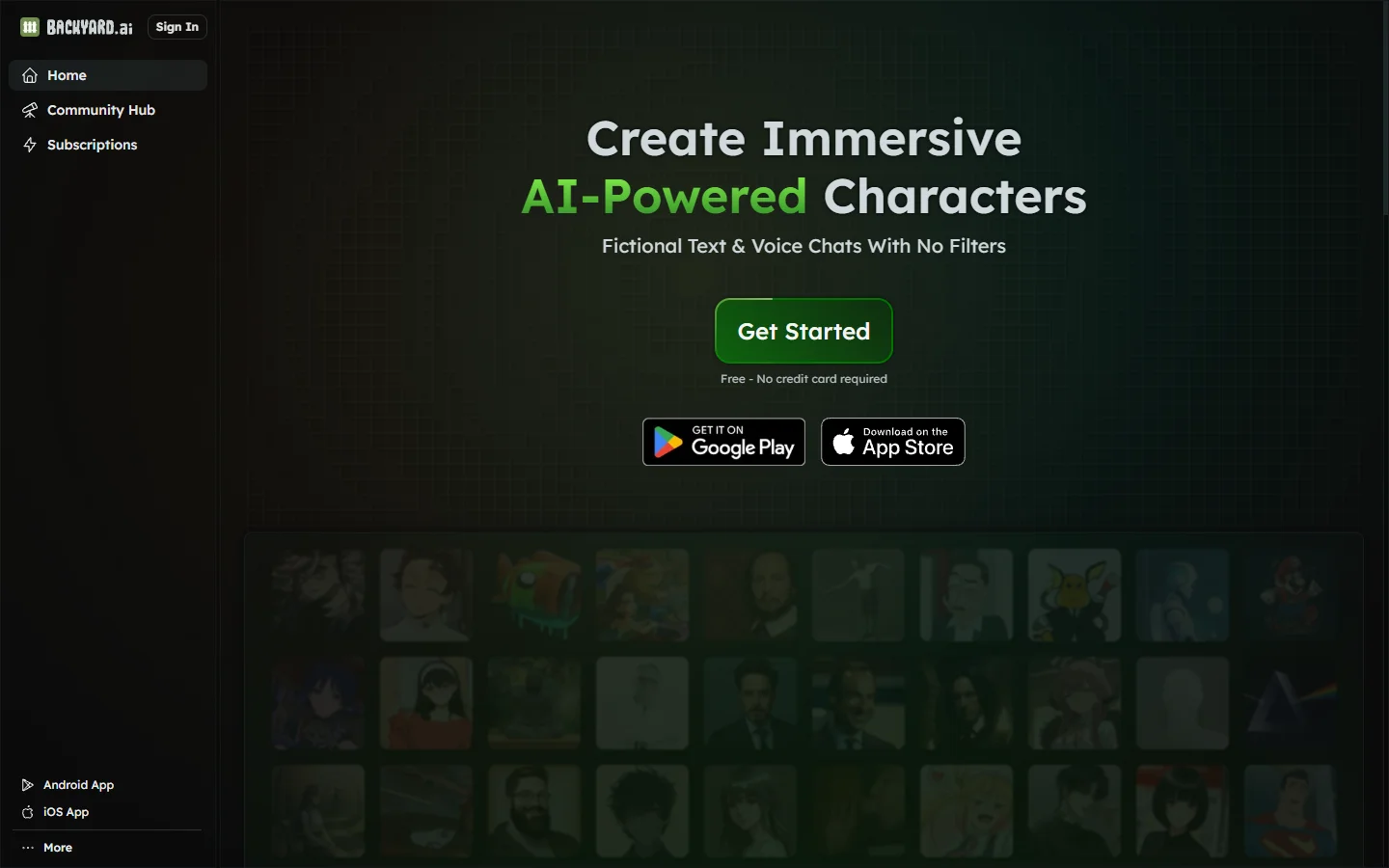

Backyard AI
Backyard AI is a free desktop application for running local AI character chat with custom personas, private conversations, and full offline operation.


Blaze AI
Blaze AI generates on-brand social media posts, blog articles, email campaigns, and ad copy for marketers and small businesses using configurable brand voice settings.
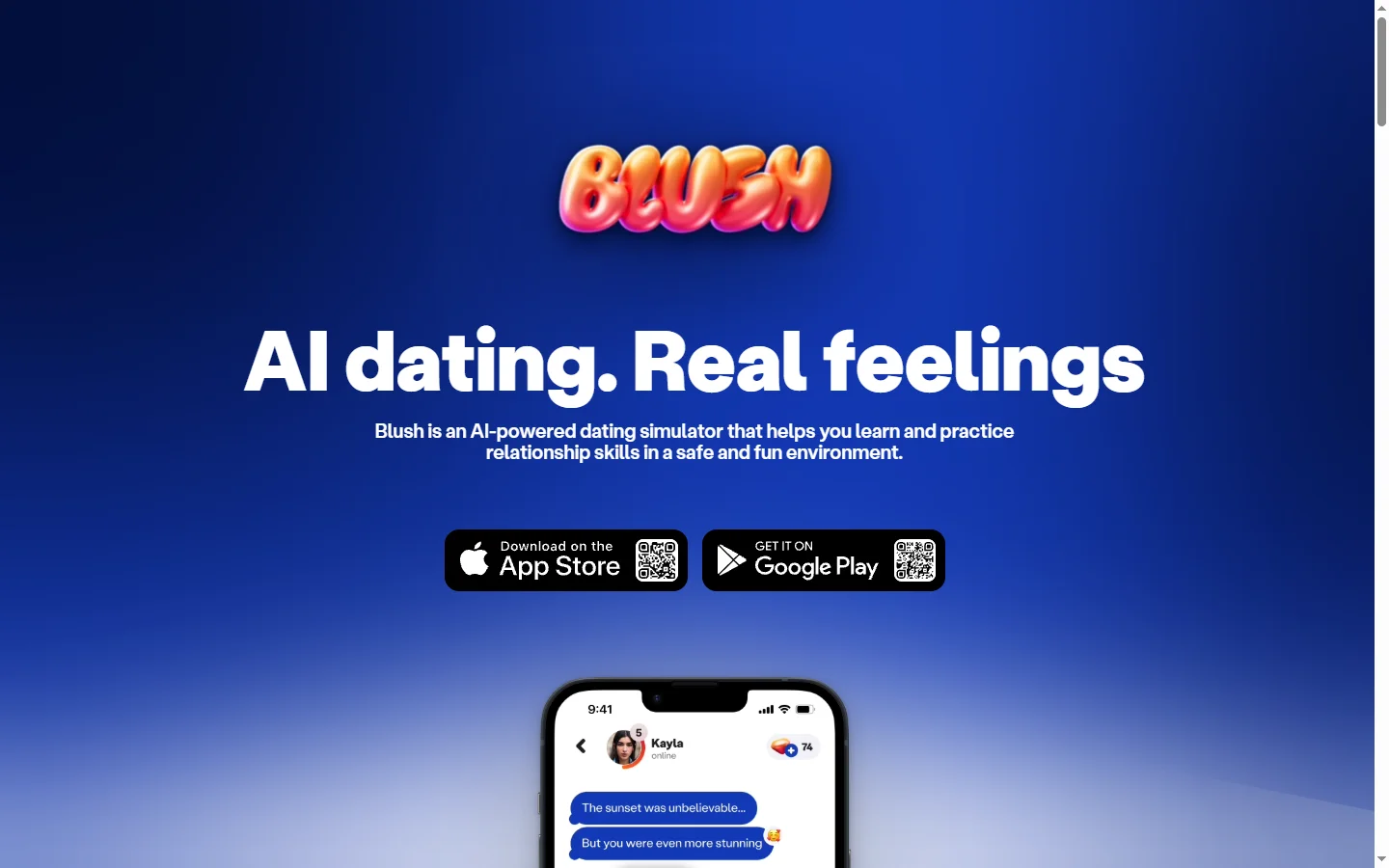

Blush AI
Blush AI is an AI dating assistant that helps users craft better messages, improve their dating profile, and practice conversation skills.
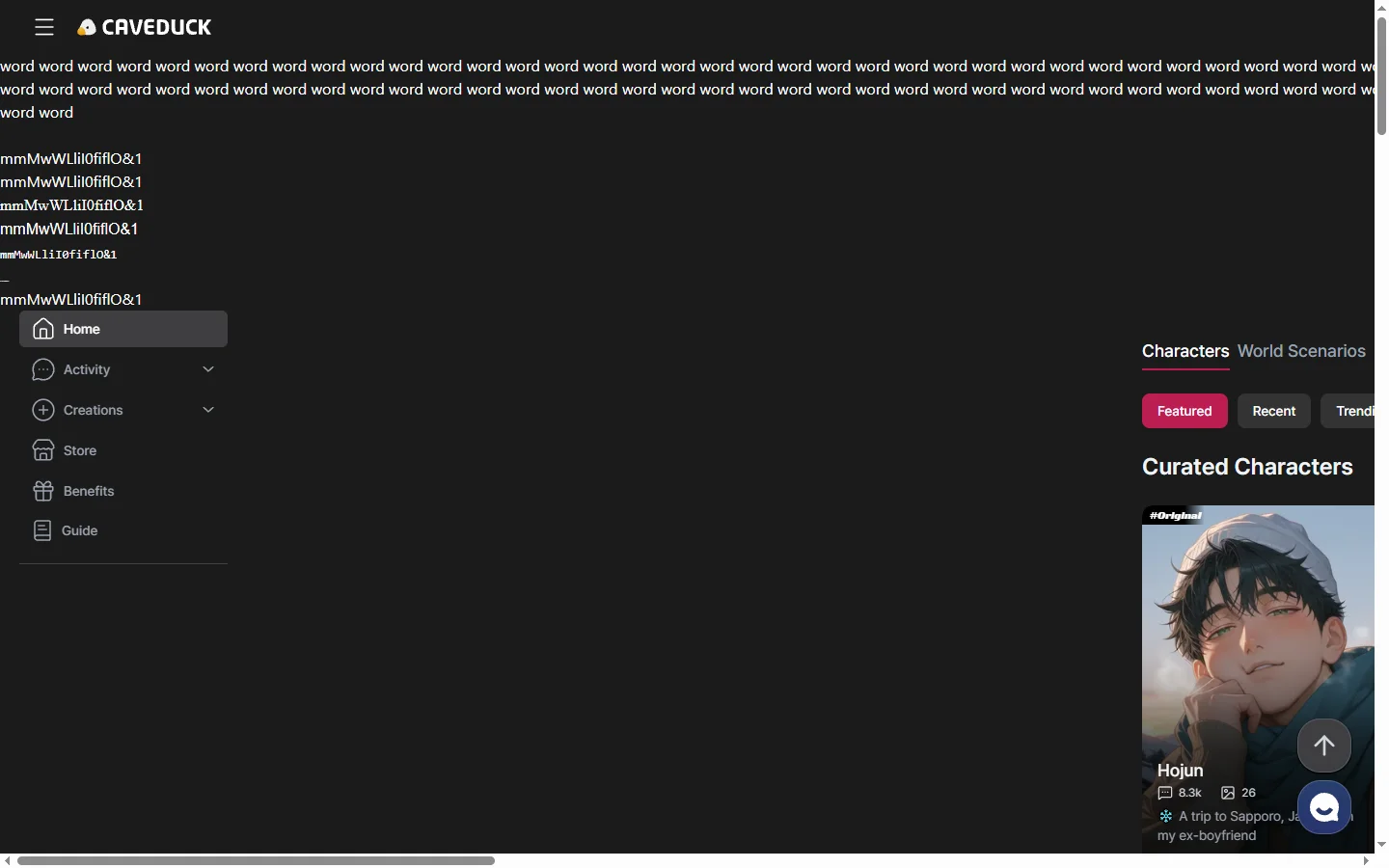

Caveduck AI
Caveduck AI is a character chat platform where users create custom AI personas and hold context-aware roleplay conversations with them.