
Keystone AI
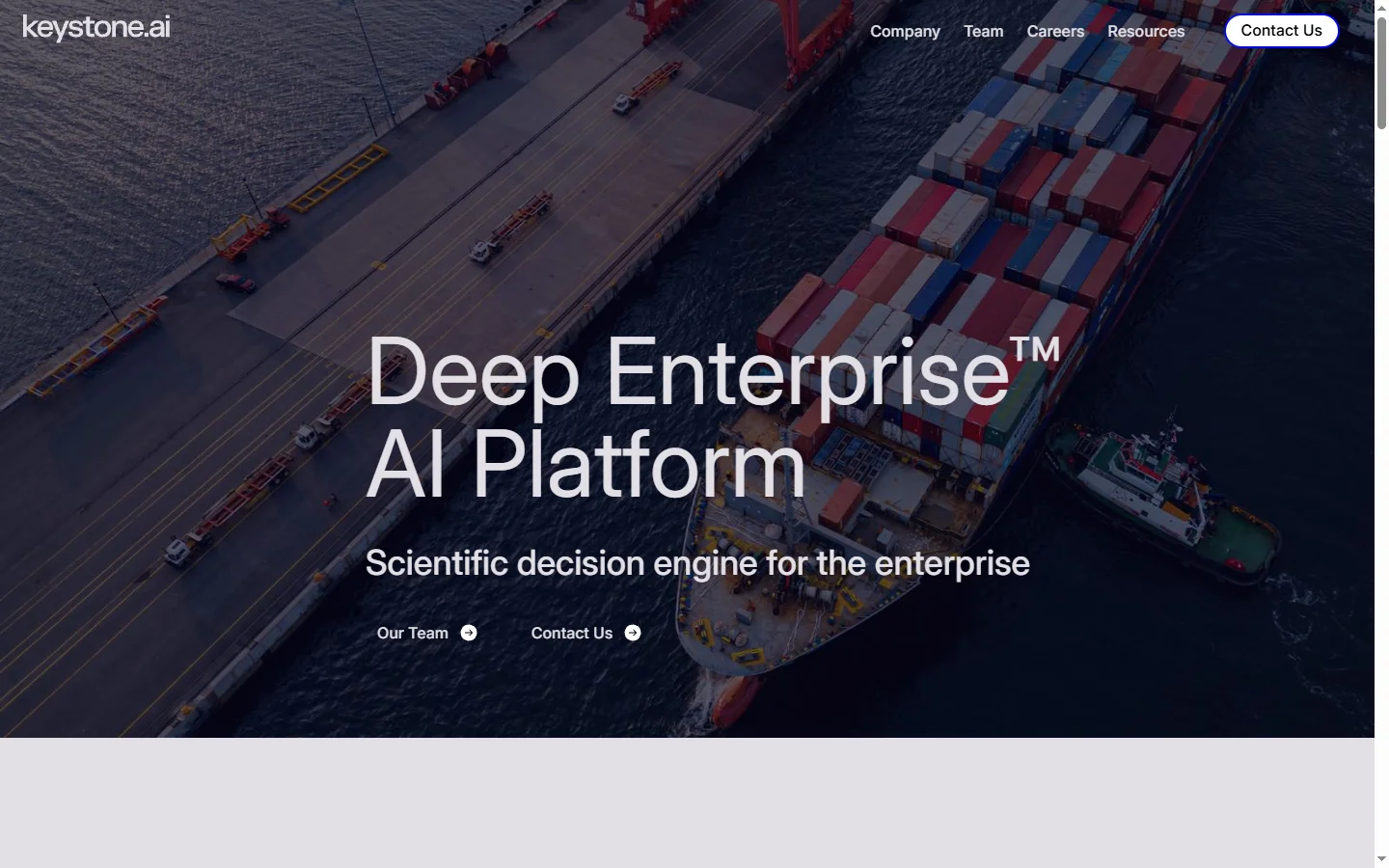
Paid ✓ VerifiedKeystone AI is an AI-powered platform that helps enterprise teams automate research, synthesize reports, and build knowledge bases from internal and external sources.
📋 About Keystone AI
Keystone AI is an enterprise knowledge and research automation platform that helps analysts, consultants, product managers, and strategy teams synthesize information across internal documents, the public web, and specialized data sources into briefings, competitive analyses, and research reports. The keystone ai platform combines retrieval-augmented generation with human-in-the-loop review workflows so teams can trust AI-produced research as a first draft rather than a black box. It targets the gap between general-purpose chatbots — which are fast but prone to hallucination — and traditional research platforms — which are accurate but slow and manual.
At its core, keystone ai connects to company knowledge sources (SharePoint, Google Drive, Notion, Confluence, internal databases, CRM) and to external data feeds (news, financial filings, industry databases, the public web) through a single retrieval layer. Users ask questions or request deliverables in natural language and the AI produces draft outputs with every claim cited back to a source. Templates handle recurring work like competitive battlecards, customer briefings, deal research, and weekly market digests. Editors can accept, revise, or reject drafts, and the system learns from these decisions to improve future outputs.
Keystone AI is used by consulting firms, enterprise strategy teams, investment firms, and in-house research groups that need to produce high volumes of defensible, well-sourced research without scaling analyst headcount proportionally. Compliance-sensitive industries like financial services and pharma value the citation-first design that makes every claim auditable. Fast-moving product and sales organizations use it to brief leadership, prepare for customer meetings, and keep up with competitive landscapes that shift weekly. By centralizing research in one AI-assisted workspace, teams trade analyst hours for strategic thinking time.
⚡ Key Features of Keystone AI
Unified Retrieval Across Internal and External Sources
Keystone ai connects to SharePoint, Google Drive, Notion, Confluence, CRM, data warehouses, and external feeds like news, financial filings, and industry databases, giving one retrieval layer across the information your team actually uses. Ask a question and the AI pulls relevant content from both internal knowledge and external sources, so outputs reflect your company's context plus the outside world. Permission and access controls ensure users only see content they are authorized to access. This eliminates the context gap that makes general-purpose chatbots impractical for enterprise research.
Cited, Source-Grounded AI Outputs
Every claim in a keystone ai output links back to the source document and passage it came from, so reviewers can verify accuracy and challenge weak citations before relying on the research. The retrieval-first architecture keeps outputs tied to real sources rather than relying on model memory, dramatically reducing hallucination risk. This is essential for compliance-sensitive and high-stakes work where unsupported claims are unacceptable. Citations display inline in reports and deliverables for easy review.
Research Templates and Briefings
Templates for common deliverables — competitive battlecards, customer briefings, deal research, weekly market digests, industry landscapes — produce draft outputs with a single command. Templates are customizable to match your firm's preferred structure, voice, and depth. Teams iterate and standardize templates over time so research quality becomes less dependent on individual analysts. This scales best practices across the organization rather than keeping them in senior analysts' heads.
Human-in-the-Loop Review
Draft outputs appear in a review interface where editors can accept claims, revise them, or reject them with feedback that improves future AI output for the team. This workflow acknowledges that AI should accelerate rather than replace human judgment, especially for research that influences major decisions. Edits flow back into the system to tune retrieval and output quality over time. Teams configure who can publish versus who reviews based on deliverable type.
Knowledge Base Construction
As teams research, keystone ai can consolidate findings into an internal knowledge base that grows alongside the work. New searches can pull from this accumulated knowledge rather than re-researching repeated questions. This converts one-off research into durable institutional knowledge that survives analyst turnover. The knowledge base supports tagging, versioning, and cross-referencing to make retrieved insights reusable.
Real-Time News and Filings Monitoring
Subscribe the AI to watch specific companies, competitors, markets, or regulatory topics and receive proactive digests when material news breaks. The system distinguishes signal from noise by weighting sources and relevance to your configured interests. Delivery options include email digests, Slack alerts, and in-platform feeds. This keeps teams ahead of competitive and market shifts without manual monitoring workflows.
Enterprise Security and Compliance
SSO, SCIM provisioning, granular permissions, audit logs, and data residency options meet enterprise IT requirements. Customer data is not used to train public models, and deployment options include private cloud and on-premises for highly sensitive environments. This security posture is necessary for customers in financial services, pharma, and government who cannot send sensitive content to consumer-grade AI tools. The keystone ai platform passes standard security reviews expected of enterprise SaaS.
🎯 Use Cases for Keystone AI
⚖️ Keystone AI Pros & Cons
Advantages
- ✓Citation-grounded output reduces hallucination risk
- ✓Unified retrieval across internal and external sources
- ✓Strong templates for recurring research deliverables
- ✓Enterprise security including SSO, audit logs, and data residency
- ✓Human review workflow supports high-stakes deliverables
Drawbacks
- ✗Enterprise pricing not suitable for small teams or individuals
- ✗Requires integration work to connect all knowledge sources
- ✗Some source types require customer-provided API credentials
- ✗Full value realized only once knowledge sources are connected
📖 How to Use Keystone AI
Contact keystone ai sales to scope required integrations, data sources, and deployment model for your team.
Complete implementation by connecting internal knowledge sources such as SharePoint, Drive, Notion, or Confluence and configuring external data feeds.
Invite team members, configure roles, and set permissions so users only see content they are authorized to access.
Choose or customize research templates for your recurring deliverables — battlecards, briefings, digests, landscapes.
Ask the keystone ai assistant to draft research outputs, review citations, and approve for delivery through the review workflow.
Set up proactive monitors for companies, competitors, or topics to receive automated digests as news and filings arrive.
❓ Keystone AI FAQ
Keystone ai is an enterprise research and knowledge automation platform that connects internal and external data sources, generates source-cited research drafts, and supports human review workflows for consulting, strategy, and in-house research teams.
The platform uses retrieval-augmented generation so every claim in an output links to its source document or passage. Human review workflows catch any remaining issues before publication, and users can challenge or revise weak citations directly in the draft.
Keystone ai integrates with SharePoint, Google Drive, Notion, Confluence, Salesforce, data warehouses, and external data feeds including news, financial filings, and industry databases. Custom source integrations are available for enterprise customers.
Yes. The platform supports SSO, SCIM, audit logs, granular permissions, data residency options, and private cloud or on-premises deployment for financial services, pharma, and government customers.
Keystone ai uses enterprise pricing based on team size, integrations, and usage. Engagements typically start in the tens of thousands annually and scale with deployment scope. Contact sales for a custom quote.
Related to Keystone AI

A2E AI
A2E AI productivity platform converts audio and video recordings into transcripts, summaries, and action items with speaker identification.

Abnormal AI
Abnormal AI uses behavioral AI to detect business email compromise, account takeover, and socially engineered phishing that bypasses secure email gateways.

Abridge AI
Abridge AI medical documentation platform that records and summarizes clinical conversations into structured physician notes in real time.

Accrete AI
Accrete AI builds autonomous enterprise AI agents for defense, government, and commercial intelligence workflows.

Perplexity AI
Perplexity ai search engine that answers questions with real-time web sources and numbered citations.
Featured on WhatIf.ai
Add this badge to your website to show you're listed on WhatIf AI
Alternatives to Keystone AI
A2E AI
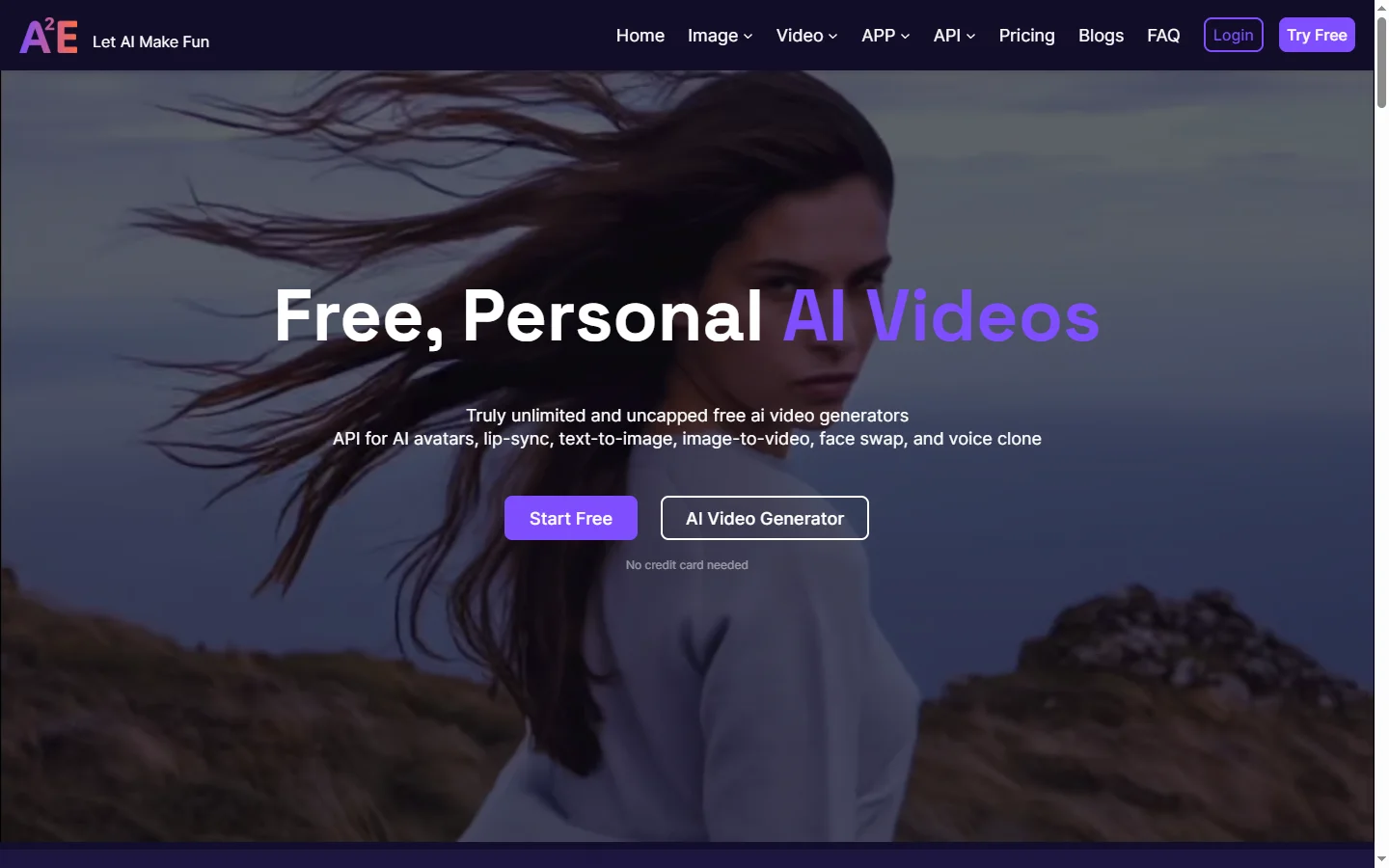
A2E AI productivity platform converts audio and video recordings into transcripts, summaries, and action items with speaker identification.
Abnormal AI
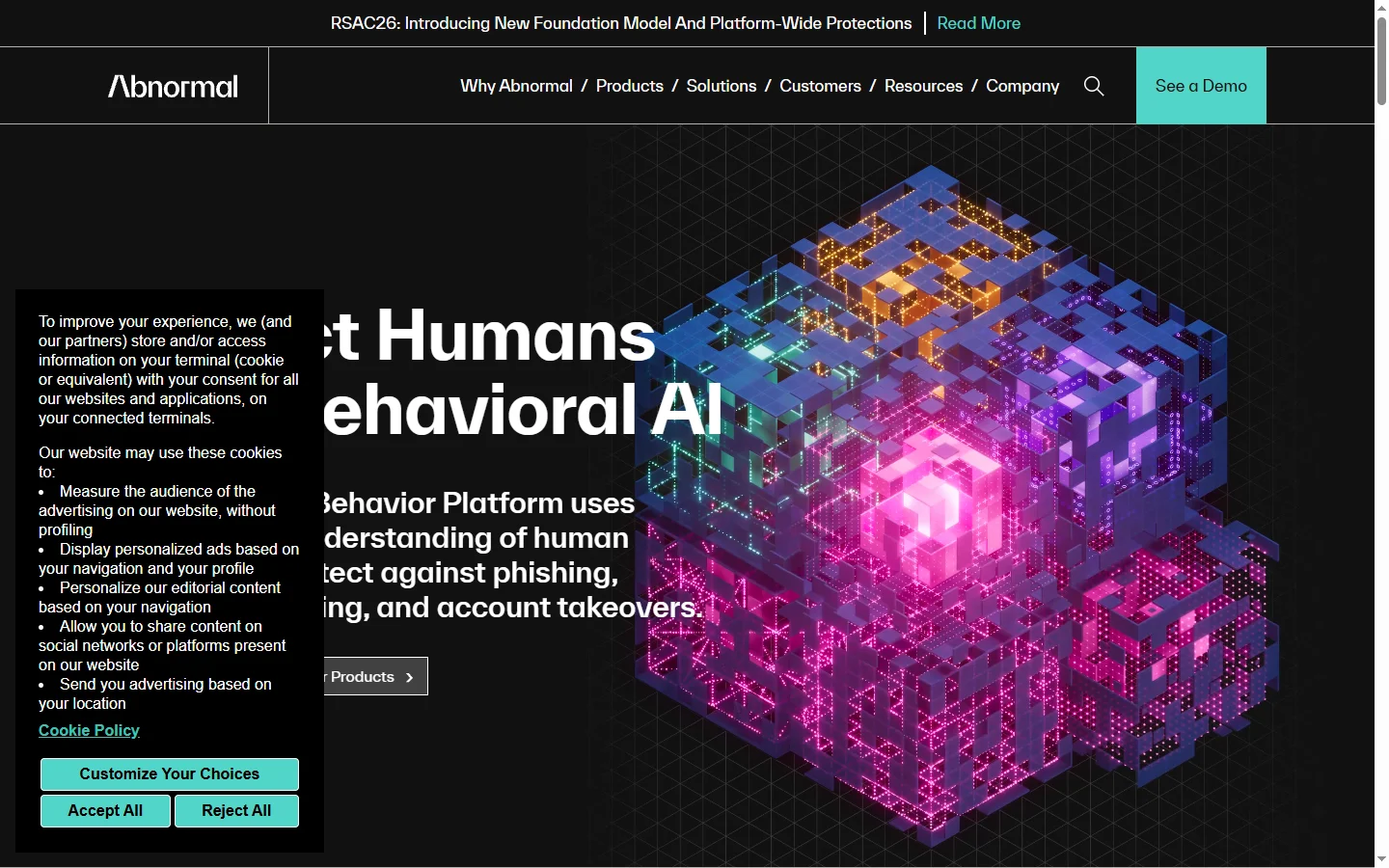
Abnormal AI uses behavioral AI to detect business email compromise, account takeover, and socially engineered phishing that bypasses secure email gateways.
Abridge AI
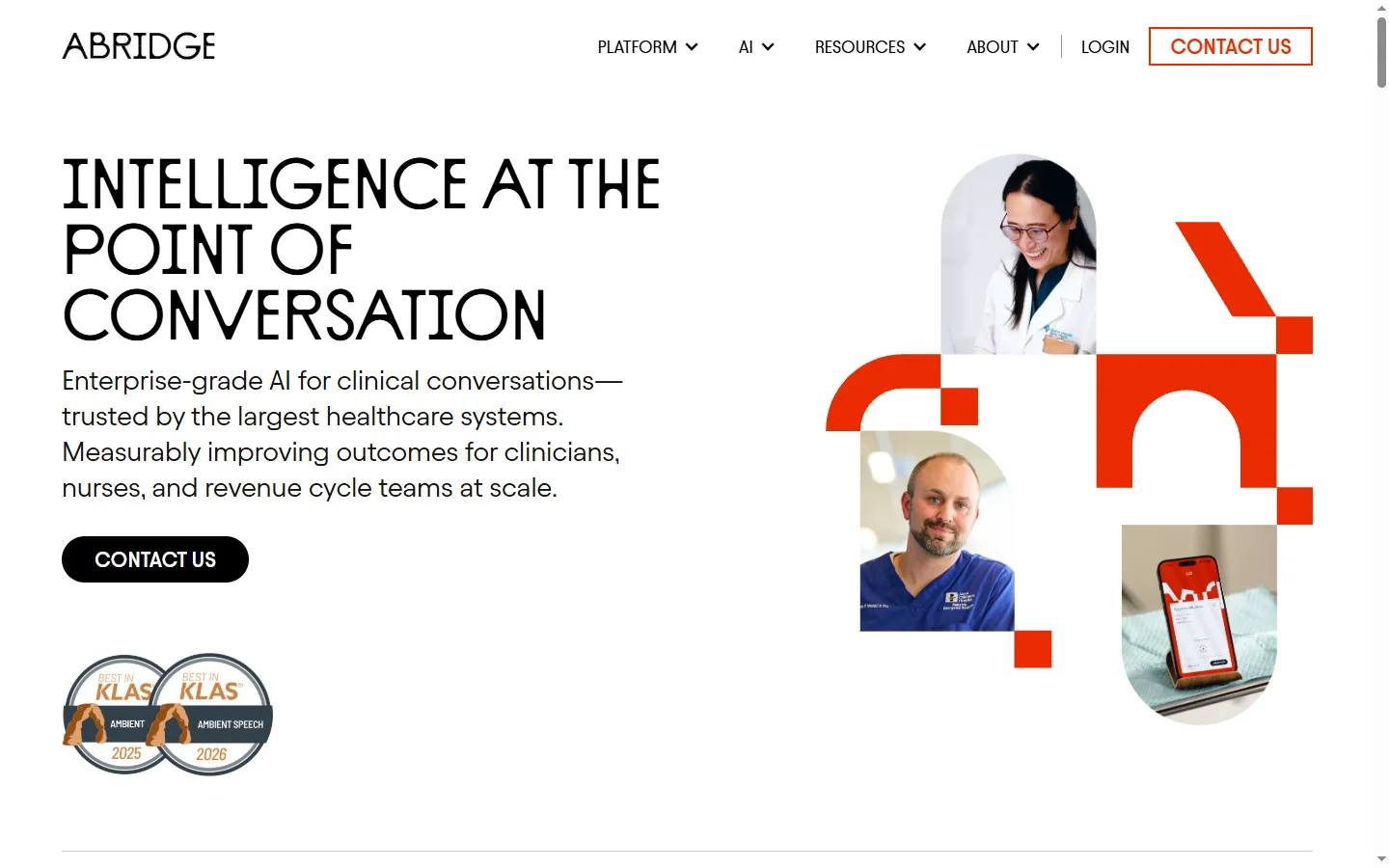
Abridge AI medical documentation platform that records and summarizes clinical conversations into structured physician notes in real time.

Air AI
Air AI conducts autonomous full-length AI phone calls for sales prospecting, appointment setting, and customer service without human agents.