
Gradient AI
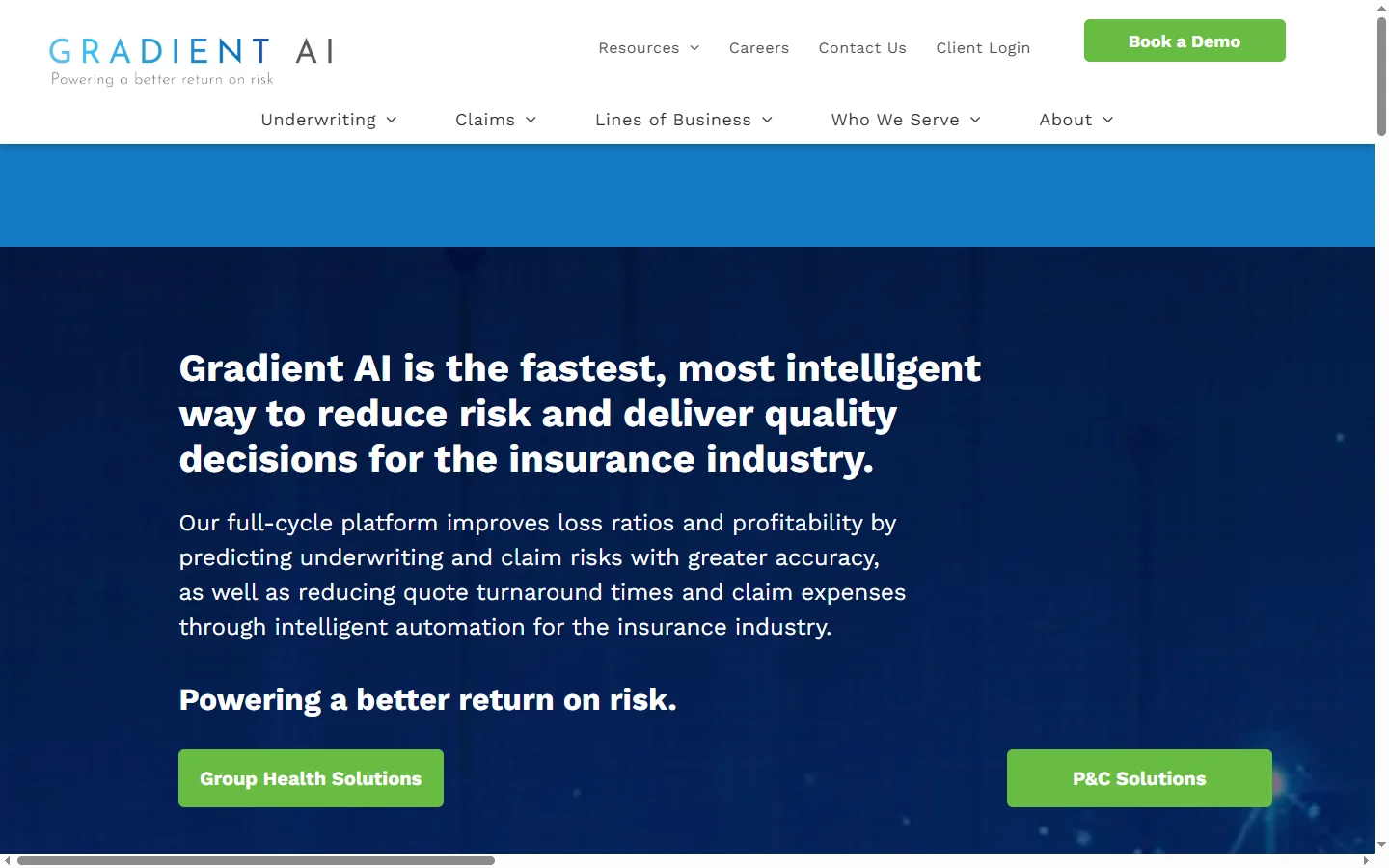
Paid ✓ VerifiedGradient AI is an enterprise AI platform for insurance underwriting, claims, and risk analytics that helps carriers price risk more accurately and reduce loss ratios.
📋 About Gradient AI
Gradient AI is an enterprise SaaS platform that applies machine learning and generative AI to underwriting, claims, and risk analytics for the insurance industry. The gradient ai platform ingests a carrier's historical data along with proprietary industry-wide datasets — covering workers' compensation, group health, property and casualty, and other lines — to produce risk scores, loss predictions, and underwriting recommendations that are significantly more accurate than traditional actuarial approaches alone. Carriers use these insights to price policies more competitively, target profitable segments, and flag high-risk claims earlier.
Built specifically for insurance carriers, MGAs, TPAs, and self-insureds, the ai underwriting platform combines structured data (claims history, medical codes, demographics) with unstructured data (adjuster notes, medical records, broker submissions) to produce risk assessments that human underwriters can trust and audit. Gradient AI's models are trained on tens of billions of dollars of premium and claims data contributed by industry partners, giving smaller carriers access to analytical depth that would otherwise require massive in-house data science investment.
Gradient AI serves commercial and specialty insurance carriers, workers' compensation specialists, group health plans, and emerging insurtechs looking to modernize without building data science teams from scratch. The platform integrates with policy administration systems, claims systems, and underwriting workbenches through APIs and connectors. For insurance executives focused on improving loss ratios, underwriting efficiency, and claim outcomes, Gradient AI is one of the most established specialized AI platforms in the sector.
⚡ Key Features of Gradient AI
AI Underwriting Risk Scoring
Gradient AI produces risk scores for new and renewal submissions using machine learning models trained on industry-wide premium and claims data. The gradient ai underwriting engine considers thousands of variables — far more than traditional manual underwriting — to predict loss expectancy with high accuracy. Underwriters receive scores alongside the key drivers behind them, so decisions remain explainable and auditable.
Claims Analytics and Severity Prediction
The platform analyzes open claims in real time to predict severity, flag potential fraud indicators, and recommend intervention actions that reduce ultimate payouts. Claims adjusters and nurse case managers use these insights to prioritize caseloads and intervene early on high-severity files. The ai claims engine is particularly effective on workers' compensation and group health claims where early intervention has outsized impact.
Industry-Wide Data Consortium
Gradient AI models are trained on contributed data from industry partners representing tens of billions of dollars in premium and claims. This gives smaller carriers access to analytical depth drawn from a dataset larger than any single carrier could build internally. Data contribution and use is governed by strict privacy and competitive separation rules so no carrier's proprietary data is exposed to competitors.
Generative AI for Submission and Document Intake
The platform uses generative AI to extract structured data from broker submissions, ACORD forms, loss runs, and medical records, eliminating hours of manual data entry per submission. Extracted data flows directly into underwriting workflows and risk models. This accelerates quote turnaround time and improves data quality feeding into pricing decisions.
Portfolio Analytics and Monitoring
Beyond individual submissions, Gradient AI provides portfolio-level dashboards that track loss ratio drivers, segment profitability, and emerging risk trends. Executives and actuaries use these views to adjust appetite, pricing, and reinsurance strategy based on signals the platform surfaces before they become visible in traditional reporting. This enables proactive portfolio management rather than reactive loss response.
API and System Integrations
Gradient AI integrates with major policy administration systems, claims systems, and underwriting workbenches through APIs and pre-built connectors. This means scores and recommendations appear directly in underwriter and adjuster workflows rather than as a separate tool. Implementation does not require carriers to replace existing systems of record.
Explainable and Auditable AI
Every risk score and recommendation comes with the key drivers that produced it, supporting internal audit, regulatory review, and underwriter trust. The ai underwriting platform is designed to meet the documentation standards expected by insurance regulators including the NAIC. This is critical in a heavily regulated industry where black-box algorithms face real compliance obstacles.
🎯 Use Cases for Gradient AI
⚖️ Gradient AI Pros & Cons
Advantages
- ✓Industry-specific models outperform general-purpose AI on insurance tasks
- ✓Consortium data gives smaller carriers enterprise-grade analytics
- ✓Explainable outputs support regulatory and audit requirements
- ✓Integrates with existing policy and claims systems
- ✓Proven loss-ratio and efficiency improvements across customers
Drawbacks
- ✗Enterprise pricing not suitable for very small carriers
- ✗Implementation requires data integration work
- ✗Workers comp and group health coverage is deeper than some other lines
- ✗Limited relevance outside the insurance industry
📖 How to Use Gradient AI
Visit gradientai.com and request a demo or speak with sales to scope a pilot for your lines of business.
Identify the use case — underwriting, claims, or portfolio analytics — where AI would drive the most measurable ROI.
Integrate your policy, claims, and submission systems with the gradient ai platform through APIs or connectors.
Contribute historical data if you are part of the consortium so models become tuned to your book.
Roll out risk scores and recommendations to underwriters and adjusters through their existing workbenches.
Monitor loss ratio, turnaround time, and decision quality metrics to measure AI-driven improvements.
❓ Gradient AI FAQ
Gradient AI is an enterprise SaaS platform that provides AI-driven underwriting, claims, and risk analytics for insurance carriers, MGAs, TPAs, and self-insureds. It helps carriers price risk more accurately and reduce loss ratios.
The platform supports workers' compensation, group health, commercial auto, general liability, property, and other commercial lines. Coverage depth varies by line, with workers' comp and group health being particularly mature.
Gradient AI models are trained on industry consortium data contributed by partner carriers, plus each customer's own historical data. The consortium represents tens of billions of dollars in premium and claims and is governed by strict privacy and competitive separation rules.
Yes. Every risk score and recommendation comes with the key drivers that produced it, supporting internal audit and regulatory review. The platform is designed to meet the documentation standards expected by insurance regulators including the NAIC.
Gradient AI is enterprise-priced with custom quotes based on lines of business, premium volume, and modules used. Pricing is negotiated during the sales process and typically structured as annual subscriptions.
Related to Gradient AI

A2E AI
A2E AI productivity platform converts audio and video recordings into transcripts, summaries, and action items with speaker identification.

Abnormal AI
Abnormal AI uses behavioral AI to detect business email compromise, account takeover, and socially engineered phishing that bypasses secure email gateways.

Abridge AI
Abridge AI medical documentation platform that records and summarizes clinical conversations into structured physician notes in real time.

Accrete AI
Accrete AI builds autonomous enterprise AI agents for defense, government, and commercial intelligence workflows.

ChatGPT
ChatGPT AI assistant by OpenAI for writing, coding, research, image analysis, and everyday problem-solving.

Claude
Claude AI assistant by Anthropic with a 200K context window, strong reasoning, and safety-focused design for writing, coding, and analysis.
Featured on WhatIf.ai
Add this badge to your website to show you're listed on WhatIf AI
Alternatives to Gradient AI
A2E AI
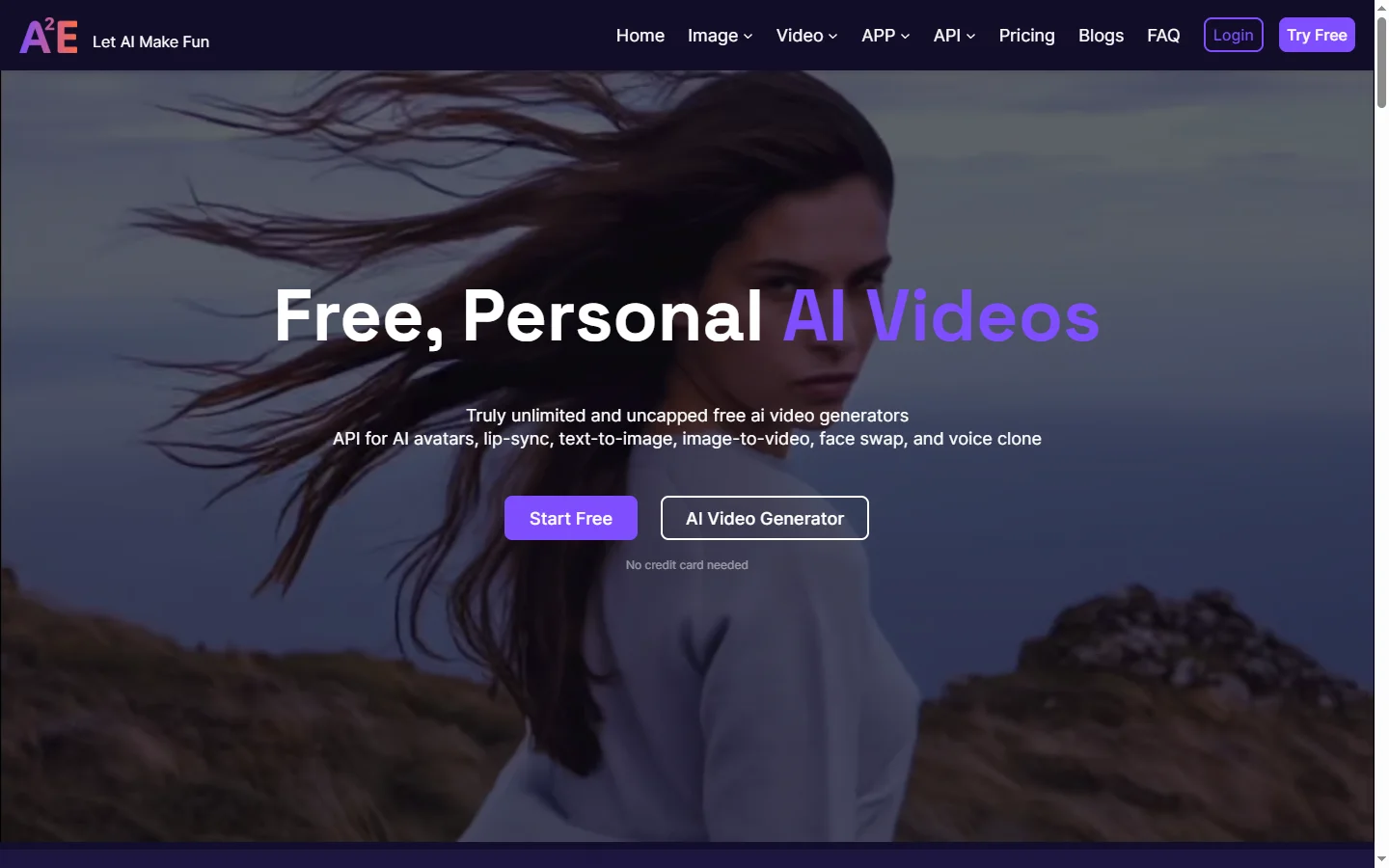
A2E AI productivity platform converts audio and video recordings into transcripts, summaries, and action items with speaker identification.
Abnormal AI
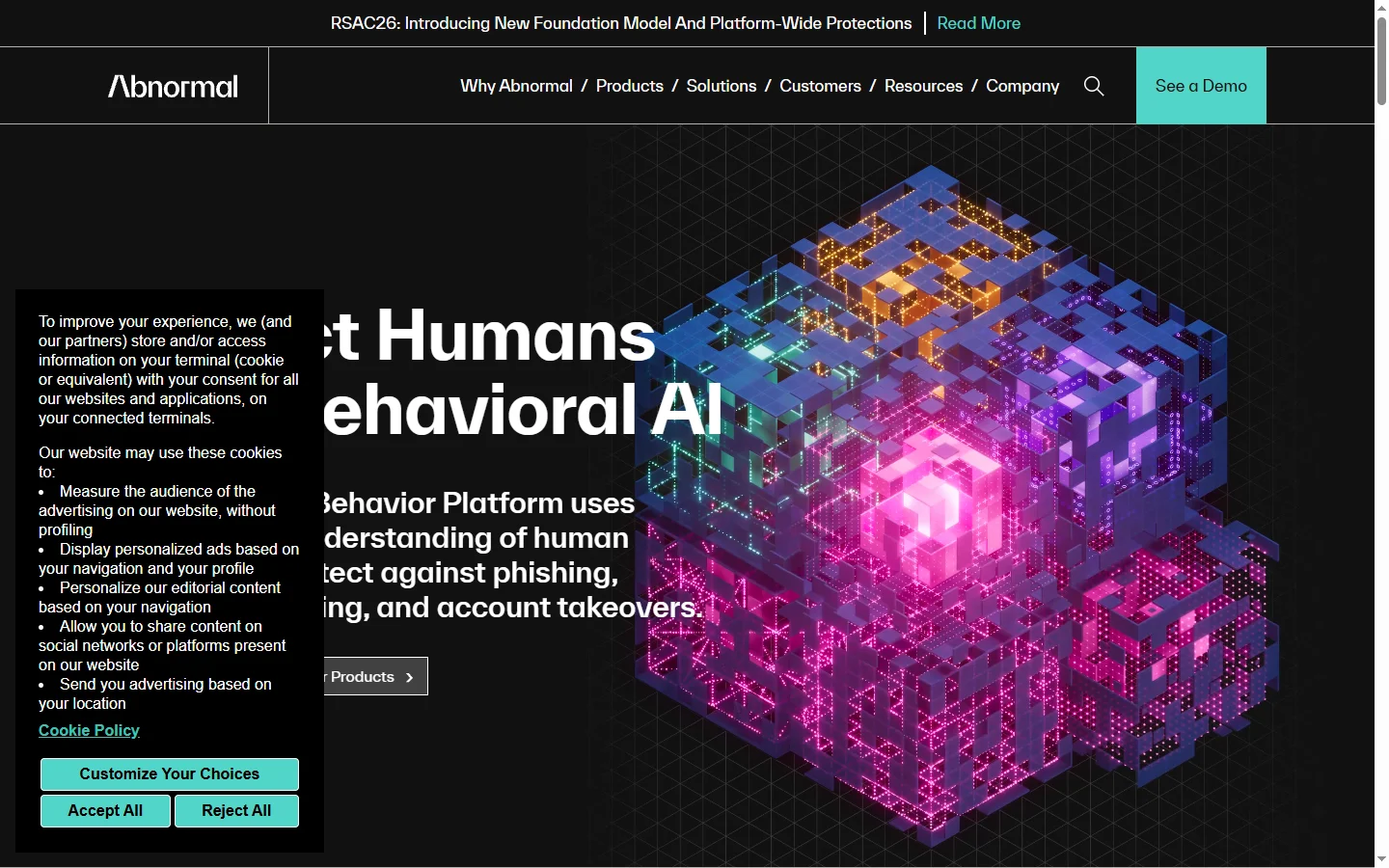
Abnormal AI uses behavioral AI to detect business email compromise, account takeover, and socially engineered phishing that bypasses secure email gateways.
Abridge AI
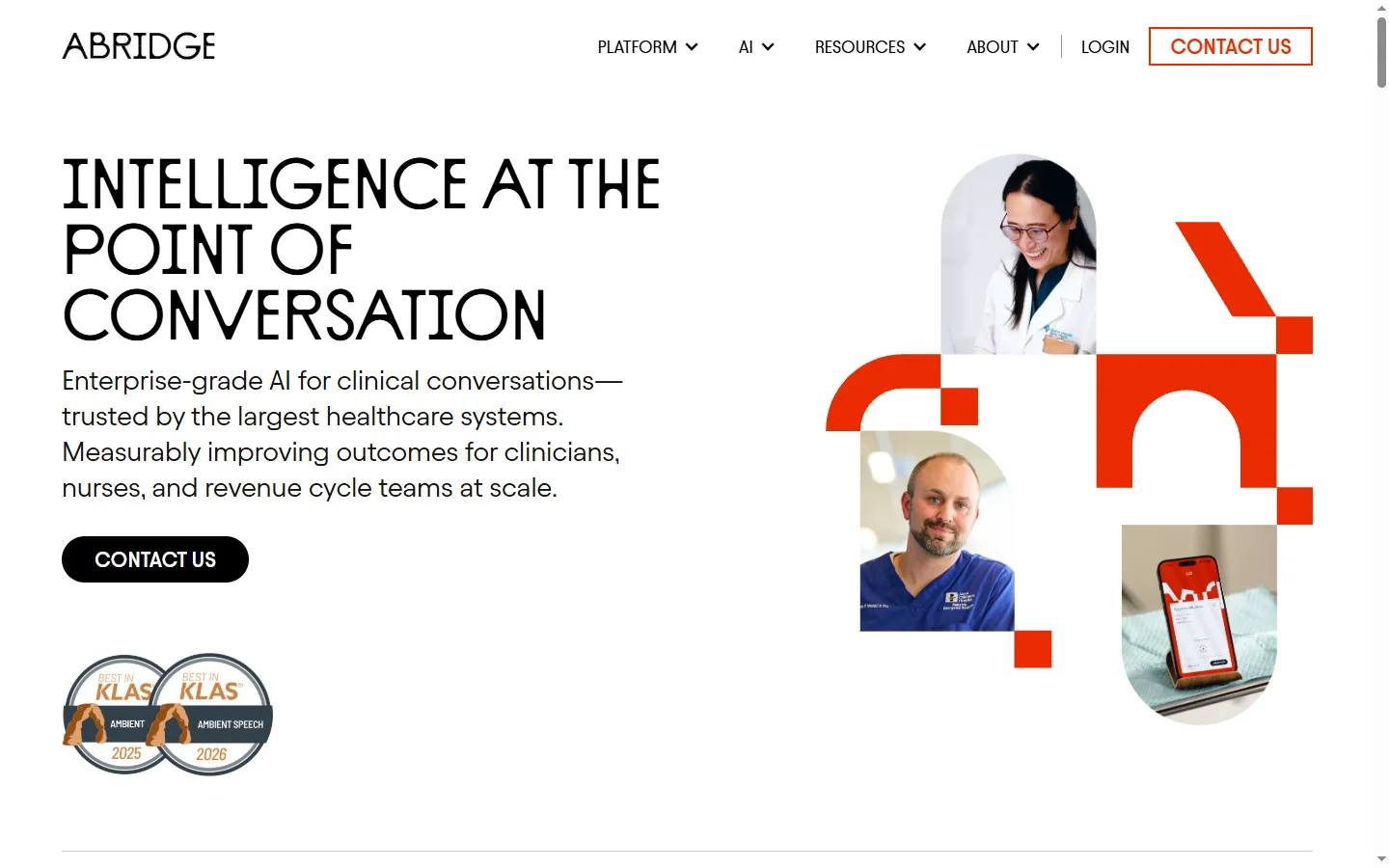
Abridge AI medical documentation platform that records and summarizes clinical conversations into structured physician notes in real time.

Air AI
Air AI conducts autonomous full-length AI phone calls for sales prospecting, appointment setting, and customer service without human agents.