Glif AI
Freemium ✓ Verified 🔥 TrendingGlif AI is a no-code platform for building, remixing, and sharing AI mini-apps combining LLMs, image models, audio, and logic blocks in visual workflows.
📋 About Glif AI
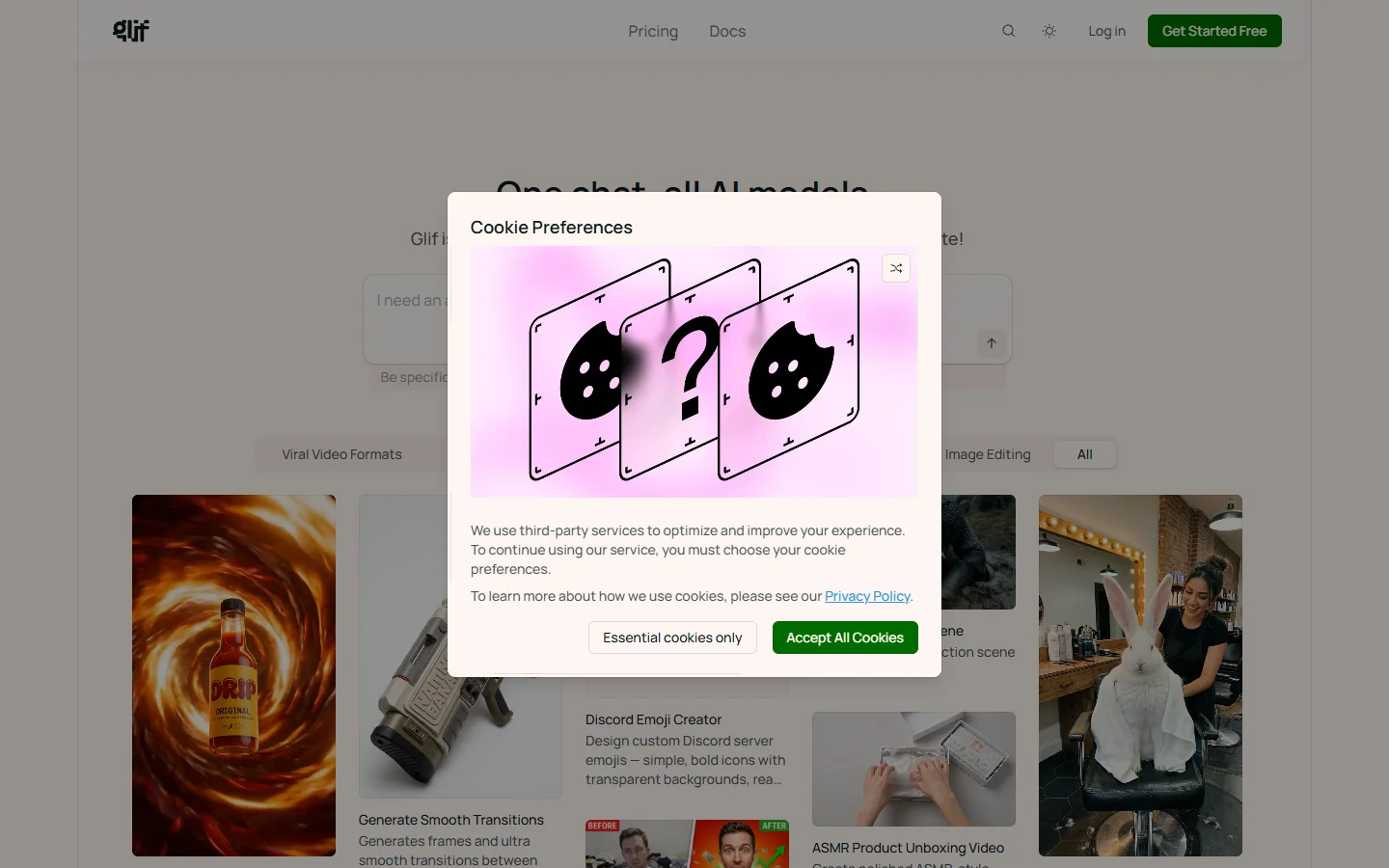
Glif AI is a no-code creative platform that lets anyone build, remix, and share interactive AI mini-apps — called glifs — by visually chaining together language models, image generators, audio models, and logic blocks. The glif ai platform sits between simple prompt editors and full-blown code-based AI workflows: users can create a multi-step AI experience, like a meme generator that combines a language model, an image model, and a format template, without writing code or managing API keys. Every glif has a shareable link and appears in a community feed where creators remix each other's work, turning it into a social layer for AI creativity.
Under the hood, glif ai provides a visual workflow editor where nodes represent model calls (text, image, audio), user inputs, logic operations, and output formatters. Users wire these together to build pipelines — a short story generator that produces accompanying cover art, a character sheet builder that outputs stat blocks and portraits, a music generator that writes lyrics and composes audio, or an interactive text adventure. Because every glif is remixable, the platform functions like GitHub or CodePen for AI prototypes: users study what works, fork popular glifs, and ship their own variants in minutes.
Glif AI is used by creators, game designers, marketers, educators, and hobbyists who want to build AI-powered tools without coding. Tabletop RPG players use it to generate characters and settings; social media creators use it to produce themed meme batches; educators use it to build interactive learning activities. The platform's appeal is the combination of power and accessibility — you can build surprisingly sophisticated AI workflows in an evening, and the shareable, remixable format makes it easy to learn from others. It has become a hub for AI creative experimentation.
⚡ Key Features of Glif AI
Visual AI Workflow Builder
Build multi-step AI applications by dragging and connecting nodes — text generators, image models, audio generators, user inputs, and logic blocks — in a visual canvas without writing code. Outputs of one node feed into the inputs of the next, enabling workflows like generate-a-story-then-illustrate-it or input-a-name-then-create-character-sheet-and-portrait. The glif ai editor shows live previews of each step so users can debug and refine interactively. Building a publishable AI mini-app typically takes 15 to 60 minutes for a creator new to the platform.
Multi-Model Access
Every glif can combine leading models across modalities — GPT-4, Claude, Llama, FLUX, Stable Diffusion, DALL-E, ElevenLabs voice, Suno music — without users needing separate API keys or accounts. Glif ai handles model access, billing, and rate limits in the background. This makes sophisticated multi-modal creations accessible to hobbyists who would not otherwise afford or set up multi-provider stacks. Switching models inside a workflow takes a single click.
Remix and Community Sharing
Every glif has a public link and appears in the community feed where other users can run it, remix it into their own version, or fork the underlying workflow to study and modify. This turns glif ai into a learning and creativity platform where people iterate on each other's ideas at high speed. Popular glifs attract hundreds of remixes that explore different models, prompts, and variations. The remix culture makes it easy for newcomers to learn by studying working examples.
Public Glif Marketplace and Trending
The glif feed highlights trending and featured glifs across categories — meme generators, character sheets, story tools, utilities — so users discover new ideas every day. Likes, comments, and remix counts surface high-quality work. Creators build followings based on consistently interesting glifs, forming a community around AI creativity. This social layer differentiates glif ai from workflow builders that feel purely utilitarian.
Embeddable and API-Accessible Glifs
Any glif can be embedded on external sites, shared via Discord bots, or accessed programmatically through the glif ai API. Developers use it as a quick way to prototype AI features for their own apps without building every pipeline from scratch. This makes glifs portable beyond the glif platform itself. Community bots on Discord servers heavily use this capability to provide shared AI tools.
Creator Monetization
Popular glif creators can earn through platform programs that reward widely-used glifs, giving creators an incentive to build and share quality work. The economics are structured like early YouTube — small rewards for most, meaningful income for standouts — which has helped grow the community. This monetization layer differentiates glif ai from free-forever tool builders and attracts serious creators. Details of the program evolve as the platform grows.
Templates and Starter Glifs
A growing library of starter templates — meme generators, writing tools, image editors, RPG helpers — let new users get a functional glif running in minutes. Templates double as learning material, since users can fork and inspect the underlying workflow. This lowers the barrier to entry for users new to AI workflows. Templates update frequently as new model capabilities land on the platform.
🎯 Use Cases for Glif AI
⚖️ Glif AI Pros & Cons
Advantages
- ✓Combines text, image, and audio models without coding
- ✓Thriving remix community for inspiration and learning
- ✓Free tier generous enough for experimentation
- ✓Public glifs are embeddable and API-accessible
- ✓Creator monetization rewards popular work
Drawbacks
- ✗Complex workflows hit model rate limits on free plans
- ✗Not suited for production-grade, high-SLA applications
- ✗Model selection locked to what glif ai has integrated
- ✗Public-by-default model may not suit private workflows
📖 How to Use Glif AI
Sign up at glif.app and browse the community feed to see example glifs and popular templates.
Click remix on a glif you like to open it in the visual editor and study how the workflow is built.
Create a new glif, add text, image, audio, or logic nodes from the sidebar, and connect them to build your workflow.
Test each node individually and iterate on prompts and model choices until the glif ai workflow produces what you want.
Publish your glif with a title, description, and public or private visibility setting.
Share the link to your glif or embed it on external sites for users to run and remix.
❓ Glif AI FAQ
Glif ai is a no-code platform for building, remixing, and sharing AI mini-apps — called glifs — by visually combining language models, image generators, audio models, and logic blocks without writing code.
Yes. Glif offers a free tier with generous usage for experimentation. Paid plans unlock more generations, premium models, and private glifs for users who need higher volume or privacy.
The platform includes access to GPT-4, Claude, Llama, FLUX, Stable Diffusion, DALL-E, ElevenLabs voice, Suno music, and many other models without requiring separate accounts or API keys.
Yes. Glif ai runs creator reward programs that compensate users whose glifs attract significant usage. Details and rewards evolve as the platform and economics mature.
By default, glifs are public and remixable to fuel the community. Paid tiers let users keep glifs private for personal or commercial use where sharing is not desired.
Related to Glif AI

A2E AI
A2E AI productivity platform converts audio and video recordings into transcripts, summaries, and action items with speaker identification.

Abnormal AI
Abnormal AI uses behavioral AI to detect business email compromise, account takeover, and socially engineered phishing that bypasses secure email gateways.
Abridge AI
Abridge AI medical documentation platform that records and summarizes clinical conversations into structured physician notes in real time.

Accrete AI
Accrete AI builds autonomous enterprise AI agents for defense, government, and commercial intelligence workflows.
Featured on WhatIf.ai
Add this badge to your website to show you're listed on WhatIf AI
Alternatives to Glif AI
A2E AI
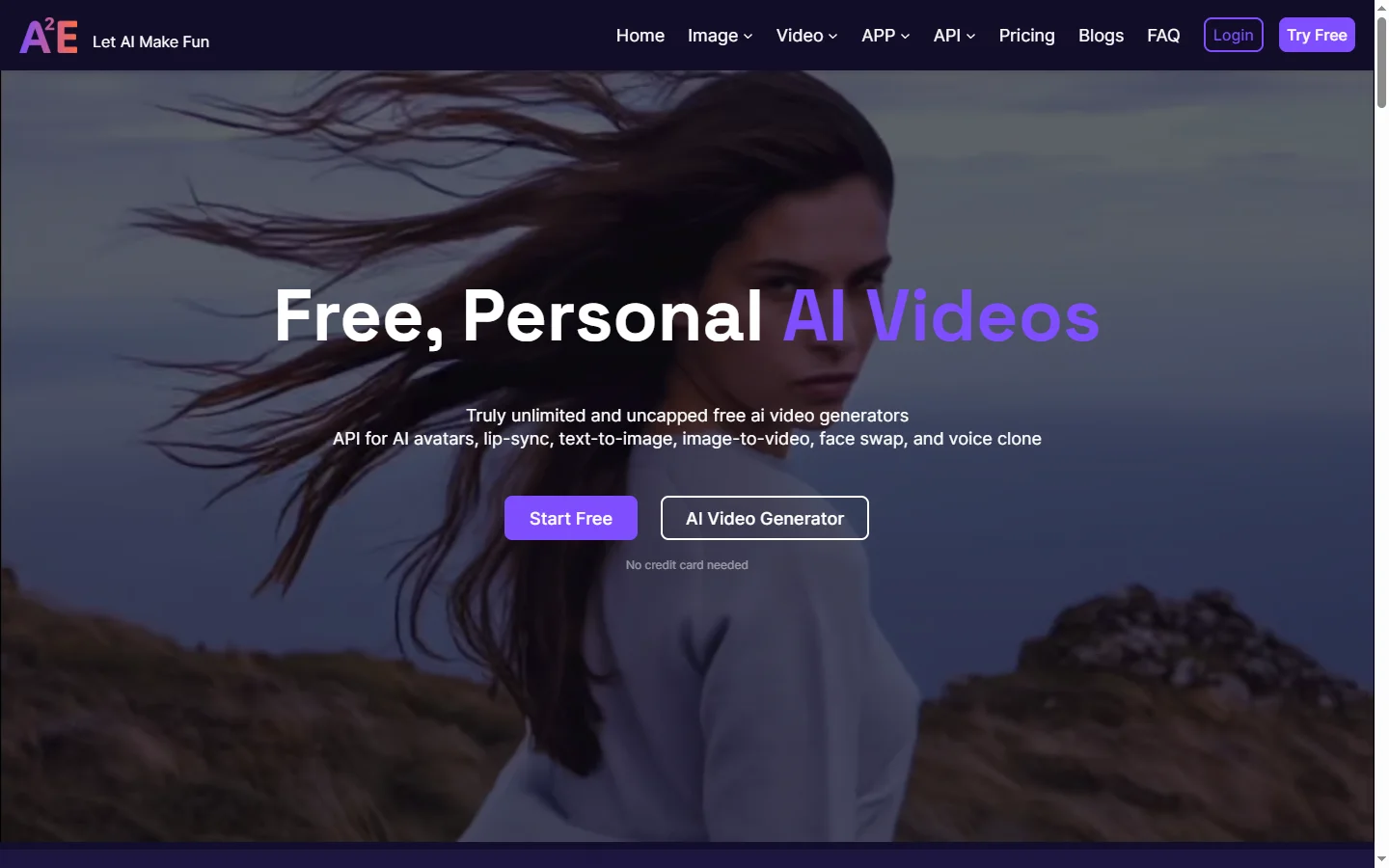
A2E AI productivity platform converts audio and video recordings into transcripts, summaries, and action items with speaker identification.

Abnormal AI
Abnormal AI uses behavioral AI to detect business email compromise, account takeover, and socially engineered phishing that bypasses secure email gateways.
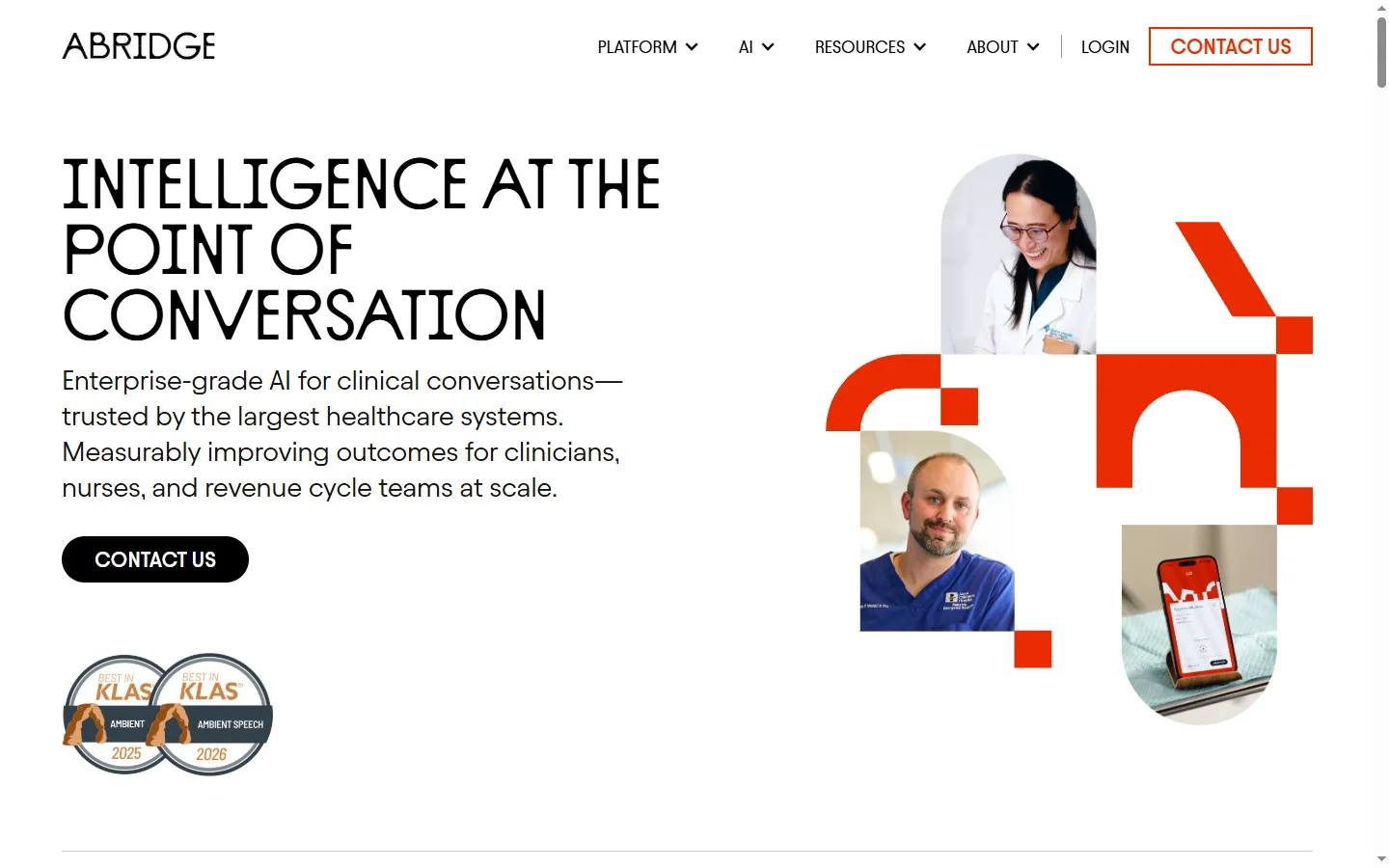
Abridge AI
Abridge AI medical documentation platform that records and summarizes clinical conversations into structured physician notes in real time.

Air AI
Air AI conducts autonomous full-length AI phone calls for sales prospecting, appointment setting, and customer service without human agents.