
Forethought AI
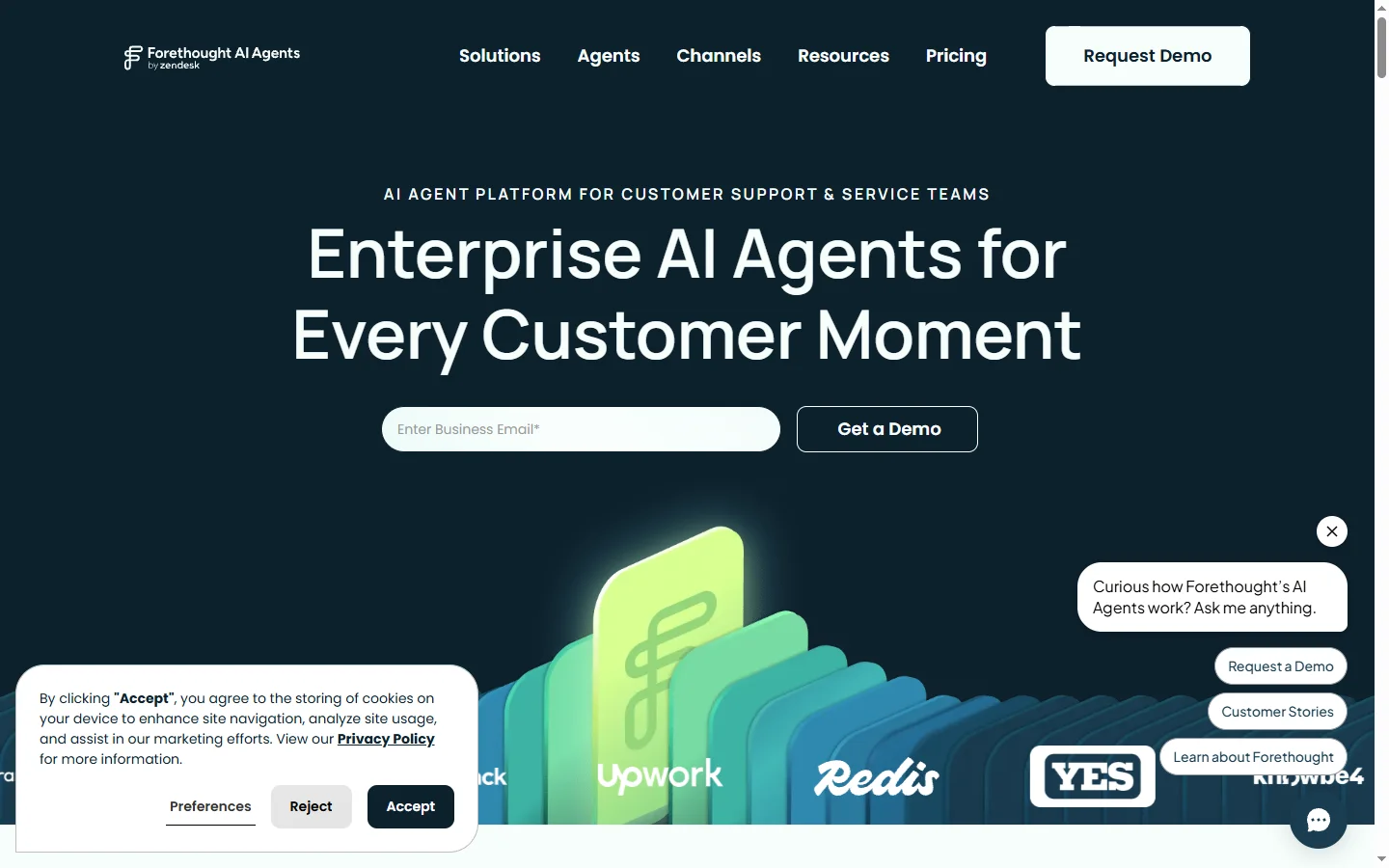
Paid ✓ VerifiedForethought AI is a generative customer support platform that automates tickets, assists agents, and analyzes conversations to improve CX.
📋 About Forethought AI
Forethought AI is a generative customer support platform that combines autonomous ticket resolution, agent assistance, and support analytics in one system built specifically for modern customer experience teams. Its core product, SupportGPT, connects to Zendesk, Salesforce Service Cloud, Intercom, and other help desks to ingest historical tickets and knowledge articles, then trains a large language model on that content to answer new inquiries autonomously or to draft responses for human agents. Unlike generic chatbot builders, Forethought's models are grounded in each company's actual conversation data, which produces answers that sound like the existing support team rather than a generic AI.
The platform ships with four main modules: Solve for autonomous deflection of common tickets, Assist for real-time agent suggestions inside the help desk, Discover for analytics that surface emerging issues and automation opportunities, and Triage for intent detection and routing. Forethought also offers prebuilt connectors to the major CRM and help desk systems, along with a workflow builder that lets support ops teams configure escalation logic without engineering involvement. Large B2C and SaaS companies — including Instacart, Upwork, and Diligent — use Forethought to deflect a meaningful share of incoming tickets and reduce average handle time on the ones that escalate.
Forethought targets mid-market and enterprise customer support organizations, typically with at least several thousand monthly tickets where automation provides clear ROI. The platform is SOC 2 Type II certified and supports GDPR and HIPAA requirements, making it suitable for healthcare, financial services, and other regulated industries. Compared to older contact center AI tools, Forethought positions itself as generative-AI-native, with faster time-to-value and less conversation-design overhead than rule-based chatbot platforms.
⚡ Key Features of Forethought AI
SupportGPT Autonomous Ticket Resolution
SupportGPT automatically resolves incoming support tickets by generating grounded responses from the company's historical conversations and knowledge base. Unlike generic chatbots that require manual intent mapping, SupportGPT learns directly from the ticket archive, so it handles the full diversity of how customers actually phrase questions. Tickets it cannot confidently resolve are escalated to human agents with a draft response and the relevant source articles attached.
Agent Assist Inside the Help Desk
Forethought Assist surfaces suggested responses, relevant knowledge articles, and next-best actions directly inside Zendesk, Salesforce, and Intercom agent consoles. Agents can accept, edit, or discard suggestions with a click, which reduces response drafting time significantly on high-volume tickets. The same ground-truth model that powers SupportGPT drives Assist, so suggestions reflect company voice and policy rather than generic language.
Intent Detection and Routing
Forethought Triage automatically classifies incoming tickets by intent, sentiment, and priority, then routes them to the correct queue or agent group without manual rules. This is particularly valuable for large support organizations where traditional keyword-based routing produces frequent misassignments and bounces. Triage can also auto-fill ticket fields like category, product, and language, reducing the admin overhead on every inbound contact.
Discover Analytics
Discover surfaces emerging themes, spike anomalies, and automation opportunities across the full ticket corpus without requiring manual tagging. Support ops leaders use it to identify product issues before they blow up, to see which topics would benefit most from new automation, and to quantify the impact of documentation changes. This turns unstructured support data into prioritized action items.
Prebuilt Help Desk Integrations
Forethought ships with deep connectors for Zendesk, Salesforce Service Cloud, Intercom, Freshdesk, and several other platforms, so deployment does not require building data pipelines from scratch. Historical tickets, knowledge articles, custom fields, and agent skills sync bidirectionally, which makes the AI feel native to the help desk rather than bolted on. This integration depth is a major reason customers choose Forethought over general-purpose chatbot platforms.
Enterprise Security and Compliance
Forethought is SOC 2 Type II certified, supports GDPR data residency requirements, and offers HIPAA BAA coverage on qualifying plans. PII detection and redaction inside the AI pipeline ensures sensitive customer data is handled appropriately, which is essential for healthcare and financial services deployments. The platform also supports enterprise SSO, role-based access control, and full audit logging.
🎯 Use Cases for Forethought AI
⚖️ Forethought AI Pros & Cons
Advantages
- ✓Grounded generative model trained on each company's own ticket data
- ✓Deep native integrations with Zendesk, Salesforce, and Intercom
- ✓SOC 2 Type II, GDPR, and HIPAA support for regulated industries
- ✓Combines autonomous resolution, agent assist, routing, and analytics
- ✓Faster to deploy than traditional rule-based chatbot platforms
Drawbacks
- ✗Enterprise-focused pricing is not publicly listed
- ✗Minimum ticket volume typically required for ROI
- ✗Setup and tuning benefit from dedicated support ops resources
- ✗Less turnkey than plug-and-play chatbots for very small teams
📖 How to Use Forethought AI
Visit forethought.ai and request a demo by filling out the contact form with ticket volume and help desk system.
Work with a Forethought solution consultant to scope which modules — Solve, Assist, Triage, or Discover — match your priorities.
Connect Forethought to your Zendesk, Salesforce, or Intercom instance via the native integration to sync historical tickets and articles.
Allow SupportGPT to train on your historical conversations for a few days, then review generated responses in staging before going live.
Roll out autonomous resolution first on a narrow set of high-volume, low-risk intents, then expand coverage as confidence grows.
Use Discover analytics to monitor deflection rate, CSAT impact, and emerging automation opportunities over time.
❓ Forethought AI FAQ
SupportGPT is Forethought's support-specific large language model that is fine-tuned and grounded on each customer's own ticket data and knowledge base. Unlike ChatGPT, it produces answers that reflect the company's policies and voice rather than generic knowledge, and it is embedded directly into the help desk workflow.
Forethought has deep native integrations with Zendesk, Salesforce Service Cloud, Intercom, and Freshdesk, plus additional connectors for other platforms. Integration covers ticket sync, knowledge articles, custom fields, agent skills, and routing.
Forethought is generally a fit for organizations handling at least several thousand support interactions per month. Below that threshold, the investment in platform fees and tuning may not pay back against the deflection savings.
Yes. Forethought is SOC 2 Type II certified, supports GDPR data residency requirements, and offers HIPAA BAA coverage on qualifying plans. Built-in PII detection and redaction are designed for healthcare, fintech, and other regulated deployments.
Forethought automates common, well-documented inquiries so human agents can focus on complex, high-value, or high-empathy conversations. It is designed to augment rather than replace support teams, and typically reduces ticket volume on routine topics rather than eliminating agent roles.
Related to Forethought AI

A2E AI
A2E AI productivity platform converts audio and video recordings into transcripts, summaries, and action items with speaker identification.

Abby AI
Abby AI is an AI therapy and mental wellness chatbot that offers CBT-informed conversations, mood tracking, and self-guided coping tools.

Abnormal AI
Abnormal AI uses behavioral AI to detect business email compromise, account takeover, and socially engineered phishing that bypasses secure email gateways.

Abridge AI
Abridge AI medical documentation platform that records and summarizes clinical conversations into structured physician notes in real time.

Electric AI
Electric AI is an AI-powered IT platform that automates help desk tickets, device management, and onboarding for small and mid-sized businesses.

Enlighten AI
Enlighten AI by NICE is an enterprise conversational AI platform that analyzes customer interactions to surface insights, automate agents, and improve CX.
Featured on WhatIf.ai
Add this badge to your website to show you're listed on WhatIf AI
Alternatives to Forethought AI
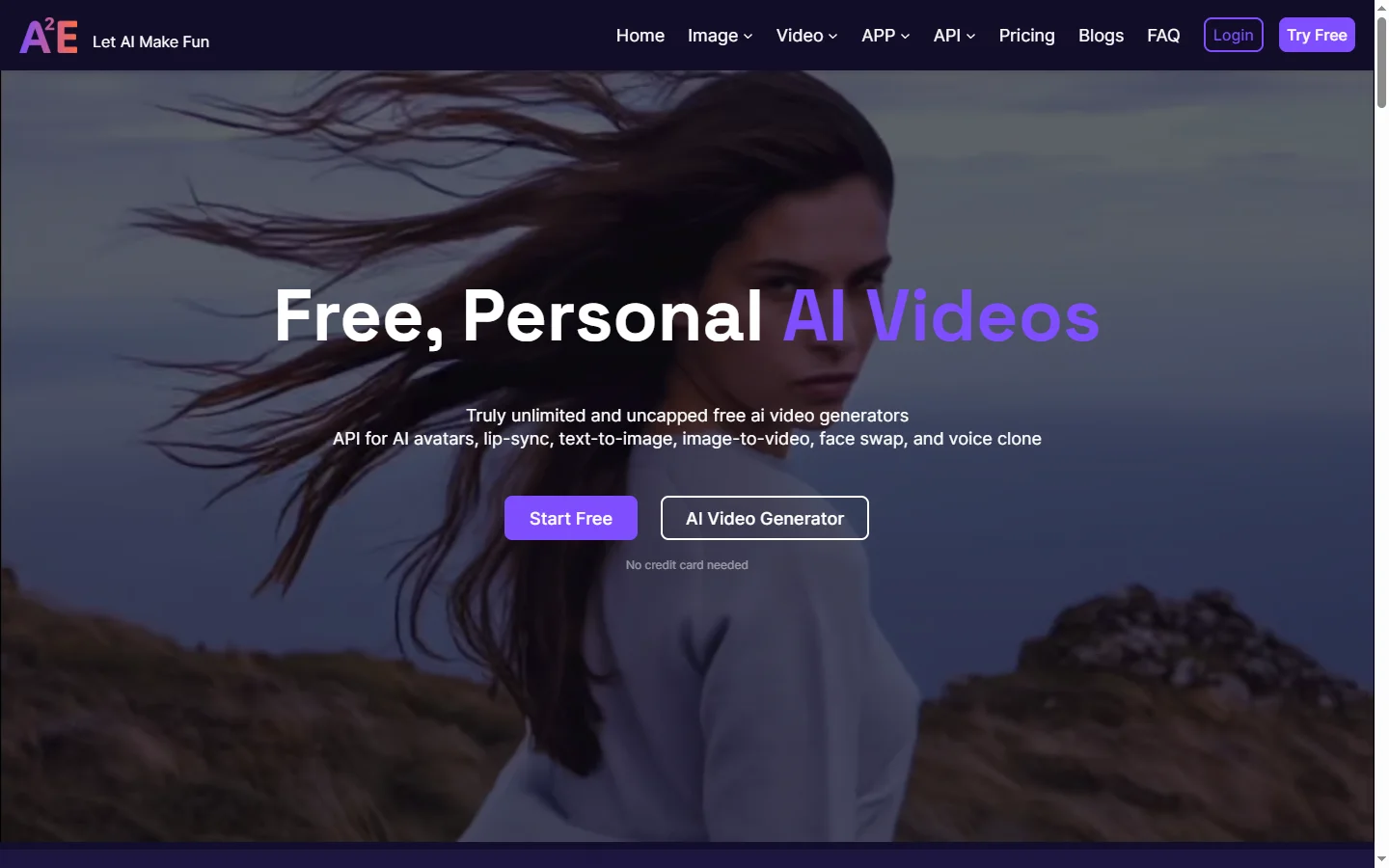
A2E AI
A2E AI productivity platform converts audio and video recordings into transcripts, summaries, and action items with speaker identification.
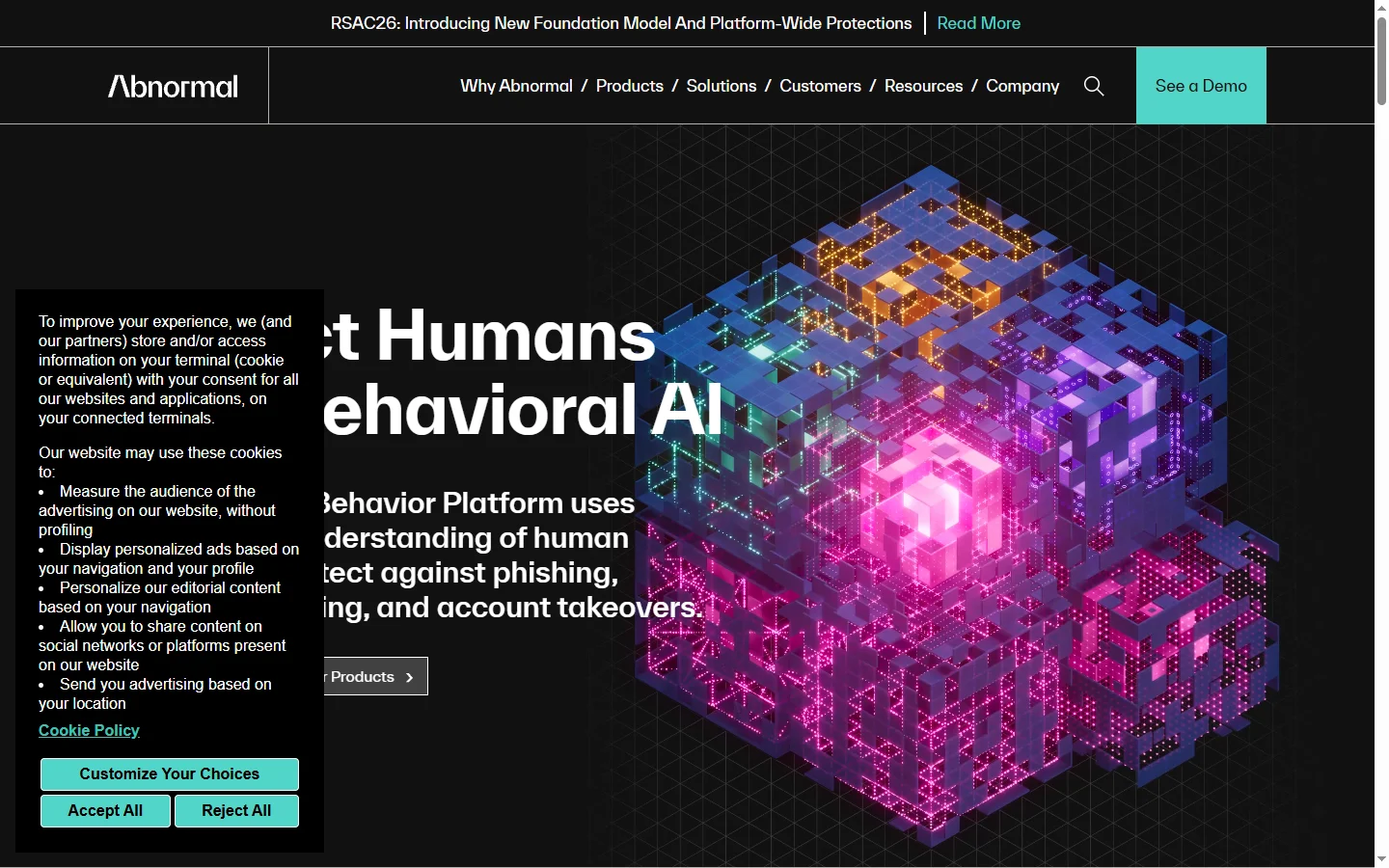
Abnormal AI
Abnormal AI uses behavioral AI to detect business email compromise, account takeover, and socially engineered phishing that bypasses secure email gateways.
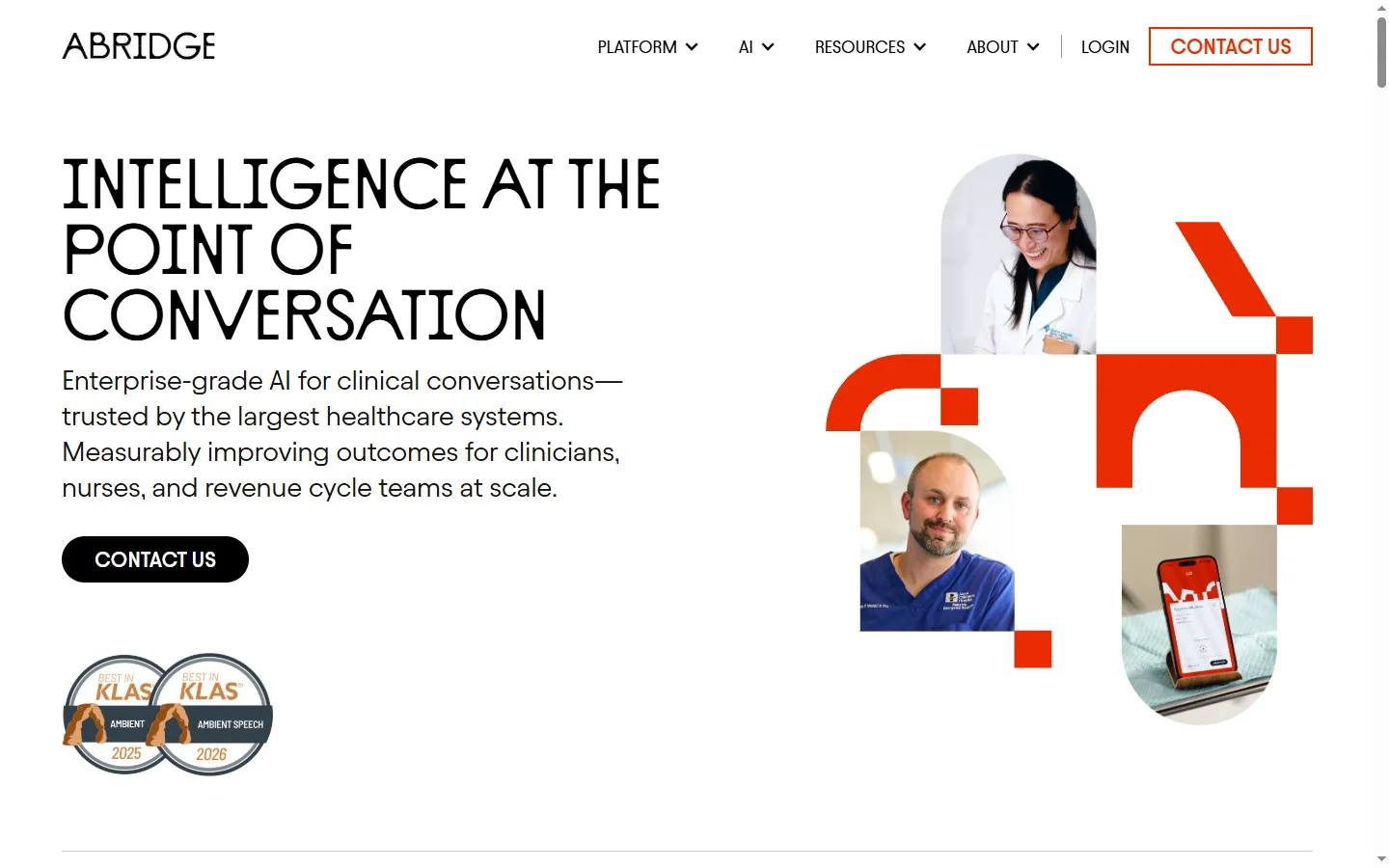
Abridge AI
Abridge AI medical documentation platform that records and summarizes clinical conversations into structured physician notes in real time.

Air AI
Air AI conducts autonomous full-length AI phone calls for sales prospecting, appointment setting, and customer service without human agents.