
Eve Legal AI
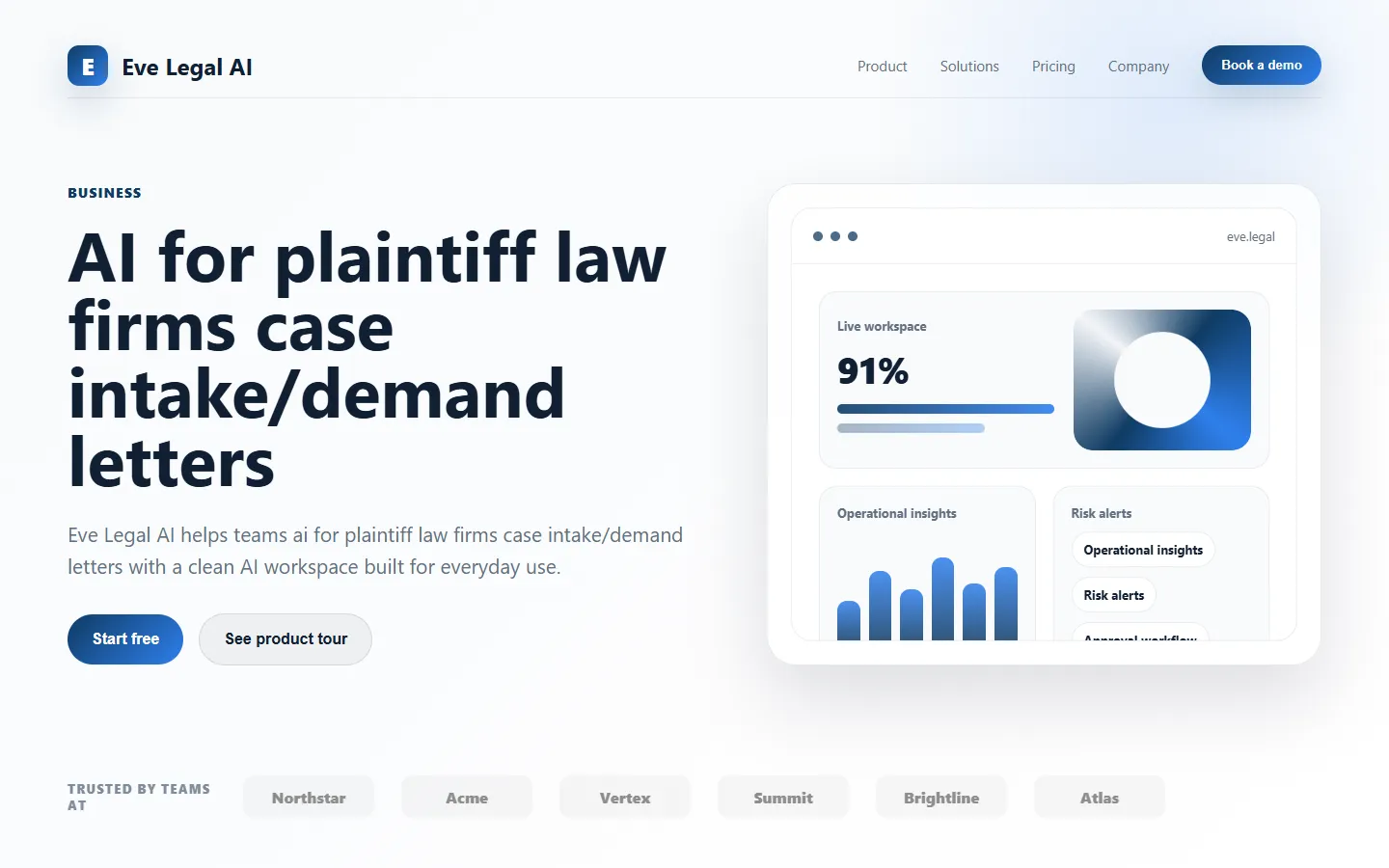
Paid ✓ Verified 🔥 TrendingEve Legal AI is an AI platform for plaintiff law firms that automates case intake, medical record review, demand letters, and litigation document drafting.
📋 About Eve Legal AI
Eve Legal AI is a specialized AI platform built for plaintiff law firms handling personal injury, mass tort, employment, and civil rights cases. The platform automates the document-heavy workflows that traditionally consume junior attorney and paralegal time — case intake summarization, medical record review, demand letter drafting, deposition preparation, and discovery response — so firms can take on more cases without proportional staffing growth.
Unlike general-purpose legal AI, Eve is trained on the specific rhythms of plaintiff-side litigation, including the narrative structures of demand letters, the medical chronology format used in personal injury cases, and the plaintiff discovery response style that contrasts with defense practice. The system integrates with case management platforms like Filevine, Litify, CASEpeer, and SmartAdvocate, pulling case records and writing generated documents back into the firm's system of record.
Eve Legal AI serves contingency-fee plaintiff firms that handle high-volume case portfolios and where every hour of attorney time saved translates to improved economics. Typical customers report that Eve cuts demand letter preparation from 4-6 hours to under 1 hour and collapses medical chronology review into a fraction of the original time. The platform is SOC 2 compliant and operates under privilege-protected workflows with detailed audit logging.
⚡ Key Features of Eve Legal AI
Automated Demand Letter Drafting
Eve Legal AI generates first-draft demand letters that weave medical treatment narratives, lost wage calculations, liability arguments, and damages totals into a single polished document. The output respects firm templates, state-specific legal standards, and individual attorney style preferences. Drafts are editable like any Word document and typically require 30 minutes of attorney refinement rather than hours of drafting from scratch.
Medical Record Chronology
The system ingests thousands of pages of medical records and produces structured chronologies with treatment dates, providers, diagnoses, billing amounts, and key narrative excerpts. This is the single largest time sink in personal injury case preparation, and Eve typically handles it in minutes. Attorneys review and verify rather than build from scratch.
Case Intake Summaries
Eve processes client intake forms, call transcripts, and initial document uploads to produce a structured case summary highlighting liability theory, injuries, insurance coverage, and damages. Attorneys use this for rapid case valuation and intake committee reviews. The summary format is configurable per firm practice area.
Deposition Preparation
Given case documents and prior deposition transcripts, Eve drafts outlines for upcoming depositions including key questions, impeachment material, and exhibits to mark. The tool is particularly useful for preparing for medical expert and defendant depositions where cross-referencing multiple document sources is essential. Outlines are exportable to standard deposition prep formats.
Discovery Response Drafting
Eve drafts responses to interrogatories, requests for production, and requests for admission using case facts and firm-preferred objections. Attorneys verify privilege calls and finalize responses, but the drafting legwork is automated. Consistent formatting reduces errors that invite motion practice.
Case Management Integrations
Two-way integrations with Filevine, Litify, CASEpeer, SmartAdvocate, and other plaintiff case management systems keep generated documents inside the firm's system of record. No copy-paste between tools means fewer errors and better audit trails. Integration setup is handled by Eve's implementation team.
Privilege and Compliance Controls
All processing happens in SOC 2 compliant infrastructure with privilege-protected workflows, client-matter isolation, and detailed audit logs that support bar ethics requirements. Retention policies are configurable per firm and per matter. BAAs and other compliance agreements are standard.
🎯 Use Cases for Eve Legal AI
⚖️ Eve Legal AI Pros & Cons
Advantages
- ✓Purpose-built for plaintiff-side litigation workflows
- ✓Strong integrations with plaintiff case management systems
- ✓Massive time savings on demand letters and medical chronologies
- ✓Privilege and compliance controls designed for law firm use
- ✓Flexible firm-specific templates and style preferences
Drawbacks
- ✗Pricing unsuitable for occasional-use small firms
- ✗Currently US-focused — limited international support
- ✗Generated drafts require attorney verification before use
- ✗Defense-side workflows not a primary focus
📖 How to Use Eve Legal AI
Request a demo at eve.legal and discuss your practice area and case volume.
Work with Eve's implementation team to integrate with your case management system.
Train the system on your firm's demand letter templates, preferred citations, and style guidelines.
Run a few test cases through the platform to calibrate tone and content.
Roll out to attorneys and paralegals with training on review workflows.
Monitor time savings and case throughput improvements in the Eve dashboard.
❓ Eve Legal AI FAQ
Yes. Eve is SOC 2 compliant, uses client-matter isolation, signs BAAs and other required agreements, and provides detailed audit logs. Firm data is not used to train general models.
Eve integrates with Filevine, Litify, CASEpeer, SmartAdvocate, and other leading plaintiff case management systems. Custom integrations are available.
No. Eve drafts and summarizes documents that attorneys still review, refine, and approve. The goal is to eliminate routine drafting time so attorneys can focus on strategy, negotiation, and client relationships.
Eve is currently focused on US plaintiff practice. International support for common law jurisdictions is on the roadmap.
Eve uses enterprise pricing based on firm size, user count, and use cases. Contact their sales team for a custom quote.
Related to Eve Legal AI

A2E AI
A2E AI productivity platform converts audio and video recordings into transcripts, summaries, and action items with speaker identification.

Abnormal AI
Abnormal AI uses behavioral AI to detect business email compromise, account takeover, and socially engineered phishing that bypasses secure email gateways.

Abridge AI
Abridge AI medical documentation platform that records and summarizes clinical conversations into structured physician notes in real time.

Accrete AI
Accrete AI builds autonomous enterprise AI agents for defense, government, and commercial intelligence workflows.

Harvey AI
Harvey AI is the leading enterprise legal AI platform for elite law firms, automating legal research, contract analysis, and drafting at scale.
Featured on WhatIf.ai
Add this badge to your website to show you're listed on WhatIf AI
Alternatives to Eve Legal AI
A2E AI
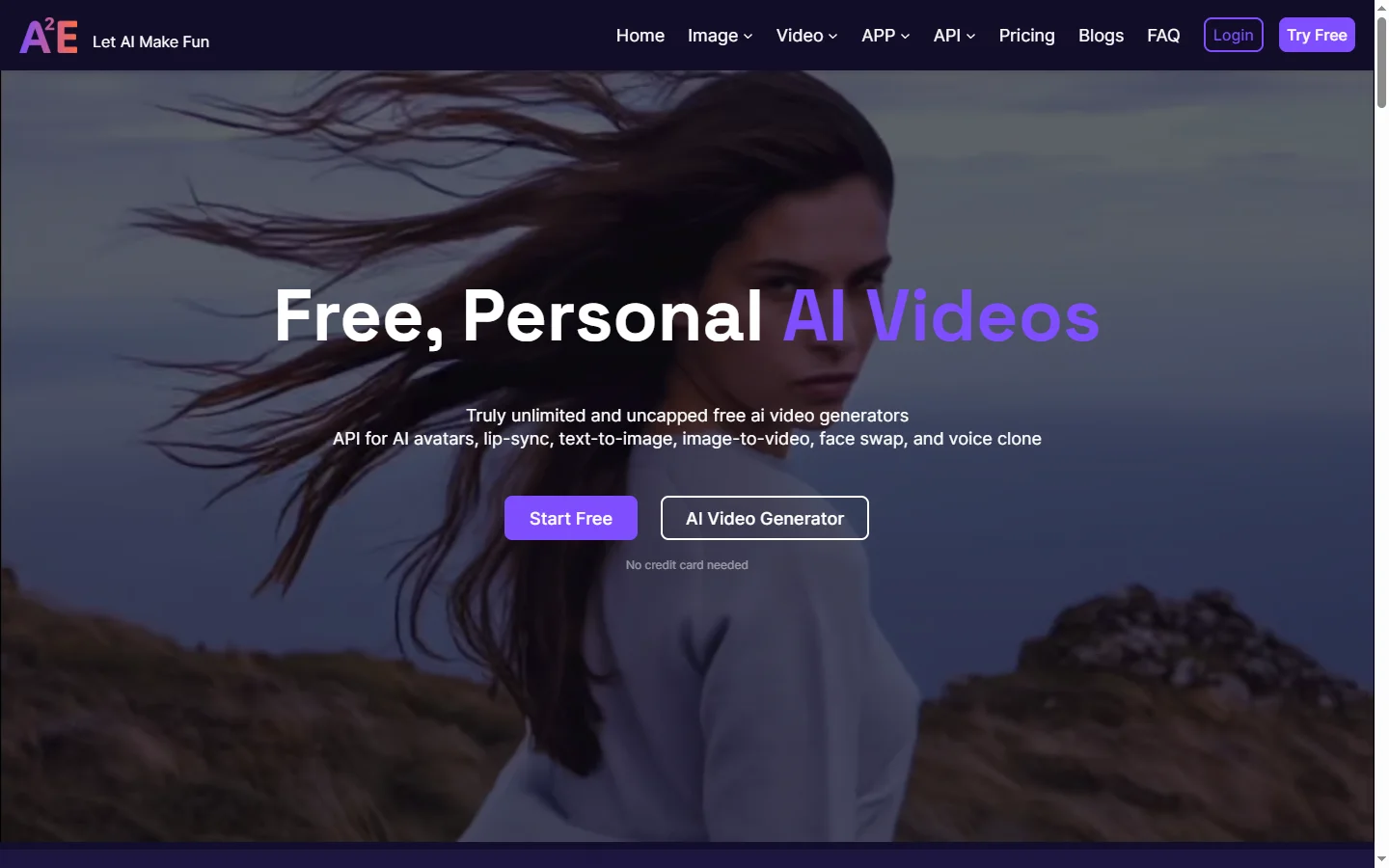
A2E AI productivity platform converts audio and video recordings into transcripts, summaries, and action items with speaker identification.

Abnormal AI
Abnormal AI uses behavioral AI to detect business email compromise, account takeover, and socially engineered phishing that bypasses secure email gateways.
Abridge AI
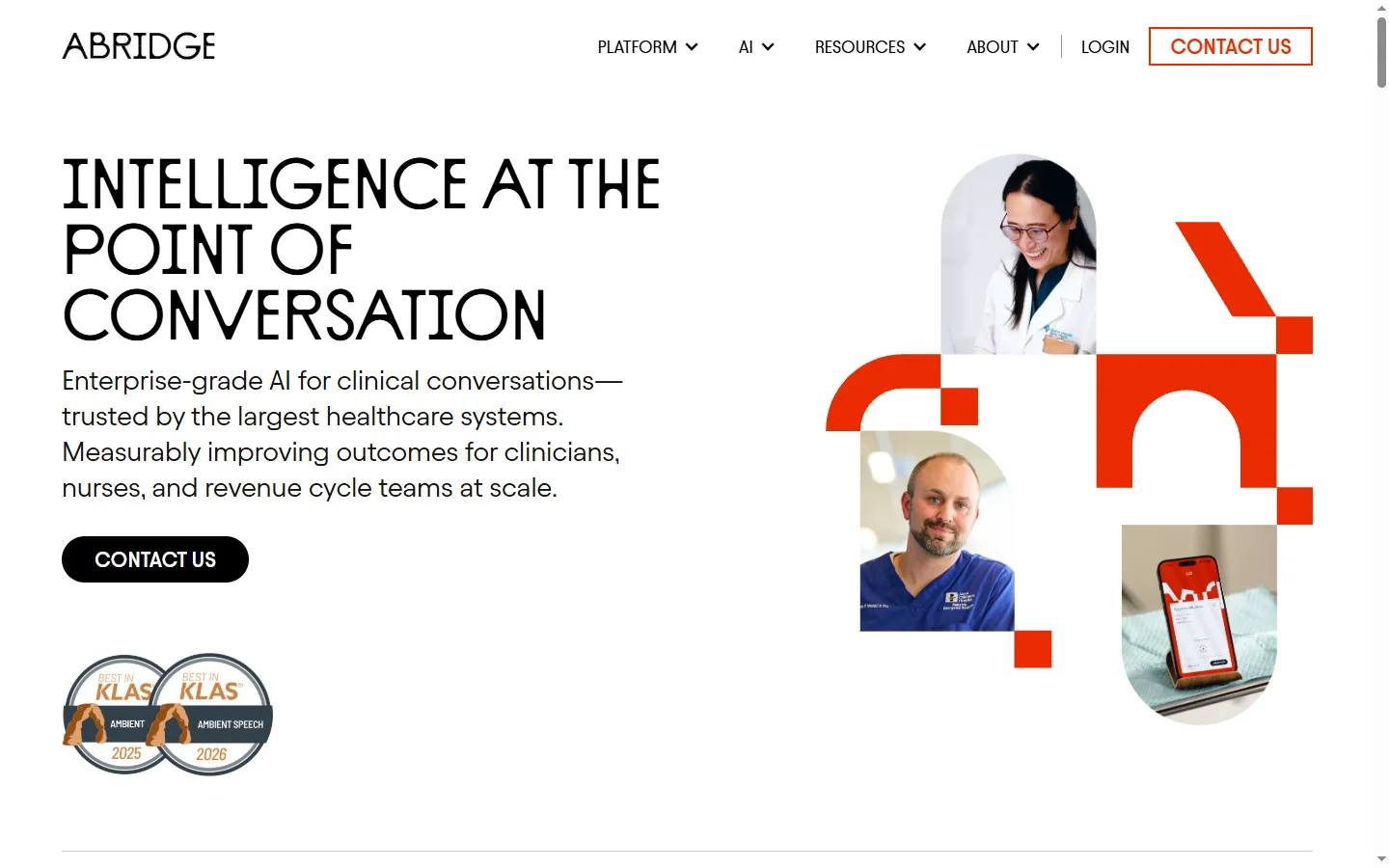
Abridge AI medical documentation platform that records and summarizes clinical conversations into structured physician notes in real time.

Air AI
Air AI conducts autonomous full-length AI phone calls for sales prospecting, appointment setting, and customer service without human agents.