
Basilisk AI
Freemium ✓ VerifiedBasilisk AI is an AI-powered data extraction platform that turns unstructured websites and documents into clean, structured datasets at scale.

📋 About Basilisk AI
Basilisk AI is an AI-driven data extraction and web scraping platform that converts unstructured web pages, PDFs, and documents into clean, structured datasets ready for analysis, automation, or pipeline ingestion. Instead of writing brittle selectors or maintaining custom scrapers, users describe the fields they want to extract in natural language, and basilisk ai handles the parsing, structure detection, and data normalization across thousands of pages. The platform is built for teams who need reliable data from sources that change often or lack public APIs — e-commerce sites, real estate listings, job boards, financial filings, and government registries.
The basilisk ai data extraction engine combines large language models with traditional scraping infrastructure, providing resilience against HTML changes that would break conventional scrapers. It supports scheduled runs, change detection, deduplication, and direct export to databases, spreadsheets, or webhooks, making it suitable for both one-off research projects and production data pipelines. A no-code visual interface lets non-engineers define extractions, while an API and SDK serve developers who need to integrate extracted data into larger applications. Pricing is usage-based, with a free tier for evaluation and scaling tiers for teams running high-volume jobs.
Basilisk AI is particularly valued in competitive intelligence, market research, lead generation, academic research, and data journalism, where the bottleneck is often gathering data rather than analyzing it. By abstracting the engineering work of scraping — proxies, CAPTCHA handling, JavaScript rendering, pagination — into a declarative interface, the ai web scraping tool lets analysts and researchers work directly with fresh data from the broad public web. Enterprise customers use it to monitor competitors, track pricing, or build training datasets for internal machine learning projects.
⚡ Key Features of Basilisk AI
Natural Language Field Definition
Instead of writing CSS selectors or XPath, users describe the fields they want in plain English — 'product name, price, in-stock status, reviewer count' — and basilisk ai infers the correct page elements across the target site. This dramatically lowers the setup time for new extraction jobs and makes the platform usable by analysts without programming skills. Field definitions remain stable even when the source site's HTML structure changes, since the AI re-evaluates page content semantically rather than structurally. Complex nested fields and relationships are supported through the same natural-language interface.
LLM-Powered Structure Detection
Basilisk ai combines large language models with traditional scraping infrastructure to extract data from pages that have inconsistent layouts, missing fields, or changing markup. This makes it far more resilient than selector-based scrapers when sites update their templates or use dynamic content. The ai web scraping tool can also interpret unstructured text blocks — like descriptions, reviews, or legal filings — and produce structured fields from them, a capability not possible with traditional scraping tools. Users can request post-extraction transformations like sentiment labels or category tags in the same job.
Scheduled Runs and Change Detection
Jobs can be scheduled to run on fixed intervals — hourly, daily, weekly — with built-in change detection that only surfaces new or modified records between runs. This is essential for price monitoring, job board tracking, and competitive intelligence where only deltas matter. Email, webhook, and Slack notifications alert users to significant changes, enabling reactive workflows without constant manual checking. Historical snapshots are retained for auditing and trend analysis across time.
Proxy, CAPTCHA, and JavaScript Handling
The platform automatically manages proxy rotation, CAPTCHA solving, JavaScript rendering, and session handling, which are the most common pain points in DIY scraping projects. Users don't need to configure proxy pools or integrate third-party anti-bot services — basilisk ai data extraction handles these transparently based on the target site's requirements. This infrastructure abstraction is especially valuable for teams without dedicated data engineering resources. Geolocation-specific scraping is supported for sites that show different content per region.
Direct Export Integrations
Extracted data can be pushed directly to Google Sheets, Airtable, Notion, PostgreSQL, MongoDB, S3, or any REST webhook without intermediate file handling. This lets basilisk ai plug into existing data pipelines and dashboards without a separate ETL step. For developers, a JSON API and Python/JavaScript SDKs provide programmatic access to jobs and results. Scheduled exports ensure downstream systems always have fresh data.
No-Code Visual Interface and API
A browser-based visual editor lets non-technical users define extractions by pointing at example pages and describing desired fields, while developers can define the same jobs through a YAML or API interface. Both interfaces produce the same underlying jobs, so analysts and engineers can collaborate on the same extractions. Teams often start with the visual editor for exploration and move to API-defined jobs for production. Version history tracks changes to job definitions over time.
Compliance and Rate Limiting
Basilisk ai includes built-in rate limiting, robots.txt respect, and configurable politeness settings to help users stay within ethical and legal scraping boundaries. Enterprise plans include contractual compliance support and audit logging for regulated industries. Users can configure per-domain rate limits and blocklists to avoid scraping sensitive or prohibited sites. This compliance posture is particularly important for enterprises with strict legal review processes.
🎯 Use Cases for Basilisk AI
⚖️ Basilisk AI Pros & Cons
Advantages
- ✓Natural language field definition eliminates selector maintenance
- ✓LLM-powered extraction survives site layout changes
- ✓Automatic handling of proxies, CAPTCHAs, and JavaScript
- ✓Direct integrations with Sheets, Airtable, databases, and webhooks
- ✓Both no-code visual editor and developer API available
Drawbacks
- ✗Usage-based pricing can scale quickly on high-volume jobs
- ✗Some heavily protected sites still require custom configuration
- ✗LLM extraction adds cost and latency versus pure selector scraping
- ✗Compliance responsibility still sits with the customer on public data use
📖 How to Use Basilisk AI
Sign up at basilisk.ai and start a free trial to explore the platform.
Create a new extraction job by entering a target URL and describing the fields you want in plain English.
Review the AI-inferred fields against example pages and refine the prompt if needed to improve accuracy.
Configure run frequency, change detection, and destination export — Sheets, Airtable, database, or webhook.
Launch the job and monitor progress through the dashboard, where you can inspect extracted records and errors.
Upgrade to a paid plan for higher page quotas, additional concurrent jobs, and enterprise compliance features.
❓ Basilisk AI FAQ
Basilisk ai offers a free tier with limited monthly page credits for evaluation and small projects. Paid plans scale with usage based on pages extracted per month and include access to advanced features like enterprise integrations and priority support.
No. The basilisk ai no-code visual editor lets analysts and researchers define extraction jobs by describing fields in plain English. A developer API and SDK are also available for teams who prefer programmatic job definitions and integrations.
Basilisk ai provides tools and compliance controls — rate limiting, robots.txt respect, and audit logging — but the legal responsibility for scraping specific sites rests with the customer. The platform is best suited for extracting public data in accordance with the target site's terms of service and applicable law.
The ai web scraping tool uses large language models to extract data semantically rather than through fixed selectors, so it continues working even when HTML structures change. This is a major advantage over traditional scrapers that break whenever a site updates its template.
Basilisk ai exports directly to Google Sheets, Airtable, Notion, PostgreSQL, MongoDB, S3, and any REST webhook. Data is also available through the platform's API and dashboard for download as CSV, JSON, or Parquet.
Related to Basilisk AI

A2E AI
A2E AI productivity platform converts audio and video recordings into transcripts, summaries, and action items with speaker identification.

Abnormal AI
Abnormal AI uses behavioral AI to detect business email compromise, account takeover, and socially engineered phishing that bypasses secure email gateways.
Abridge AI
Abridge AI medical documentation platform that records and summarizes clinical conversations into structured physician notes in real time.

Accrete AI
Accrete AI builds autonomous enterprise AI agents for defense, government, and commercial intelligence workflows.

Browse AI
Browse AI is a no-code web scraping and monitoring tool that extracts structured data from any website and tracks changes over time without writing code.
Featured on WhatIf.ai
Add this badge to your website to show you're listed on WhatIf AI
Alternatives to Basilisk AI
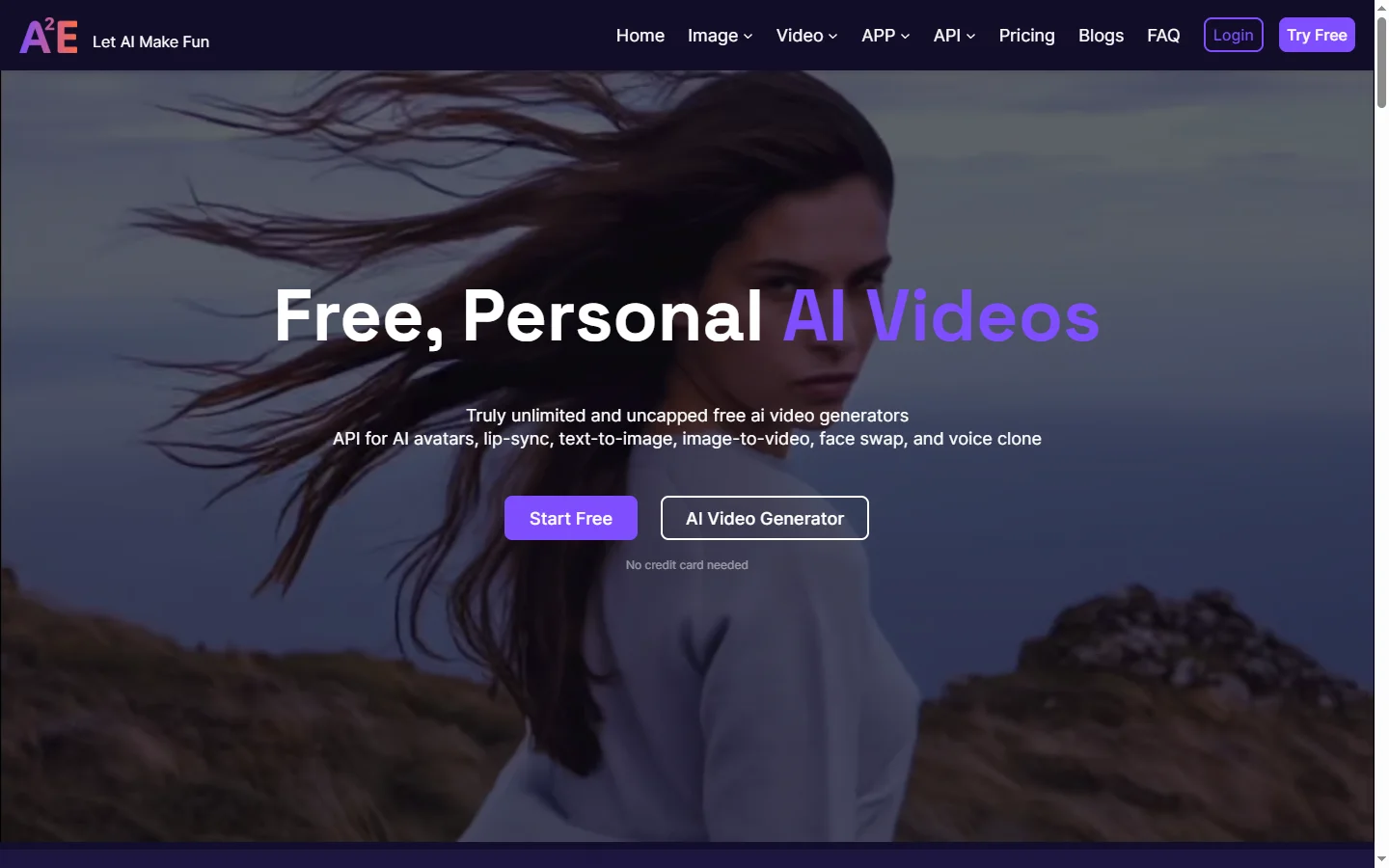
A2E AI
A2E AI productivity platform converts audio and video recordings into transcripts, summaries, and action items with speaker identification.
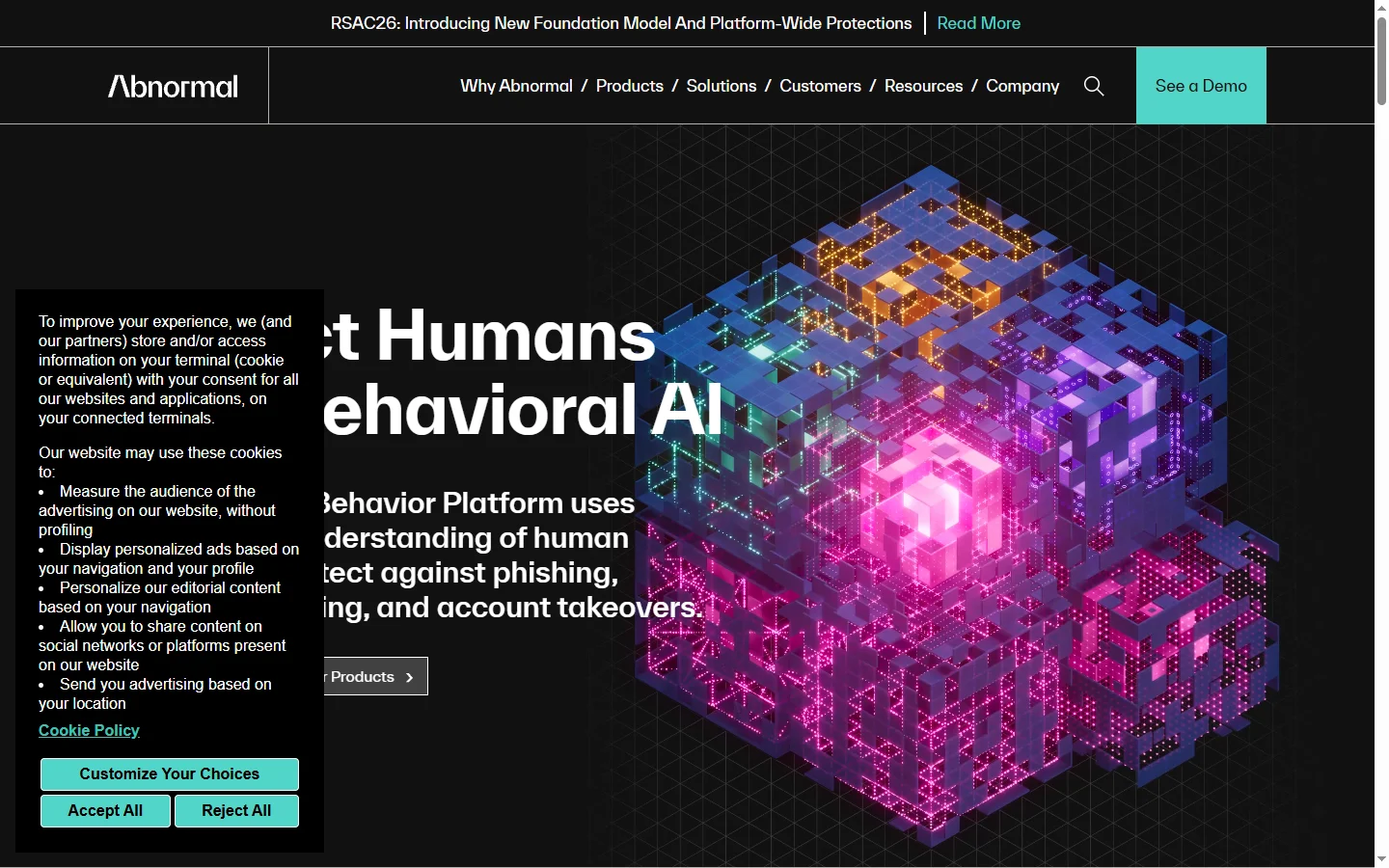
Abnormal AI
Abnormal AI uses behavioral AI to detect business email compromise, account takeover, and socially engineered phishing that bypasses secure email gateways.
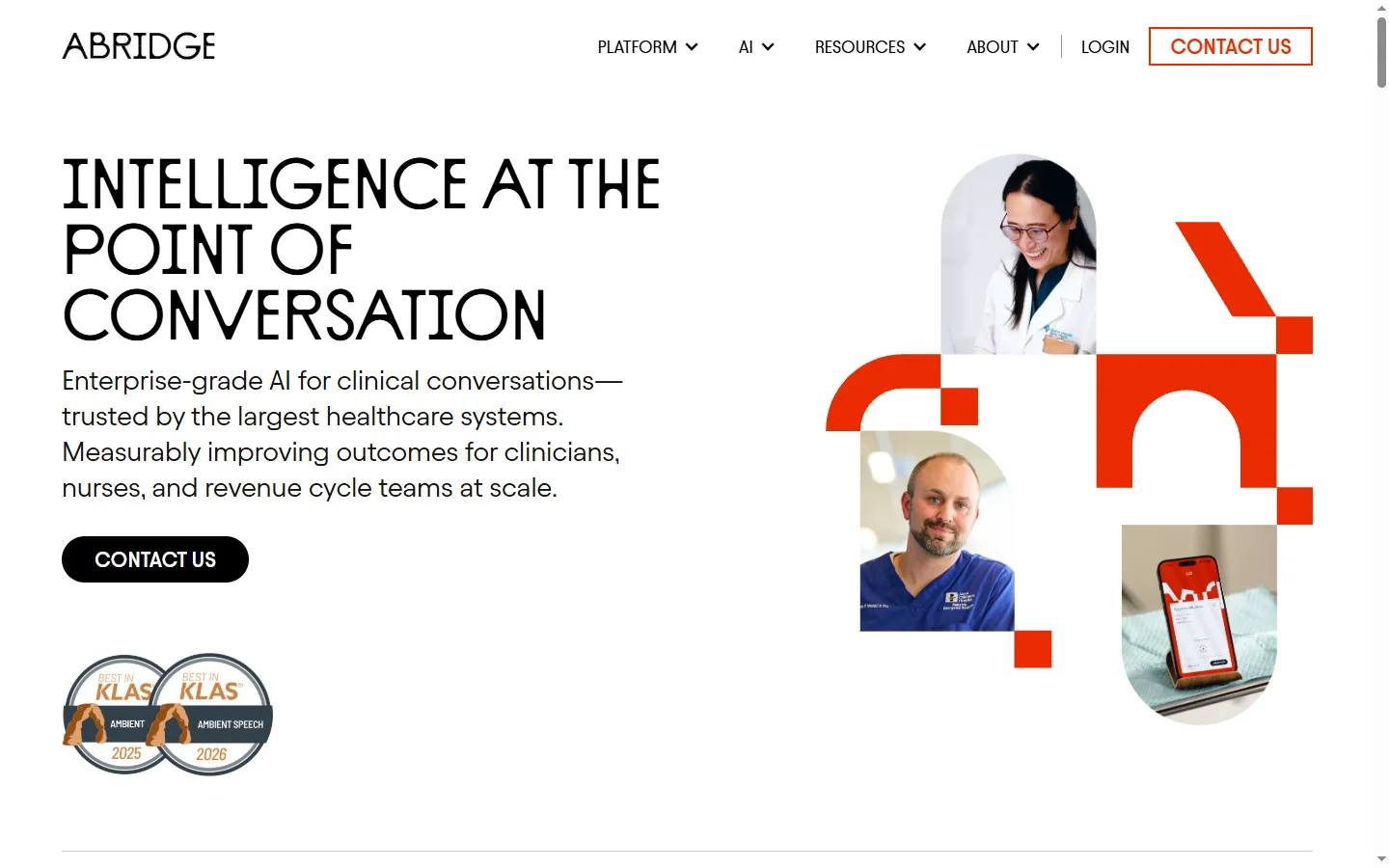
Abridge AI
Abridge AI medical documentation platform that records and summarizes clinical conversations into structured physician notes in real time.

Air AI
Air AI conducts autonomous full-length AI phone calls for sales prospecting, appointment setting, and customer service without human agents.