
Augment Code
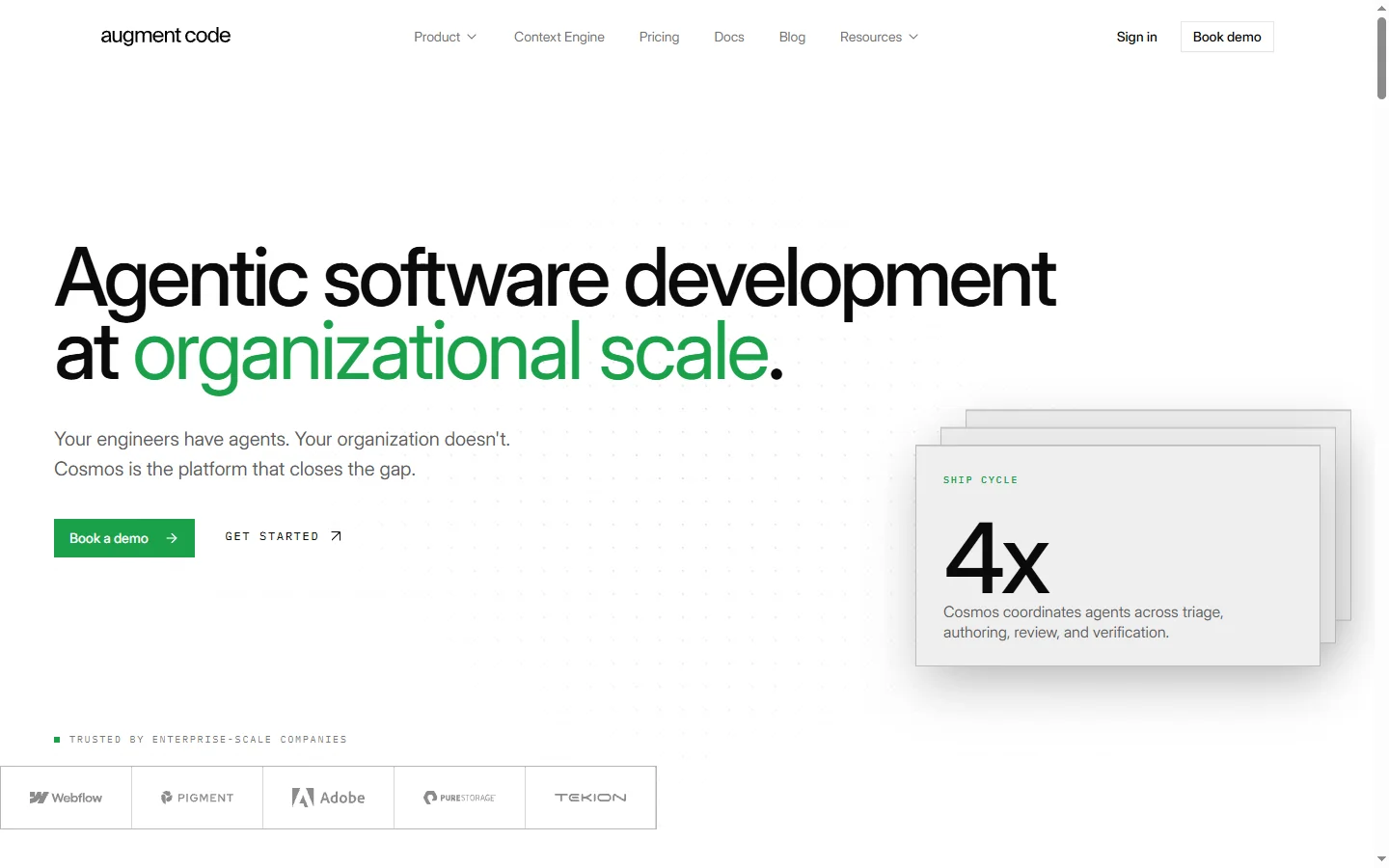
Freemium ✓ Verified 🔥 TrendingAugment Code is an AI coding assistant with deep codebase context that helps engineers write, refactor, and ship code faster across IDEs.
📋 About Augment Code
Augment Code is an AI coding assistant built for professional software engineers working in large, real-world codebases. Unlike generic AI autocomplete tools, Augment indexes the entire repository — including private dependencies, internal style guides, and historical pull requests — and uses that context to deliver suggestions that fit the existing architecture. Its core product runs inside VS Code, JetBrains IDEs, Vim, and the terminal, providing inline completions, chat-based code generation, and agent-style multi-file edits.
The platform's standout capability is its proprietary context engine, which keeps a continuously updated semantic index of the codebase and retrieves the most relevant snippets before generating responses. This makes augment code particularly effective for monorepos and enterprise systems where naive autocompletion tends to hallucinate APIs that do not exist. Augment also offers a chat experience that can answer questions about how systems work, why a function was written, and where to safely make a change — using both code and Git history as evidence.
Augment Code competes directly with Cursor, GitHub Copilot, and Cody, with a clear positioning around enterprise readiness. SOC 2 Type II certification, on-premises deployment options, and strict data handling controls have made it a popular choice for regulated industries and large engineering organizations. A free tier covers individuals, while team and enterprise plans add admin controls, SSO, and dedicated context indexing. Augment is backed by Sutter Hill, Index, and other top-tier investors and led by veterans of Google and Microsoft engineering systems.
⚡ Key Features of Augment Code
Codebase Context Engine
Augment Code's proprietary context engine builds a semantic index of every file, function, and commit in your repository and refreshes it as you work. When you ask a question or trigger a completion, the engine retrieves the most relevant snippets and feeds them to the underlying model, dramatically reducing hallucinated API calls and inventing imports. Engineers working in monorepos and multi-million-line codebases report that Augment's suggestions look like they were written by a teammate who already knows the project. The index respects access controls so private code stays private.
Multi-IDE Support
Augment Code ships first-class extensions for VS Code, all JetBrains IDEs (IntelliJ, PyCharm, GoLand, WebStorm), Neovim, and the terminal, with a consistent feature set across each platform. This is important for teams where engineers prefer different editors but want a shared AI assistant standard. Extensions are kept in sync with frequent updates and ship with telemetry controls that respect enterprise privacy policies.
Inline Completions and Chat
The ai coding assistant offers low-latency inline completions tuned for the language and framework in use, along with a chat panel where engineers can ask freeform questions about the code. Chat answers cite the file and line numbers it pulled context from, so engineers can verify suggestions before applying them. This citation-first design has become a key differentiator versus competitors that surface answers without sources.
Agent Mode for Multi-File Edits
Augment Agent can plan and execute multi-file changes — refactors, new feature scaffolding, test generation — using the indexed codebase as ground truth. The agent breaks the task into steps, proposes the change set, and waits for engineer approval before writing files, which keeps humans in control of the diff. Compared with fully autonomous agents, this design fits enterprise change management workflows.
Enterprise Security and Compliance
Augment Code is SOC 2 Type II certified and offers single-sign-on, role-based access control, audit logs, and on-premises or VPC deployment for customers with strict data residency requirements. Code is never used to train shared models, and per-customer context indexes are isolated. These controls have made augment code a preferred choice for financial services, healthcare, and government engineering teams.
Pull Request Awareness
The assistant can read the history of pull requests in your repo to explain why a function was written a certain way, who reviewed it, and what discussion happened. This is uniquely useful for onboarding new engineers and for navigating legacy systems where institutional knowledge is encoded in PR comments rather than documentation. Augment uses this history to suggest changes that align with prior team decisions.
Custom Guidelines and Style Conformance
Teams can add coding guidelines, style rules, and review checklists to their workspace, and Augment will apply them automatically when generating or reviewing code. This means suggestions follow team naming conventions, error handling patterns, and security policies without engineers needing to re-state them in every prompt. Enterprises use this to encode internal best practices into the AI assistant.
🎯 Use Cases for Augment Code
⚖️ Augment Code Pros & Cons
Advantages
- ✓Best-in-class context engine for large repositories
- ✓Strong enterprise security including SOC 2 Type II and on-premises options
- ✓Works across all major IDEs with consistent feature parity
- ✓Cited answers with file and line references increase trust
- ✓Code is never used to train shared models
Drawbacks
- ✗More targeted at engineers in larger teams than solo hobbyists
- ✗Initial codebase indexing can take time on very large monorepos
- ✗Some advanced features require team or enterprise plan
📖 How to Use Augment Code
Create an account at augmentcode.com and install the extension for your IDE of choice.
Sign in from the IDE and connect your repository so the augment code engine can index it.
Wait for the initial index to complete, then start using inline completions as you type.
Open the chat panel and ask questions about your codebase, citing files when needed.
Trigger Agent mode for multi-file refactors or feature scaffolds and review the proposed diff before applying.
Configure workspace guidelines under team settings to enforce coding standards across all AI suggestions.
❓ Augment Code FAQ
Augment Code focuses on deep codebase context, with a proprietary engine that indexes your entire repository including PR history and private dependencies. It also targets enterprise needs more explicitly, with SOC 2 Type II certification, on-prem deployment, and strict guarantees that customer code is not used for training.
Yes, augment code offers a free tier for individual developers with usage limits on completions and chat. Paid plans add higher limits, team admin features, and enterprise security controls.
Augment Code supports VS Code, all JetBrains IDEs including IntelliJ, PyCharm, WebStorm, and GoLand, plus Neovim and a terminal client. Feature parity across editors is a stated product priority.
No. Augment guarantees in its enterprise terms that customer code is not used to train shared models. Per-customer indexes are isolated, and on-premises deployment is available for customers requiring full control of code data.
No. Augment Agent proposes a planned diff and waits for the engineer to approve or modify before writing files. This human-in-the-loop design is core to how augment code fits into enterprise change management.
Related to Augment Code

Featured on WhatIf.ai
Add this badge to your website to show you're listed on WhatIf AI
Alternatives to Augment Code


A2E AI
A2E AI productivity platform converts audio and video recordings into transcripts, summaries, and action items with speaker identification.

Abnormal AI
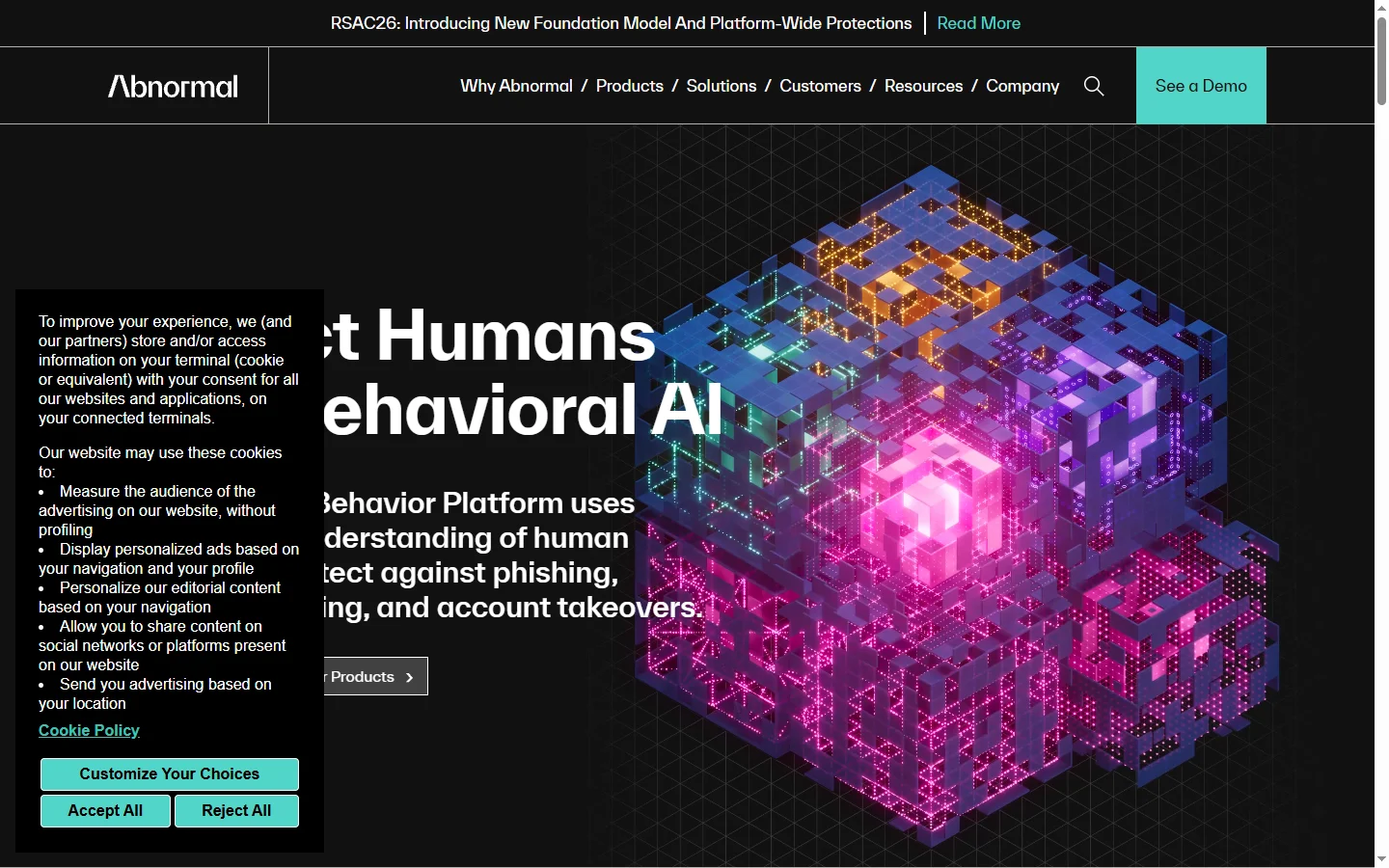
Abnormal AI uses behavioral AI to detect business email compromise, account takeover, and socially engineered phishing that bypasses secure email gateways.

Abridge AI
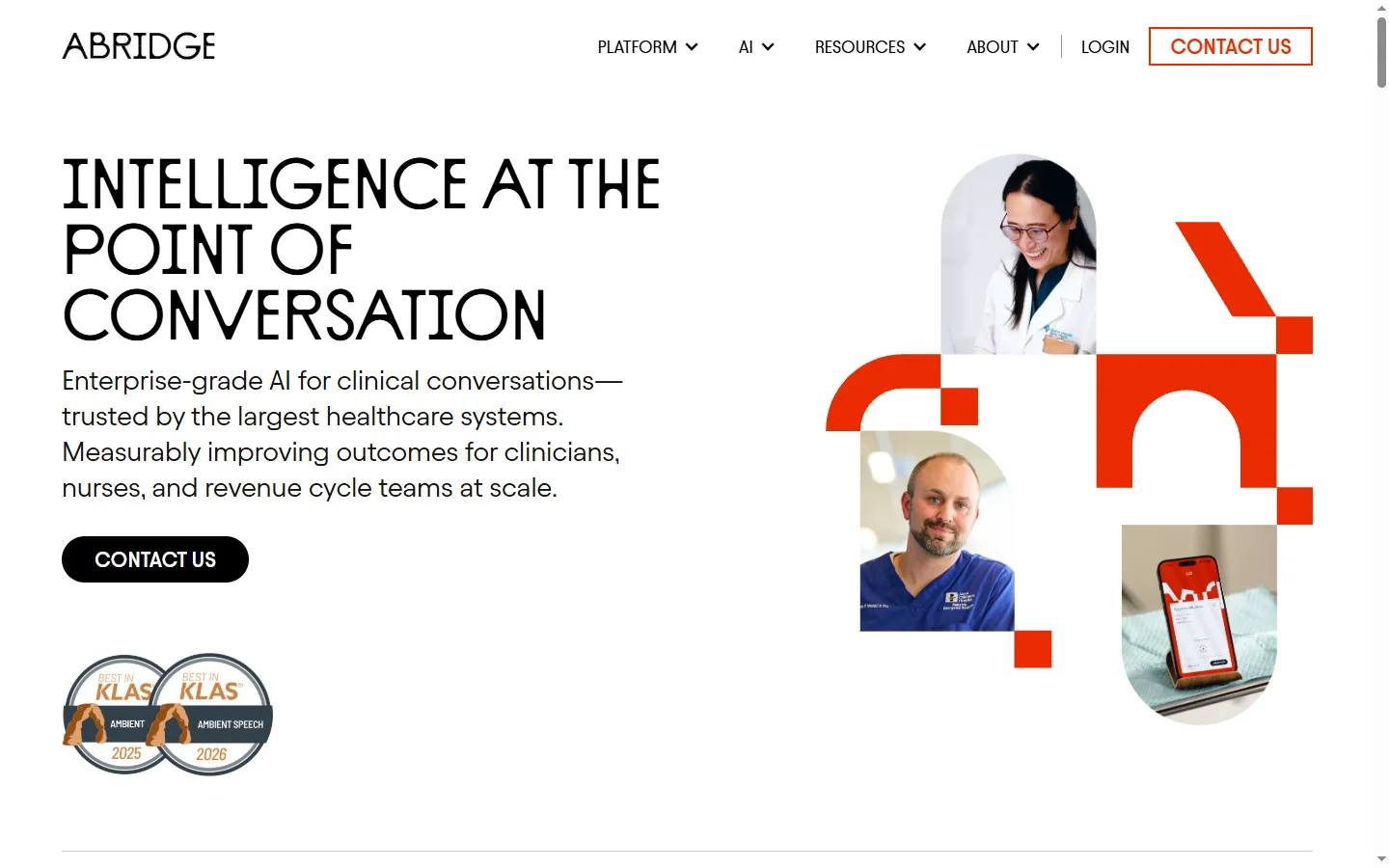
Abridge AI medical documentation platform that records and summarizes clinical conversations into structured physician notes in real time.

Air AI
Air AI conducts autonomous full-length AI phone calls for sales prospecting, appointment setting, and customer service without human agents.